







What every parent should pack in an emergency kit
On building go-bags, home kits, and more to keep the family safe
Published Aug 2, 2025 10:11 am


As parents, our minds are constantly in planning mode—meals, school needs, doctor’s appointments, extracurricular activities, and everything in between. But in the middle of juggling all of these tasks, one thing we tend to forget is preparing for emergencies.
Building a family emergency kit might feel like a big task at first. But once it’s ready, it offers real peace of mind. Having the right supplies set aside means we’re better prepared if disaster ever strikes—and that makes all the difference.
In an interview with Saripada L. Pacasum Jr., City Government department head of San Juan’s City Disaster Risk Reduction and Management Office (CDRRMO), he shared that families should be prepared for common disasters such as earthquakes, fires, and flooding. These emergencies can cut off electricity, water, and access to roads, making it all the more important to have essential supplies at home.
“Keep at least a three-day supply of non-perishable food per person. A two-week supply is recommended if long-term sheltering is a possibility,” he advises. He also shares a list of items that should be included in a family emergency kit.
Water – At least one gallon (or 3.8 liters) per person per day for drinking and sanitation, and should be good for at least three days. Ideally, aim for up to seven days of supply in high-impact areas
Non-perishable food – Canned goods, dry snacks, and ready-to-eat items with a manual can opener
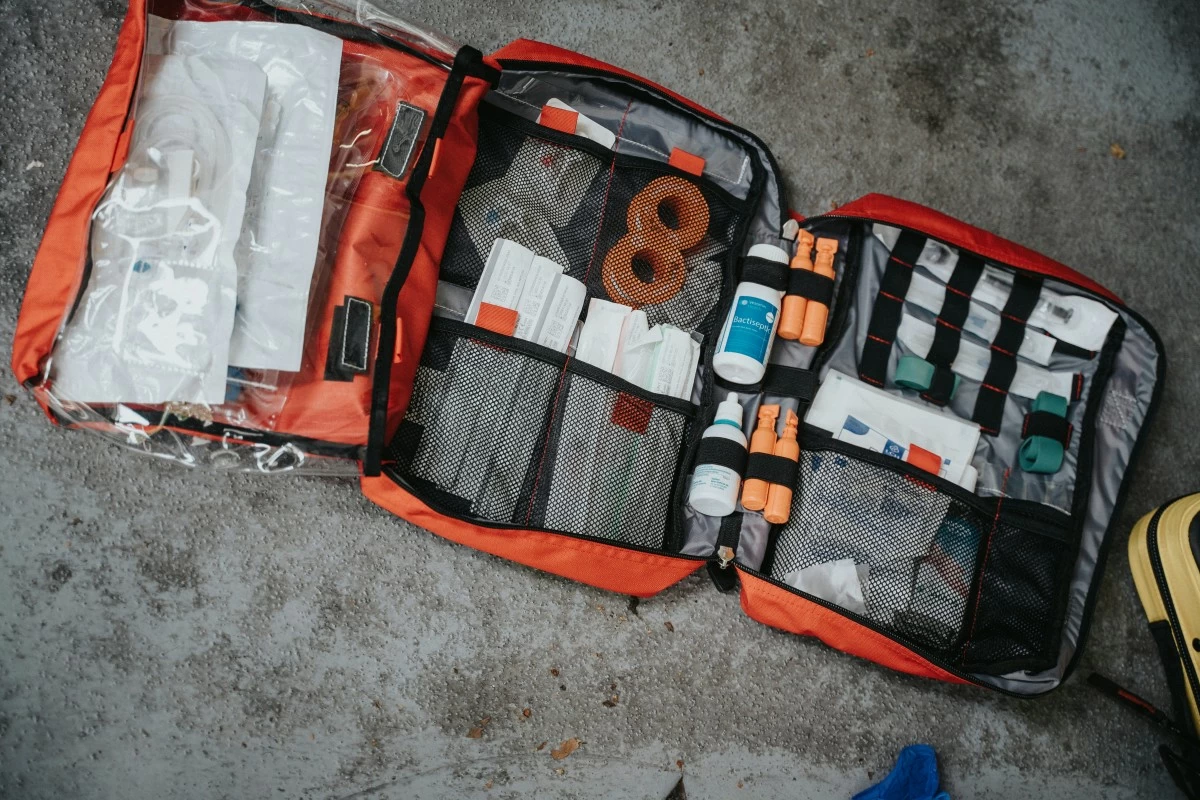
First aid kit – Bandages, antiseptics, pain relievers, scissors, tweezers, gloves, face masks, and essential medicines
Flashlight and radio – Battery-powered or hand-crank, and spare batteries
Sanitation items – Moist towelettes, garbage bags, and personal hygiene essentials
Emergency tools – Whistle, basic tools, map of your area
Important documents – Stored in a waterproof pouch, along with emergency cash
Special items – Diapers, infant formula, pet food, power bank, and blankets
Other items that might be considered for packing, depending on the needs of the family members, are special needs items such as infant supplies, pet food, eyeglasses, and prescription medicine. Many also forget to properly protect important documents by storing them inside zip-lock bags or fire-proof containers. Hygiene and sanitation items are often skipped, and kit maintenance, such as batteries and expired food and medicines, is underestimated.
Don’t forget to check and update emergency kits regularly. “Rotate food and water, replace batteries, and check expiry of medications every six months. Review contents and adjust based on changing family needs or environment once a year,” says Saripada.
He also recommends preparing different kinds of kits—one for the home, a lightweight go-bag for each family member when evacuation is needed, and a car kit for those who travel frequently.
“A go-bag is lightweight and portable for quick evacuation (basic essentials), while a home kit is larger and stocked for longer stays,” he explains. For car kits, it is best to include water, non-perishable snacks, a first aid kit, a flashlight, jumper cables, basic tools, blankets, and a phone charger.
Important documents should also be packed, such as IDs, birth certificates, insurance papers, medical records, emergency contact details. He adds, “Keep physical copies in waterproof pouches and digital backups on secure cloud storage.”
Aside from preparing emergency kits, Pacasum reminds families to take other safety precautions at home. “Families should learn how and when to safely shut off gas valves, water mains, and circuit breakers to prevent leaks, floods, or electrical hazards during disasters,” he advises.
While we can’t always predict what’s ahead, there is no excuse for not being ready. Taking the time to prepare helps keep our children safe and gives us, parents, a stronger sense of calm and control when the unexpected happens.