







The meaning, importance, and relevance of resilience
Published Aug 1, 2025 12:21 am


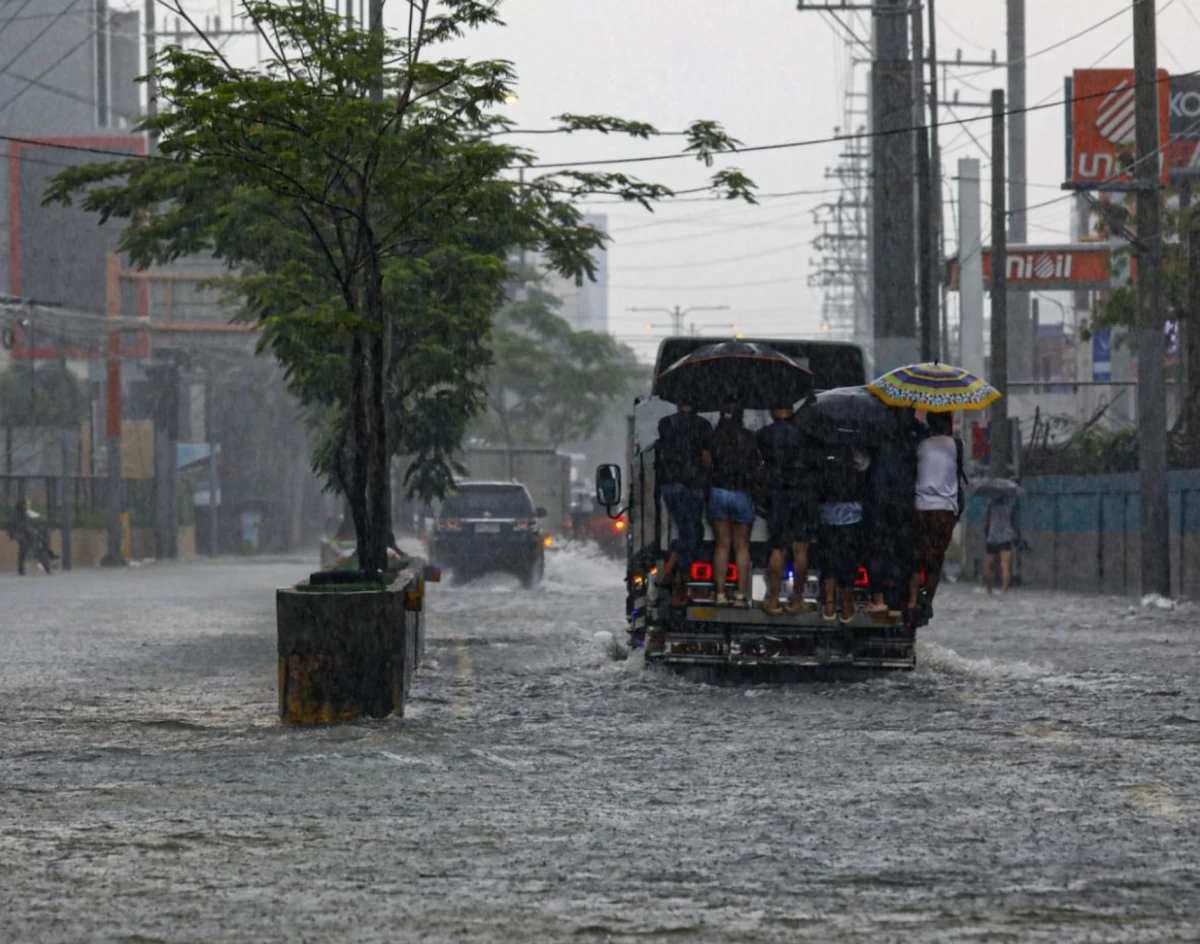
Photo by John Louie Abrina/Manila Bulletin
One of the most-applauded portions of the recent State of the Nation Address (SONA) would have to be when President Marcos mentioned the flood control projects—and how so many of them were failures, riddled with substandard work, or worse, figments of the imagination. His plan to investigate these projects and hold accountable those who had failed to deliver as promised was met with raucous cheering.
Coming on the heels of the previous ten days that saw the whole metropolis stymied by incessant rains and inclement weather, this was something every living soul in the Batasan could sympathize with. From the parents who had their children stuck at home day after day, to business owners who lost a week’s worth of productivity, disaster response and preparedness would have been foremost in our minds. Yes, these typhoons, tropical storms, and monsoon rains can’t be avoided, but why does recovery and “getting back to normal” have to be such an arduous and protracted affair?
So it had to be fortuitous that a get-together lunch arranged earlier in the week with former Department of Environment and Natural Resources (DENR) Secretary Maria Antonia “Toni” Yulo-Loyzaga and Grace Magno (recently returned from a family trip to Europe) would turn into an illuminating session about resilience. And how, more than ever, it’s what should be prioritized and further developed.
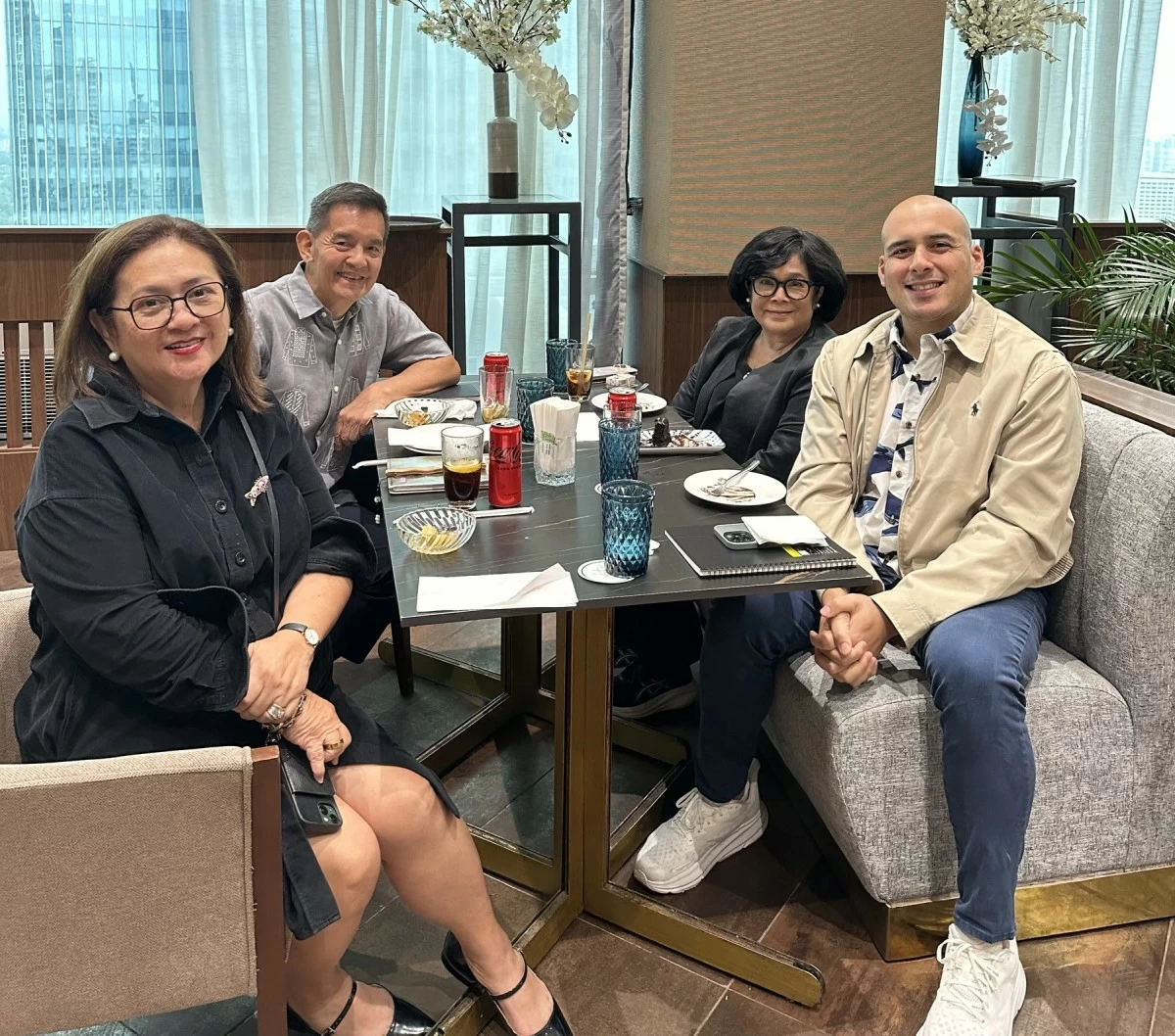
Grace Magno, the author, former DENR Secretary Toni Yulo-Loyzaga, and her son, Joaquin
If there were two very important takeaways from our conversation with the former environment secretary, they would be: first, we really have to continue investing in resilience so that we can prevent, prepare, and not just survive, but thrive and become stronger in facing future shocks, instead of merely reacting after the fact and letting hazards become disasters. And, second, it’s not just a matter of how well we know the hazard or calamity, but of understanding our vulnerabilities and finding ways to build our capacities. It’s about building resilience within specific ecosystems and across sectors and communities—not just thinking in terms of relief goods and post-disaster response.
Yes, delivering relief goods makes for good photo opportunities and great optics, but it actually betrays how short-sighted we are when it comes to disaster risk reduction and preparedness. When we talk about resilience, it should be about planning to prevent calamities, and reducing risks and their potential impacts. It should be about bouncing forward—not back—to the same vulnerable state we were in before the disasters struck. Too often, we speak of resilience and define it purely as a trait of the Filipino people: our ability to absorb these calamities and still smile. And while we can be thankful for that plucky attitude, it does not address the fact that the government, at all levels, has a greater responsibility to shoulder and that we deserve better.
I appreciated how Loyzaga broke down disaster risk reduction historically—to give context to the issues we face and to highlight how it is part of a global strategy that has evolved over time. One landmark development occurred in 1995, after the Hanshin earthquake in Japan. It marked a turning point in recognizing the need to manage hazards more effectively, the crucial role of community-based approaches, and the importance of volunteers—elements that became integral to disaster risk reduction protocols. Here in the Philippines, this led to the Integrated Community Disaster Preparedness Planning (ICDPP) of the Philippine Red Cross.
The Disaster Risk Reduction and Management Act of 2010 (Republic Act No. 10121) provided a comprehensive framework and strategy, shifting the focus from disaster response to proactive risk reduction. The Act also established the National Disaster Risk Reduction and Management Council (NDRRMC), a working group composed of government agencies, the civil sector, and the private sector—utilizing the UN Cluster Approach in Disaster Management. The NDRRMC’s implementing arm is the Office of Civil Defense (OCD). Under the leadership of the Department of National Defense, Loyzaga expressed appreciation for how the office has built—and continues to build—capacity. She noted how it coordinates the delivery of relief goods while also integrating scientific information and strategic planning to better withstand future shocks.
After the March 2011 earthquake, the Sendai Framework of 2015–2030 (SFDRR) was the global agreement adopted in Sendai, Japan, that focused on reducing disaster risks through four priorities: understanding disaster risk, strengthening disaster risk governance, investing in disaster risk reduction for resilience, and enhancing disaster preparedness. The Framework also set seven clear targets, including reducing disaster mortality, people affected, and economic losses. SFDRR is seen as a turning point for disaster risk reduction, focusing beyond hazard management and emergency response to risk governance by vulnerability reduction for long-term resilience.
Using this framework, the DENR Project Transform was launched with an integrated, science- and technology-enabled comprehensive disaster and climate risk management approach that local government units can adapt for collective impact, for policy and practice. It is a multi-stakeholder engagement and makes use of a resilience scorecard. Project Transform started in 2023 and unites LGUs, civil society, the academe, and more to build sustainable communities. It recognizes that investing in resilience is everyone’s responsibility.
This multi-sectoral approach to disaster response is seen in both the NDRRMC and in Project Transform; and it’s a formula that Loyzaga subscribes to, as it’s been real and practical, tapping experts, capacities, and multiple resources before, during, and after calamities. An example of this is how property developers now design and allow their malls to serve as shelters and evacuation centers, and even as flood retention facilities—complementing those that the national government or LGU provide.
Then Loyzaga reminds us that drainage is not a local issue. There is no getting around geography and scale, and the fact that headwaters, the course of a river, and their overflow do not necessarily follow LGU-designated demarcations. What happens in one municipality can affect the one beside it, or the one downstream, and so on. Social vulnerability, transport, and connectivity are all factors that cannot be addressed or resolved if we think territorially or strictly along LGU lines. There has to be an integrated local, then regional, and even national framing of strategy and investment planning. This kind of disaster risk Reduction planning will prevent us from falling into the “tingi culture” we often see in Filipino consumer behavior—where we plan in minute increments, or do things piece by piece—and ultimately fail to build resilience over time.
Then she talks of accountability and transparency, and I have a flashback to what our President was saying about these flood control projects. The LGUs have to own the problem, with both the Executive and Legislative agendas of the LGU working hand in hand. Disaster forensics can be part of the learning, and in some sad cases, part of the actual post-mortem of how effective—or ineffective—they have been in disaster risk reduction.
The global practice of disaster risk reduction today is forward-looking, focused on being preventive and ready for any uncertainties and scenarios. It’s about avoiding, reducing, and mitigating disaster risk. The hazards will happen, but they do not have to be catastrophes. The typhoons that come our way go on to hit other countries, and they experience flooding as well—but I ask, did they have to shut down schools for a whole week? And how quickly did their floodwaters recede, and daily life get restored and re-established? Hard questions that deserve honest answers, so we can move forward.