







Refining the electrified experience
Lexus RZ 550e F Sport
By Inigo Roces
Published Aug 1, 2025 09:22 am


At A Glance
- The upcoming RZ 550e takes everything its predecessor, the RZ 450e, offers up a notch. As evident by the name change, the most notable is power, but also driving range, and most importantly, the driving experience.
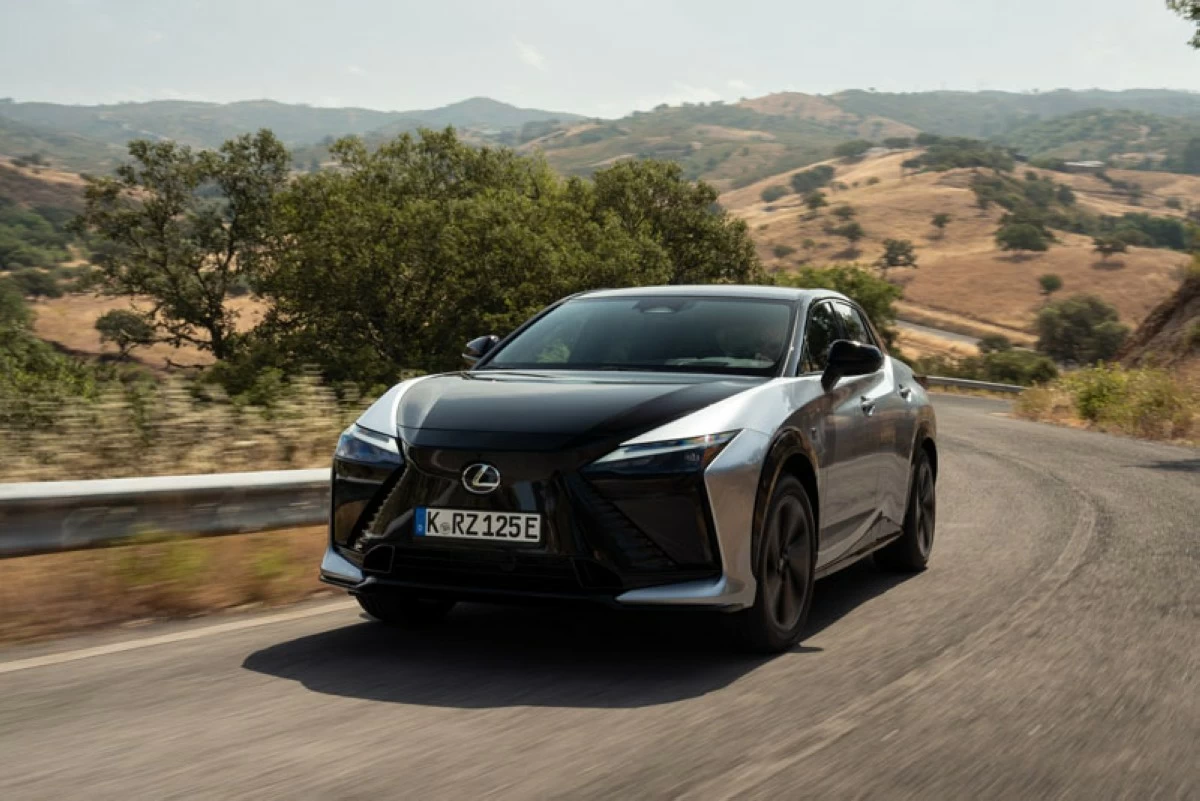
Despite being one of the earlier fully-electric vehicle offerings in the country, the Lexus RZ 450e continues to be the lone fully-electric model in the Lexus Philippines lineup. Though many competing brands now offer multiple models in several categories, Lexus has focused on the predecessor’s many areas for improvement to offer a truly enticing vehicle to welcome early adopters into electrification.
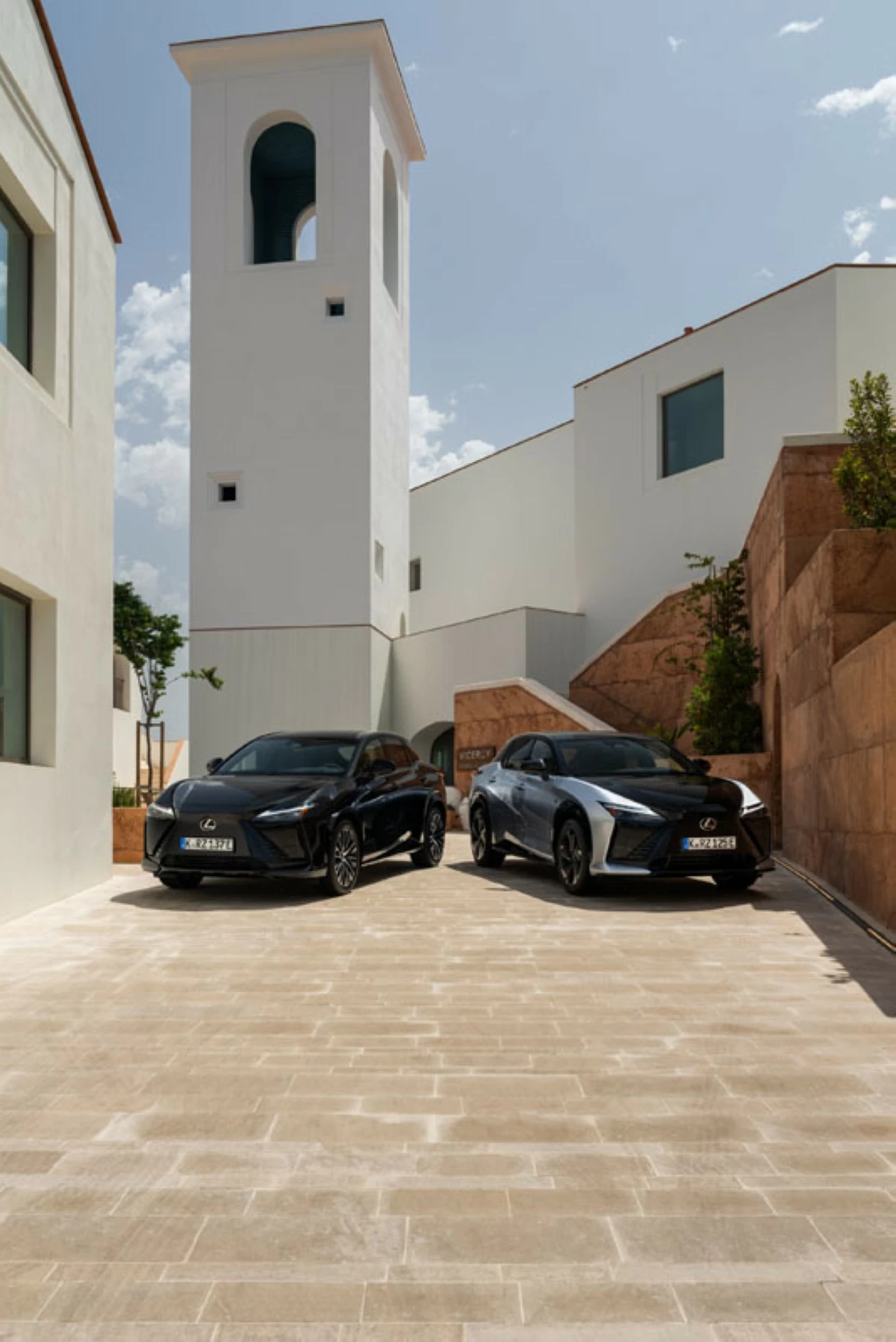
The upcoming RZ 550e takes everything its predecessor, the RZ 450e, offers up a notch. As evident by the name change, the most notable is power, but also driving range, and most importantly, the driving experience.
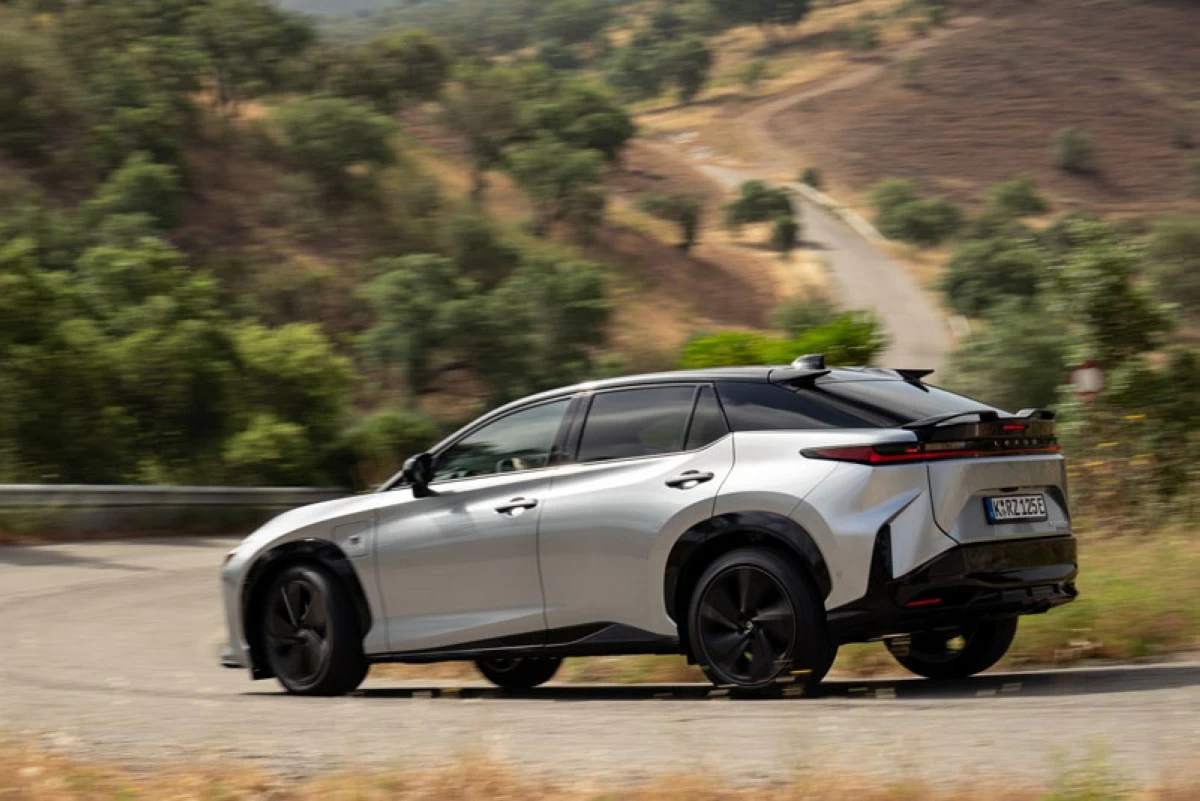
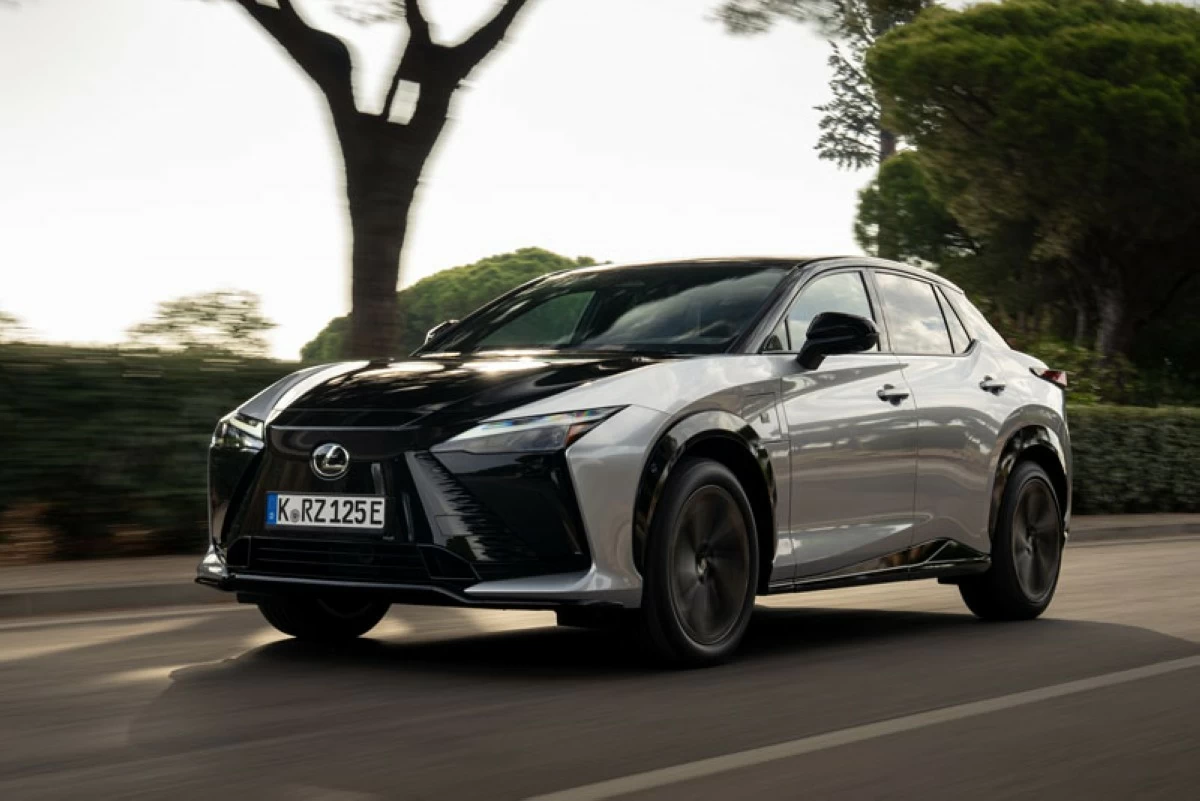
With so much effort put into performance and driving feel, little has changed with its exterior styling. These are minor alterations in the front bumper for better cooling, new wheels, new color options, and in the case of the F Sport model, a new two tone color option and spoiler.
Steer-by-wire
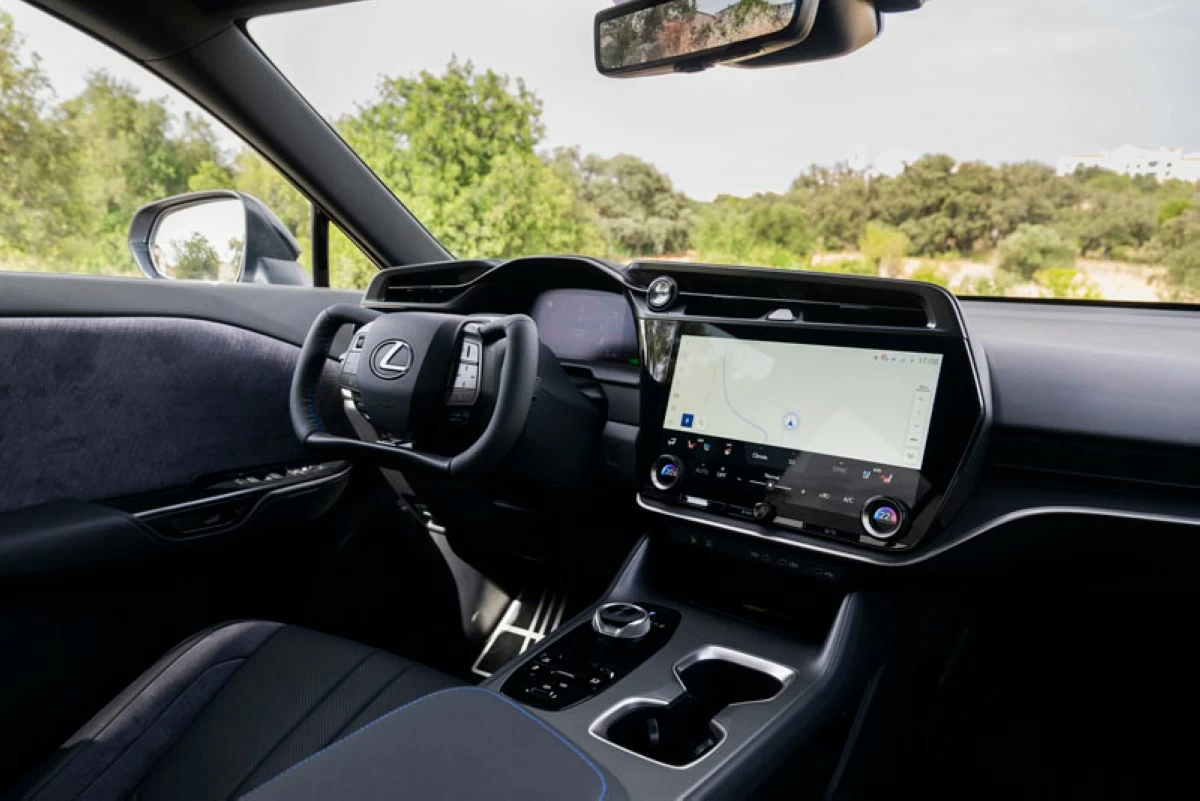
Perhaps the biggest and possibly most controversial change in the car is the inclusion of the steering yoke, rather than a conventional steering wheel, a small part of the larger steer-by-wire upgrade to be made available exclusively on F Sport models.
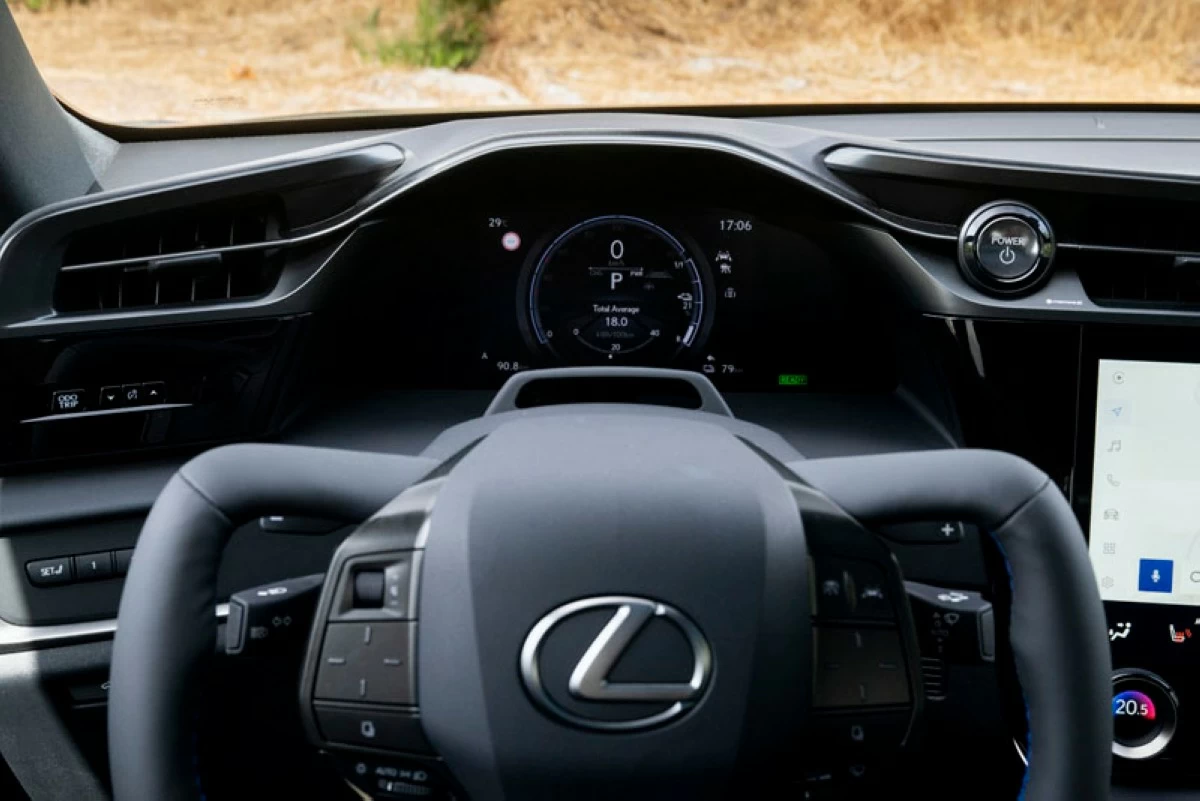
Steer-by-wire essentially means that there will no longer be a physical connection between the wheel (yoke) and the car’s steering mechanism. Steering commands are made through the yoke and transmitted electronically to the steering mechanism. Of course, Lexus has implemented multiple backup systems to ensure the car can still be steered even when the vehicle itself is out of battery. It has multiple steering motors and even an independent power supply.
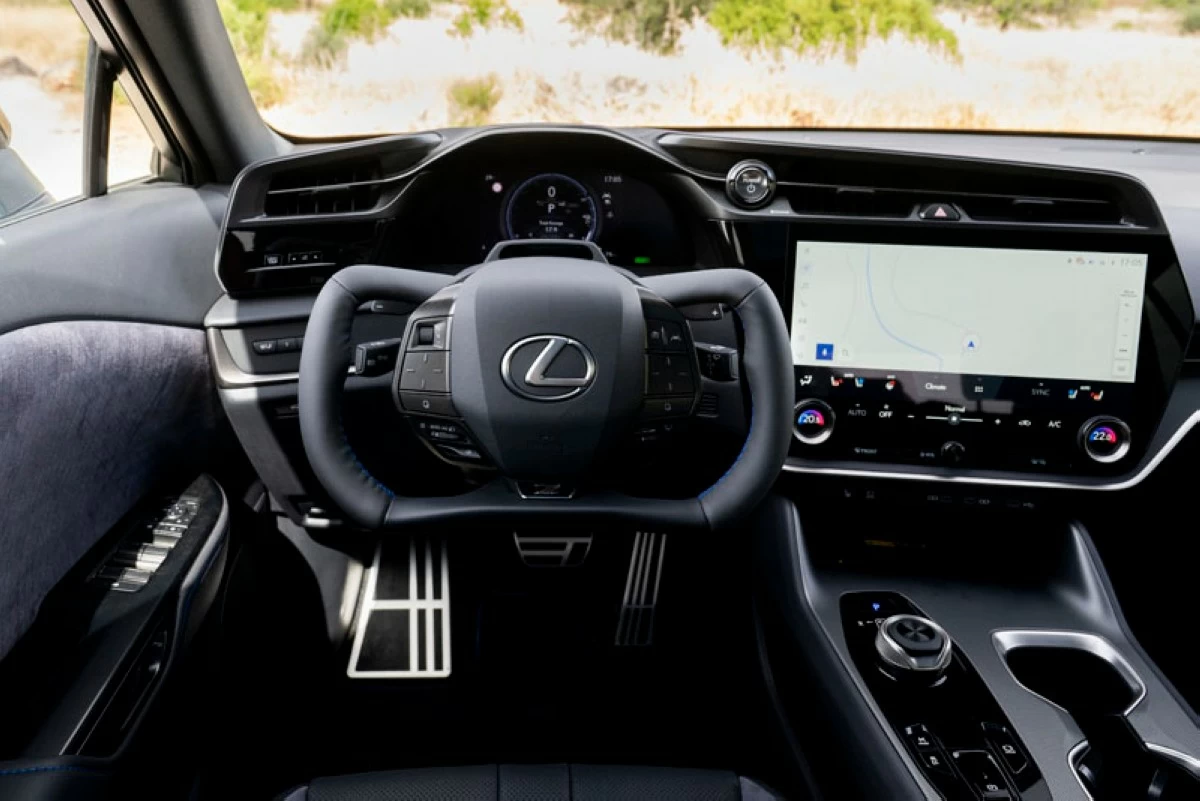
The main benefit is that with steer-by-wire, the RZ can offer a driving experience that constantly adapts to various conditions. Imagine making a three-point turn but only twisting the wheel 90-degrees to the left or right to fully turn the wheels. No awkward more hand-over-hand movements in the parking lot. At higher speeds, that steering ratio adjusts to allow the driver to still turn sharply to avoid an obstacle, without turning the wheels themselves too sharply and induce a loss of control. Best of all, the yoke is still programmed to return the most vital feedback to the driver, like the difference in feel between concrete or asphalt roads, without the unpleasant sensations like the vibrations from a cobblestone road or the jolts from a pothole.
With that in mind, it starts to make more sense why Lexus chose a yoke, looking like the controls of a classic Boeing airliner rather than a car. You simply don’t have to turn that much anymore and can keep hands where they should be on the wheel: the 3 o’clock and 9 o’clock positions.
In practice, the yoke is actually quite enjoyable once you get used to it. At low speeds, simply turn the wheel 90-degrees to get round a corner. Once traveling faster, it starts to feel like a conventional steering wheel. It’s like having the sharp steering of a go-kart in city driving then switching to a conventional car’s ratio at higher speeds.
Interactive Manual Drive
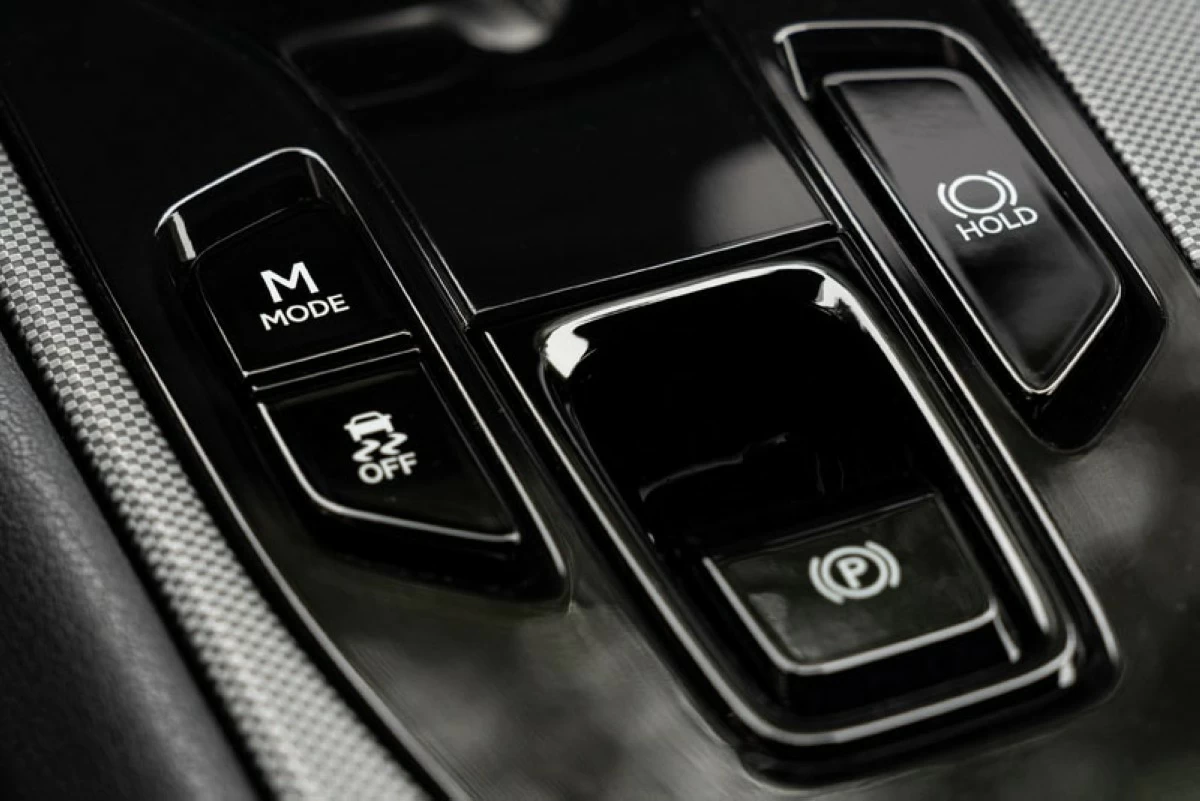
Easily another exciting innovation is the Interactive Manual Drive (IMD); a feature of the vehicle’s sport mode that makes it feel more like a conventional ICE with a 5- or 6-speed dual-clutch transmission. For context, most EVs today don’t have a transmission, but are simply driven by the electric motor directly from slow speeds up to their top speed.
The IMD eliminates that continuous acceleration feeling similar to a modern Continuously Variable Transmission (CVT) and introduces ‘gear shifts’ in between. In effect, the RZ 550e’s paddle shifters, which control the vehicle’s regenerative braking force now behave like actual paddle shifters again. Pull a paddle and it feels like the car is shifting up or down a gear, complete with the change in acceleration or engine brake, a simulated engine revving sound piped through the entertainment system, and the forward and backward G-forces one would feel with an actual manual.
It may be artificial, but it certainly adds some much needed excitement to the drive, particularly for those still fond of sporty ICE cars.
Improved battery
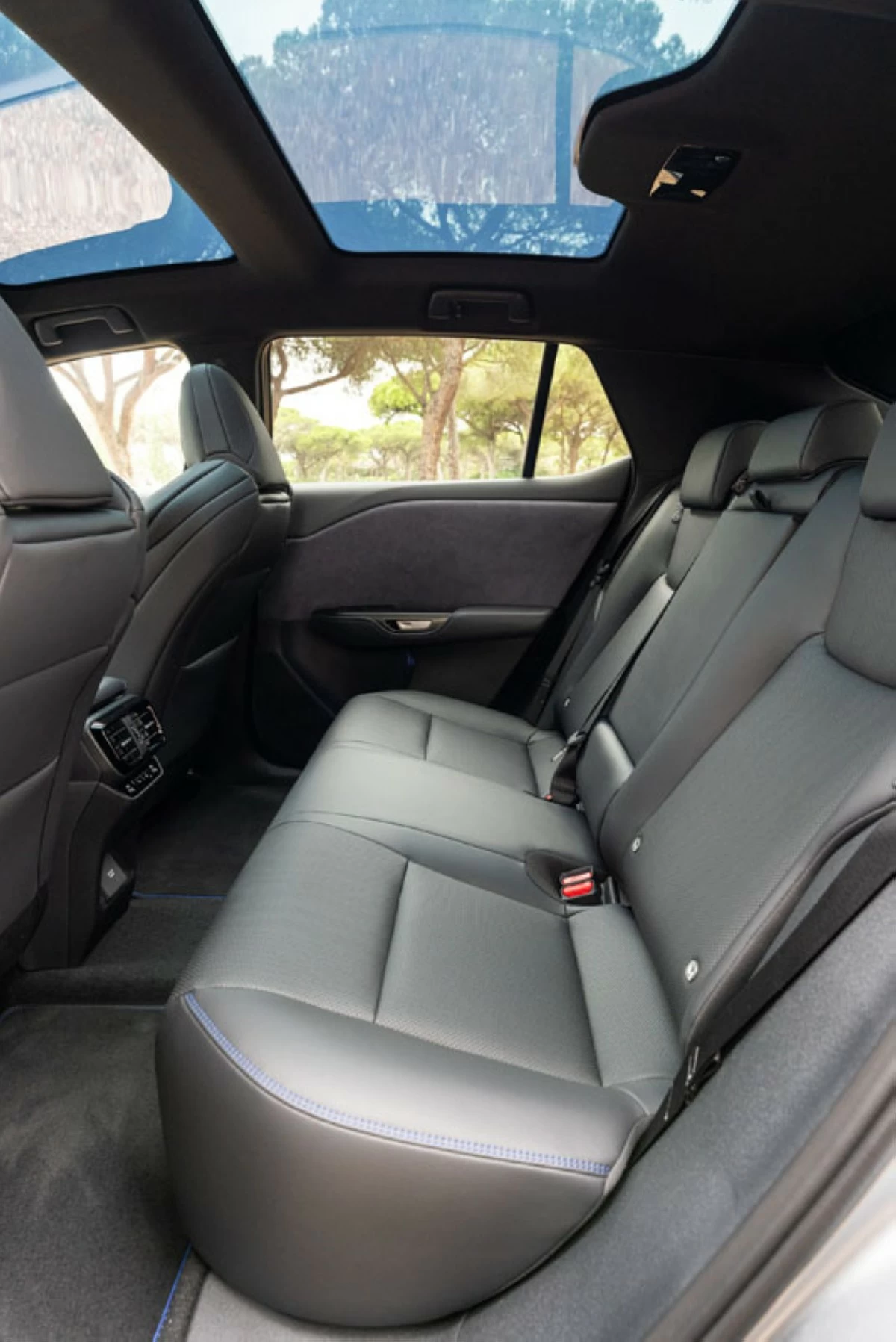
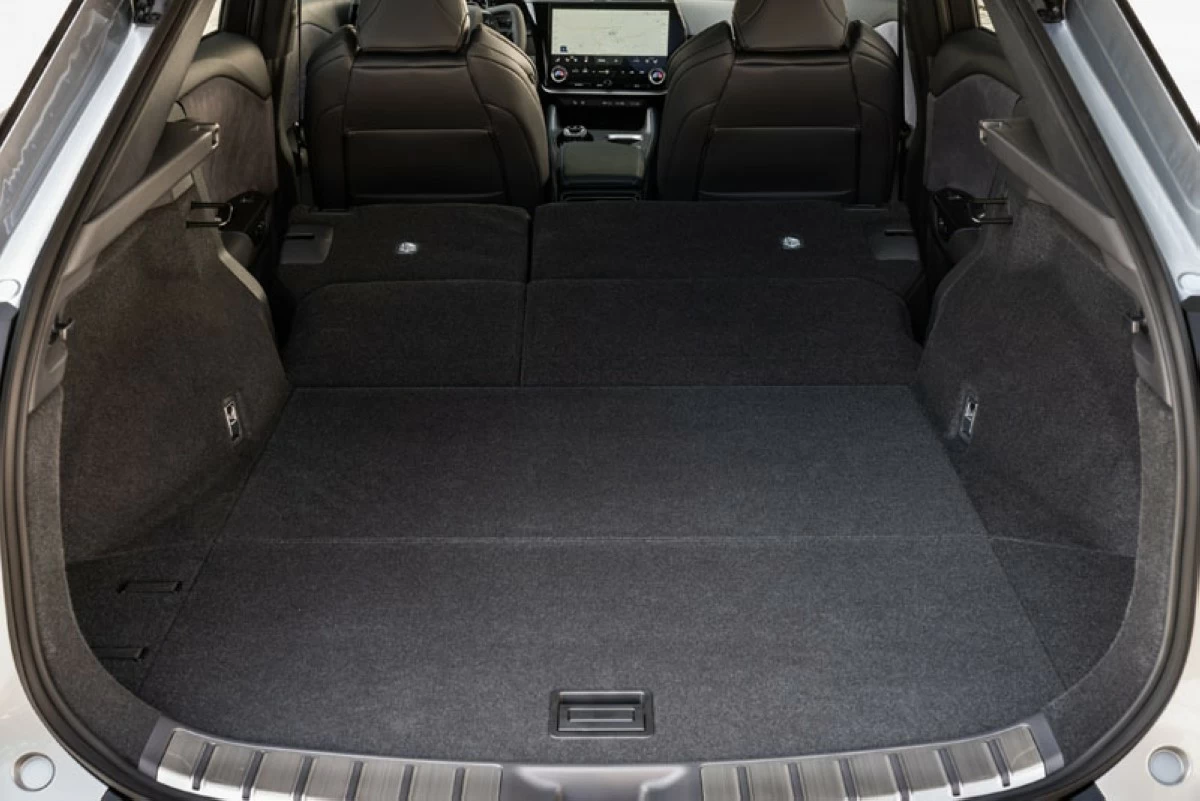
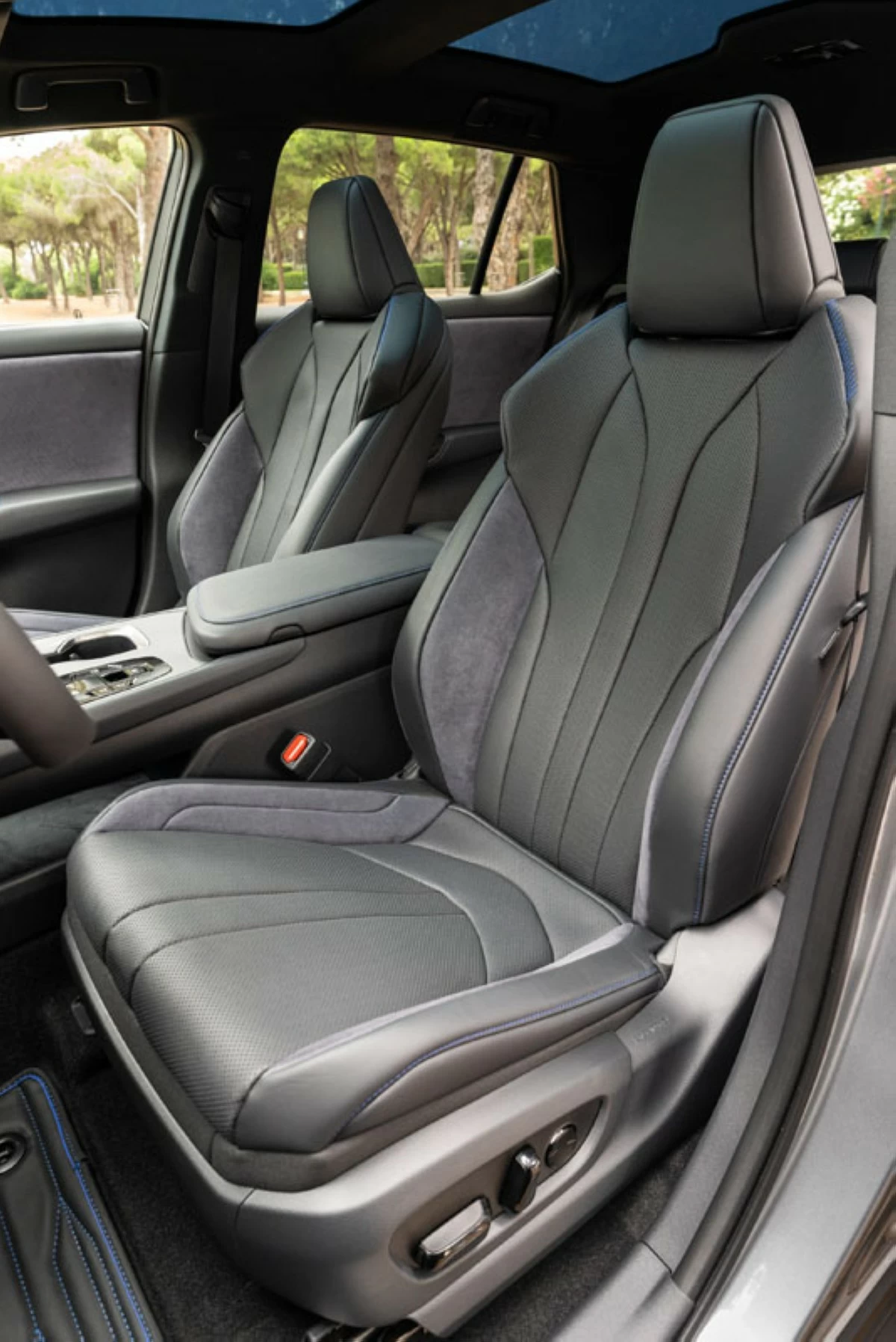
Another notable improvement is to the vehicle’s battery. While the current RZ 450e is already quite appealing with a battery range of more than 400-kilometers from a full charge, the newer battery of the 550e can easily match that range, even though it’s powering even more powerful and thirsty motors. In fact, the Lexus RZ 350e, the successor to the base RZ 300e, will be able to drive as far as 570-km on a full charge, all from a 77-kW battery versus the 100-kW batteries competitors use to offer that kind of range. Besides the increased battery range, charging time has also been reduced further, charging faster whether you’re using an AC or DC charger.
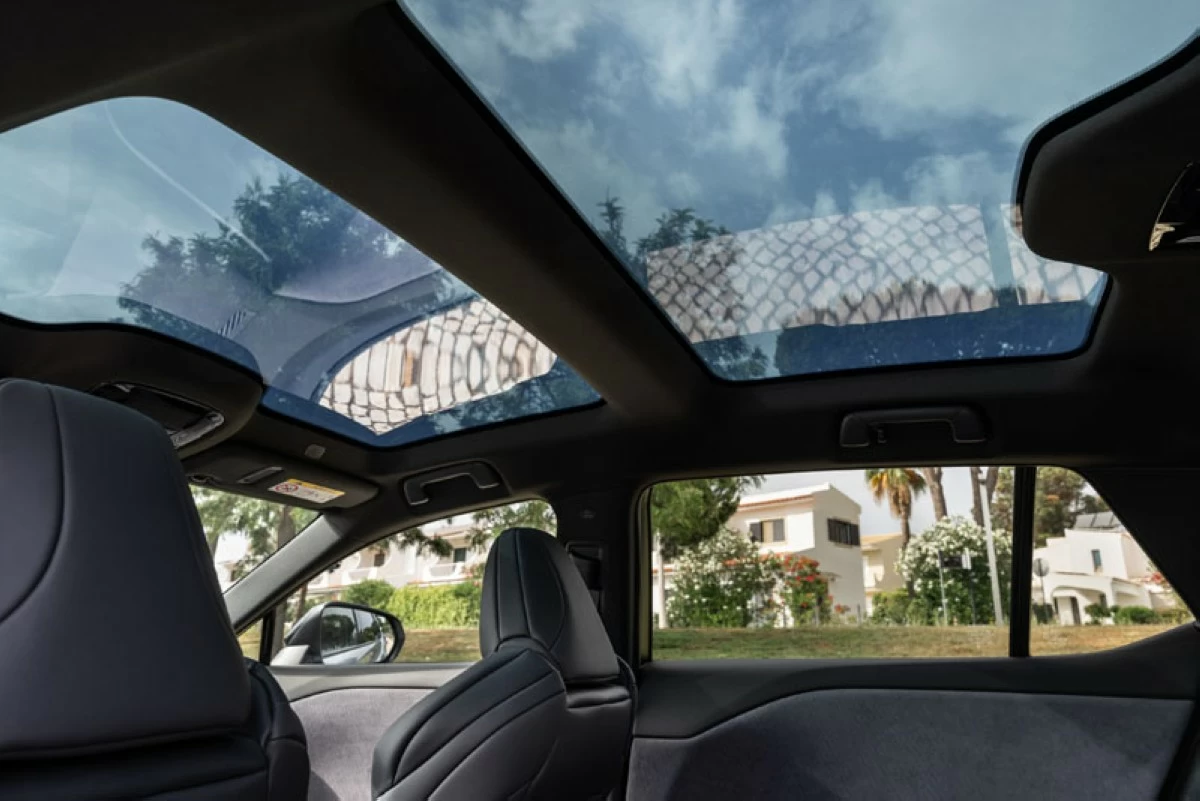
These changes all add up to make an already compelling fully electric model even more enticing. Granted, they’re not headline-grabbing changes like a completely new look or AI-imbued in-car entertainment system, but are small improvements that actually change the drive in tangible way.
The updated Lexus RZ will be introduced in RZ 350e (RWD, 224-PS), 550e (AWD, 408-PS) and F Sport (AWD with Steer-by-Wire and IMD) variants later in the year. More details and pricing will be revealed at a later date.