






Manila Bulletin
 Philippines
National
'Zero balance billing' explained: Do patients really pay nothing?
Philippines
National
'Zero balance billing' explained: Do patients really pay nothing?
Philippines
National
'Zero balance billing' explained: Do patients really pay nothing?
'Zero balance billing' explained: Do patients really pay nothing?
What you need to know about DOH's 'no balance' billing policy
Published Jul 30, 2025 12:51 pm
|
Updated Jul 30, 2025 02:16 pm


At A Glance
- The "zero balance billing" policy promises an ambitious goal: that patients admitted to DOH hospitals and under PhilHealth's coverage should walk out without paying a single centavo for essential medical services
- But in practice, confusion and implementation gaps may leave many wondering—does "zero" really mean zero?
- This explainer breaks down what "zero balance billing" is, who qualifies, and why some patients may still face out-of-pocket expenses
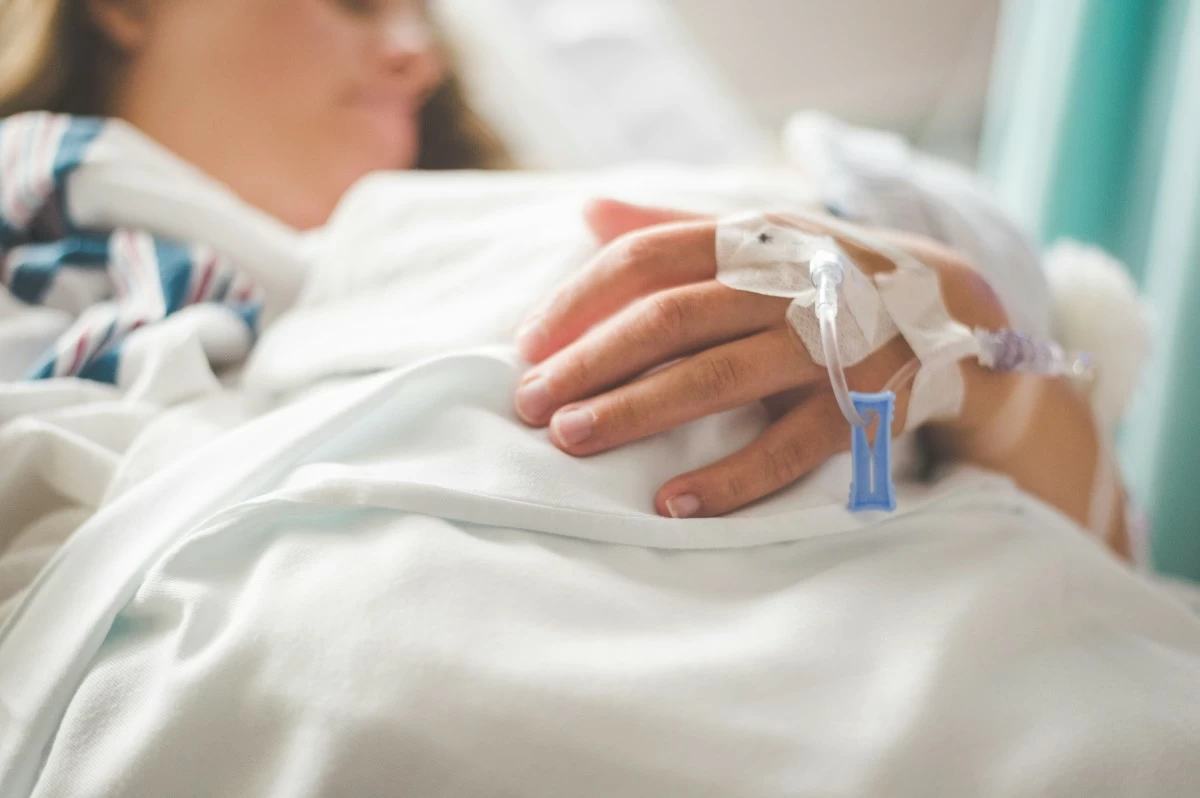
With the “zero balance billing” initiative, the government aims to eliminate catastrophic health spending—especially for the poor and marginalized. (Photo from Unsplash)
Healthcare-related expenses remain a major cause of debt and poverty among Filipinos.
As part of the government’s push for universal healthcare, the Department of Health (DOH) implements the “zero balance billing” policy—a program that aims to provide completely free hospitalization for patients admitted under basic accommodation in DOH-run hospitals.
During his fourth State of the Nation Address (SONA) on July 28, President Marcos announced that patients receiving basic care in DOH hospitals will now enjoy zero-balance billing—meaning they are no longer required to pay out-of-pocket for eligible medical services.
“Itinuloy na po natin ang zero balance billing. Libre po,” the President said, emphasizing that charges for basic accommodation and medical services at DOH-run hospitals are now fully covered.
“Ibig sabihin, ang serbisyo sa basic accommodation sa ating mga DOH hospital, wala nang babayaran ang pasyente dahil bayad na ang bill ninyo (This means that patients will no longer pay for basic accommodation services in our DOH hospitals—their bills are already covered),” he added.
In addition to existing Philippine Health Insurance Corporation (PhilHealth) benefits, the expanded coverage is made possible through the Medical Assistance to Indigent and Financially Incapacitated Patients (MAIFIP) program—in partnership with other agencies—and through direct allocations to DOH hospitals.
“Uulitin ko, wala nang kailangang bayaran ang pasyente basta sa DOH hospital dahil bayad na po ang bill ninyo (Let me repeat: patients no longer need to pay in DOH hospitals—their bills are already settled),” he reiterated.
What is ‘zero balance billing’?
“Zero balance billing” means that qualified patients should not pay anything out of pocket when confined in DOH hospitals—as long as they are admitted under basic accommodation.
This may include charges for room and board, doctors’ fees, diagnostic tests, surgery, and medicines which are also part of PhilHealth’s coverage.
The policy is part of the broader Universal Health Care (UHC) Law, which mandates equal access to quality health services without financial hardship.
Since 2011, PhilHealth has implemented the No Balance Billing (NBB) policy to assist financially vulnerable patients. Under this policy, indigent patients confined in government hospitals are assured they will not be charged beyond the coverage provided by the PhilHealth package.
Who is covered?
“Zero balance billing” applies to patients admitted to DOH-managed hospitals who opt for basic (ward-type) accommodation.
These patients are entitled to receive essential inpatient services without paying out of pocket—including room charges, medicines, laboratory tests, and doctors’ professional fees.
However, coverage excludes private hospitals, patients who choose private rooms, and those undergoing elective procedures.
The four specialized hospitals run by government-owned and controlled corporations (GOCCs)—the National Kidney and Transplant Institute, Lung Center of the Philippines, Philippine Heart Center, and Philippine Children’s Medical Center—are also not covered, although they may offer separate benefits through PhilHealth or other assistance programs.
Speaking at a post-SONA forum, DOH Secretary Teodoro Herbosa clarified that the policy covers individuals confined in “basic accommodation” rooms or wards under DOH-run medical facilities nationwide.
According to Herbosa, the “zero billing policy” will now apply to all patients admitted under basic accommodation—but only in DOH-run hospitals.
He noted that the policy, previously available only to indigent patients, has now been expanded with the goal that all patients receiving treatment in basic accommodations under DOH hospitals will no longer pay a single centavo.
To qualify, Herbosa stressed that patients must choose “basic accommodation,” as this ensures full coverage of hospital expenses in DOH-run facilities.
What does the policy cover?
Under “zero balance billing,” the following are covered: room and board charges; professional fees of doctors, nurses, and specialists; laboratory tests and imaging (e.g., X-ray, CT scan), under case rates; use of operating rooms and hospital equipment; and medicines and medical supplies available in the hospital.
DOH hospitals vs public hospitals
In his latest SONA, President Marcos was specific that the “zero balance billing” applies to “DOH hospitals” --- meaning not all public hospitals are expected to implement the policy.
While all DOH hospitals are public, not all public hospitals are DOH hospitals.
DOH hospitals are public facilities directly operated and funded by the Health Department. They are typically tertiary or regional medical centers—larger, better equipped, and capable of offering specialized and referral services. These hospitals are expected to implement DOH policies, like “zero balance billing,” more strictly.
Public hospitals, in general, include DOH hospitals, LGU hospitals (run by provincial, city, or municipal governments), military hospitals, and public university hospitals. All are government-funded and serve the public, often at low or no cost.
Bottom line
Even with the policy’s goals, challenges in implementation may still exist.
In principle, “zero balance billing” means the patient should not pay even a single centavo for covered services.
In reality, however, this ideal may not always be realized due to various factors and circumstances.
What “zero balance billing” should mean: 100 percent of medical costs are covered by PhilHealth and/or DOH subsidy; the patient leaves the hospital with a “zero” bill; and the policy applies to “all patients” in DOH-run hospitals.
What may sometimes happen: hospitals may run out of medicines or supplies, requiring patients to buy them elsewhere; some procedures or medications might not be fully covered by PhilHealth; patients are not always informed they are entitled to or eligible for the policy; and some hospitals may impose “necessary charges” due to underfunding or reimbursement delays.
While “zero balance billing” should mean zero payment from the patient, inconsistencies in implementation may still result in out-of-pocket expenses—something DOH and PhilHealth must urgently address.
Other limitations
In a post-SONA discussion on July 29, Herbosa also clarified that Zero Balance Billing applies only to DOH hospitals—except the four GOCC-run institutions.
He explained that to avail of the policy, patients must be admitted to basic accommodation or ward-type beds in any of over 80 DOH hospitals nationwide.
“Basta na-admit kayo sa basic accommodation. Very important, piliin natin yung basic accommodation para wala na kayong babayaran sa DOH hospitals (As long as you’re admitted under basic accommodation. It’s very important that we choose basic accommodation so you won’t have to pay anything at DOH hospitals),” Herbosa said.
He stressed that “zero balance billing” does not apply to private hospitals, which continue to charge for rooms and doctors’ services.
“Basta 'wag lang kayo nasa private, kasi pag nagpunta ka sa private, may bayad yung doctor, may bayad yung room. Basta nasa basic accommodation ka ng DOH, bayad na ang bill mo (Just don’t go to a private facility, because if you go private, you’ll have to pay for the doctor and the room. As long as you’re in DOH basic accommodation, your bill is already covered),” he explained.