







Marcos gets tough; let's look forward to genuine change
Published Jul 30, 2025 12:05 am
|
Updated Jul 29, 2025 04:42 pm


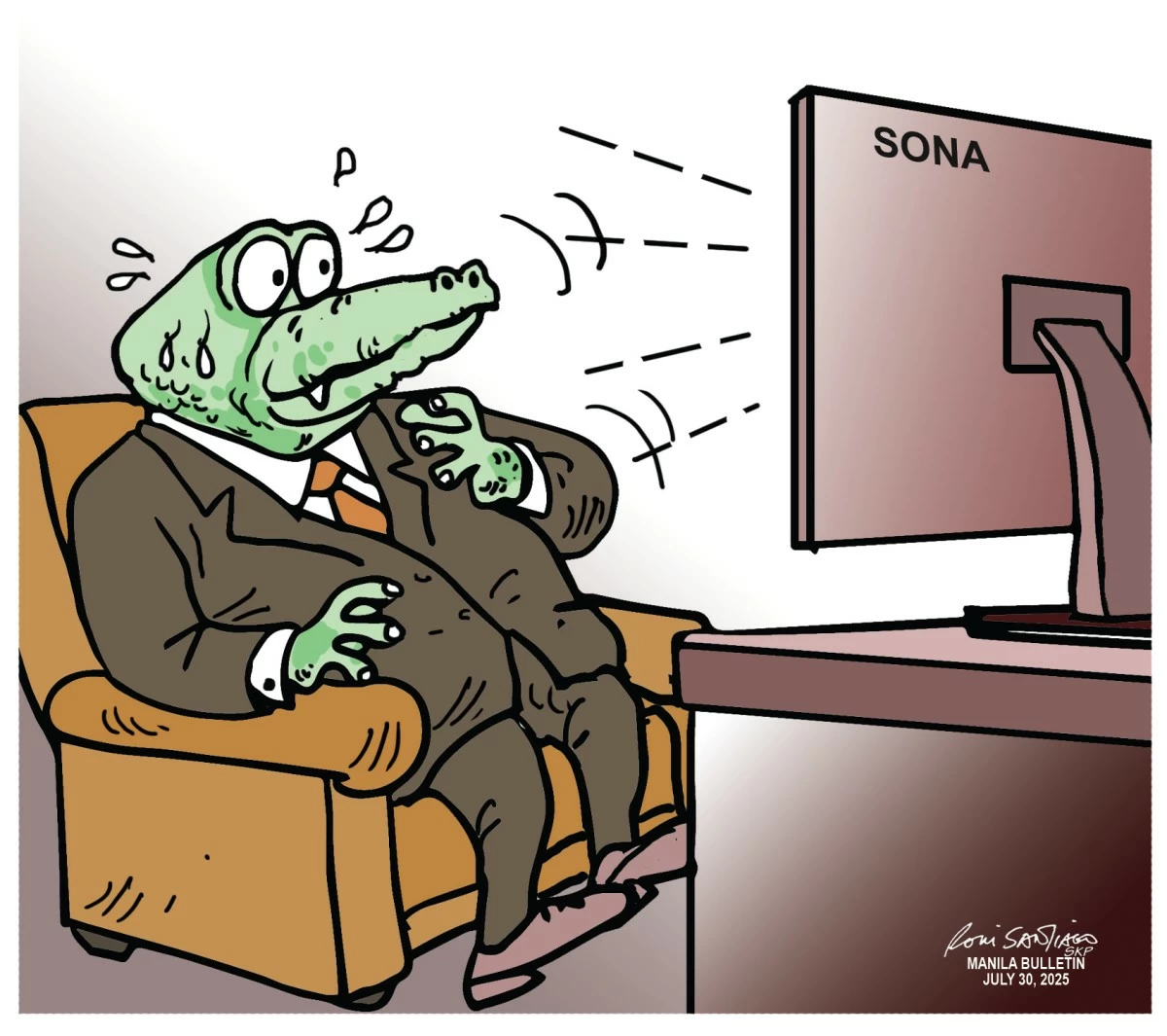
President Ferdinand Marcos Jr.’s fourth State of the Nation Address (SONA) was a show of strength and resolve, delivered under the weight of a bruising midterm election loss and the politically charged atmosphere of an impeachment backlash. The President, seemingly cornered, chose to double down rather than sulk. He vowed to crack the whip on corruption, decried fraudulent flood control projects, and condemned sweetheart water deals that reek of betrayal to the public trust. He promised a better future—better infrastructure, better services, better lives. But rhetoric, however impassioned, certainly does not equate to change. Promises, no matter how thunderous, are not policies. What happens next will define not only his presidency, but the lives of millions of Filipinos.
The speech was heavy with populist appeal—an emotional appeal to the frustrations of ordinary Filipinos. But the harder question remains: Will these promises materialize into tangible results that truly change the lives of Filipinos, the rich and the poor alike? Or will they be lost in the same quagmire of bureaucracy, inaction, and impunity that has long plagued the country’s governance?
If President Marcos is serious about delivering on his vow of toughness, he must wield the full weight of his office—not just as a cudgel against corruption, but as a lever for systemic reform. He has all the powers and resources at his disposal. A mere investigation into anomalous projects is not enough. What the country needs is institutional cleansing: no-nonsense audits, fast-tracked prosecutions, the dismantling of long-standing networks of political patronage, among others. Names must be named. Accountability must be swift, visible, and fair. The government’s anti-corruption efforts must go beyond symbolism; they must hurt where it matters—the pocketbooks or the financial interests, positions, and power.
Yet, he cannot—and should not—do it alone. The private sector, often a silent partner in public corruption, must be held to the same standard. Companies that benefit from bloated contracts and opaque deals must face scrutiny. The business community must do more than cheer economic growth—they must commit to ethical practices and transparent dealings. Corporate social responsibility must no longer be a buzzword. It must be an honest-to-goodness commitment that is practiced.
The Filipino people, too, must be more than spectators. We must be watchdogs, whistleblowers, and warriors for truth. We must demand performance, not platitudes. The price of democracy is vigilance, and now more than ever, the citizenry must rise above cynicism and reclaim its power. Participatory governance—through community consultations, transparency portals, and civil society partnerships—must be central to this administration’s roadmap. Otherwise, the power gap between those who promise and those who suffer will only widen.
Marcos has the political capital, the resources, and the institutional tools to act boldly. But he must break from the shadow of past impunity and forge a new narrative—one where the government serves, not exploits. Where infrastructure means more than roads to nowhere. Where flood control is not just a contract to be awarded, but a shield for vulnerable communities. Where public service is not just a line in a speech, but a daily commitment.
This is his moment—not just to talk tough, but to lead with purpose and moral certainty.
Without action, his SONA will be just another entry in the long list of grand speeches that only raised hopes but delivered nothing. But if Marcos dares to deliver, to truly translate words into change in the last three years of his watch, then this nation may finally rise—not on promises, but on genuine progress.