






Manila Bulletin
 Philippines
National
Marcos draws praise from majority, minority solons as they reflect on SONA
Philippines
National
Marcos draws praise from majority, minority solons as they reflect on SONA
Philippines
National
Marcos draws praise from majority, minority solons as they reflect on SONA
Marcos draws praise from majority, minority solons as they reflect on SONA
Published Jul 30, 2025 11:23 am


At A Glance
- Members of both the majority and minority blocs in the House of Representatives have found something to like in President Marcos' State of the Nation Address (SONA) last Monday, July 28.
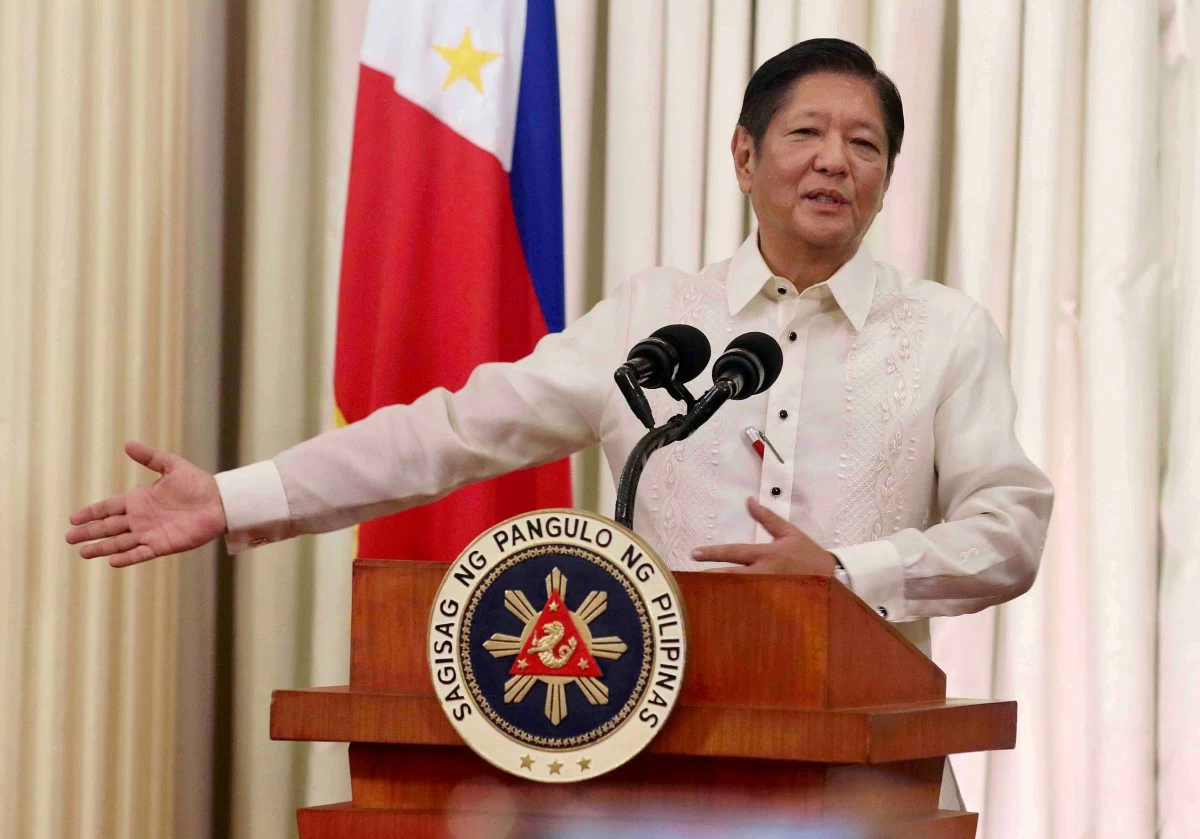
President Ferdinand "Bongbong" Marcos Jr. (Mark Balmores/ MANILA BULLETIN)
Members of both the majority and minority blocs in the House of Representatives have found something to like in President Marcos' State of the Nation Address (SONA) last Monday, July 28.
In the case of Deputy Speaker Iloilo 1st district Rep. Janette Garin, she liked all 71 minutes of it, and described it as Marcos "best SONA to date".
“Puro naman magagaling at okay ang [mga] nakaraan [niyang talumpati] pero ngayon, mas tinumbok niya ‘yung direksyon, ‘yung unity at the same time [binanggit din niya na] hindi dapat mawala ang accountability,” the lady lawmaker said in a radio interview after the SONA.
(His previous speeches have all been good and okay, but this time, he really nailed the direction, emphasizing unity while also saying that accountability should never be lost.)
“That's a very strong message," said Garin, who welcomed the President’s emphasis on key priorities such as education, healthcare, internet connectivity in schools, water and electricity security, transportation, and agriculture.
"Makikita natin ang direksyon ng 20th Congress ay magsama-sama. Huwag mag-away-away dahil importante sa amin ay trabaho sa unang araw ng pagbukas ng Kongreso (We can see that the direction of the 20th Congress is toward unity. Let’s avoid infighting, because what’s important to us is getting to work from day one), because we owe it to our people to be working as a collegial body; responsive to every need that they will require from us," added the majority solon.
A member of the minority, Bagong Henerasyon (BH) Party-list Rep. Robert Nazal, welcomed President Marcos' declaration to address long-standing gaps in agriculture, technical-vocational education, healthcare, water regulation and digital connectivity.
Nazal said the President’s vow to support Filipino farmers and to go after abusive rice traders and cartels was a necessary step toward improving food security and rural livelihoods. “In terms of agriculture, I heard a strong message from the President to support our farmers and hold abusers accountable."
He added: “As I see it, one of our biggest challenges is that the average age of Filipino farmers is now 58 or 59. If we don’t incentivize the youth to enter farming, we risk losing the very people who produce our food.”
Nazal also praised the Chief Executive's announcement of new incentives and free training programs aimed at developing modern farming methods and encouraging young Filipinos to pursue careers in agriculture.
“This is the kind of forward-looking policy that can revive our agricultural sector and secure long-term food sufficiency,” Nazal stressed.
Other majority solons Quezon City 5th district Rep. PM Vargas and Cavite 1st district Rep. Jolo Revilla also gave positive takes on President Marcos' speech.
So impressed and inspired was Vargas that he committed to champion legislation that echoes the President’s vision for the nation, specifically focusing on “Kabuhayan(Livelihood), Kalusugan (Health) at Edukasyon (Education)”.
“Sa temang ito iikot ang ating mga panukala ngayong ika-20 ng Kongreso (Our proposals in the 20th Congress will revolve around this theme)," he said.
Among the first wave off bills that Vargas filed are the Growth and Recovery for Micro, Small, and Medium Enterprises (MSMEs) (House Bill No.2271); Shared Service Facilities for MSMEs (HB No.2268), Financial Literacy in Schools Act (HB No.2270), Digital Public Libraries and Reading Centers Act (HB No.2264), and Last Mile Schools Act (HB No.2266).
These proposed measures directly respond to the President’s call during the SONA, such as bolstering the country’s education system, enhancing support to the youth sector, and ensuring greater access of MSMEs to institutional support and accessible business cost.
Meanwhile, Revilla hailed President Marcos for championing the full implementation of zero billing in government hospitals--one of the key social commitments reaffirmed in this year's SONA.
“The Zero Billing Policy is a vital pillar of social support — isang konkretong panata sa bawat pamilyang Pilipino na kailanman ay hindi na dapat mamroblema kung saan kukuha ng pambayad kapag may nagkasakit (A concrete pledge to every Filipino family that no one should ever have to worry about where to find money when a loved one falls ill),” Revilla said.
The Zero Billing Policy mandates that indigent and sponsored patients—especially those confined in ward-type accommodations—should not be charged any co-payment in Department of Health (DOH)-run hospitals. This initiative is grounded in Republic Act (RA) No. 11223 or the Universal Health Care (UHC) Law, which seeks to ensure that every Filipino has access to quality and affordable health services.
“As a lawmaker, I am proud to support a President who puts the welfare of our people first. This is a bold step toward a more inclusive and caring healthcare system—isang Bagong Pilipinas na tunay na may malasakit sa mamamayan,” he added.