







Review: Mitsubishi Triton Athlete
The rally-bred truck for everyday duty
Published Jul 29, 2025 05:43 pm


At A Glance
- The all-new Mitsubishi Triton Athlete remains fresh well into 2025, marking a bold step forward for Mitsubishi Motors by blending heritage with innovation in its latest midsize pickup. This sixth-generation pickup has matured into a more refined, capable, and distinctive contender in the fiercely competitive pickup segment.
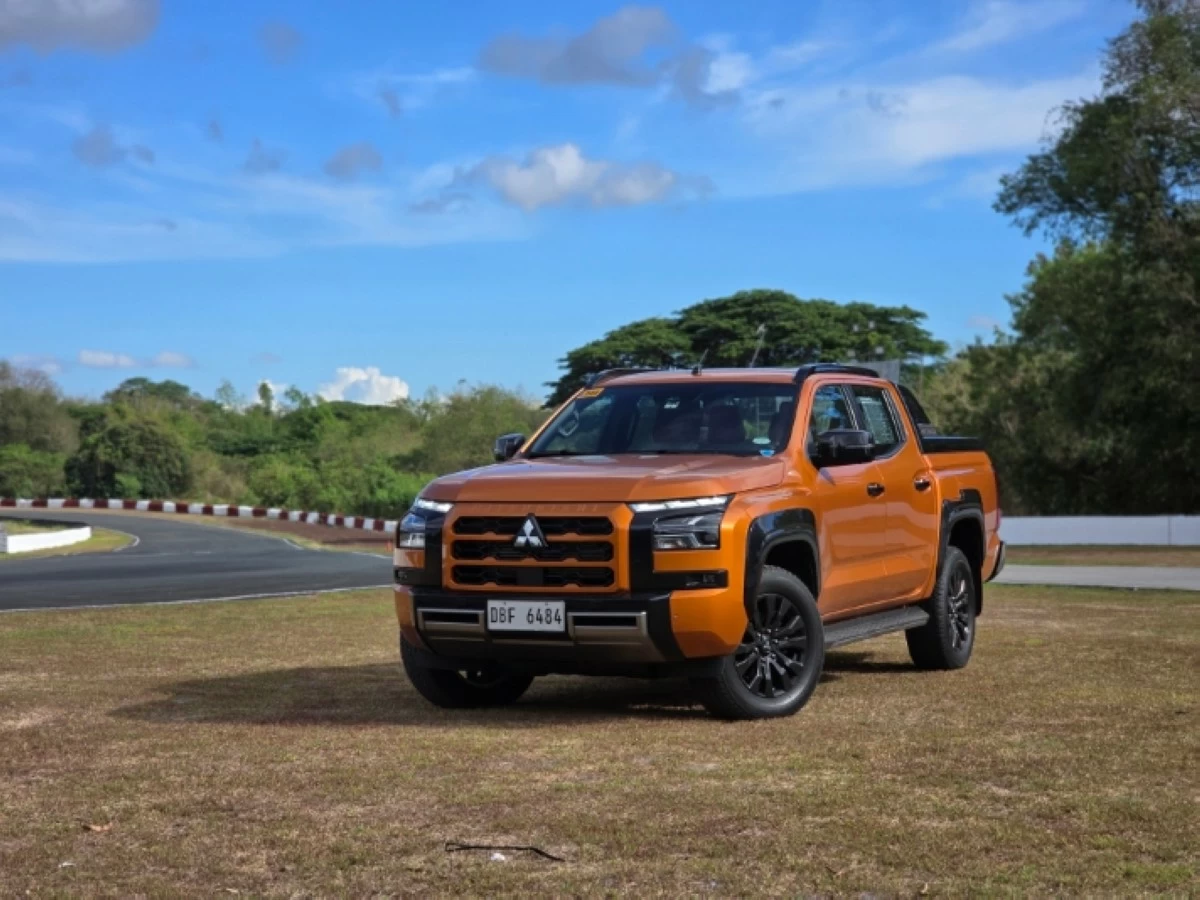
The all-new Mitsubishi Triton Athlete remains fresh well into 2025, marking a bold step forward for Mitsubishi Motors by blending heritage with innovation in its latest midsize pickup. Having driven the range-topping 4WD Athlete variant across a mix of highways, provincial roads, and light off-road terrain, it's clear that this sixth-generation Triton has matured into a more refined, capable, and distinctive contender in the fiercely competitive pickup segment.
Design and aesthetics
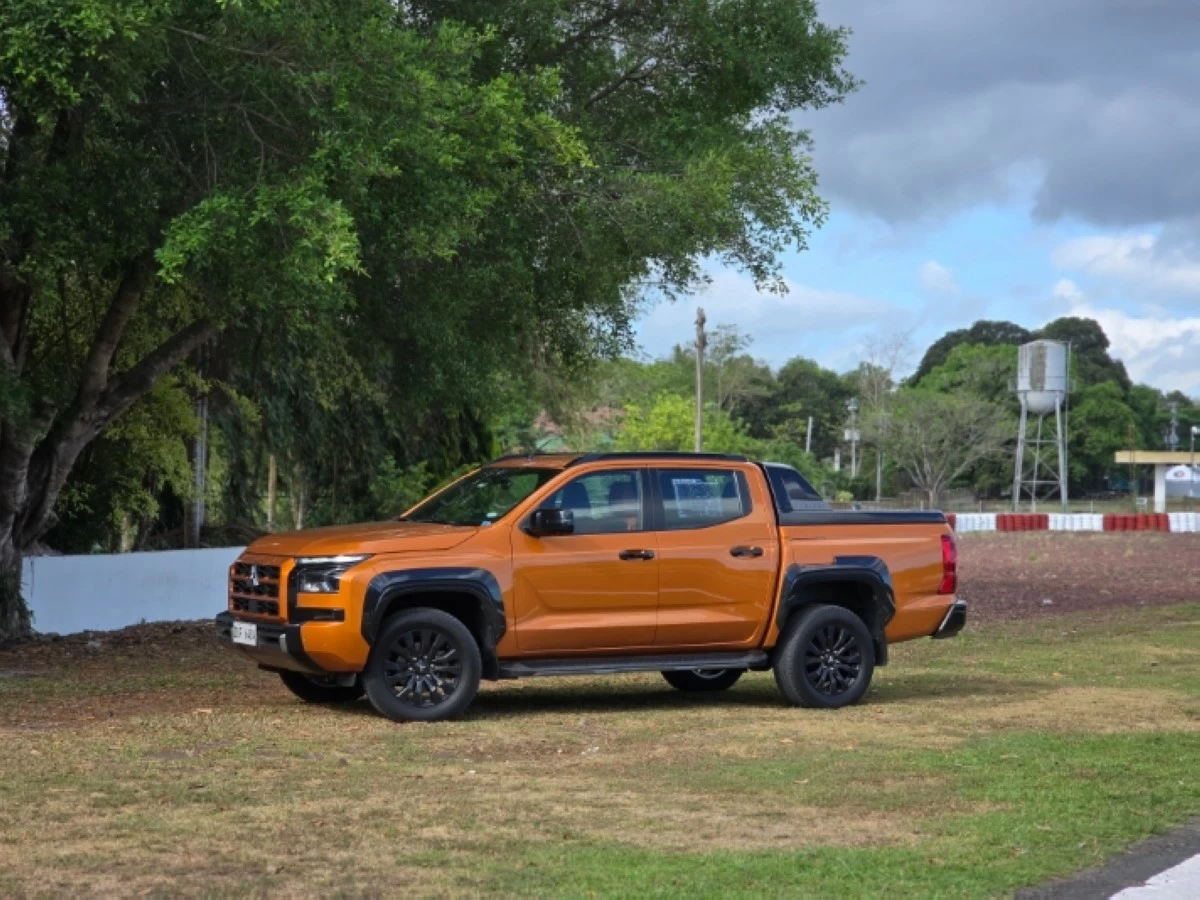
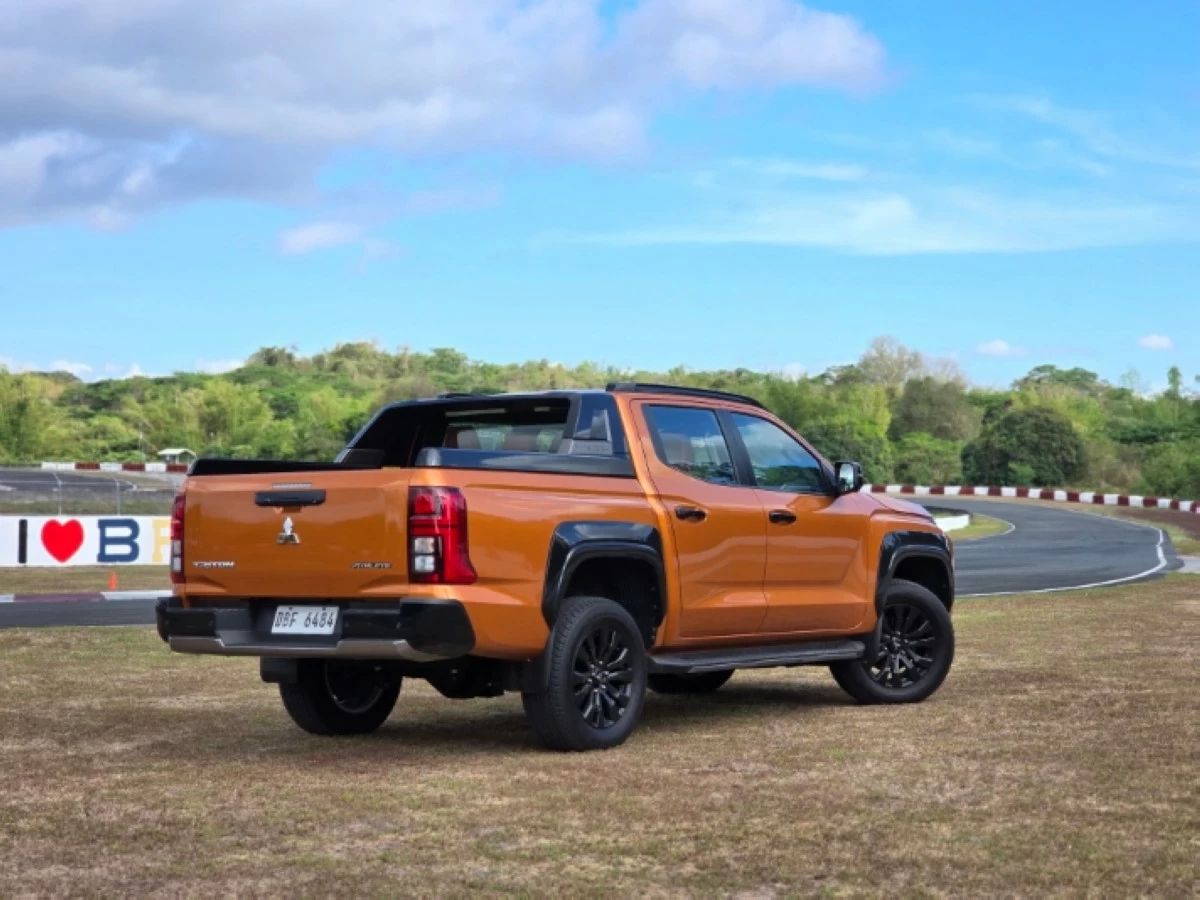
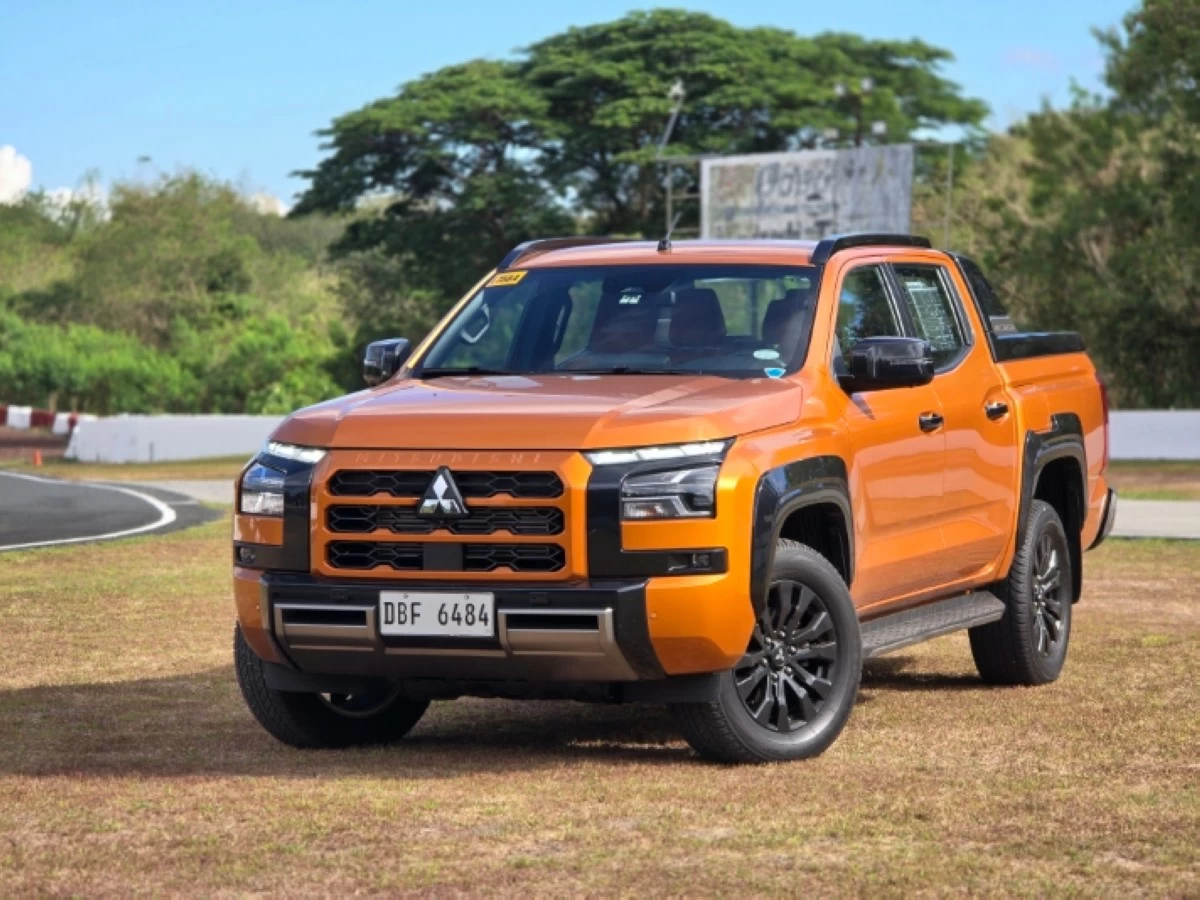
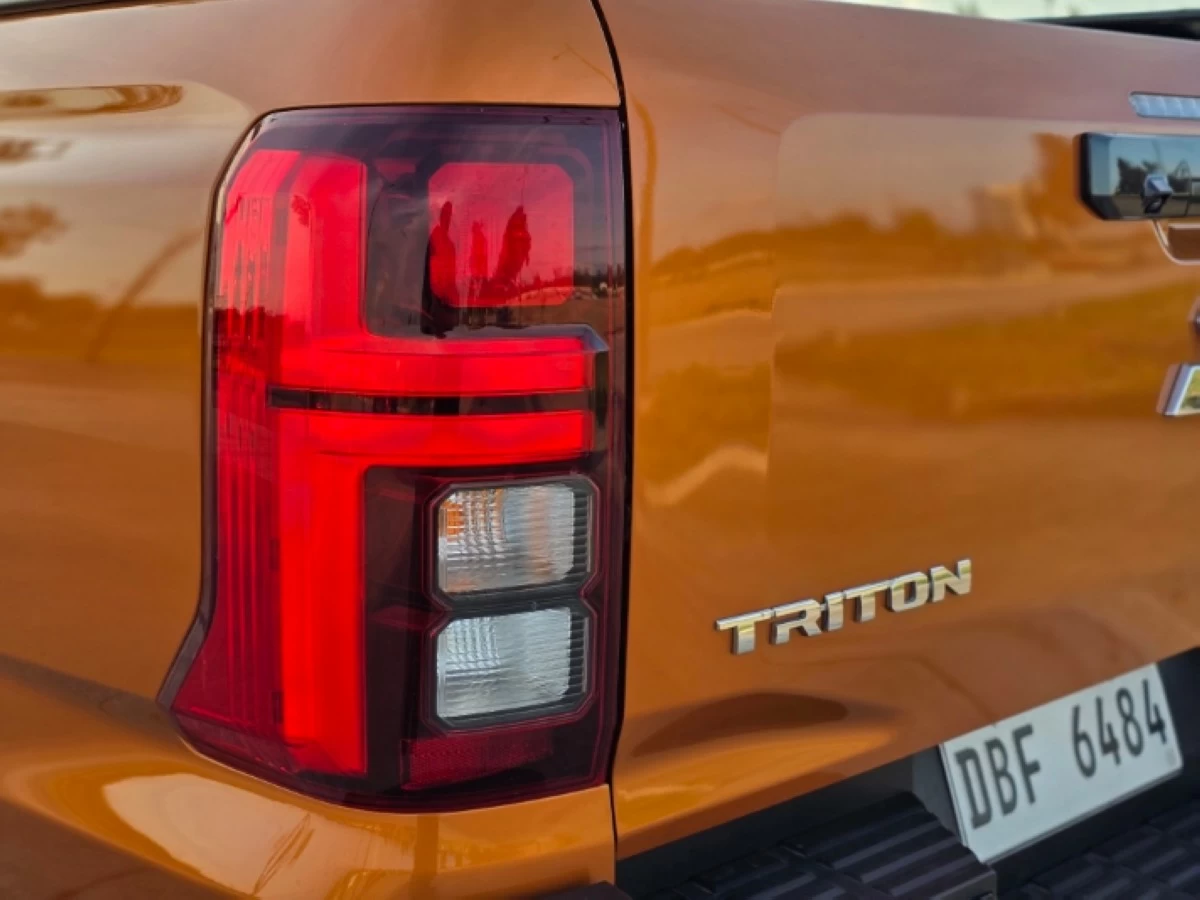
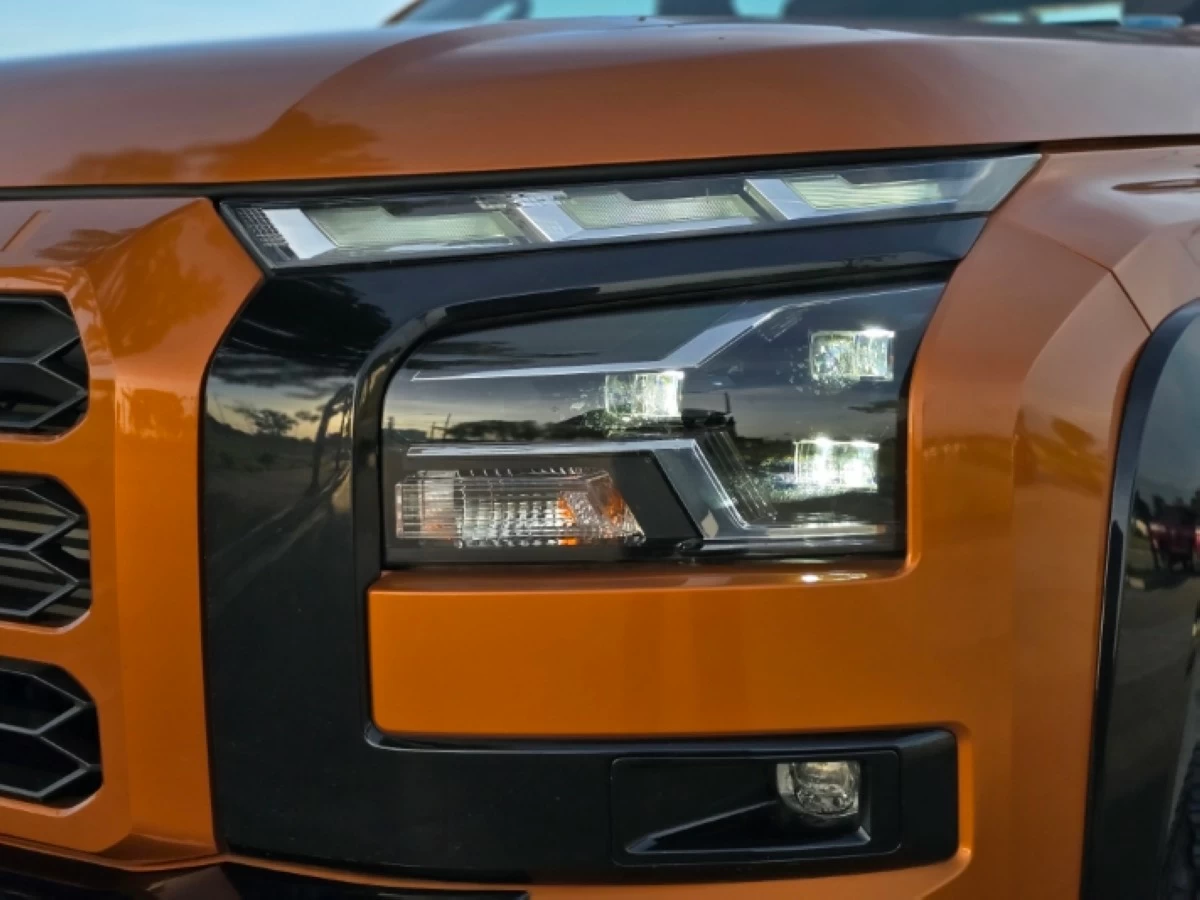
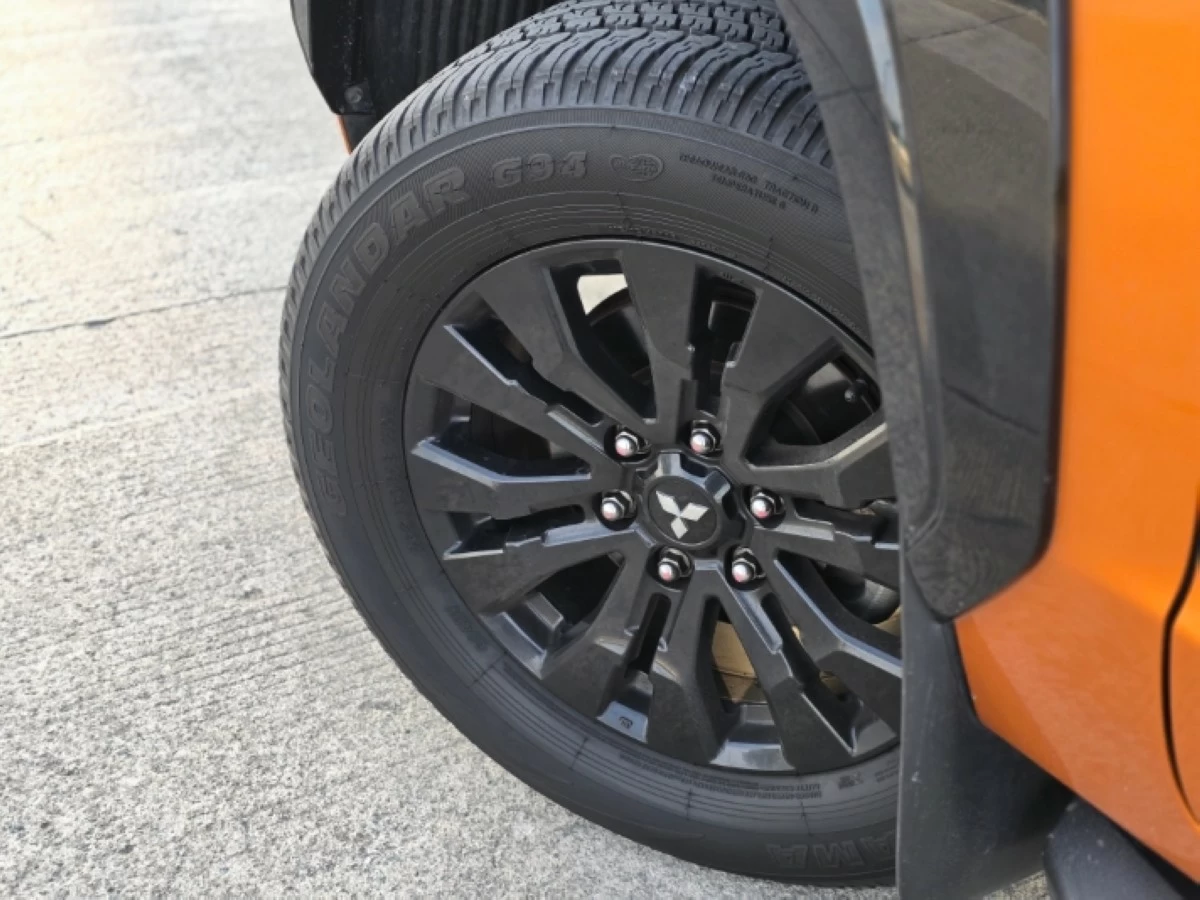
Mitsubishi may have faced financial challenges in the past decade, but its current resurgence owes much to a revitalized design language that brings renewed energy and visual strength to its lineup. In the Triton, Mitsubishi's "Beast Mode" design language has evolved into more than just a marketing catchphrase. It features an aggressive front fascia defined by a wide grille, geometric LED lighting components, and muscular fender flares. The Athlete trim is distinguished by blacked-out exterior accents, 18-inch black alloy wheels, a sports bar, and decals that add character. It feels wider and more planted than before, with a stronger road presence that allows it to stand shoulder to shoulder with its more popular rivals.
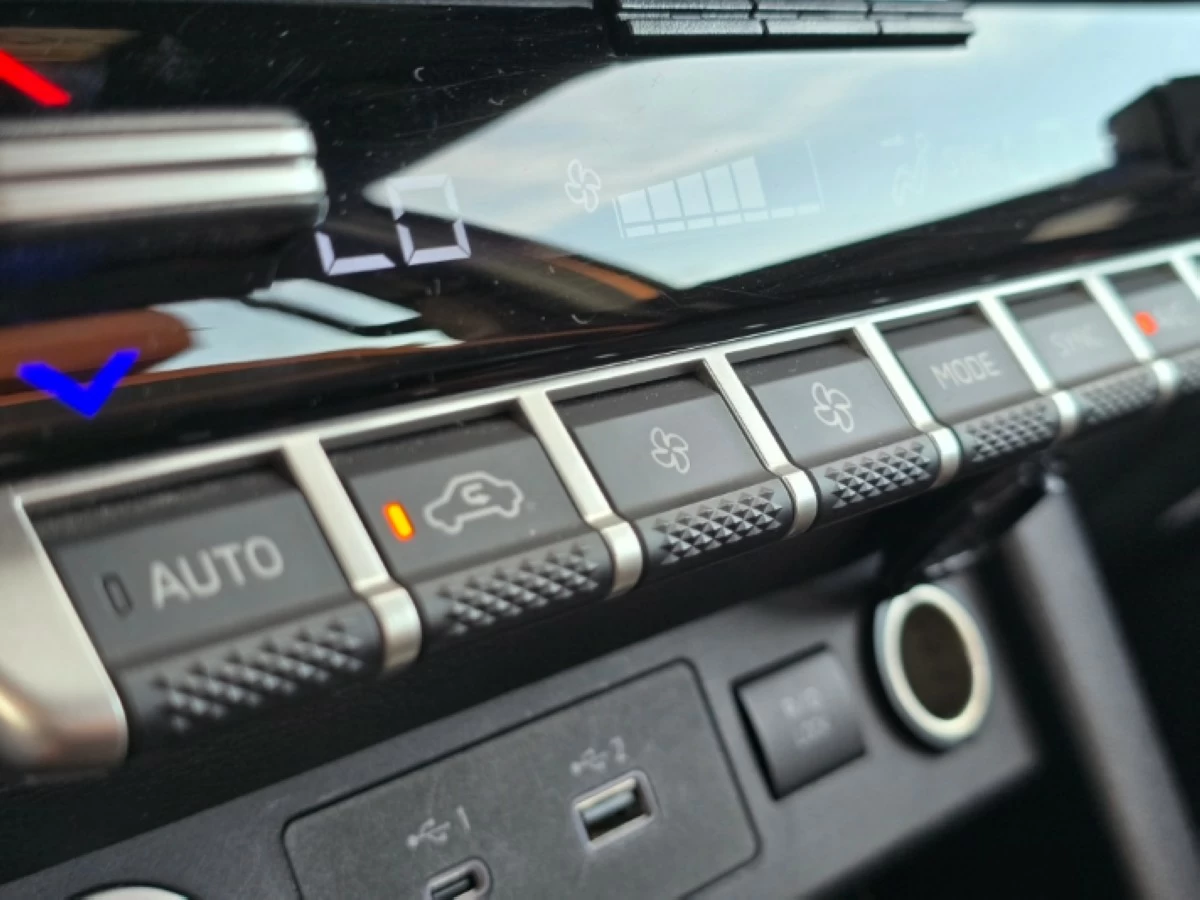
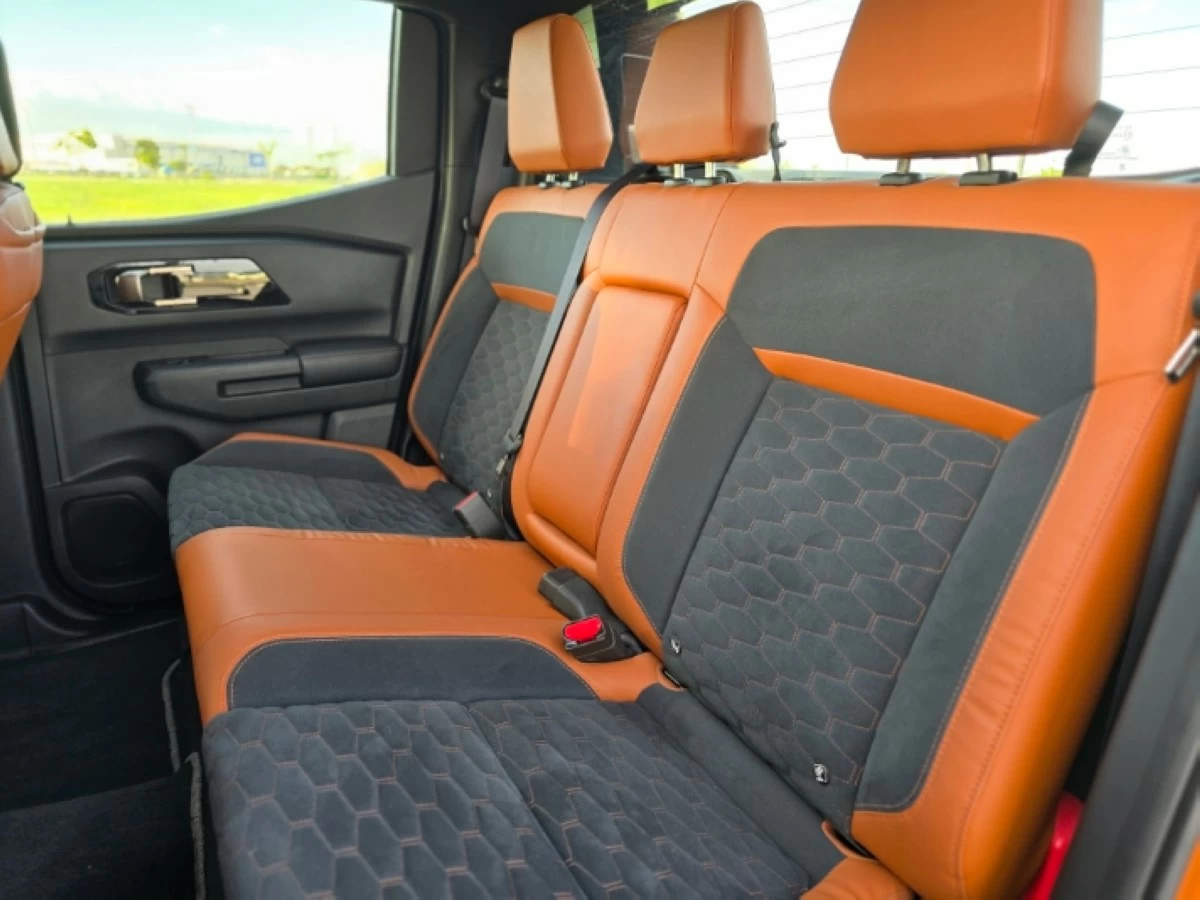
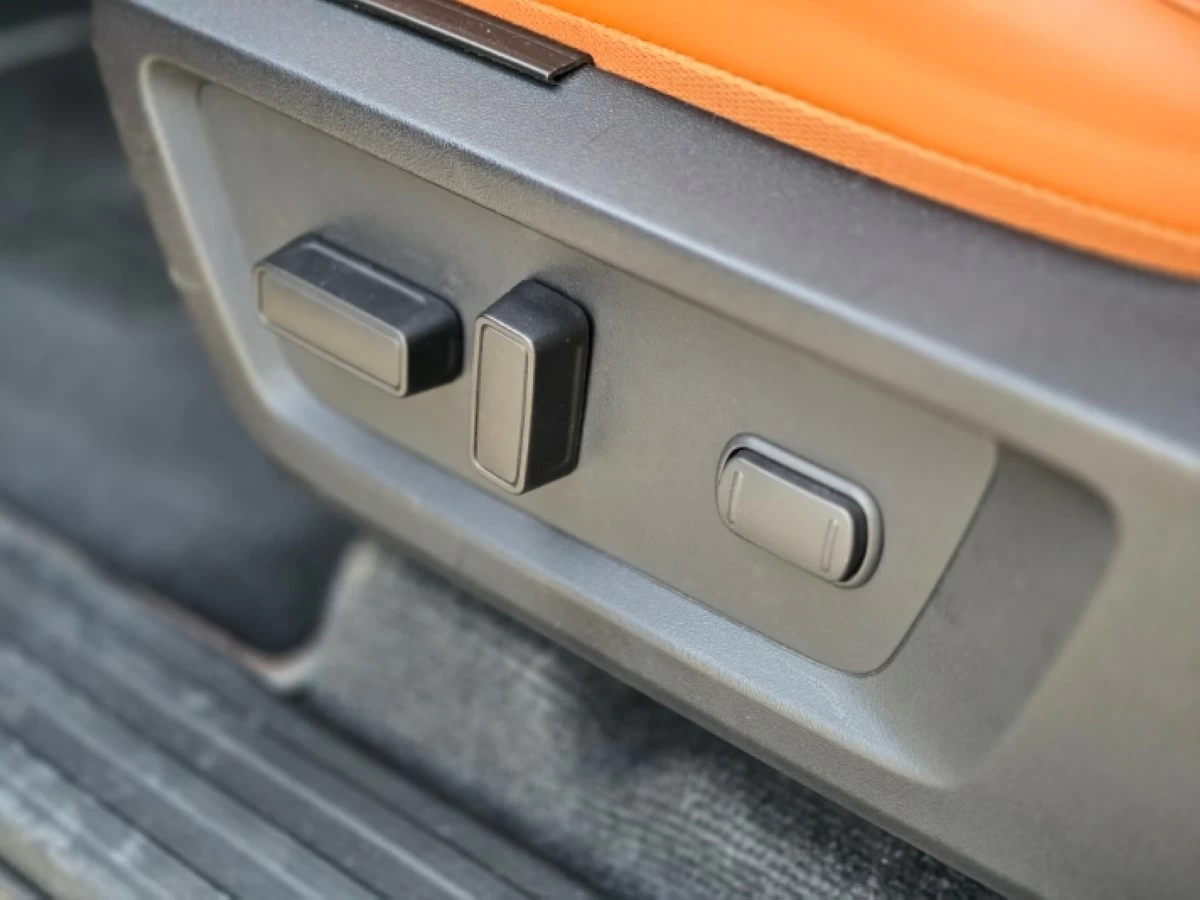
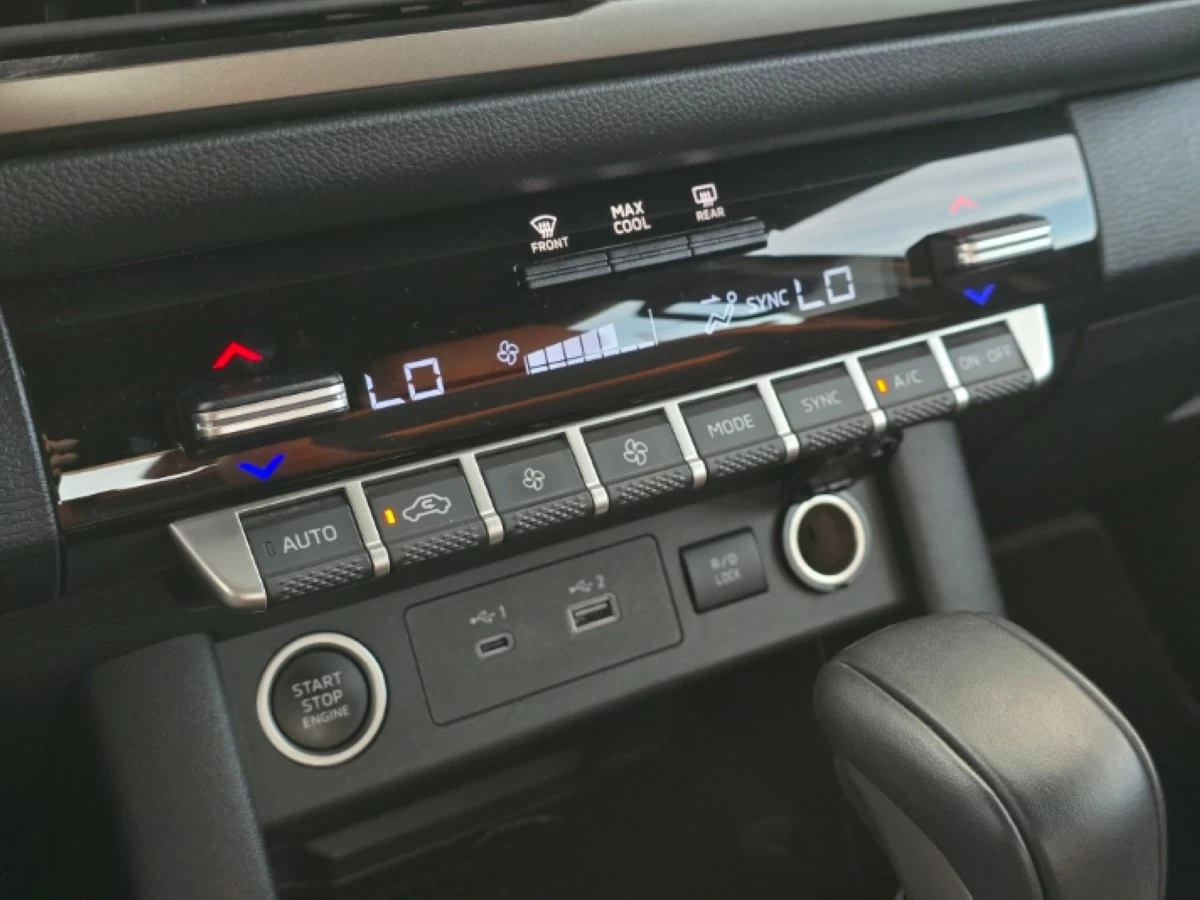
Inside, the Triton Athlete boasts orange contrast stitching and synthetic leather seats, giving the cabin a rugged yet slightly premium feel. While hard plastics remain, touchpoints like the steering wheel and gear lever have been upgraded. The new dashboard design is functional and upright, providing a clear view of controls while echoing the exterior's square-jawed theme. More importantly, the Triton's interior design team and I agree on one key point: physical switches are best.
Performance and handling
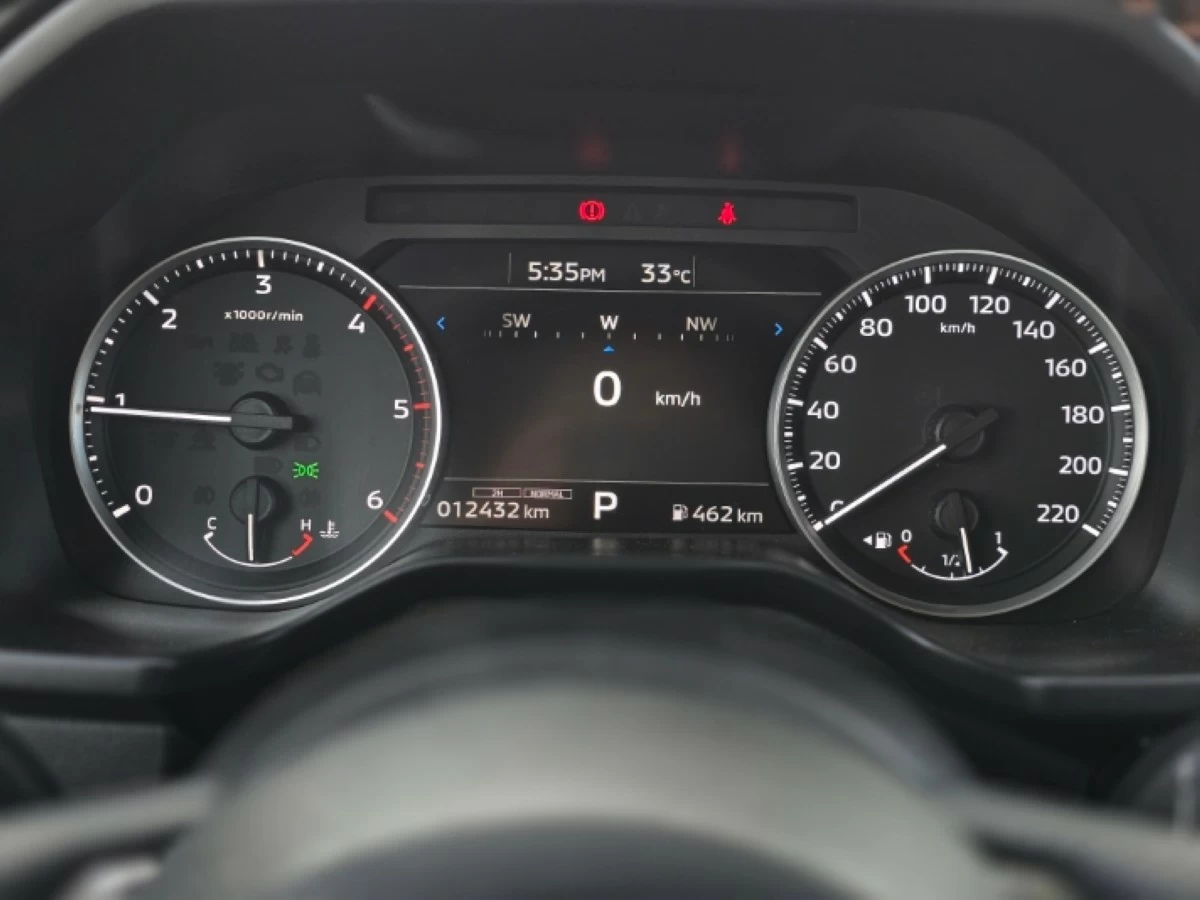
Power comes from the 4N16 2.4-liter bi-turbo diesel engine that produces 204-PS and 470-Nm of torque, 21 more PS and 40 more Nm compared to the single-turbo version found in other Triton variants. The powertrain is paired with a six-speed automatic transmission, and while some competitors boast more gears, the Triton maximizes its powerband with well-timed shifts and ample torque delivery at low revs. The Triton utilizes this power in a remarkably refined manner. Unless you've locked it in first gear and stomped on the throttle, there is little drama in how it moves from a standstill. Honestly, the smoothness of the Triton's dynamics is one of the features I appreciate most.
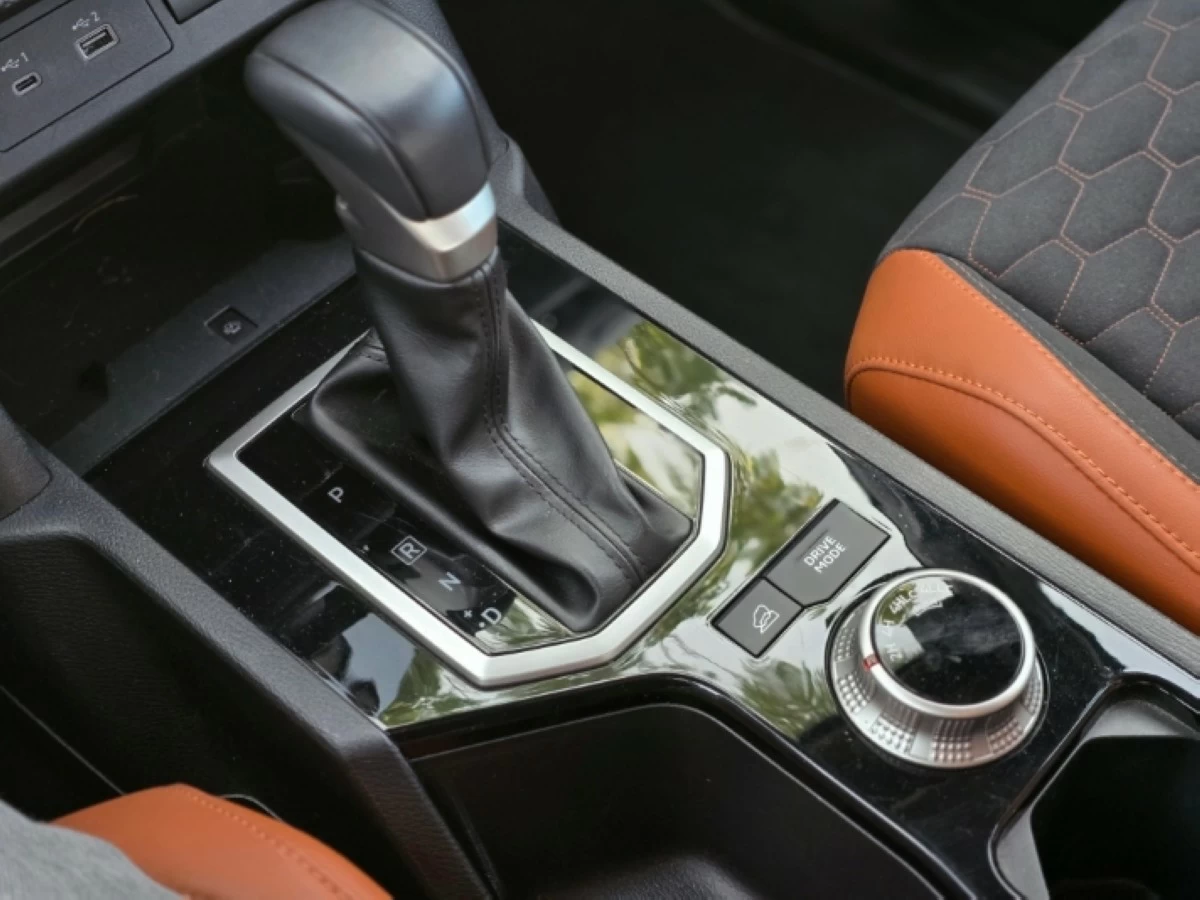
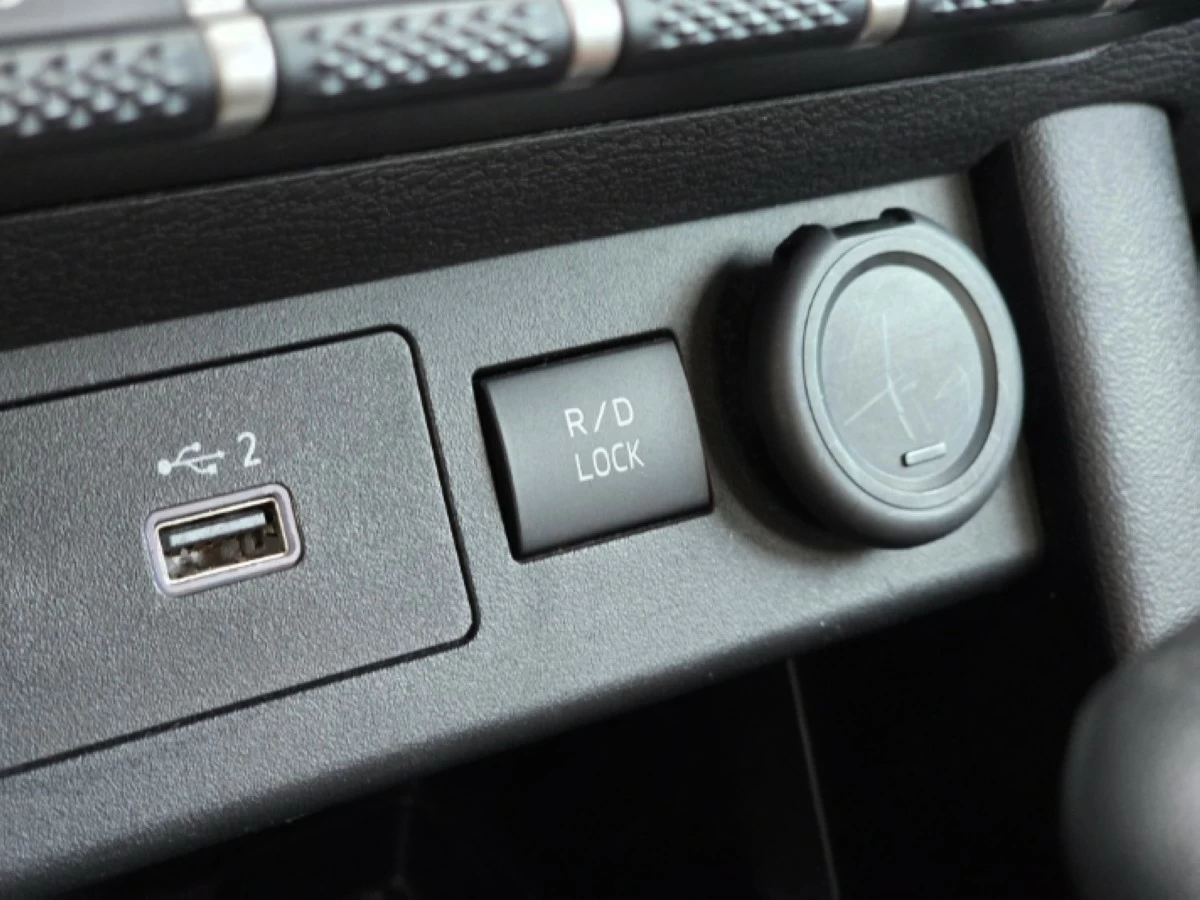
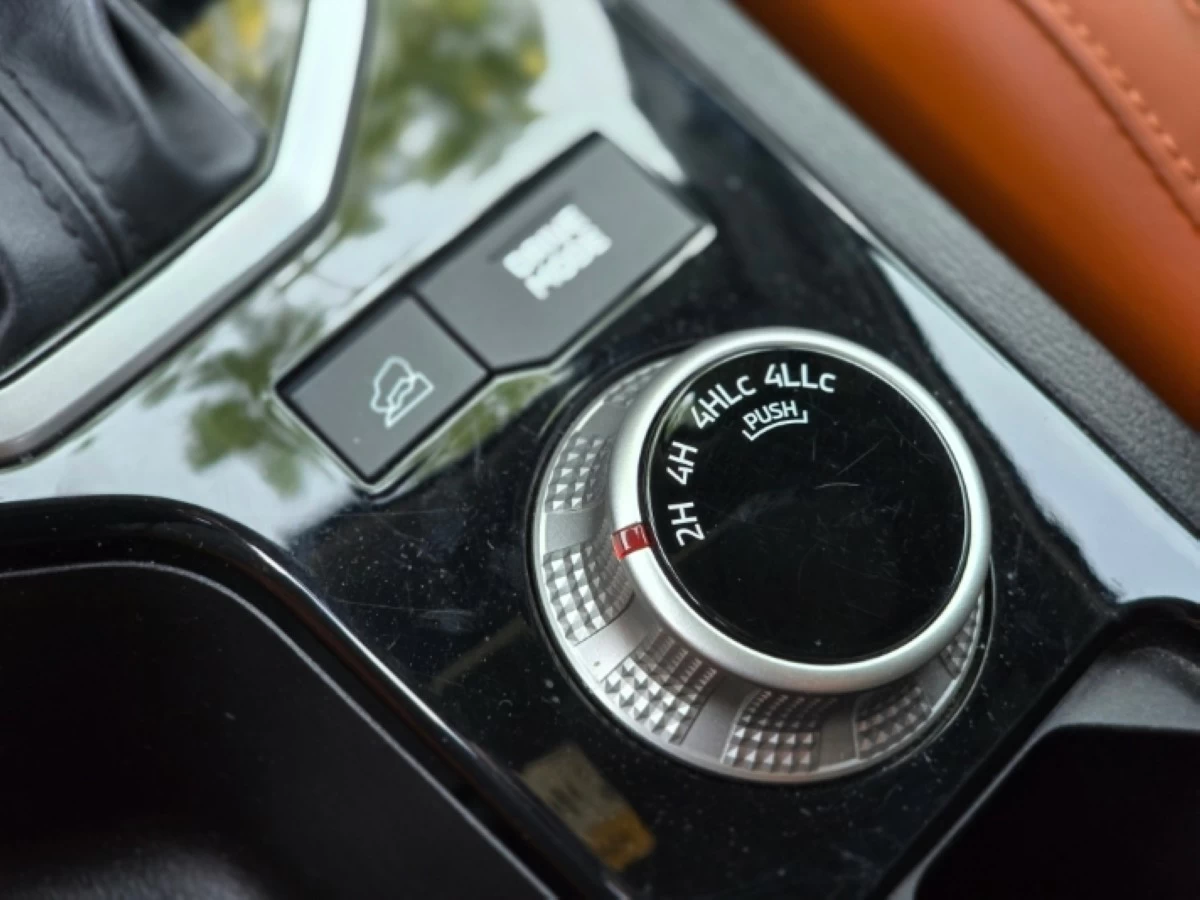
The improved ride quality also stands out, as the revised coil-sprung double wishbone front and leaf spring rear suspension setup is tuned for better damping. Whether unladen or loaded with gear, it absorbs imperfections far more effectively than the previous model and does a much better job of keeping my jiggly body bits at bay. Steering has also been recalibrated for better feel and weight, particularly during tight turns or highway cruising. On the road, it's composed and responsive. Off-road, Mitsubishi's Super Select 4WD-II system offers confident traction with a choice of 2H, 4H, 4HLc, and 4LLc. A lockable rear differential enhances grip further in low-traction scenarios. There are also seven selectable drive modes, including mud, rock, sand, snow, and a special mode for high-speed gravel.
It’s also worth noting that the Triton serves as the platform for Mitsubishi Motors’ works entry in the Asian Cross Country Rally Championship (AXCR). The Triton AXCR race truck, campaigned by Team Mitsubishi Ralliart and developed in partnership with TANT Sports and Two & Four Motor Sports, shares the same ladder-frame chassis and 2.4-liter bi-turbo engine as the production model. Its successful outings in grueling Southeast Asian terrain, including an overall victory in 2023 and a second-place finish in 2024, demonstrate the robustness and potential of the platform.
Technology and features
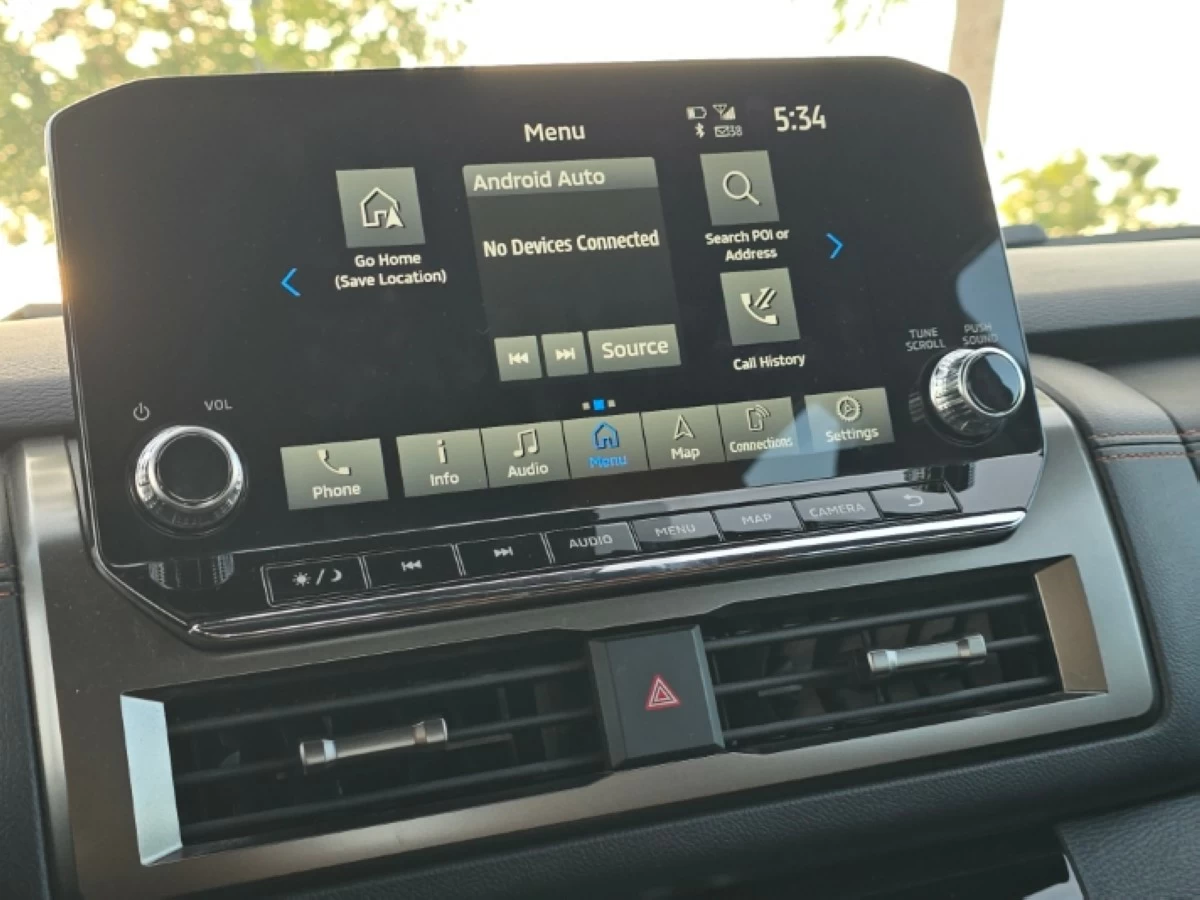
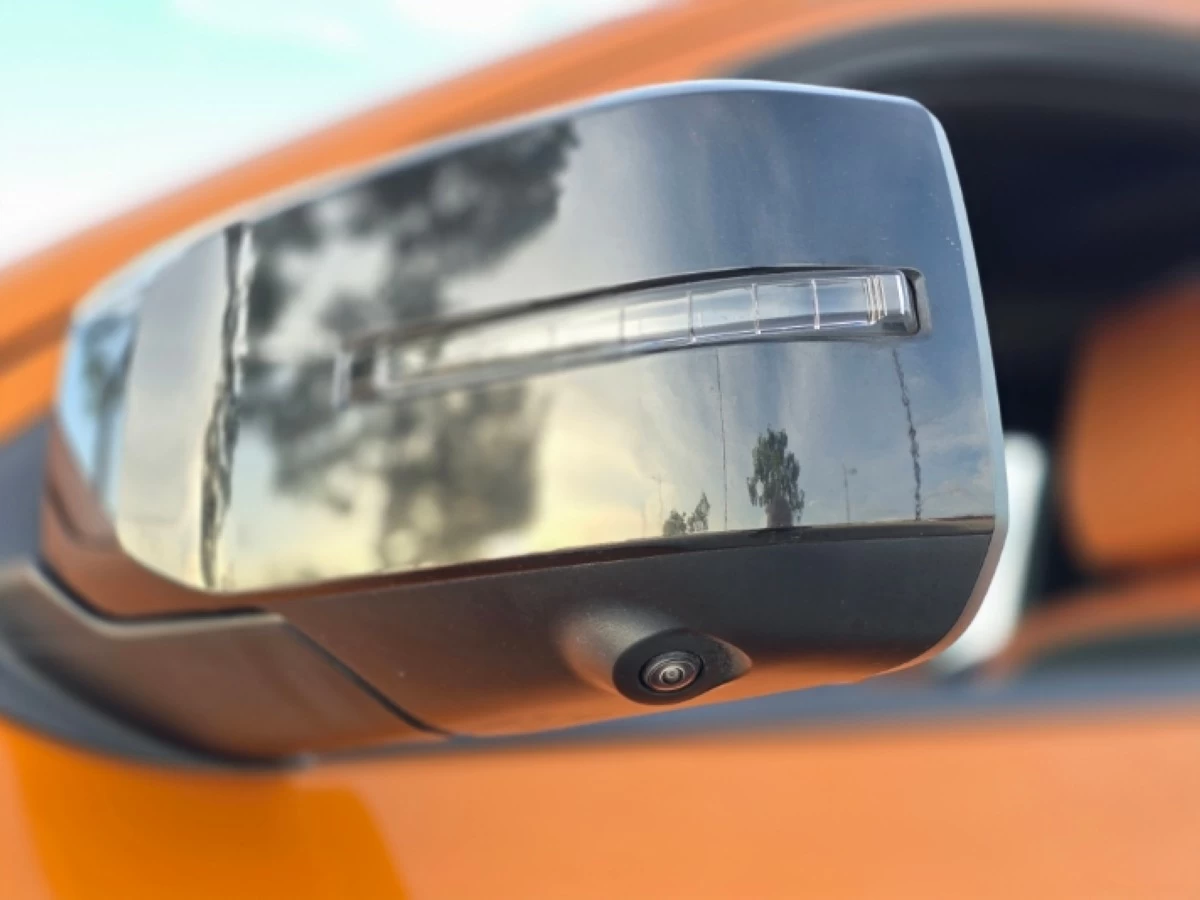
The Triton Athlete is equipped with an 8-inch touchscreen infotainment system featuring Apple CarPlay and Android Auto. The digital driver display adds a modern touch, while dual-zone automatic climate control, rear air vents, keyless entry with push-start, and a 360-degree camera system all enhance usability. Safety features include forward collision mitigation, blind spot warning, rear cross traffic alert, and seven airbags, making this one of the safer pickups in its class.
However, one glaring omission is the lack of adaptive cruise control. Despite its suite of active safety features, the Triton's cruise control system remains conventional. This places it slightly behind some rivals like the Ford Ranger and Toyota Hilux, which offer adaptive cruise control on higher trims.
Comfort and practicality
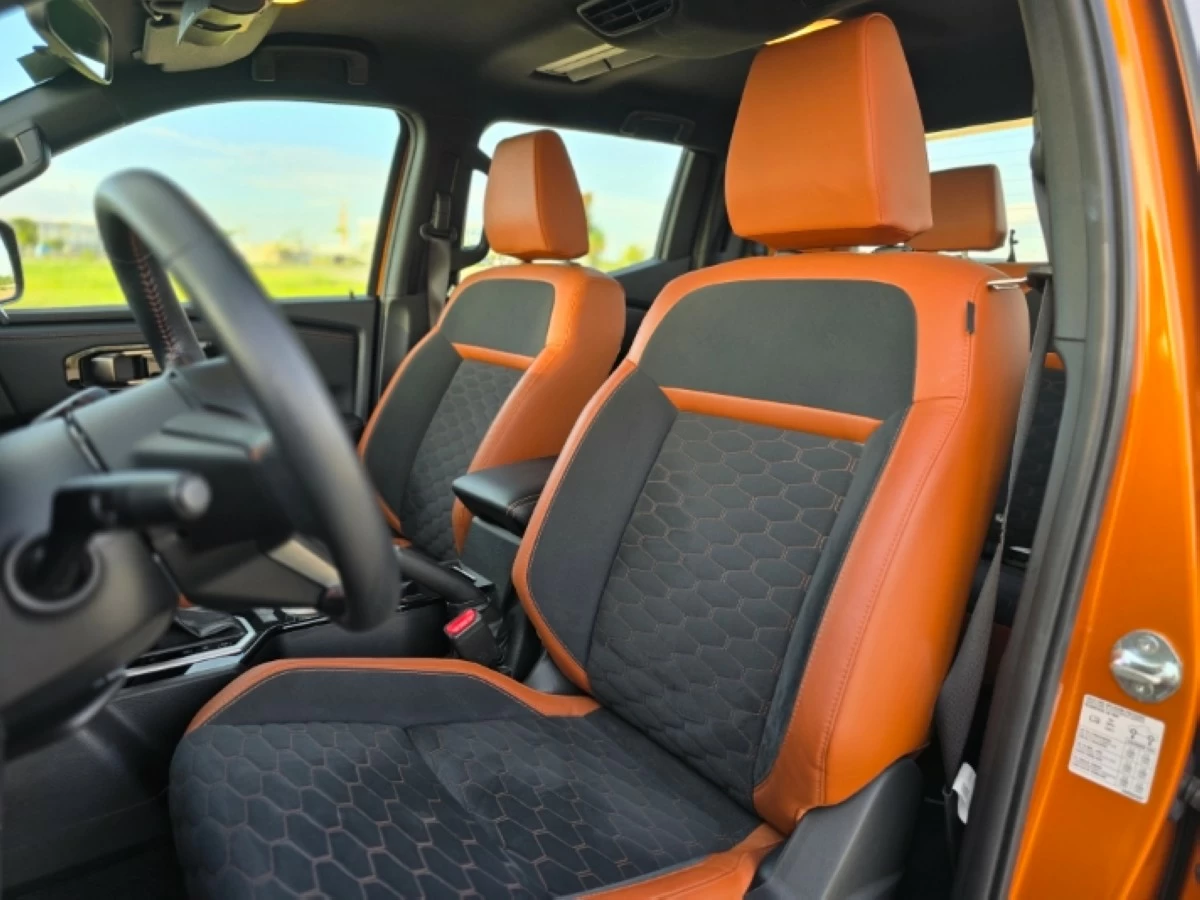
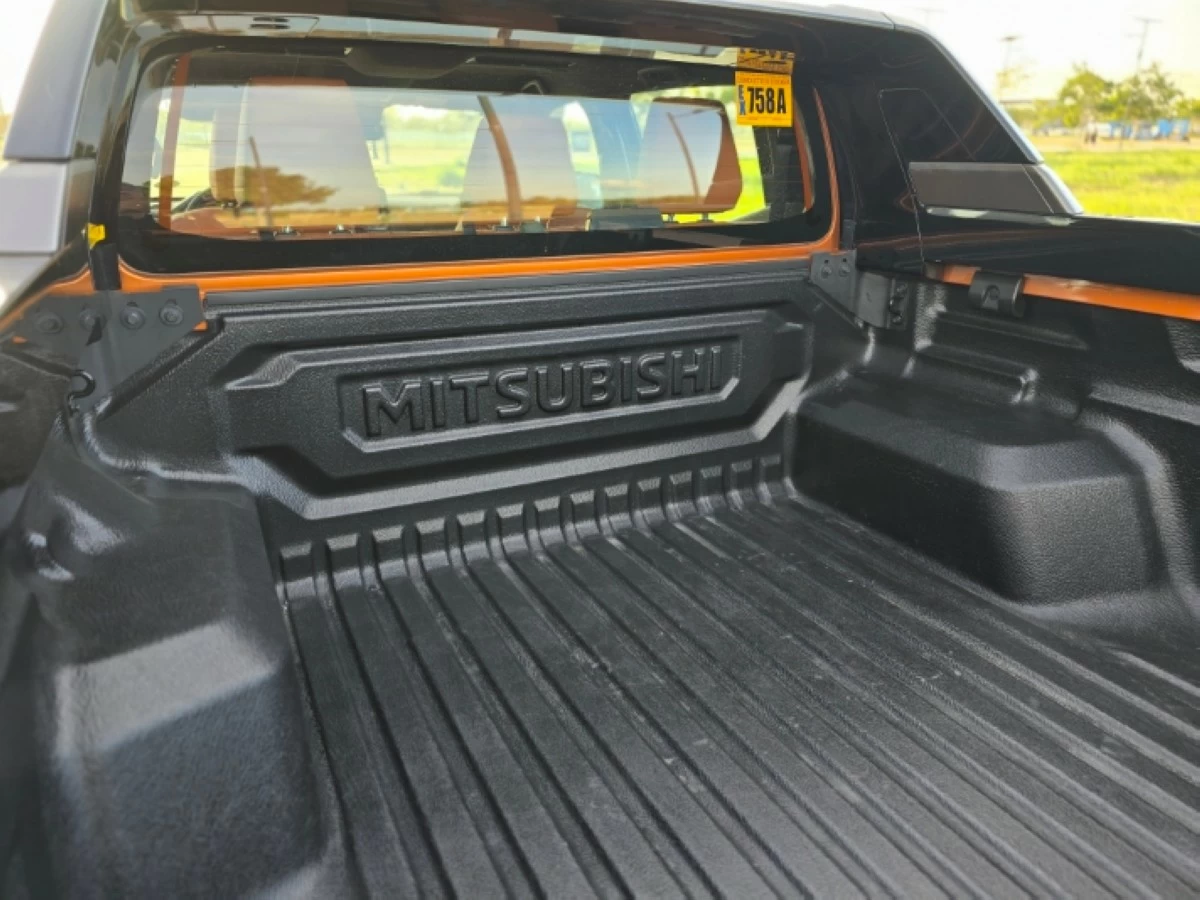
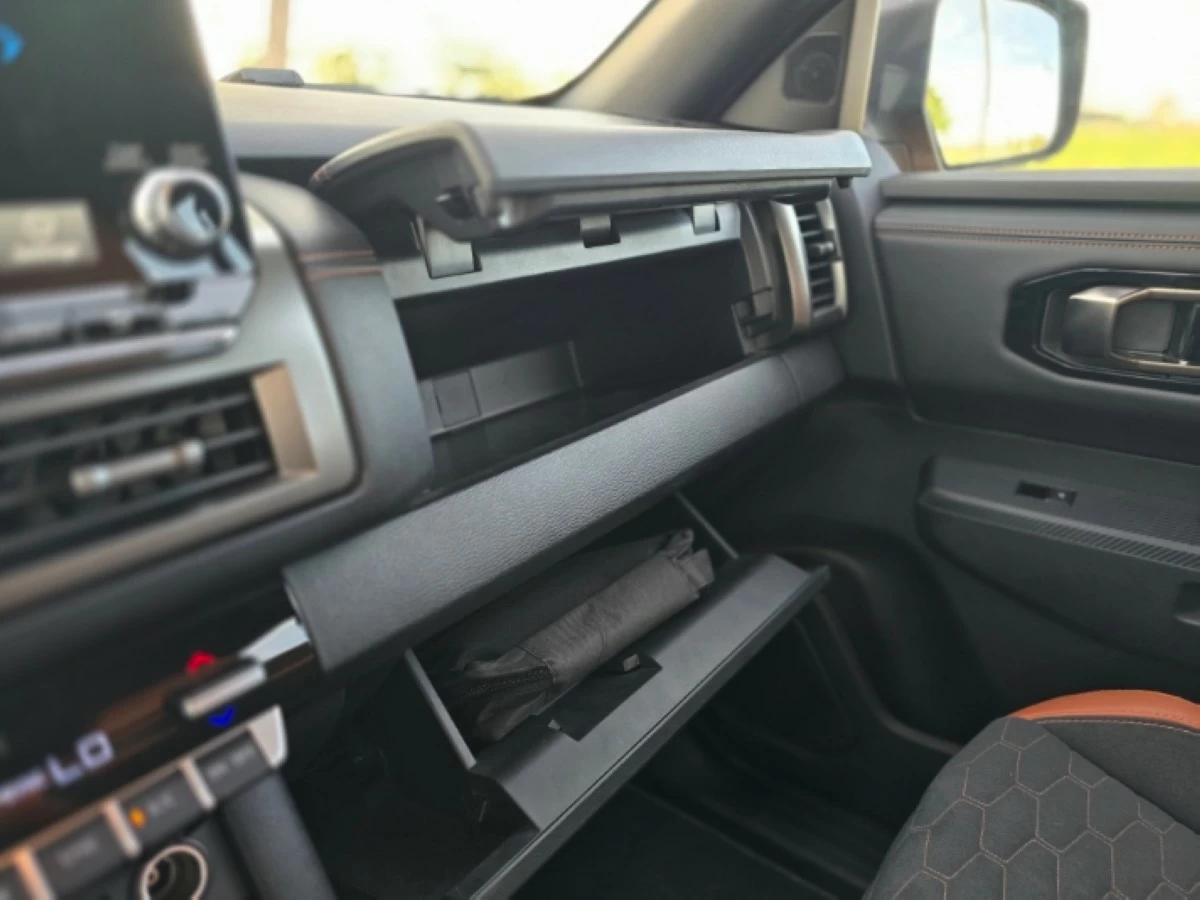
The cabin is roomier than before, especially in the second row, where passengers benefit from improved legroom, thigh support, and a backrest that is now slightly more reclined. This subtle adjustment contributes to enhanced comfort on longer drives. The cargo bed is marginally larger and features a soft-opening tailgate, while interior storage has been optimized with dual glove compartments, multiple cupholders, and large door bins. Cabin insulation has also improved, resulting in noticeably less engine and wind noise at cruising speeds.
Fuel efficiency and environmental impact
The Triton's engine complies with Euro 4 emission standards, and Mitsubishi claims better fuel economy than the previous Triton. During mixed-use driving over roughly 300 kilometers, our test unit delivered between 12 and 14 km/L. While not class-leading, this figure is respectable for a 4WD pickup of this size and output.
Verdict
The 2024 Mitsubishi Triton Athlete brings significant improvements in refinement, capability, and safety, finally placing it on equal footing with newer rivals. It is no longer just a dependable workhorse; it now has the looks, technology, and comfort to appeal to lifestyle-oriented buyers as well. For those who need a pickup that performs as well on the road as it does off it, without compromising on everyday usability, the Triton Athlete deserves serious consideration. Priced at ₱1,937,000, it offers strong value for buyers seeking a well-rounded, top-spec 4WD pickup.