






Manila Bulletin
 Business
Banking & Finance
Philippines faces up to ₱6-billion revenue loss from zero US tariffs
Business
Banking & Finance
Philippines faces up to ₱6-billion revenue loss from zero US tariffs
Business
Banking & Finance
Philippines faces up to ₱6-billion revenue loss from zero US tariffs
Philippines faces up to ₱6-billion revenue loss from zero US tariffs
By Derco Rosal
Published Jul 29, 2025 09:03 pm


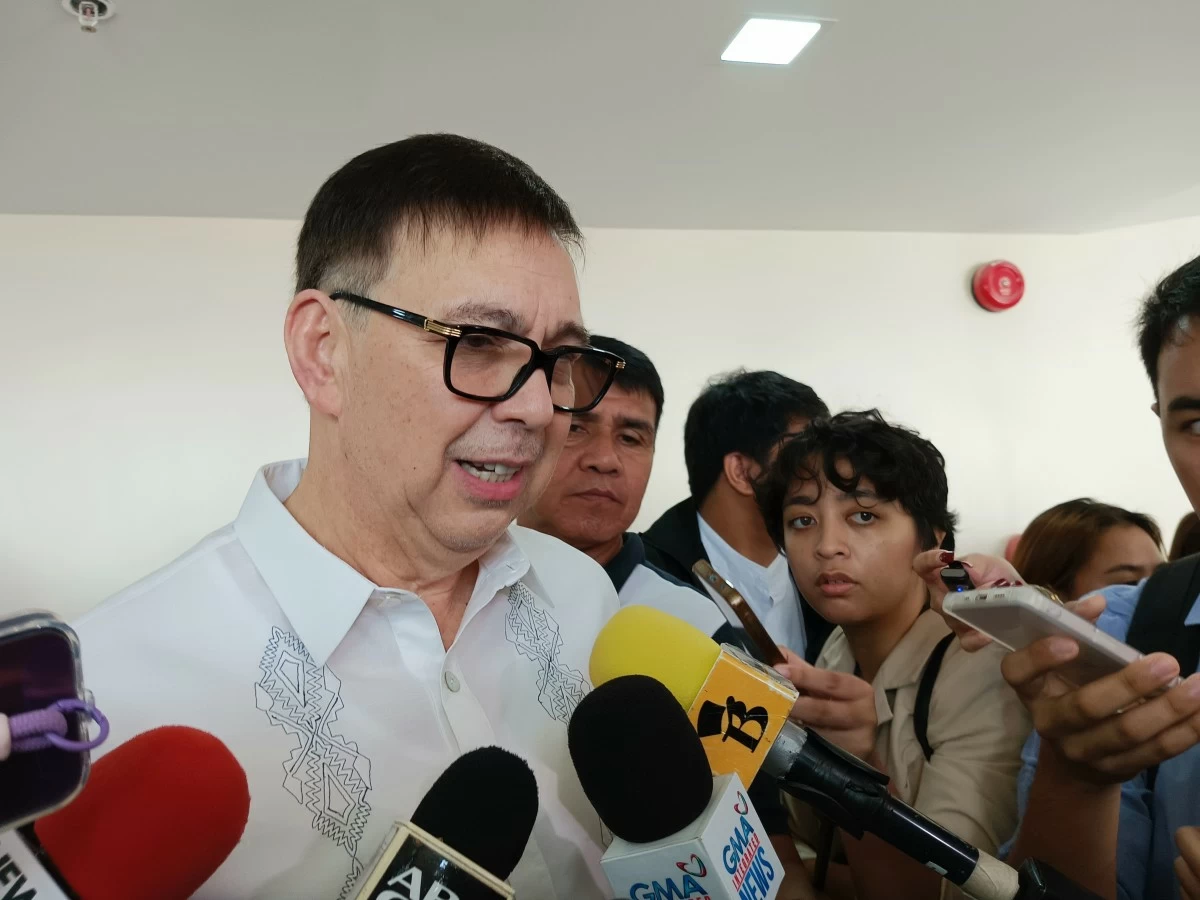
Finance Secretary Ralph G. Recto (Photo by Derco Rosal I MB)
With Philippine President Ferdinand Marcos Jr. agreeing to eliminate tariffs on select American imports, the Department of Finance (DOF) said this could result in a loss of up to ₱6 billion in the country’s trade revenues.
“Our initial estimate [for the impact of zero tariffs on revenues] is around ₱3 to ₱6 billion annually,” DOF Secretary Ralph G. Recto told reporters on the sidelines of the post-State of the Nation Address (SONA) on Tuesday, July 29.
Following a recent trade negotiation between President Marcos and US President Donald Trump, select American imports will be subject to zero duties. This was in contrast with Trump’s claim that all US-made goods will enjoy zero tariffs when they enter the local market.
“Assuming we provide what we discussed with them—like cars, wheat, pharmaceuticals, and soybeans—it could cost anywhere from ₱3 to ₱6 billion. But none of that is final yet, as these are just potential components of the trade deal,” Recto said.
Recent trade reports showed that American-made products that will be tariff-free include cars, soy, wheat, and pharmaceutical products. Marcos also committed to jacking up the country’s importation of other American goods.
Such items are selected in such a way that they do not compete with local industries, Recto stressed.
On a macro level, Recto said the 19-percent export tariffs remain beneficial for the Philippines, given that the latest rate stands as among the lowest in the world.
“Of course, exports will also be affected initially, but overall, it would seem like we have a better deal than many other countries,” Recto said.
Concessions that were given were deliberate ones, Department of Planning, Economy, and Development (DEPDev) Undersecretary Rosemarie Edillon told reporters. She said covered products are those that the country does not heavily rely on as intermediate inputs.
For instance, wheat—which saw tariff cuts—is a key import, while soybeans and pharmaceutical products are mostly not produced locally.
“For several goods that the Philippines has long been importing from the US, the current tariffs are already low. That’s why we are not overly concerned about the economic impact of the tariff cuts,” Edillon said.