ADVERTISEMENT

Horizontal communities for spacious and flexible living

More than just an alternative, Avida Land's house-and-lot communities is a top choice

Published Jul 29, 2025 05:49 pm
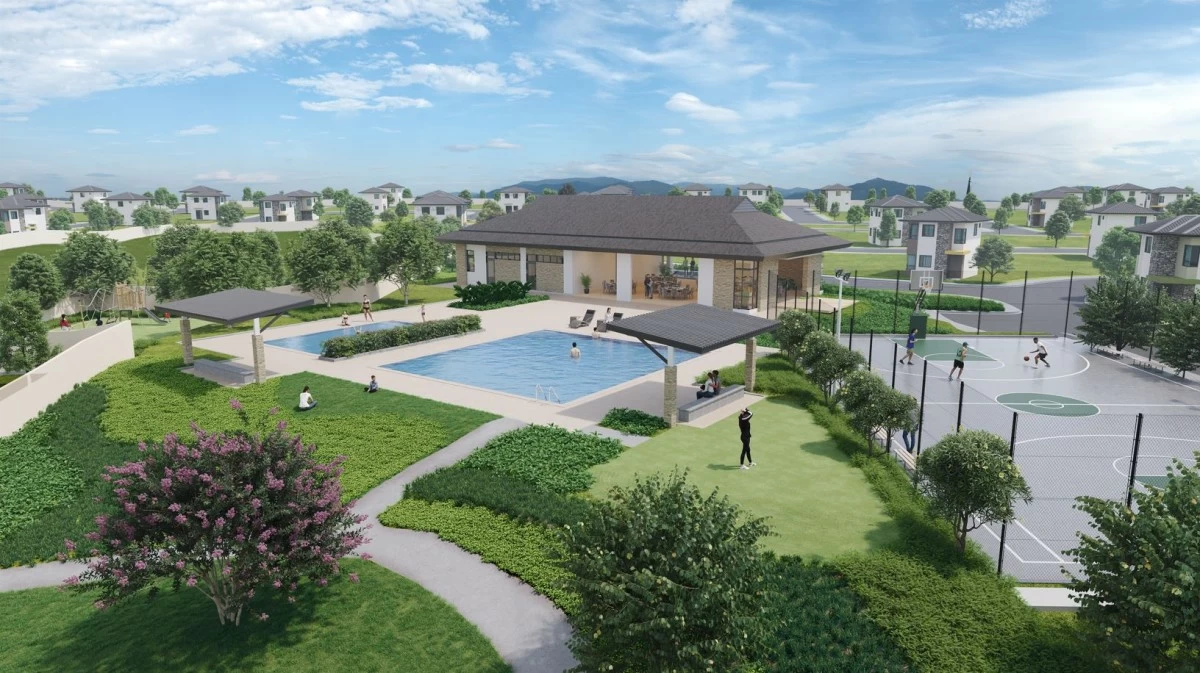
Parklane Settings Vermosa

The recent shift to suburban living has brought a steady rise in horizontal sales, especially in the middle-income segment. Homebuyers are now looking for lifestyle quality and long-term investment potential, a trend coming from post-pandemic lessons and experiences. Recent studies show that buyers of landed properties rank expandable space, exclusivity, and proximity to essential services and transport links as top decision drivers.

These preferences for space, livability, and long-term value are particularly clear in Ayala Land Estates, where Avida communities provide well-rounded environments that combine homes, shops, schools, and recreational areas, all of which improve living quality and increase property value.
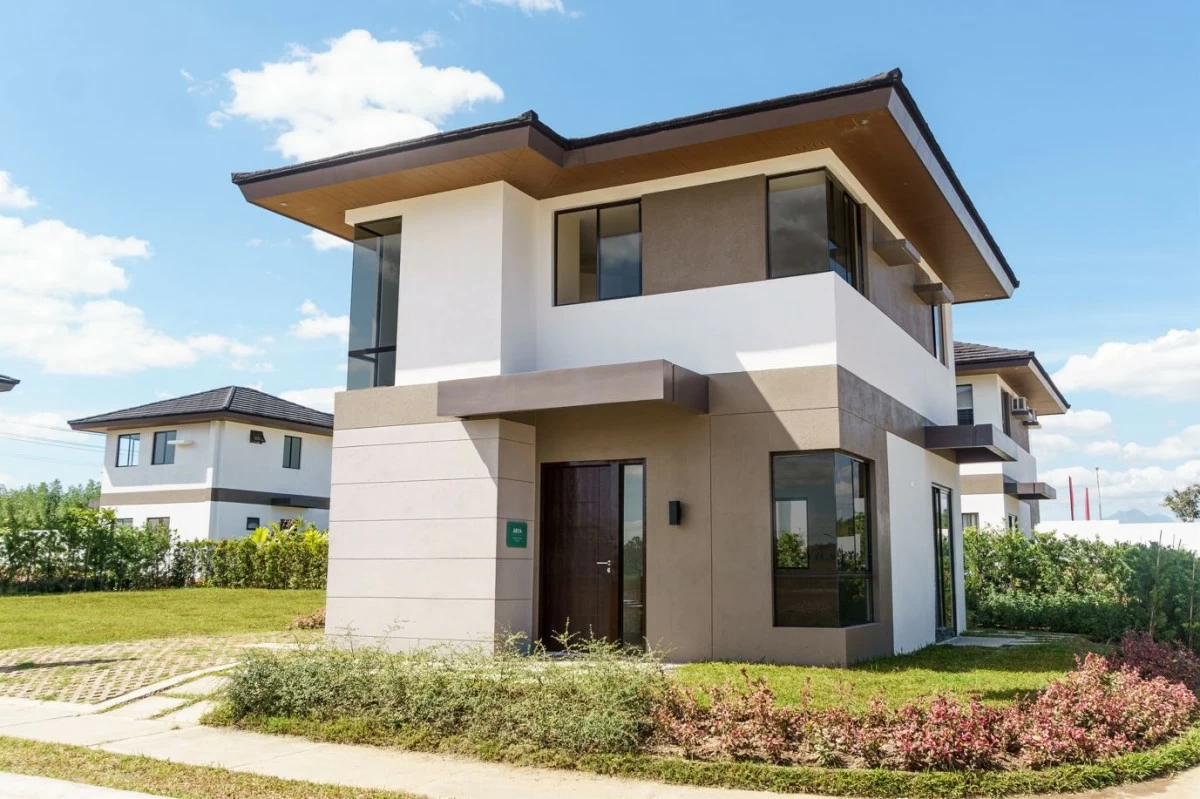
Aldea Grove Estates
Aldea Grove Estates

“There is sustained demand for homes that offer space, flexibility, and a stronger sense of community—especially in areas where accessibility and infrastructure are rapidly improving,” said Aris Gonzales, Avida Land project and strategic management group head. “Our focus has always been on building homes that meet the evolving needs of Filipino families, and the market’s response affirms that we are on the right track.”

By matching developments to these shifting preferences, Avida Land, the mid-income brand of Ayala Land, is seeing robust momentum in house-and-lot communities located in key provincial growth centers.

Good performance with a solid track record

From Laguna and Cavite to Pampanga and Bulacan, Avida Land’s house-and-lot developments are showing consistent strength in sales performance, proof that buyer sentiment continues to lean toward suburban, landed properties that offer more room to grow and live. These projects are set within Ayala Land Estates—large-scale, master-planned, and mixed-use communities that offer the advantage of location, infrastructure, and long-term value.

Avida’s projects show consistent, above-market performance in the residential market.

Located in Dasmariñas, Cavite, Parklane Settings Vermosa was launched in 2022 and has sold 46 percent of its available inventory in just three months, and is now 92 percent sold.

A similar record holds for Verra Settings Vermosa in Imus, Cavite, which has reached 65 percent take-up within 11 months and is now 96 percent sold.

In the case of Crescela Nuvali, launched in December 2024, the property has recorded a 38 percent take-up rate in just five months, averaging 23 units sold per month—a strong showing amid rising land values in the Nuvali area.

Ayala Land’s flagship estate in Laguna, Nuvali, now hosts 11 Avida developments—10 of which are horizontal—supporting the estate’s continued population growth and reinforcing its appeal as a residential address of choice in South Luzon.

In the first four months of 2025, Avida’s horizontal developments within Ayala Land Estates—such as Crescela and Southdale Settings in Nuvali, Parklane Settings in Vermosa, and Aldea Grove Estates in Angeles, Pampanga—showed strong take-up, reflecting sustained demand in key provincial growth corridors where infrastructure, convenience, and quality planning intersect.

Well-built and designed for growth

With the right response to the market demands, Avida is becoming the preferred choice for a growing segment of the market.

Avida’s home offerings are tailored to middle-income Filipino families looking for thoughtfully designed and well-built living spaces. For homebuyers looking for a breezy, greener environment, the master-planned developments are designed for walkability, optimized traffic circulation, and community interaction, with access to open spaces and amenities integrated into every site.

The typical Avida housing units range from lot areas of 125 to 180 sqm and floor areas of 67 to 114 sqm, with layouts that allow for future expansion. Sustainability is also one of their strong features, starting from solar-powered streetlights to Eco Yards that support composting and materials recovery, to name a few. A 1:1 tree planting ratio also reflects Avida’s effort to blend ecological stewardship with urban planning.

Looking ahead, Avida Land is focused on strengthening its presence in Laguna, Cavite, Pampanga, and Bulacan—regions identified as high-opportunity markets due to their infrastructure connectivity, growing economic zones, and proximity to Metro Manila.

Related Tags

Avida Land Aris Gonzales Nuvali
ADVERTISEMENT
.most-popular .layout-ratio{ padding-bottom: 79.13%; } @media (min-width: 768px) and (max-width: 1024px) { .widget-title { font-size: 15px !important; } }

{{ articles_filter_1561_widget.title }}

.most-popular .layout-ratio{ padding-bottom: 79.13%; } @media (min-width: 768px) and (max-width: 1024px) { .widget-title { font-size: 15px !important; } }

{{ articles_filter_1562_widget.title }}

.most-popular .layout-ratio{ padding-bottom: 79.13%; } @media (min-width: 768px) and (max-width: 1024px) { .widget-title { font-size: 15px !important; } }

{{ articles_filter_1563_widget.title }}

{{ articles_filter_1564_widget.title }}

.mb-article-details { position: relative; } .mb-article-details .article-body-preview, .mb-article-details .article-body-summary{ font-size: 17px; line-height: 30px; font-family: "Libre Caslon Text", serif; color: #000; } .mb-article-details .article-body-preview iframe , .mb-article-details .article-body-summary iframe{ width: 100%; margin: auto; } .read-more-background { background: linear-gradient(180deg, color(display-p3 1.000 1.000 1.000 / 0) 13.75%, color(display-p3 1.000 1.000 1.000 / 0.8) 30.79%, color(display-p3 1.000 1.000 1.000) 72.5%); position: absolute; height: 200px; width: 100%; bottom: 0; display: flex; justify-content: center; align-items: center; padding: 0; } .read-more-background a{ color: #000; } .read-more-btn { padding: 17px 45px; font-family: Inter; font-weight: 700; font-size: 18px; line-height: 16px; text-align: center; vertical-align: middle; border: 1px solid black; background-color: white; } .hidden { display: none; }
function initializeAllSwipers() { // Get all hidden inputs with cms_article_id document.querySelectorAll('[id^="cms_article_id_"]').forEach(function (input) { const cmsArticleId = input.value; const articleSelector = '#article-' + cmsArticleId + ' .body_images'; const swiperElement = document.querySelector(articleSelector); if (swiperElement && !swiperElement.classList.contains('swiper-initialized')) { new Swiper(articleSelector, { loop: true, pagination: false, navigation: { nextEl: '#article-' + cmsArticleId + ' .swiper-button-next', prevEl: '#article-' + cmsArticleId + ' .swiper-button-prev', }, }); } }); } setTimeout(initializeAllSwipers, 3000); const intersectionObserver = new IntersectionObserver( (entries) => { entries.forEach((entry) => { if (entry.isIntersecting) { const newUrl = entry.target.getAttribute("data-url"); if (newUrl) { history.pushState(null, null, newUrl); let article = entry.target; // Extract metadata const author = article.querySelector('.author-section').textContent.replace('By', '').trim(); const section = article.querySelector('.section-info ').textContent.replace(' ', ' '); const title = article.querySelector('.article-title h1').textContent; // Parse URL for Chartbeat path format const parsedUrl = new URL(newUrl, window.location.origin); const cleanUrl = parsedUrl.host + parsedUrl.pathname; // Update Chartbeat configuration if (typeof window._sf_async_config !== 'undefined') { window._sf_async_config.path = cleanUrl; window._sf_async_config.sections = section; window._sf_async_config.authors = author; } // Track virtual page view with Chartbeat if (typeof pSUPERFLY !== 'undefined' && typeof pSUPERFLY.virtualPage === 'function') { try { pSUPERFLY.virtualPage({ path: cleanUrl, title: title, sections: section, authors: author }); } catch (error) { console.error('ping error', error); } } // Optional: Update document title if (title && title !== document.title) { document.title = title; } } } }); }, { threshold: 0.1 } ); function showArticleBody(button) { const article = button.closest("article"); const summary = article.querySelector(".article-body-summary"); const body = article.querySelector(".article-body-preview"); const readMoreSection = article.querySelector(".read-more-background"); // Hide summary and read-more section summary.style.display = "none"; readMoreSection.style.display = "none"; // Show the full article body body.classList.remove("hidden"); } document.addEventListener("DOMContentLoaded", () => { let loadCount = 0; // Track how many times articles are loaded const offset = [1, 2, 3, 4, 5, 6, 7, 8, 9, 10]; // Offset values const currentUrl = window.location.pathname.substring(1); let isLoading = false; // Prevent multiple calls if (!currentUrl) { console.log("Current URL is invalid."); return; } const sentinel = document.getElementById("load-more-sentinel"); if (!sentinel) { console.log("Sentinel element not found."); return; } function isSentinelVisible() { const rect = sentinel.getBoundingClientRect(); return ( rect.top < window.innerHeight && rect.bottom >= 0 ); } function onScroll() { if (isLoading) return; if (isSentinelVisible()) { if (loadCount >= offset.length) { console.log("Maximum load attempts reached."); window.removeEventListener("scroll", onScroll); return; } isLoading = true; const currentOffset = offset[loadCount]; window.loadMoreItems().then(() => { let article = document.querySelector('#widget_1690 > div:nth-last-of-type(2) article'); intersectionObserver.observe(article) loadCount++; }).catch(error => { console.error("Error loading more items:", error); }).finally(() => { isLoading = false; }); } } window.addEventListener("scroll", onScroll); });

Sign up by email to receive news.