






Manila Bulletin
 Lifestyle
Health and Wellness
Tiny peptides, big promises: Putting the anti-aging craze under the microscope
Lifestyle
Health and Wellness
Tiny peptides, big promises: Putting the anti-aging craze under the microscope
Lifestyle
Health and Wellness
Tiny peptides, big promises: Putting the anti-aging craze under the microscope
Tiny peptides, big promises: Putting the anti-aging craze under the microscope
Published Jul 28, 2025 01:45 pm


At A Glance
- The longest-lived populations in the world aren't using peptide protocols. They're doing fairly ordinary things: Staying physically active, eating mostly plants (with enough protein), maintaining strong social connections, managing stress, and getting decent sleep.
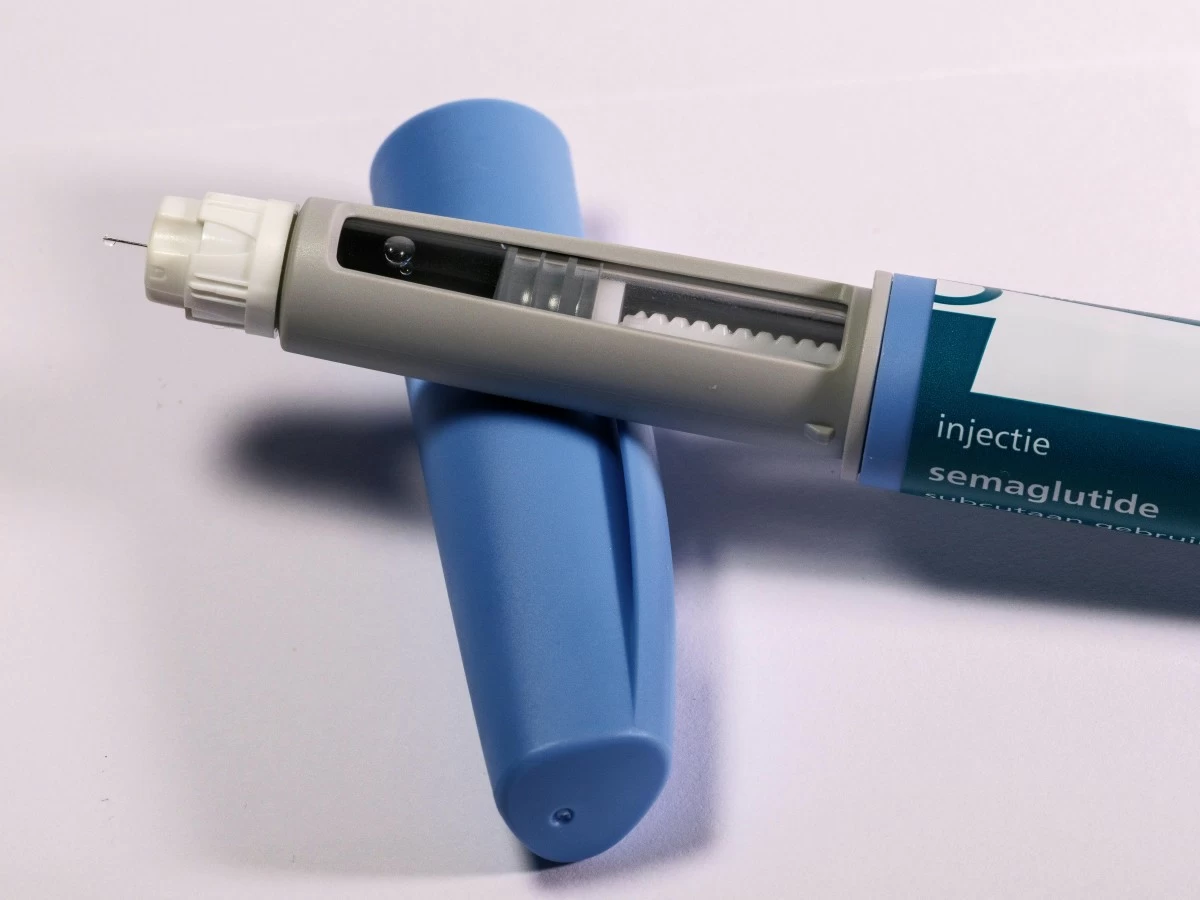
Every few years, something new promises to turn back the clock. Right now, that something comes in small vials with big price tags. At dinner parties, people talk in hushed tones about “Wolverine shots” for faster healing, and social media is full of people injecting themselves with substances that supposedly slow down aging. Names like BPC-157, Epitalon, and CJC-1295 used to be known only to researchers, but now they’re trending topics.
As a physician who’s spent years studying preventive medicine and how our bodies age, I’ve been watching this peptide trend with growing concern. Are these really breakthrough treatments, or just expensive placebos with fancy names?
What are these peptides, anyway?
Peptides are basically short strings of amino acids—think of them as tiny proteins that send messages around your body. Some peptides are legitimate, well-studied medicines. Insulin is a peptide. So is semaglutide, the diabetes drug that’s also used for weight loss.
But most of the peptides people are injecting for anti-aging? They’re experimental at best. There’s supposedly a peptide for everything: BPC-157 gets called the “Wolverine shot” because some small studies suggest it might help tissues heal faster. Epitalon is marketed as a way to keep your cells young by protecting telomeres. GHK-Cu promises to fix your skin and joints. CJC-1295 and tesamorelin are supposed to boost growth hormone levels, basically trying to trick your body into thinking it’s young again.
Some people are even taking diabetes medications in tiny doses, hoping they’ll live longer. Others inject oxytocin (the so-called “love hormone”) or PT-141 (originally developed for sexual dysfunction), thinking they’ll feel more energetic. Add daily NAD+ supplements to “recharge” your cells, and you’ve got the full modern anti-aging toolkit.
The problem with evidence
Here’s where things get tricky. The excitement around these treatments has run way ahead of the actual science. YouTube influencers and Instagram wellness gurus talk about peptides like they’re miracle cures, often calling them “natural” because they’re similar to substances your body already makes.
I get the appeal. Who wouldn’t want a shot that could make them feel 25 again? But when I look for solid evidence that any of these peptides actually slow aging or help people live longer, I come up empty. Most of what we have are studies done in petri dishes or on mice, plus lots of enthusiastic testimonials from people who might just be experiencing a very expensive placebo effect.
BPC-157 might help tissues heal in lab animals, but we don’t have good human studies proving it works as advertised. Epitalon might affect cellular aging markers in test tubes, but whether that translates to real anti-aging benefits in people? We simply don’t know.
The science just isn’t as impressive as the marketing makes it sound.
Safety in the gray zone
Most of these substances exist in a legal and medical gray area. Aside from a few exceptions like tesamorelin (which is FDA-approved for specific conditions), these anti-aging peptides are essentially unregulated experimental drugs. People often get them from compounding pharmacies or, worse, from sketchy online sellers marketing them as “research chemicals.”
This should worry you. In early 2024, the FDA banned 17 of these peptides from compounding because of safety concerns and quality issues. When you’re buying an unmarked vial online, you really don’t know what you’re getting or if it’s even sterile.
And even if the peptide is real and pure, messing with your body’s hormone systems can have unexpected consequences. Some people who overdo growth hormone peptides develop what’s called “peptide belly”—their organs actually grow larger, creating a distended appearance. Others experience heart palpitations or blood pressure changes.
Essentially, people are conducting uncontrolled experiments on themselves.
Why we want to believe
So why are people drawn to this stuff? It comes down to our very human fear of getting older and our hope that science can somehow stop the inevitable. The language around these products—“anti-aging,” “biohacking,” “optimization”—makes aging sound like a disease that can be cured if we just find the right treatment.
There’s also a rebellious appeal to it. Peptides feel cutting-edge and exclusive, like you’re accessing some secret knowledge that mainstream medicine doesn’t want you to know about. When influencers and celebrities talk about their peptide regimens, it creates a kind of FOMO—if everyone successful is doing it, maybe there’s something to it.
The placebo effect is real and powerful. If you believe something is making you feel younger and more energetic, you might actually feel that way, at least for a while.
What actually works for healthy aging
The irony is that we already know what helps people age well, and it’s not high-tech injections. The longest-lived populations in the world aren’t using peptide protocols. They’re doing fairly ordinary things: Staying physically active, eating mostly plants (with enough protein), maintaining strong social connections, managing stress, and getting decent sleep.
These habits might not sound as exciting as experimental injections, but they’re backed by decades of solid research. Regular exercise can add years to your life and life to your years. A good diet, not smoking, and keeping stress under control have proven anti-aging benefits that no peptide has matched.
Real healthy aging isn’t about finding the perfect biohack. It’s about consistently doing things that support your body and mind over time. It’s less glamorous than injecting yourself with the latest wellness trend, but it actually works.
The bottom line
I’m not saying all peptide research is worthless—some of it might lead to real medical breakthroughs eventually. But right now, most people using these substances are paying a lot of money to participate in an uncontrolled experiment with unclear benefits and real risks.
Aging isn’t a disease that needs to be cured. It’s a natural process that we can navigate more or less gracefully depending on the choices we make. Instead of chasing the latest anti-aging fad, maybe we’d be better off embracing the boring but effective basics: move your body, eat well, sleep enough, stay connected to people you care about.
There’s no magic shortcut to a long, healthy life. But there are proven paths—they just require patience and consistency rather than a credit card and a tolerance for risk.