






Manila Bulletin
 Philippines
National
Teachers to Marcos on 4th SONA: Fulfill promises, raise salaries, prioritize education budget
Philippines
National
Teachers to Marcos on 4th SONA: Fulfill promises, raise salaries, prioritize education budget
Philippines
National
Teachers to Marcos on 4th SONA: Fulfill promises, raise salaries, prioritize education budget
Teachers to Marcos on 4th SONA: Fulfill promises, raise salaries, prioritize education budget
Education workers slam neglect, low wages, and repression; demand urgent reforms in SONA 2025
Published Jul 28, 2025 03:07 pm


At A Glance
- Teachers demand fulfillment of 'unkept' promises, especially on flood control and disaster preparedness
- Groups call for substantial salary increases and urgent reforms in the education budget
- Education workers denounce privatization, repression, and worsening conditions for teachers
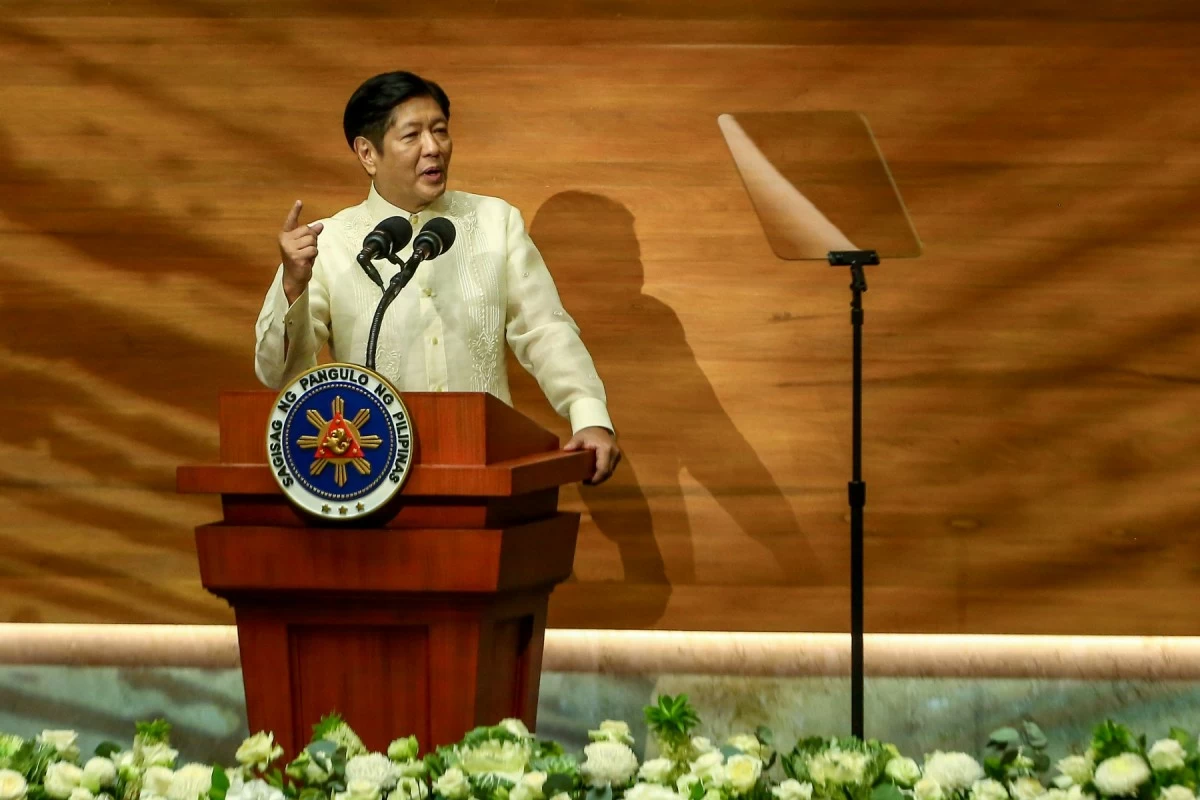
Ahead of Marcos' 4th SONA, teachers demand action on flood control, salary hikes, and education budget reforms long overdue. (NOEL PABALATE / MANILA BULLETIN / FILE PHOTO)
As President Ferdinand Marcos Jr. prepares to deliver his fourth State of the Nation Address (SONA) on Monday, July 28, teachers and education workers are intensifying calls for urgent government action on long-standing issues—including unfulfilled promises on flood control, stagnant salaries, and the chronic underfunding of the Philippine education system.
The Alliance of Concerned Teachers (ACT) Philippines and the Teachers’ Dignity Coalition (TDC) issued separate statements urging the Marcos administration to address core concerns, particularly those affecting both teachers and students.
Fulfill your promise
The TDC criticized the Marcos administration for “failing to act on its promises” to curb flooding and improve the education sector—a year after these commitments were made during the President’s 2024 SONA.
TDC National Chairperson Benjo Basas lamented that floods have continued to disrupt school operations from July 2024 to the second month of the current academic year, despite the President’s claim of completing over 5,500 flood control projects nationwide.
“Ang nasaksihan natin ilang araw pagkatapos ng SONA 2024 ay kabaligtaran (What we witnessed just days after the 2024 State of the Nation Address was the complete opposite),” Basas said.
“Kahit hindi malalakas ang bagyo, lubog pa rin sa baha ang maraming lugar. Pati mga bundok ay binabaha (Even though the storms weren’t particularly strong, many areas were still submerged. Even the mountains were flooded),” he added, noting that the flooding was so severe that local governments—and even Malacañang—were compelled to suspend classes for an entire week.
Impact on education
The TDC said the worsening flood situation highlights the lack of disaster preparedness in schools, placing the burden of adaptation on teachers, students, and parents.
Basas also pointed to the ongoing confusion between the Department of Education (DepEd) and local government units (LGUs) regarding class suspensions, emphasizing the need for clearer, centralized guidance during extreme weather events.
Renewed demands for education reform
The group reiterated its long-standing demands for a higher education budget and improved working conditions for both public and private school teachers.
Among their urgent calls are substantial salary increases and benefits for education workers, job security for private school teachers, free textbooks for all subjects from Kindergarten to Grade 12, adequate classrooms and clean toilets with running water, laptops for all teachers, accessible systems for promotion and performance evaluation, reformed GSIS insurance coverage, and legal assistance for educators.
“Ilan sa mga isyung ito ay nabanggit na sa mga nakaraang SONA, pero hanggang ngayon ay wala pa ring kongkretong tugon (Some of these issues were already raised and promised in past SONAs, yet to this day they remain unaddressed),” Basas said.
Education budget under scrutiny
The TDC also condemned what it described as the government’s failure to uphold the constitutional mandate to prioritize education in the national budget.
“Malinaw naman ang utos ng Saligang Batas na ibigay ang pinakamataas na bahagi ng pambansang badyet sa edukasyon. Pero nilabag ito ng mismong gobyerno sa 2025 General Appropriations Act (The Constitution clearly mandates that the largest portion of the national budget be allocated to education, but the government itself violated this in the 2025 GAA),” said Basas, urging Marcos to correct the oversight if he truly values the country’s youth and future.
For education workers, ‘PBBM’ means…
Ahead of this year’s SONA, education workers from both public and private schools gathered to present their own “State of the Education Workers’ Address,” condemning the administration’s alleged neglect, repression, and failure to uplift the country’s education system.
Teachers’ groups denounced what they described as a “rotten” system fueled by neoliberal policies, low wages, underfunding, and intensified state attacks.
The highlight of the event was a symbolic protest, where speakers marked blackboard placards with the words “Papet. Barat. Bulakbol. Mapanupil.”—an acronym spelling out “PBBM,” a direct jab at Marcos’ leadership.
Privatization and exploitation in education
ACT Chairperson Vladimer Quetua criticized the administration for promoting privatization and commercialization in education while neglecting the basic needs of teachers and learners.
“The President has failed to address the core issues faced by educators and learners alike. Instead, we see intensified privatization and commercialization in education policy,” Quetua said.
He noted that public school teachers continue to suffer from stagnant wages despite inflation and mounting workloads. Meanwhile, private school teachers—many of whom earn below the minimum wage—are deprived of job security, forced into exploitative contracts, and excluded from labor rights protections.
Quetua alleged that the state “abdicates its duty to provide education by outsourcing it to private schools but fails to ensure that teachers are paid living wages.”
ACT also condemned the government for shirking its constitutional duty to provide accessible, quality education—outsourcing it to private institutions without ensuring decent pay and job security for educators.
The group also raised alarm over what they called “intensified attacks” on academic freedom, union rights, and the civil liberties of education workers.
Sector demands structural change
Educators called for sweeping reforms, including substantial salary increases and standardized compensation across public and private schools, security of tenure and an end to contractualization, a significantly increased national education budget, protection and justice for unionists and school personnel under attack, and the repeal of anti-democratic laws and dismantling of repressive agencies like the NTF-ELCAC.
“We are no longer just sounding the alarm. We are organizing, resisting, and reclaiming our rights,” Quetua declared.
“This is the true state of the nation—seen from our classrooms and by our teachers and students reeling from the recent calamity,” he added.