






Manila Bulletin
 Philippines
National
Philippines pushes swift climate fund rollout after ICJ opinion
Philippines
National
Philippines pushes swift climate fund rollout after ICJ opinion
Philippines
National
Philippines pushes swift climate fund rollout after ICJ opinion
Philippines pushes swift climate fund rollout after ICJ opinion
By Jel Santos
Published Jul 28, 2025 04:41 pm


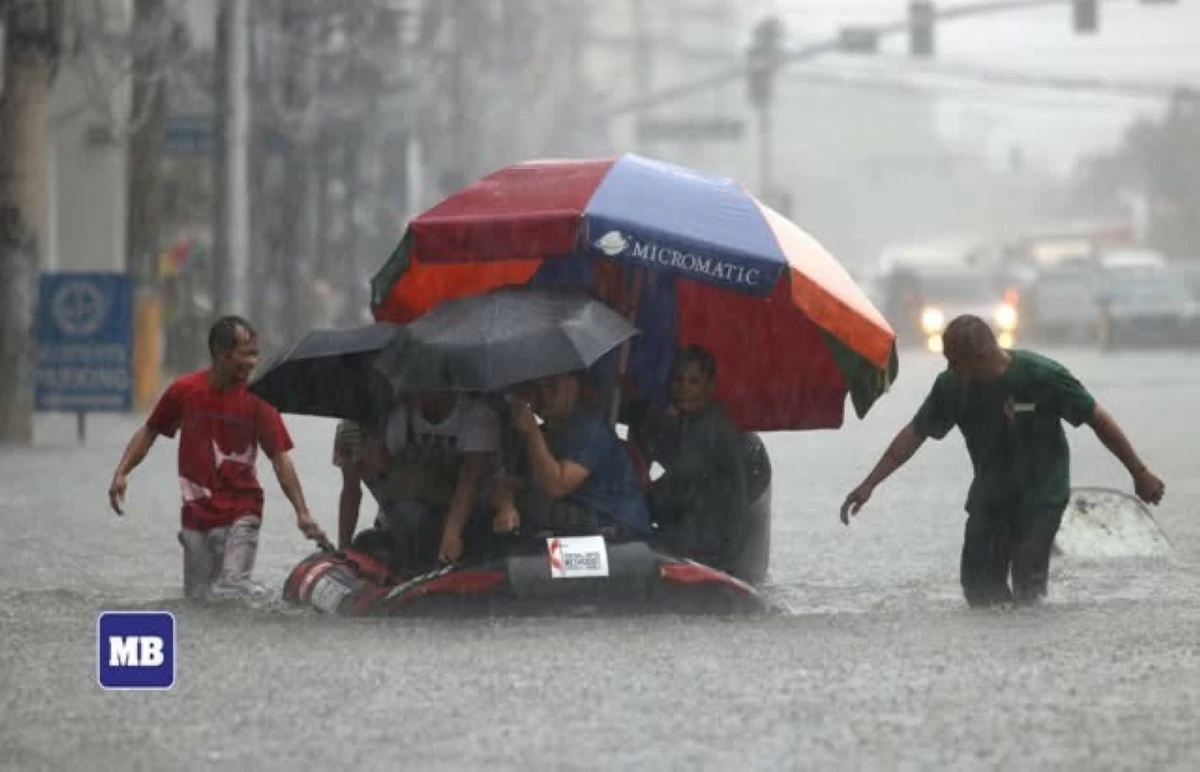
(MB FILE PHOTO)
The Philippines is pushing for urgent action on the international climate loss and damage fund following the advisory opinion issued by the International Court of Justice (ICJ) affirming the legal obligations of states to address climate change.
Department of Environment and Natural Resources (DENR) Secretary Raphael Perpetuo Lotilla said the advisory opinion reinforces the need for global solidarity as the Fund for responding to Loss and Damage (FrLD) enters a critical phase.
“The Fund was created not just as a financial mechanism, but as a testament of solidarity with those who share this burden. Together, we must amplify our voices and actions, ensuring that no nation faces the ravages of climate change alone,” Lotilla said.
The DENR chief made the statement after the country hosted the 6th Board Meeting of the FrLD in Cebu City.
The fund was established after COP27 to help developing countries cope with the effects of climate change.
According to the environment department, the Philippines will host the 7th Board Meeting in Manila this October.
“This upcoming meeting is crucial as it will likely provide significant updates on the operationalization and resource mobilization of the fund, paving the way for its initial implementation,” he said.
Lotilla also called on the international community to meet its pledges.
“We call on nations to fulfill their promises of solidarity,” he added.
States have legal duty
Recently, the ICJ issued an advisory opinion affirming that all states have legal obligations under international law to address climate change.
The opinion was issued following a request by the United Nations General Assembly.
In the advisory, the ICJ stated that countries must take concrete measures to prevent environmental harm and protect people from the adverse effects of climate change.
It emphasized that climate action is linked to the protection of human rights, including the rights to life, health, food, and housing.
Although the opinion is non-binding, it is expected to influence global climate negotiations and shape the policies of governments moving forward. The ruling adds legal weight to calls for greater accountability among nations contributing to climate change.