






Manila Bulletin
 Business
Trade & Industry
PH-EU free trade deal nearing completion, set for 2026 finalization
Business
Trade & Industry
PH-EU free trade deal nearing completion, set for 2026 finalization
Business
Trade & Industry
PH-EU free trade deal nearing completion, set for 2026 finalization
PH-EU free trade deal nearing completion, set for 2026 finalization
Published Jul 28, 2025 12:00 am


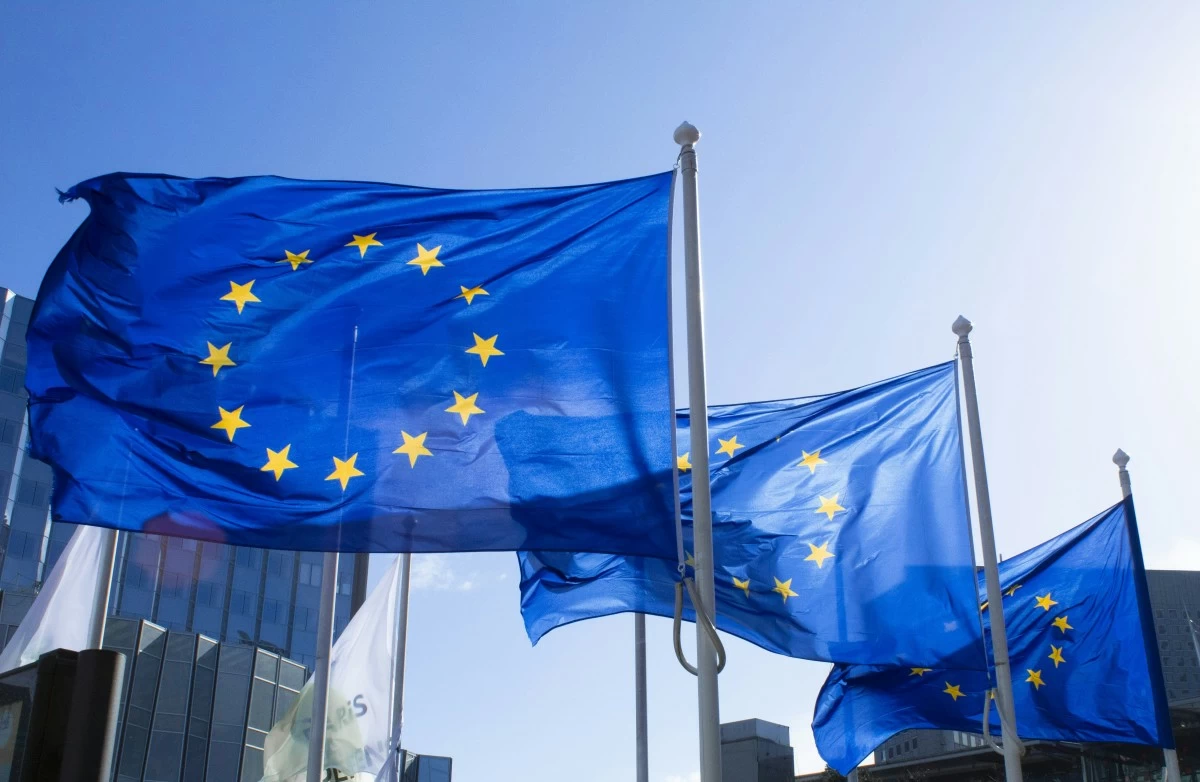
(Unsplash)
The Philippines expects negotiations for a free trade agreement (FTA) with the European Union (EU) to conclude next year, as the government seeks to open new markets for its goods and services.
Department of Trade and Industry (DTI) Secretary Cristina Roque stated that the FTA with the 27-member bloc should be finalized by 2026, given the strong progress of negotiations thus far.
“So, that's another avenue for us to sell our products to Europe,” she told reporters last week.
DTI Undersecretary Allan Gepty said last week that the latest round of negotiations between Manila and EU has reached “meaningful progress” in finding mutually agreeable provisions.
Gepty said both sides have now engaged in discussions across 19 key trade areas, with new engagements for digital trade, government procurement, energy and raw materials, and trade and sustainable development.
The next round of talks is scheduled for October in Manila.
Based on government data, exports to the EU reached $8.07 billion or 11 percent of the country’s total export sales last year.
The FTA with the EU is expected to be the most comprehensive trade agreement the Philippines has pursued in its history.
Roque said the FTA, aimed at removing barriers to trade with the EU, would shield the country’s exporters from potential headwinds stemming from the United States’ (US) tariff policy.
Last week, the US revised the tariffs it threatened to impose against the Philippines to 19 percent from 20 percent.
In return, the government offered to eliminate tariffs on American imports such as automobiles, soy, wheat, and pharmaceutical products.
The Philippines is also looking to deepen its network of free trade deals through the Comprehensive and Progressive Agreement for Trans-Pacific Partnership (CPTPP).
Roque said the country is ready to submit its application to join the 12-member bloc.
The CPTPP is among the largest free trade areas by gross domestic product (GDP), accounting for 14.4 percent of global GDP or approximately $15 trillion in 2023.
The CPTPP is composed of Australia, Brunei, Canada, Chile, Japan, Malaysia, Mexico, New Zealand, Peru, Singapore, Vietnam, and the United Kingdom.
Further, Roque said the Philippines has finalized the details of its comprehensive economic partnership agreement (CEPA) with the United Arab Emirates (UAE).
She said the benefits of the CEPA will be realized once both parties sign the agreement, the date for which remains unconfirmed.
Trade Undersecretary and Board of Investments (BOI) Managing Head Ceferino Rodolfo said last May that the CEPA is expected to attract substantial investments into the country, primarily from the UAE’s sovereign wealth funds.
He added that the agreement will also provide greater market access for Filipino exporters to the six-member Gulf Cooperation Council (GCC), while enabling them to tap into nearby markets in Africa.