






Manila Bulletin
 Philippines
Metro Manila
Progressive groups call for wage hike, protection of human rights in SONA protest
Philippines
Metro Manila
Progressive groups call for wage hike, protection of human rights in SONA protest
Philippines
Metro Manila
Progressive groups call for wage hike, protection of human rights in SONA protest
Progressive groups call for wage hike, protection of human rights in SONA protest
Published Jul 28, 2025 09:01 am


Progressive groups rallied along Philcoa in Quezon City on Monday, July 28, demanding higher wages, genuine land reform, and respect for human rights ahead of the fourth State of the Nation Address (SONA) of President Ferdinand “Bongbong” Marcos Jr.
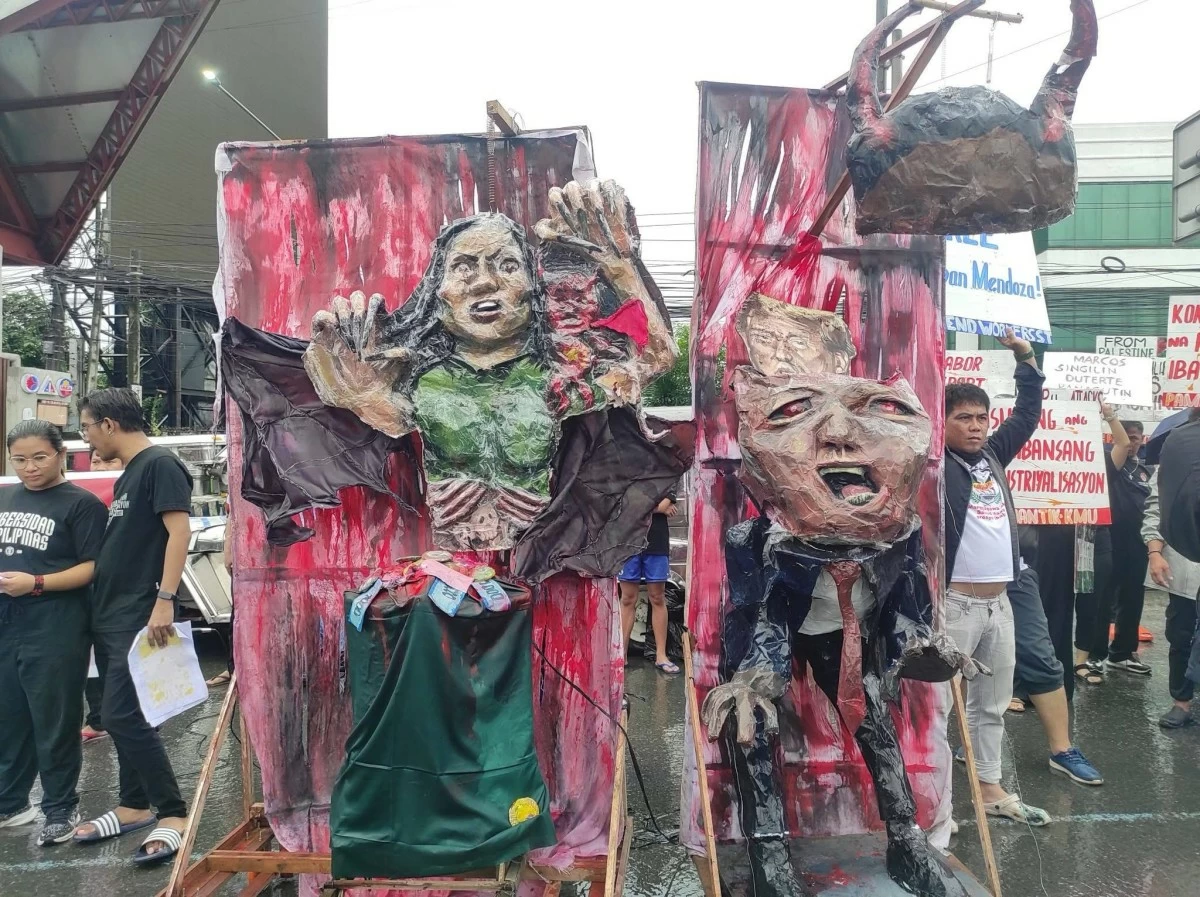
Effigies “ZomBBM”and “Sarananggal”. (Bagong Alyansang Makabayan - Timog Katagalugan facebook page)
As part of their culminating activity for the State of the Regional Address (SORA), protesters from various people’s organizations gathered outside the Old Capital Hall, as they delivered speeches, chants, and performances condemning what they described as the Marcos administration’s “failed governance” and “continued neglect of the poor.”
Central to the protest was the burning of two effigies: “ZomBBM” a zombified depiction of President Ferdinand Marcos Jr. and “Sarananggal” a monstrous fusion of Vice President Sara Duterte and the mythical manananggal.
Groups such as Bagong Alyansang Makabayan - Timog, Bayan Southern Tagalog, Kasama - TK, and other groups were present in the protest.
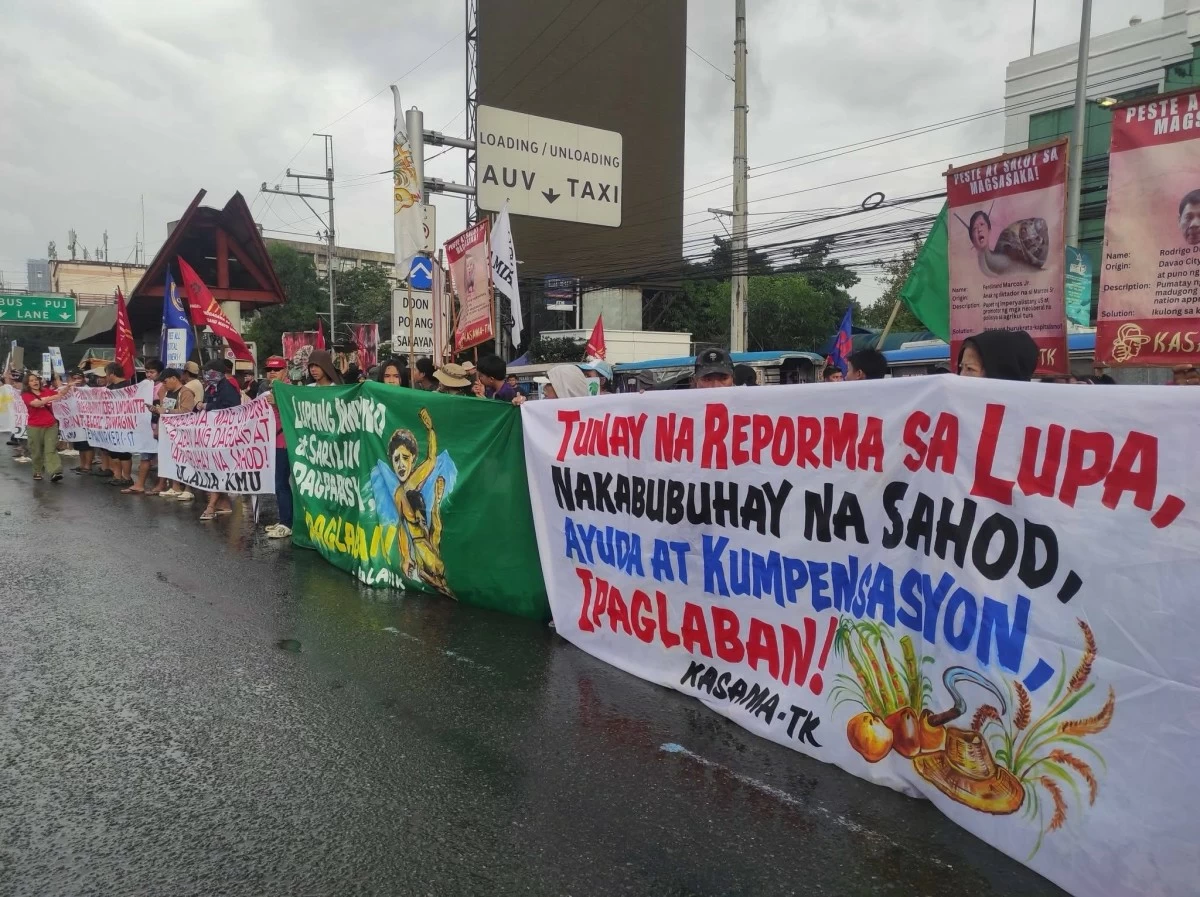
Militant groups stage protest on Monday morning, July 28, along Philcoa in Commonwealth Avenue, Quezon City. (Bagong Alyansang Makabayan - Timog Katagalugan facebook page)
According to the groups, the effigies symbolize the alleged oppressive policies and human rights violations under both leaders.
“Ngayong ika-apat na SONA ni Marcos, itinatambol ng rehiyon ang nakabubuhay na sahod, tunay na reporma sa lupa, libreng serbisyong pampubliko, karapatang pantao, at tunay na kalayaan at demokrasya (In Marcos' fourth SONA, the region is drumming up living wages, genuine land reform, free public services, human rights, and true freedom and democracy),” Bagong Alyansang Makabayan - Timog said in a social media post.
Protesters also criticized what they called the “US-Marcos regime,” accusing it of prioritizing foreign interests over the welfare of ordinary Filipinos.
Calls to hold both the Marcos and Duterte administrations accountable for the militarization, red-tagging, and repression, were sought throughout the program.
Deployed police officers were stationed nearby to monitor the activity.