







How the monsoon can be bad for your health
Diseases to look out for during rainy weather
Published Jul 28, 2025 11:33 am


At A Glance
- Monsoon season is flood season and open season for many infectious diseases.
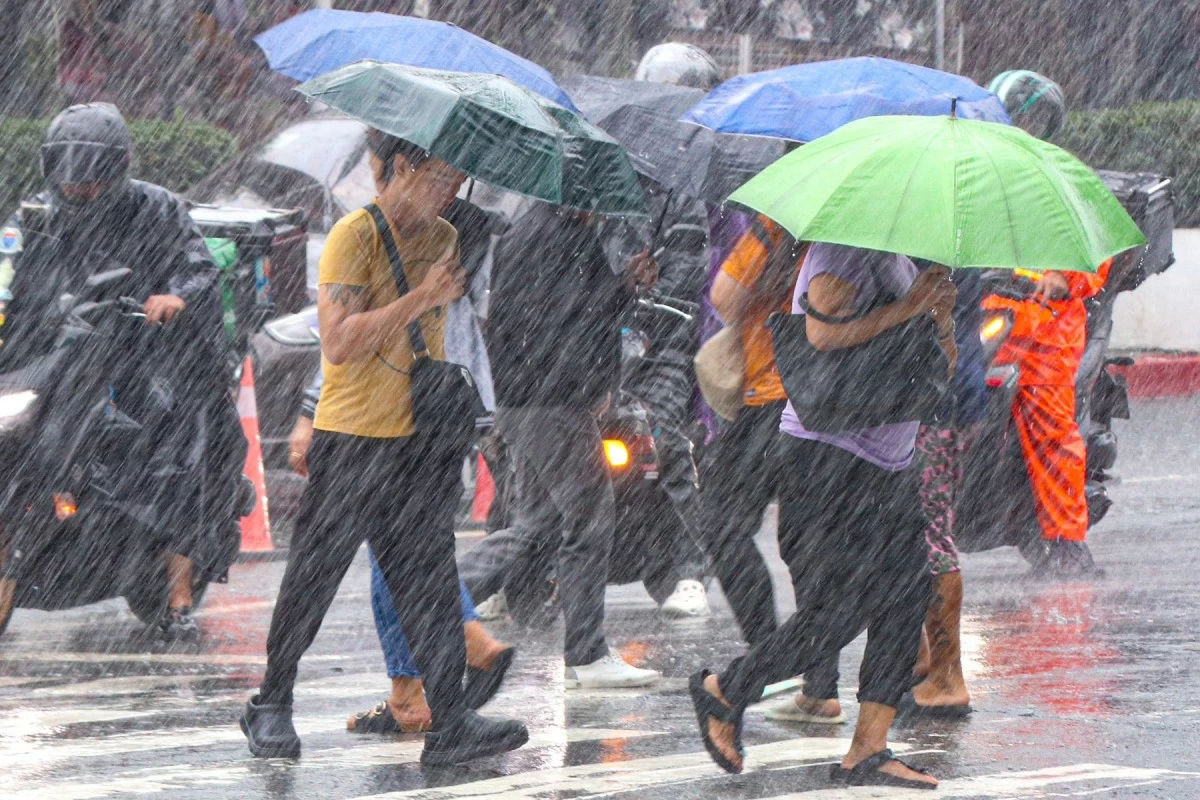
STAY DRY Rainwater can be a source of waterborne diseases and can expose you to harmful bacteria (Santi San Juan)
With the rainy season comes floods, typhoons, and incessant rain. Last week’s deluge was no exception, with almost an entire week’s worth of school and work literally going down the drain. As people waded through flooded streets, they were exposed to a litany of diseases that one can get from contaminated water. This is aside from the danger of drowning from fast-rising rivers and the diseases that rip through evacuation centers due to overcrowding and a lack of proper sanitation.
Perhaps the most well-known risk from wading in flood waters is the risk of leptospirosis. Leptospirosis is a bacterial infection that originates from animals. Rats are a common carrier for this disease, and their urine is chock-full of leptospirosis bacteria, which can infect people when they wade in floods. People can get infected when the bacteria get into their body through breaks in the skin, through mucous membranes like the eyes and nose, or if contaminated floodwater is inadvertently swallowed. There are some studies that suggest leptospirosis can penetrate intact skin, although this may happen through macerated skin that has been soaking in water for several hours. Leptospirosis causes a febrile illness, with muscle aches and pains from which most people recover even without treatment. However, an unlucky few develop severe disease, which can cause kidney and liver failure. Signs and symptoms of severe disease are jaundice (yellowing of the skin and the whites of the eyes), decreased urine production, dark colored urine, conjunctival suffusion (redness of the whites of the eyes), and leg pain, particularly of the calf muscles. Patients with severe leptospirosis should be hospitalized and given intravenous antibiotics. These patients may end up needing dialysis, and some will develop bleeding from their lungs, which is nearly always fatal. I’ve been treating leptospirosis since I was a medical student, and I have not seen anyone survive a pulmonary hemorrhage from leptospirosis.
The risk of severe leptospirosis can be substantially decreased by taking prophylaxis with an antibiotic called doxycycline. This drug requires a prescription because it is not a completely harmless drug. It should be taken within 24 hours of exposure to flood waters for full protection. Doxycycline should not be taken by pregnant women since it can affect their unborn baby. Young children should not take doxycycline since it can cause permanent staining of the teeth. Many people get acid reflux and stomach upset from doxycycline. Doxycycline should not be taken with milk since the calcium in milk can inactivate it. There should be at least a two-hour interval between taking dairy products and doxycycline. There are alternative drugs for prophylaxis that are safer for pregnant women and children, but there is not as much experience with these in terms of efficacy. Talk to your doctor before taking any antibiotics.
Another potentially life-threatening infection from floods is typhoid fever. Typhoid fever is caused by the bacteria Salmonella typhi and can be transmitted through contaminated food and drink. Inadvertently swallowing flood water with the bacteria in it can result in infection. Typhoid causes a very high fever that is difficult to bring down even with antipyretic medication. One common misconception is that typhoid fever causes diarrhea. This may occur late in the course of the disease, but early on, people may actually be constipated. Typhoid fever causes muscle aches and pains and can cause liver failure. It can be difficult to distinguish from leptospirosis and other febrile illnesses such as dengue. Untreated typhoid fever can lead to sepsis, which may be fatal. Typhoid fever is treated with antibiotics. Oral antibiotics can be used for less severe cases, but sicker patients should be hospitalized for intravenous treatment. Up to 10 percent of people who are properly treated for typhoid fever can relapse, and patients should be aware of this possibility.
Unlike leptospirosis, there is no antibiotic prophylaxis for typhoid fever. It is important to monitor yourself for signs and symptoms of typhoid after wading through flood waters, and to seek prompt medical attention if these develop. Other diseases that can mimic typhoid fever and are associated with floods are hepatitis A, viral and bacterial gastroenteritis, and amebic dysentery. Your doctor can do tests to figure out if you have any of these diseases and prescribe appropriate treatment.
Finally, mosquito-borne illnesses always rise during the rainy season. Aside from dengue fever, which occurs throughout the year, there are now other endemic viral arboviruses that are circulating but are not easily diagnosed. These include the Zika virus and Chikungunya. Infections with these viruses rise a few weeks after the floods due to the increased number of breeding sites for the mosquitoes that carry them. In fact, the World Health Organization recently published new guidelines for these three viruses since they are now co-endemic in many parts of the world. It can be challenging to differentiate these illnesses from one another, but your doctor can help figure out what is going on.
Dengue causes a febrile illness that can lead to low platelets and a dangerous drop in blood pressure. It is fairly straightforward to diagnose dengue with a dengue NS1 antigen test, IgM and IgG antibody tests, and decreased platelets on a complete blood count. Zika presents as a nonspecific fever but can cause birth defects in pregnant women and can increase the risk for a neurological condition called Guillain-Barré syndrome, which can cause muscular paralysis. It is harder to diagnose, although a PCR or antibodies can be done in specialized research laboratories. Unfortunately, most of the time, Zika is diagnosed after it has already caused complications. Lastly, Chikungunya initially looks like a mild form of dengue, but the dengue tests are negative. What stands out with Chikungunya is the sometimes debilitating and persistent joint pains in about 10 percent of infected people. Some can even end up with lifelong joint swelling because of a persistent virus in the joint spaces. Fortunately, this is quite rare. There are no known effective antiviral treatments for any of these three viruses, and so prevention is the key to avoiding their complications. Aside from proper sanitation and removal of mosquito breeding areas, adequate mosquito protection with the correct insect repellents can help. There is a new dengue vaccine that seems to be safer than the old dengvaxia vaccine, and another one is in the pipeline. Chikungunya also has an effective vaccine, but it is not yet available locally. A Zika vaccine is in the pipeline but is likely years away from availability.
Monsoon season is flood season and open season for many infectious diseases. Be aware of your risks, use all available preventive measures to avoid getting sick, and seek medical attention early. If you do get sick, take advantage of the Philhealth Konsulta packages to minimize the risk of complications and keep yourself out of the hospital.