






Manila Bulletin
 Business
The Economy
Government borrows ₱1.6 trillion in H1 2025, foreign debt jumps 50%
Business
The Economy
Government borrows ₱1.6 trillion in H1 2025, foreign debt jumps 50%
Business
The Economy
Government borrows ₱1.6 trillion in H1 2025, foreign debt jumps 50%
Government borrows ₱1.6 trillion in H1 2025, foreign debt jumps 50%
By Derco Rosal
Published Jul 28, 2025 12:00 am
|
Updated Jul 26, 2025 02:32 pm


At A Glance
- Despite the single-digit drop in domestic borrowings, the Marcos administration's foreign debt bloated by more than 50 percent in the first six months of 2025, leading to a higher gross borrowing of ₱1.59 trillion from ₱1.57 trillion a year earlier.
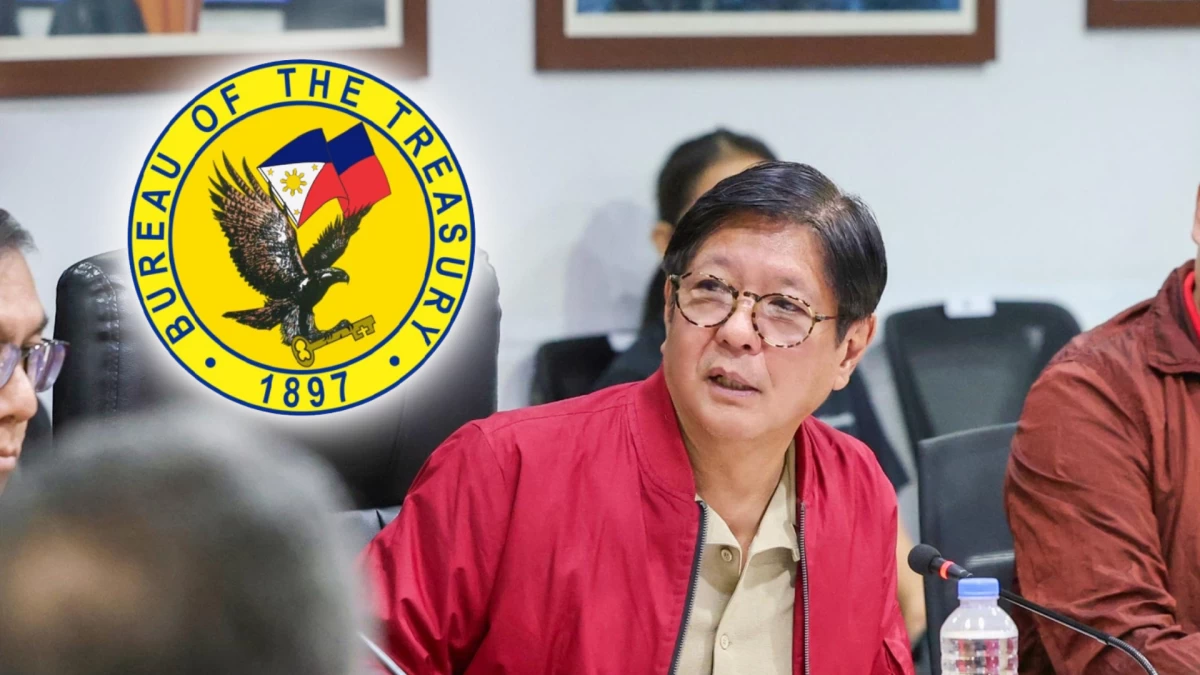
Despite the single-digit drop in domestic borrowings, the Marcos administration’s foreign debt rose by more than 50 percent in the first six months of the year, leading to a higher gross borrowing of ₱1.59 trillion from ₱1.57 trillion a year earlier.
According to the Bureau of the Treasury (BTr), the government’s debt during the first half was ₱20 billion or 1.3 percent higher than the government’s gross borrowings recorded in the same period last year.
As of end-June, gross borrowings accounted for 62.5 percent of the government’s total planned borrowings of ₱2.55 trillion for the year.
Foreign borrowings increased by 50.5 percent to ₱402.4 billion from January to June, compared to ₱267.4 billion in the same period a year earlier.
Loans sourced from foreign investors accounted for 25.3 percent of the total borrowings for the six-month period, exceeding the 20-percent target share of foreign debt.
This year, the government plans to secure 20 percent of its financing from foreign sources and 80 percent from domestic sources, resulting in an 80:20 borrowing mix.
Notably, the government had raised its program loans by 70.5 percent to ₱171.3 billion from last year’s ₱100.5 billion. It also raised the global bonds it settled by 66.7 percent to ₱192 billion from ₱115.2 billion.
On the other hand, loans to finance government projects were reduced by 24.4 percent to ₱39.1 billion from ₱51.7 billion in the previous year.
Meanwhile, gross domestic debt stood at ₱1.19 trillion, a 8.5 percent drop from the government’s gross domestic loans in the previous year, which totaled ₱1.30 trillion. It accounted for 74.8 percent of the total borrowings during the six-month period, falling short of the government’s target share of 80 percent.
Notably, the government had zero issuance of retail treasury bonds (RTBs), which it had issued ₱584 billion a year ago. The zero issuance of these more than half-a-trillion bonds was sufficient to offset the increases in borrowings through the sale of other government securities to domestic lenders.
A total of ₱756.8 billion was raised through sales of fixed-rate treasury bonds this year, 24.2 percent higher than the ₱609.2 billion issued a year earlier. The government also increased its borrowings via short-dated treasury bills (T-bills) to ₱132.3 billion, a 21.3-percent hike from ₱109.1 billion a year ago.
Notably, the government issued fixed-rate treasury notes (FXTNs) worth ₱300 billion this year. There was no sale of these debt notes last year. Still, combined sales in the first half were lower than last year’s figures.
It can be recalled that the Marcos administration’s gross borrowings surged to ₱2.56 trillion in 2024, a 16.9 percent increase from ₱2.19 trillion in the previous year, driven by a sharp rise in both domestic and foreign debt.
Last year’s total borrowings exceeded the administration’s borrowing plan by ₱100 billion. It was 4.07 percent higher than the programmed ₱2.46 trillion for the year.
Rizal Commercial Banking Corp. (RCBC) chief economist Michael Ricafort said the half-year figure could be an early sign that the government could exceed its borrowing target for the year if current borrowing trends continue at the same pace.
Ricafort further said that the slightly higher borrowing in the first half reflects the government’s need for more borrowings to plug the wider budget deficit early this year.
The BTr earlier reported that the government surpassed its budget deficit ceiling for the first half of the year, as the actual shortfall grew considerably compared to the same period last year, primarily due to revenues falling short of expectations.
The six-month fiscal deficit reached ₱765.5 billion, a 25 percent increase compared to ₱613.9 billion in the same period last year. It exceeded the ₱760.7 billion program for the period amid “accelerated and higher public spending to support economic growth.
Part of the increase in borrowings, Ricafort said, could be the upcoming debt payments. Around ₱800 billion in existing government bonds will mature before September. As such, the government might need to borrow more to pay off that debt.
Additionally, the Department of Finance (DOF) earlier said there is a planned retail treasury bond (RTB) sale of around ₱200 billion that may happen as early as the third quarter.