







Auto industry's growth momentum cools further in June
Published Jul 28, 2025 04:20 pm


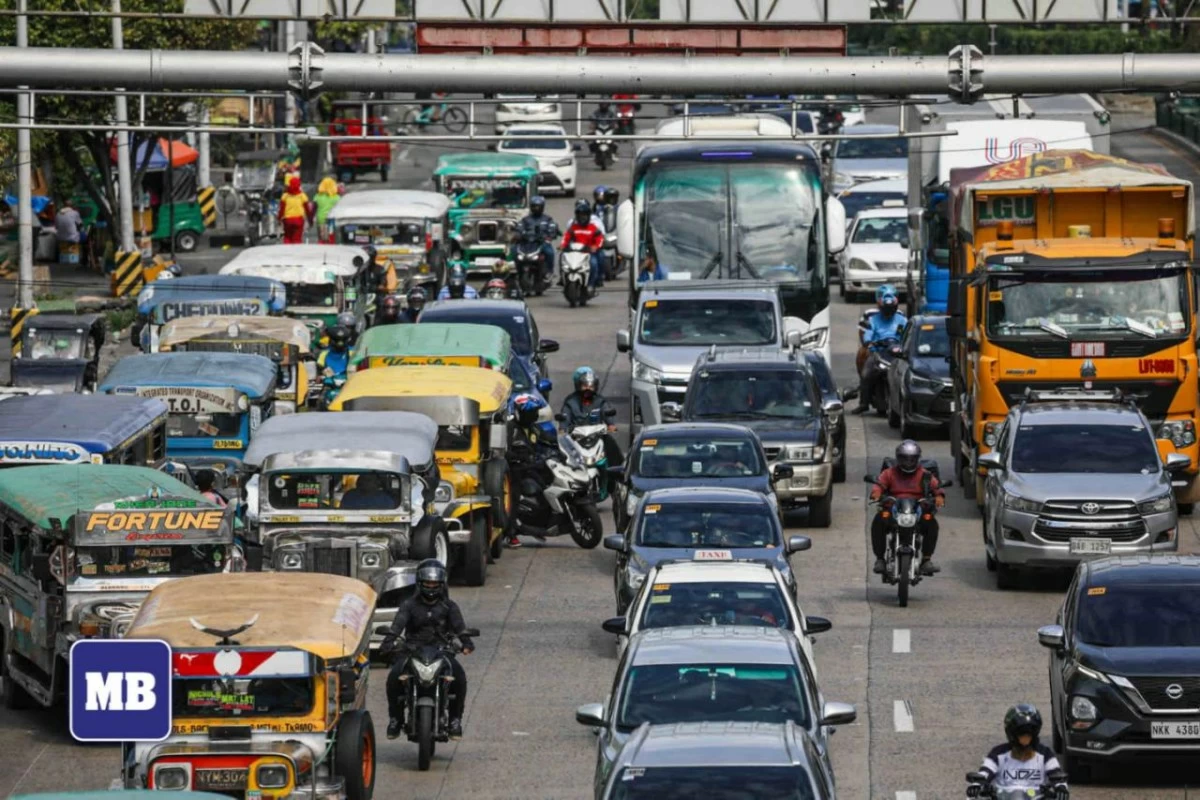
Vehicle sales in the Philippines only grew by two percent in June, as the automotive industry continues to face slow growth momentum amid weakening demand for passenger cars and global uncertainties.
Data from the Chamber of Automotive Manufacturers of the Philippines Inc. (CAMPI) and the Truck Manufacturers Association (TMA) showed that sales in the first half of the year reached 230,912 units, up from 226,279 units during the same period last year.
At a growth rate of two percent, this was a turnaround from May’s 1.6 percent growth, which was the slowest increase in sales since March 2024.
It is, however, lower than the 2.5 percent growth in April, which fell from a six percent growth in the prior month.
For June alone, vehicle sales grew by 1.8 percent to 40,483 units from 39,775 units in the prior month.
The weakening demand for passenger cars was apparent last month, as the segment fell 12.32 percent from 7,895 units to 6,922.
Based on the six-month data, passenger cars recorded sales 45,647 units by the end of June, a 23.8 percent drop from 59,875 units last year.
CAMPI President Rommel Gutierrez said ongoing market shifts are contributing to the current downward trajectory of passenger car sales.
However, he remains optimistic that the trend will reverse in the second half of the year, as manufacturers are expected to capitalize on new innovations to align with evolving buyer preferences.
As things stand, vehicle buyers prefer the commercial segment, with 33,561 units sold in June, 5.3-percent higher than 31,880 in the previous month.
From January to June, the segment has recorded 185,256 sold units, an 11.3-percent upsurge from 166,404 in the same period last year.
Based on joint CAMPI-TMA data, commercial vehicles which are typically used by businesses to transport goods, now account for over 80 percent of the industry’s total sales.
Meanwhile, the electric vehicle (EV) segment saw a drop in demand in June, recording 3,057 units versus May’s 3,613 units.
Over the six-month period, 13,490 EVs have been sold in the country.
Given these shifting preferences, Gutierrez said the industry is keen on supporting market recovery across all car segments, including introduction of updated vehicle lineups to entice consumers.
“As the industry heads into the second half of the year, manufacturers and dealers remain focused on enhancing customer experience,” he said.
This year, CAMPI is targeting to reach 500,000 units, up from 467,252 units in 2024.
Sought for comment, Rizal Commercial Banking Corp. (RCBC) chief economist Michael Ricafort said this target is still achievable driven by softening interest rates that could reduce costs on vehicle loans.
Ricafort, however, still expects slowdown in sales because of external factors such as the United States’ tariff policy and geopolitical risks such as the 12-day Israel-Iran conflict.
“These external risk factors could slow down the world economy that, in turn, could indirectly slow down the local economy, thereby could lead to some shift in demand to cheaper/alternative transportation options,” he said.
Ricafort said both consumers and businesses must have confidence on their future livelihood before making decisions on big-ticket purchases such as vehicles.
For the first six months of the year, Toyota Motor Philippines Corp. remains the industry’s most dominant player with 48.19 percent market share, selling a total of 89,581 units.
Mitsubishi Motors Philippines Corp. followed this with a 19.06-percent market share, Nissan Philippines Inc. with 5.14 percent, Ford Group Philippines with 4.47 percent, and Suzuki Philippines Inc. at 4.55 percent.