






Manila Bulletin
 Philippines
National
'Wala nang maiimpeach': Ridon raises serious implication of SC's junking of VP Duterte case
Philippines
National
'Wala nang maiimpeach': Ridon raises serious implication of SC's junking of VP Duterte case
Philippines
National
'Wala nang maiimpeach': Ridon raises serious implication of SC's junking of VP Duterte case
'Wala nang maiimpeach': Ridon raises serious implication of SC's junking of VP Duterte case
Published Jul 26, 2025 05:56 pm


At A Glance
- A lawyer-congressman claims that the precedent set by the Supreme Court's (SC) dismissal of Vice President Sara Duterte's impeachment case on the basis of a technicality effectively derails all future attempts to unseat an impeachable official.
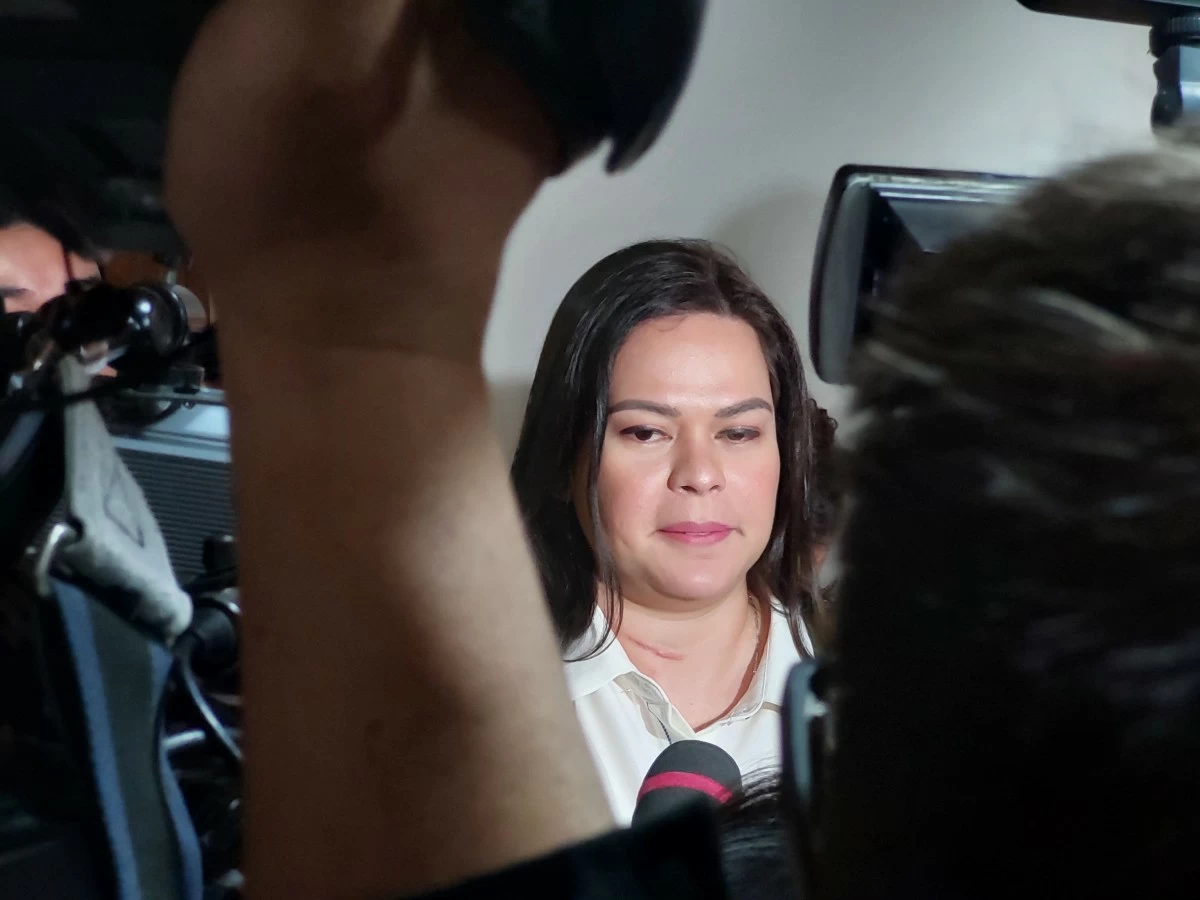
Vice President Sara Duterte (Ellson Quismorio/ MANILA BULLETIN)
A lawyer-congressman claims that the precedent set by the Supreme Court's (SC) dismissal of Vice President Sara Duterte's impeachment case on the basis of a technicality effectively derails all future attempts to unseat an impeachable official.
Bicol Saro Party-list Rep. Terry Ridon was referring to the SC's invocation of the one-year bar rule in its decision to declare the House-prepared impeachment complaint against Duterte as unconstitutional.
Ridon broke down the potential implication of the high court's decision.
"Wala nang maiimpeach na mataas na opisyal ng gobyerno sa ilalim ng bagong desisyon ng Korte Suprema, dahil kahit walang referral sa House Committe on Justice, basta hindi inaksyunan ng Kongreso, kakasa ang one year bar rule," he said in a Facebook post Saturday, July 26.
(There will no longer be any high-ranking government official impeached under the new SC decision, because even without a referral to the House Committee on Justice, as long as Congress does not act on it, the one-year bar rule will apply.)
"Ibig sabihin, basta may kaibigang kongresistang mag-eendorse ng pekeng impeachment ang sinumang Presidente, Bise Presidente, [SC] Justice, Ombudsman at iba pang matataas na opisyal sa unang araw ng panunungkulan, laging makakasa ang one year bar rule hanggang matapos ang kanilang mga termino hangga’t laging may nagfifile ng pekeng complaint," Ridon said.
(This means that as long as there’s a congressman friend who endorses a fake impeachment, any President, Vice President, SC Justice, Ombudsman, and other high-ranking officials on the first day of their term, the one-year bar rule will always apply until the end of their terms as long as someone keeps filing fake complaints.)
This rule ensures that only one impeachment complaint may be tackled by Congress per year, so as not to disrupt work too much in the legislature.
But like what Ridon postulated, this rule could also be exploited in favor of an impeachable official who wants to escape accountability through technicality.
"Kung ganun, wala nang impeachment na magaganap sa Pilipinas kahit kailan (If so, there will never be any impeachment that will happen in the Philippines ever again)," the Bicol Saro solon said.
"May panahon at pagkakataon pa naman para baguhin ito, hindi pa huli ang lahat (There is still time and opportunity to change this, it’s not too late)," Ridon said.
There were a total of four impeachment complaints filed against Vice President Duterte at the House of Representatives during the tail end of the 19th Congress. Only the fourth one proposed and was endorsed directly to the Senate after gaining the requisite one-third of signatures from the House members.
The previous three complaints ended up being archived. None of the four raps reached the Committee on Justice.
The impeachment process, which includes the conduct of an impeachment trial, is a constitutional act.