ADVERTISEMENT

SM Supermalls sustains communities through water stewardship

By MBrand
Published Jul 25, 2025 12:45 pm  |  Updated Jul 25, 2025 04:14 pm
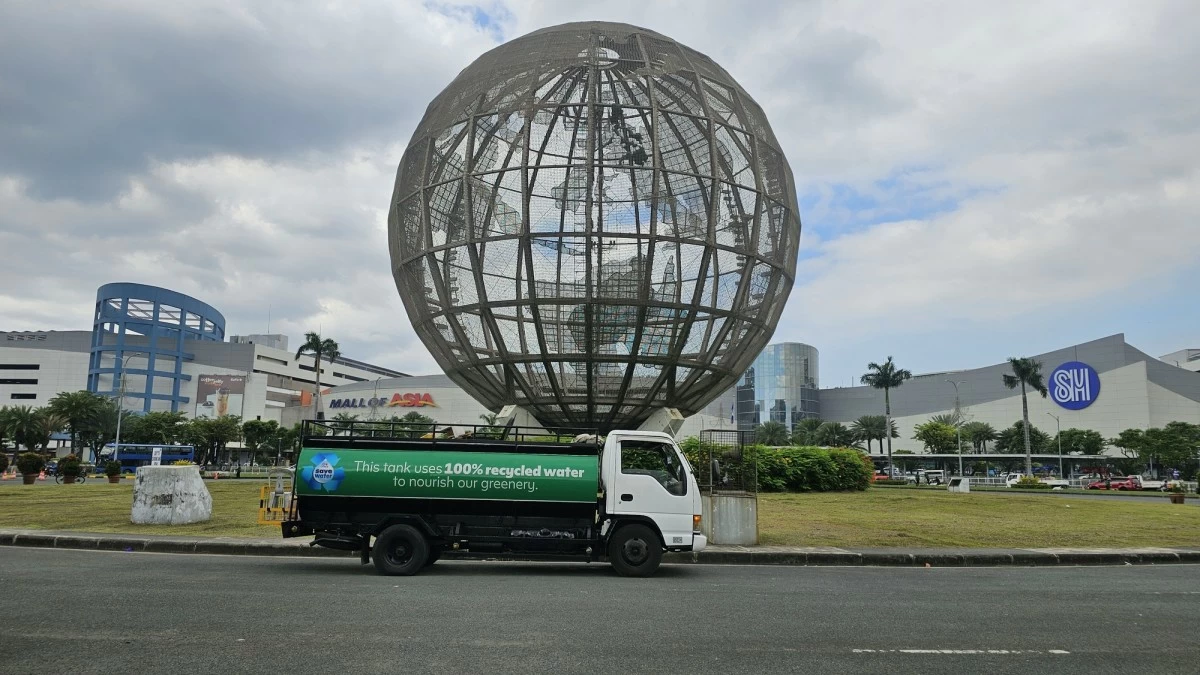
Recycled water from the malls’ sewage treatment plants helps sustain greenery and serves other operational needs. 
Every time a family enjoys a cool and clean mall facility and amenities, they’re benefiting from something invisible but essential—responsible water management. At SM Supermalls, water stewardship means ensuring clean, reliable water systems for communities they serve, while reducing environmental impact.
Water stewardship is the responsible use and management of water resources in ways that are socially equitable, environmentally sustainable, and economically beneficial. It means integrating water conservation into every aspect of operations for SM Supermalls. For the communities they serve, it means access to clean water, protection from flooding, and resilience against climate change.
SM Prime’s 2024 Integrated Report highlights how water stewardship is central to its sustainability strategy. Across its 88 malls in the Philippines, SM Supermalls operates sewage treatment plants that recycle water for toilet flushing, perimeter cleaning, air conditioning, and landscape irrigation. In 2024, SM Prime recycled over 5.59 million cubic meters of water—equivalent to filling 2,200 Olympic-sized swimming pools. This not only reduces pressure on municipal water systems but ensures that mall tenants and customers benefit from uninterrupted services, especially during peak seasons.
SM City Baguio’s rainwater treatment facility produces potable water which supplements the freshwater supply of the mall and its tenants.
For SM Supermalls, water stewardship is a promise to protect one of our most vital resources for the people who rely on it daily.
Signages within the malls’ premises support SM Cares’ campaign on water conservation.
With the rainy season approaching, SM’s self-sustaining water systems are more vital than ever. In highland areas like Baguio, where freshwater sources are limited, SM City Baguio’s rainwater treatment facility reused 35,148,000 liters of rainwater for tenant kitchen operations—enough to handwash over 17.5 million plates. This innovation supports food safety, operational continuity, and environmental protection. SM Prime is now exploring replicating this model in other malls located in rainfall-rich regions.
Beyond infrastructure, SM Cares, the corporate social responsibility arm of SM Supermalls, promotes water conservation through “Save Water” signages in public restrooms and common areas. It also amplified the Department of Environment and Natural Resources’ "Wag Pataksaya" campaign, encouraging the public to prevent water waste.
“Our goal is to be sustainable with water, not just efficient,” said SM Supermalls President Steven Tan. “We design our developments to be climate-resilient and resource-conscious, ensuring long-term value for our stakeholders.”
Celebrating 40 Super Years of Evolving With Every You, SM Supermalls—one of Southeast Asia’s largest mall developers and operators—continues to lead the way in sustainable development by integrating green design, energy efficiency, disaster resilience, and environmental stewardship into its 88 malls in the Philippines and eight in China, all while creating inclusive spaces that enrich communities, support climate action, and ensure a better, more sustainable future for generations of Filipino shoppers.

Related Tags

SM Supermalls Steven Tan Water stewardship SM Prime
ADVERTISEMENT
.most-popular .layout-ratio{ padding-bottom: 79.13%; } @media (min-width: 768px) and (max-width: 1024px) { .widget-title { font-size: 15px !important; } }

{{ articles_filter_1561_widget.title }}

.most-popular .layout-ratio{ padding-bottom: 79.13%; } @media (min-width: 768px) and (max-width: 1024px) { .widget-title { font-size: 15px !important; } }

{{ articles_filter_1562_widget.title }}

.most-popular .layout-ratio{ padding-bottom: 79.13%; } @media (min-width: 768px) and (max-width: 1024px) { .widget-title { font-size: 15px !important; } }

{{ articles_filter_1563_widget.title }}

{{ articles_filter_1564_widget.title }}

.mb-article-details { position: relative; } .mb-article-details .article-body-preview, .mb-article-details .article-body-summary{ font-size: 17px; line-height: 30px; font-family: "Libre Caslon Text", serif; color: #000; } .mb-article-details .article-body-preview iframe , .mb-article-details .article-body-summary iframe{ width: 100%; margin: auto; } .read-more-background { background: linear-gradient(180deg, color(display-p3 1.000 1.000 1.000 / 0) 13.75%, color(display-p3 1.000 1.000 1.000 / 0.8) 30.79%, color(display-p3 1.000 1.000 1.000) 72.5%); position: absolute; height: 200px; width: 100%; bottom: 0; display: flex; justify-content: center; align-items: center; padding: 0; } .read-more-background a{ color: #000; } .read-more-btn { padding: 17px 45px; font-family: Inter; font-weight: 700; font-size: 18px; line-height: 16px; text-align: center; vertical-align: middle; border: 1px solid black; background-color: white; } .hidden { display: none; }
function initializeAllSwipers() { // Get all hidden inputs with cms_article_id document.querySelectorAll('[id^="cms_article_id_"]').forEach(function (input) { const cmsArticleId = input.value; const articleSelector = '#article-' + cmsArticleId + ' .body_images'; const swiperElement = document.querySelector(articleSelector); if (swiperElement && !swiperElement.classList.contains('swiper-initialized')) { new Swiper(articleSelector, { loop: true, pagination: false, navigation: { nextEl: '#article-' + cmsArticleId + ' .swiper-button-next', prevEl: '#article-' + cmsArticleId + ' .swiper-button-prev', }, }); } }); } setTimeout(initializeAllSwipers, 3000); const intersectionObserver = new IntersectionObserver( (entries) => { entries.forEach((entry) => { if (entry.isIntersecting) { const newUrl = entry.target.getAttribute("data-url"); if (newUrl) { history.pushState(null, null, newUrl); let article = entry.target; // Extract metadata const author = article.querySelector('.author-section').textContent.replace('By', '').trim(); const section = article.querySelector('.section-info ').textContent.replace(' ', ' '); const title = article.querySelector('.article-title h1').textContent; // Parse URL for Chartbeat path format const parsedUrl = new URL(newUrl, window.location.origin); const cleanUrl = parsedUrl.host + parsedUrl.pathname; // Update Chartbeat configuration if (typeof window._sf_async_config !== 'undefined') { window._sf_async_config.path = cleanUrl; window._sf_async_config.sections = section; window._sf_async_config.authors = author; } // Track virtual page view with Chartbeat if (typeof pSUPERFLY !== 'undefined' && typeof pSUPERFLY.virtualPage === 'function') { try { pSUPERFLY.virtualPage({ path: cleanUrl, title: title, sections: section, authors: author }); } catch (error) { console.error('ping error', error); } } // Optional: Update document title if (title && title !== document.title) { document.title = title; } } } }); }, { threshold: 0.1 } ); function showArticleBody(button) { const article = button.closest("article"); const summary = article.querySelector(".article-body-summary"); const body = article.querySelector(".article-body-preview"); const readMoreSection = article.querySelector(".read-more-background"); // Hide summary and read-more section summary.style.display = "none"; readMoreSection.style.display = "none"; // Show the full article body body.classList.remove("hidden"); } document.addEventListener("DOMContentLoaded", () => { let loadCount = 0; // Track how many times articles are loaded const offset = [1, 2, 3, 4, 5, 6, 7, 8, 9, 10]; // Offset values const currentUrl = window.location.pathname.substring(1); let isLoading = false; // Prevent multiple calls if (!currentUrl) { console.log("Current URL is invalid."); return; } const sentinel = document.getElementById("load-more-sentinel"); if (!sentinel) { console.log("Sentinel element not found."); return; } function isSentinelVisible() { const rect = sentinel.getBoundingClientRect(); return ( rect.top < window.innerHeight && rect.bottom >= 0 ); } function onScroll() { if (isLoading) return; if (isSentinelVisible()) { if (loadCount >= offset.length) { console.log("Maximum load attempts reached."); window.removeEventListener("scroll", onScroll); return; } isLoading = true; const currentOffset = offset[loadCount]; window.loadMoreItems().then(() => { let article = document.querySelector('#widget_1690 > div:nth-last-of-type(2) article'); intersectionObserver.observe(article) loadCount++; }).catch(error => { console.error("Error loading more items:", error); }).finally(() => { isLoading = false; }); } } window.addEventListener("scroll", onScroll); });

Sign up by email to receive news.