






Manila Bulletin
 Philippines
National
Education continues: DepEd brings learning to evacuation centers amid displacement
Philippines
National
Education continues: DepEd brings learning to evacuation centers amid displacement
Philippines
National
Education continues: DepEd brings learning to evacuation centers amid displacement
Education continues: DepEd brings learning to evacuation centers amid displacement
Published Jul 25, 2025 04:53 pm


At A Glance
- DepEd said Schools Division Offices in affected areas are using modular instruction and guided group learning to help displaced students continue their education despite disruptions
- Over 24,000 schools suspended in-person classes, and 442 schools are serving as evacuation centers
- Thousands of classrooms and WASH facilities were damaged, prompting DepEd to release over P17 million for repairs and emergency support
- DepEd emphasized the need for more learning materials, psychosocial aid, and temporary learning spaces, recognizing the crucial role of structured learning in children's recovery and well-being
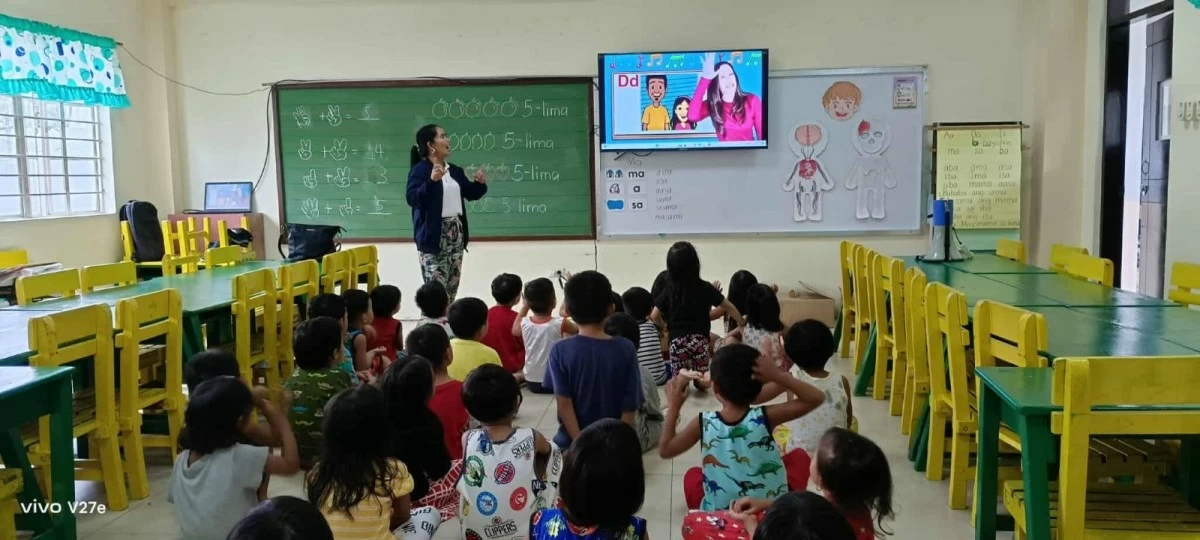
Despite recent typhoons and flooding, DepEd ensures learning continuity by implementing alternative education programs in evacuation centers, where teachers and volunteers conduct basic learning sessions and Psychological First Aid. (DepEd photo)
Despite the displacement caused by recent typhoons and flooding, the Department of Education (DepEd) on Friday, July 25, assured that learning continues by bringing alternative education programs to evacuation centers—allowing affected students to stay on track with their studies despite challenging conditions.
DepEd reaffirmed its steadfast commitment to ensuring learning continuity amid disasters, in line with President Marcos’ directive to protect every child’s rights—including their right to education—even in times of crisis.
“May mga paaralan ang nakapagpatupad ng emergency protocols at may mga guro tayong agad nagpakita ng malasakit at dedikasyon (Some schools were able to implement emergency protocols, and we have teachers who immediately showed compassion and dedication),” said DepEd Secretary Sonny Angara, who visited flood-hit schools in Malabon and Navotas this week.
“Pero hindi rin natin maikakaila na may mga lugar na hirap makabangon agad (Yet we cannot deny that there are areas struggling to recover),” he added, stressing the importance of being ready with alternatives when schools are affected.
Learning continuity
At San Joaquin and Rosario Elementary Schools in Pasig—now serving as evacuation centers for families affected by the recent flooding—DepEd emphasized that learning continues despite the disruptions.
Amid challenging conditions, DepEd reported that teachers and volunteers remain on the ground—facilitating basic learning sessions and offering Psychological First Aid (PFA) to children taking shelter in makeshift classrooms within the schools.
“Kailangan pa nating pag-ibayuhin ang suporta sa kanila, lalo na sa pagbibigay ng learning materials, psychosocial aid, at pansamantalang espasyo para sa pag-aaral (We need to further strengthen our support for them—especially in providing learning materials, psychosocial aid, and temporary spaces for learning),” Angara said.
Alternative learning delivery modes
In several affected areas, DepEd reported that Schools Division Offices (SDOs) have initiated structured alternative learning delivery modes—including modular instruction and guided group learning—to ensure that displaced learners in temporary shelters can continue their education.
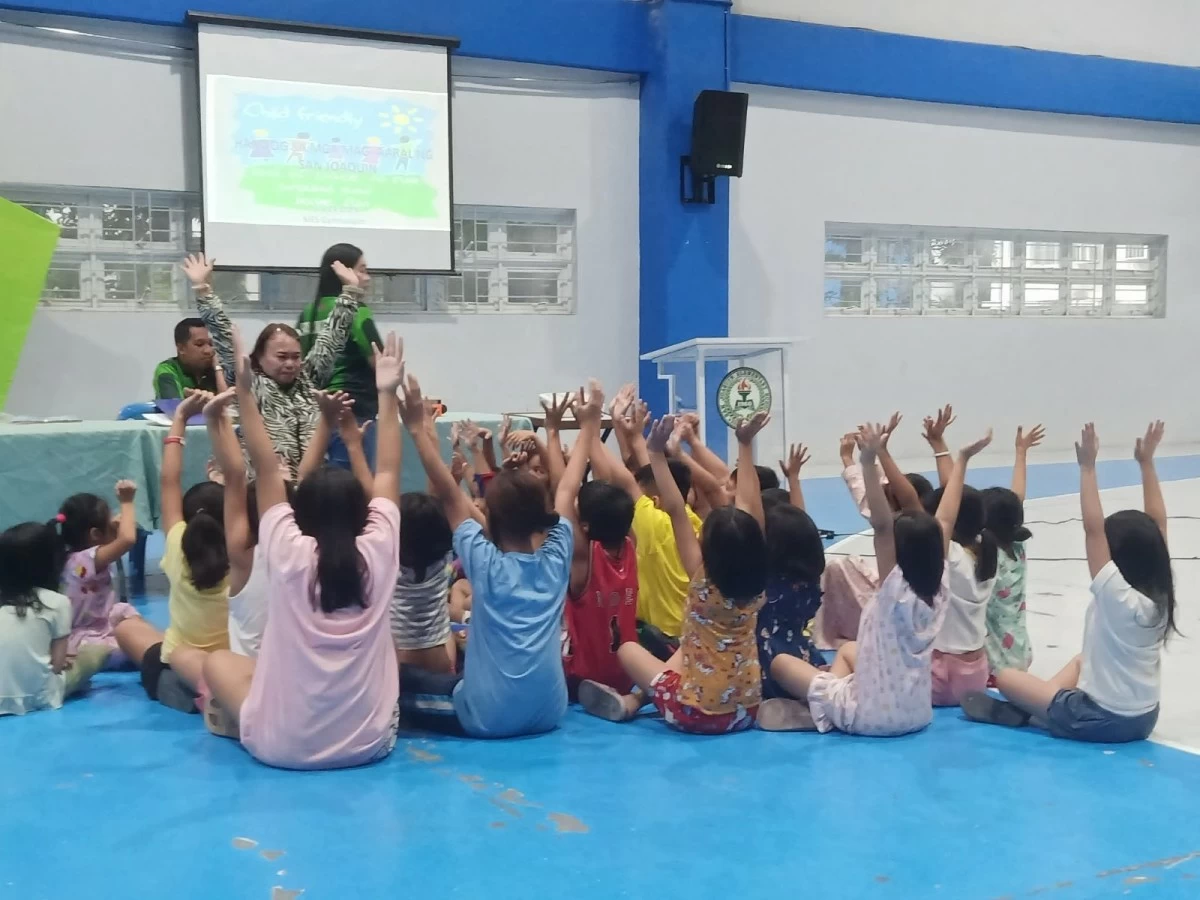
After recent typhoons and flooding, DepEd ensures learning continues by providing alternative education and Psychological First Aid in evacuation centers, with teachers and volunteers leading the efforts. (DepEd photo)
Angara underscored that while the safety of children remains the top priority, offering structured learning in evacuation centers helps restore a sense of normalcy and plays a vital role in their emotional and psychological recovery.
“Alam nating hindi madaling mag-aral habang lumikas o apektado ng baha, pero mahalaga pa ring may ginagawa ang mga bata (We know it’s not easy for children to study while displaced or affected by floods, but it’s still important for them to stay engaged),” Angara said.
“Kahit simpleng aktibidad, malaking tulong ito sa kanilang pagbangon (Even simple activities can make a big difference in their recovery),” he added, thanking teachers and volunteers for their unwavering dedication during the disaster.
Damages
As of 5 p.m. on July 24, DepEd reported that 24,649 schools nationwide have suspended in-person classes due to persistent heavy rains and flooding.
Of these, 442 schools are now serving as evacuation centers across ten regions—including the National Capital Region; Regions I, II, III, IV-A, IV-B, VI, and IX; the Cordillera Administrative Region (CAR); and the Negros Island Region (NIR).
DepEd’s Disaster Risk Reduction and Management Service (DRRMS) reported extensive infrastructure damage following recent disasters: 2,492 classrooms sustained minor damage, 726 were severely impacted, and 732 were completely destroyed. In addition, 327 Water, Sanitation, and Hygiene (WASH) facilities were affected—further straining support for displaced learners.
In response, DepEd has mobilized over P17 million in emergency funds to support affected schools—allocating P6.98 million for immediate cleaning and clearing operations, and P10.04 million for minor repairs to damaged classrooms.
DepEd said field offices have also been directed to “activate contingency plans, secure vital school equipment and records, and coordinate closely with local disaster response units.”
Meanwhile, DepEd assured the public that it remains “vigilant in monitoring the situation and is working to protect both the welfare and the learning continuity of Filipino students—especially during emergencies.”