ADVERTISEMENT

Civic spaces and catalysts: How change begins

Published Jul 25, 2025 02:07 am
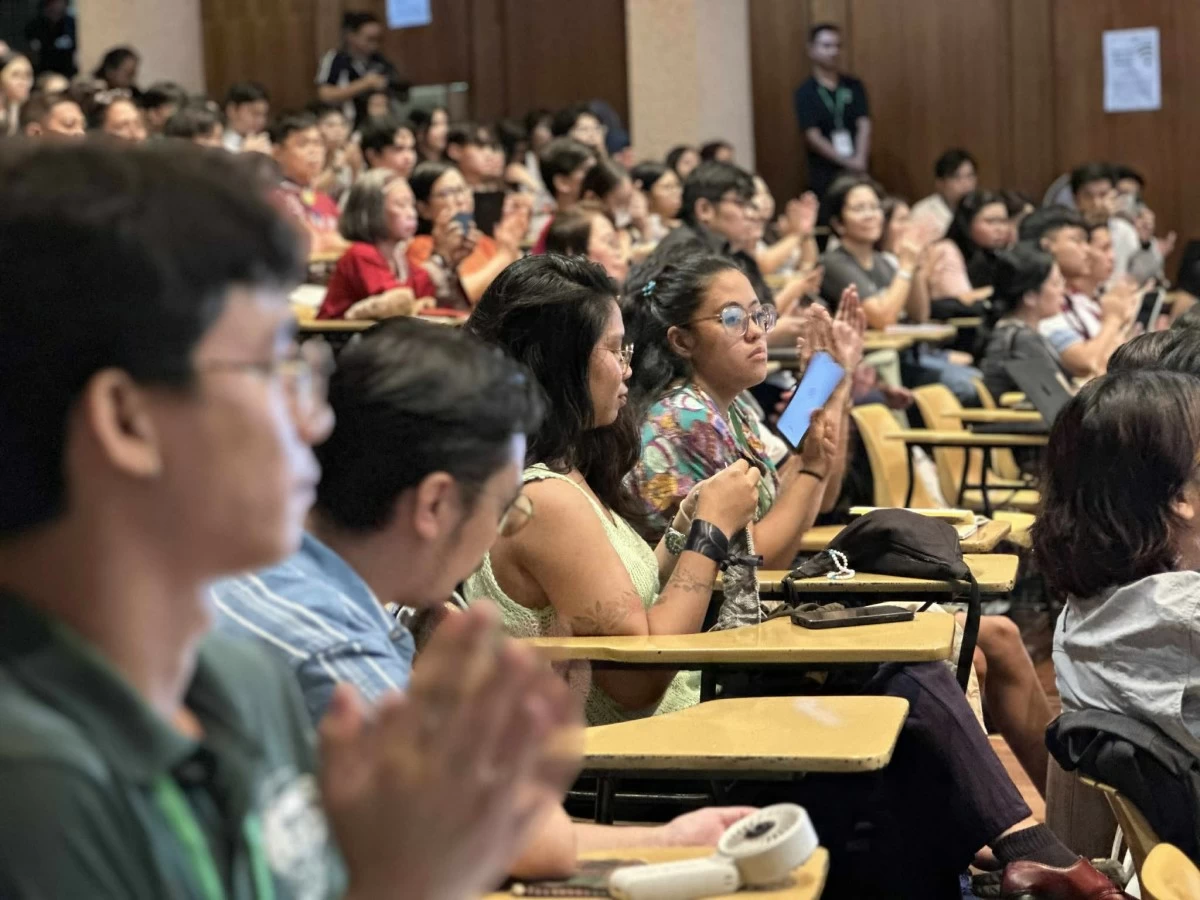
Students filled up the room at the State of Philippine Environment Forum. (Photos courtesy of CEC Philippines)
On July 11, 2025, the State of the Philippine Environment Forum brought together students, advocates, diplomats, and members of the media at the University of the Philippines College of Engineering Theater. The forum unpacked the realities facing our ecosystems—from our forests and watersheds to our wetlands and marine sanctuaries—amid growing threats from large-scale development and extractive projects.
While the statistics presented were sobering, it was the mood in the room that left a lasting impression. The energy, especially from the youth, was undeniable. There was hope. Passion. A fire that refused to be put out. This energy has long fueled reform in the Philippines—from EDSA to climate marches—and it continues to sustain the fight for justice, democracy, and a livable future.
This forum was also a timely reminder: Civic spaces are essential. They are the heartbeat of any democracy. It is in spaces like these that we question, organize, resist, and reimagine. Change does not begin in boardrooms—it begins with people. With votes cast, petitions signed, and calls for accountability echoed across campuses, barangays, and online platforms.
Civic space is shrinking
According to the 2024 CIVICUS Monitor, the Philippines remains classified as a “repressed” country. Only 40 of the 198 countries and territories assessed were considered “open.” In contrast, over 70 percent of the world’s population lives under repressed or closed civic conditions—where organizing, protesting, and speaking freely are restricted or criminalized.
CIVICUS reports that the most common violations globally include the detention of protesters and journalists, attacks on human rights defenders, and disruption of peaceful demonstrations. These are not distant problems—they are happening here, often to those who defend our forests, rivers, and ancestral domains.
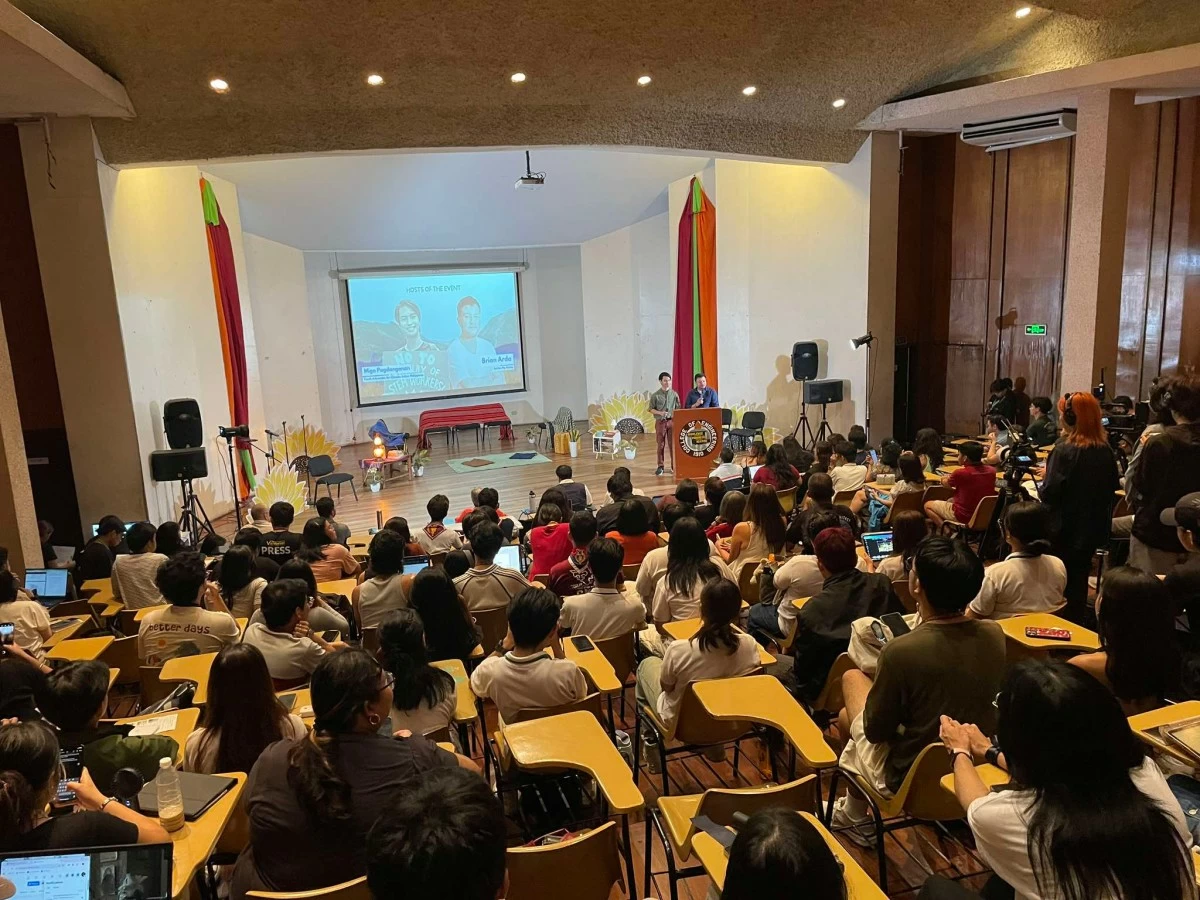
Students fill up the room at the State of Philippine Environment Forum.
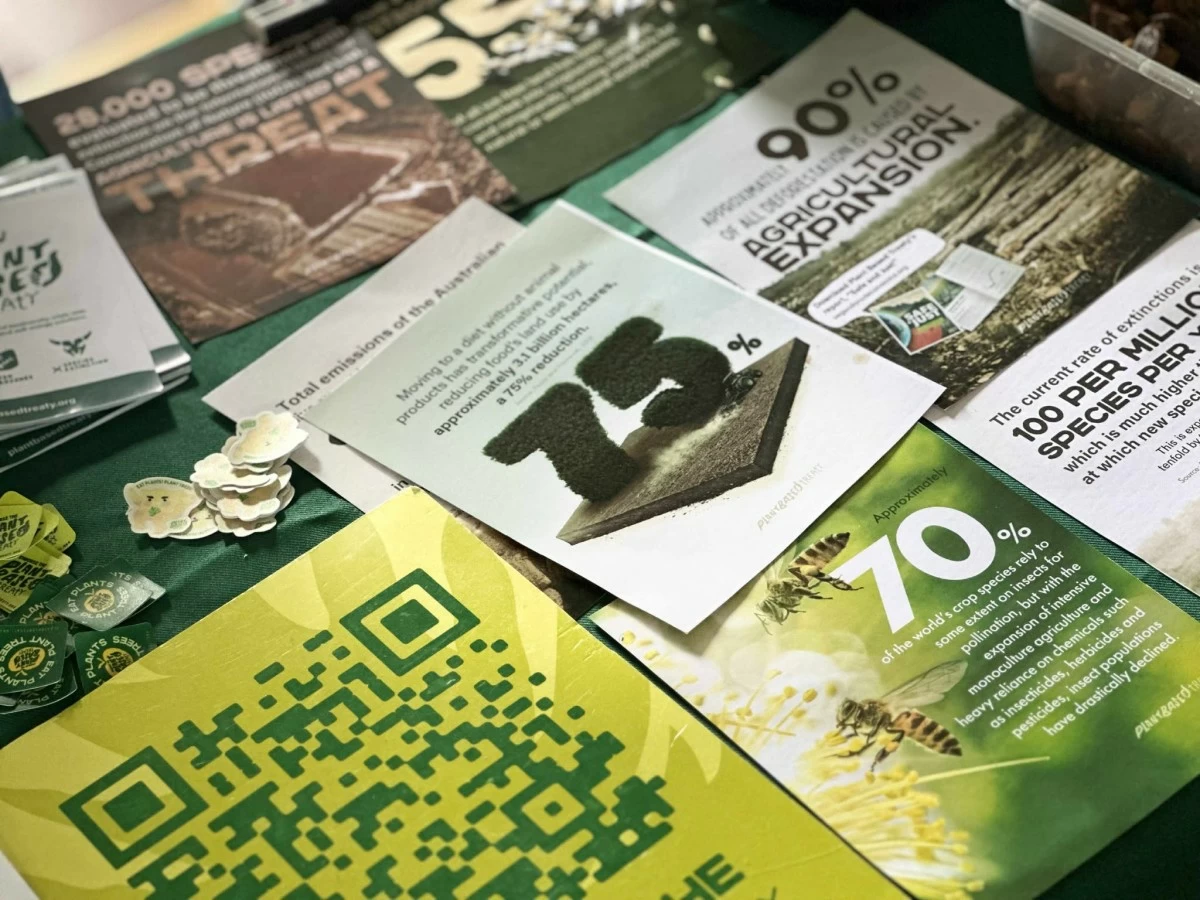
Interest in environmental issues continues to rise in today's Filipino youth.
Progress is possible
In 2024, nine countries from Fiji to Poland saw improvements in their civic space ratings. Their stories show that meaningful reform can be achieved when governments listen, institutions are strengthened, and civil society is protected rather than persecuted.
To the 20th Congress of the Philippines, we call on you to strengthen civic freedoms. Pass laws that protect peaceful assembly and the right to organize. Take concrete steps to prevent red-tagging and the vilification of environmental and human rights defenders. Institutionalize access to environmental information and justice. Uphold the rights enshrined in our Constitution—not just in principle, but in practice.
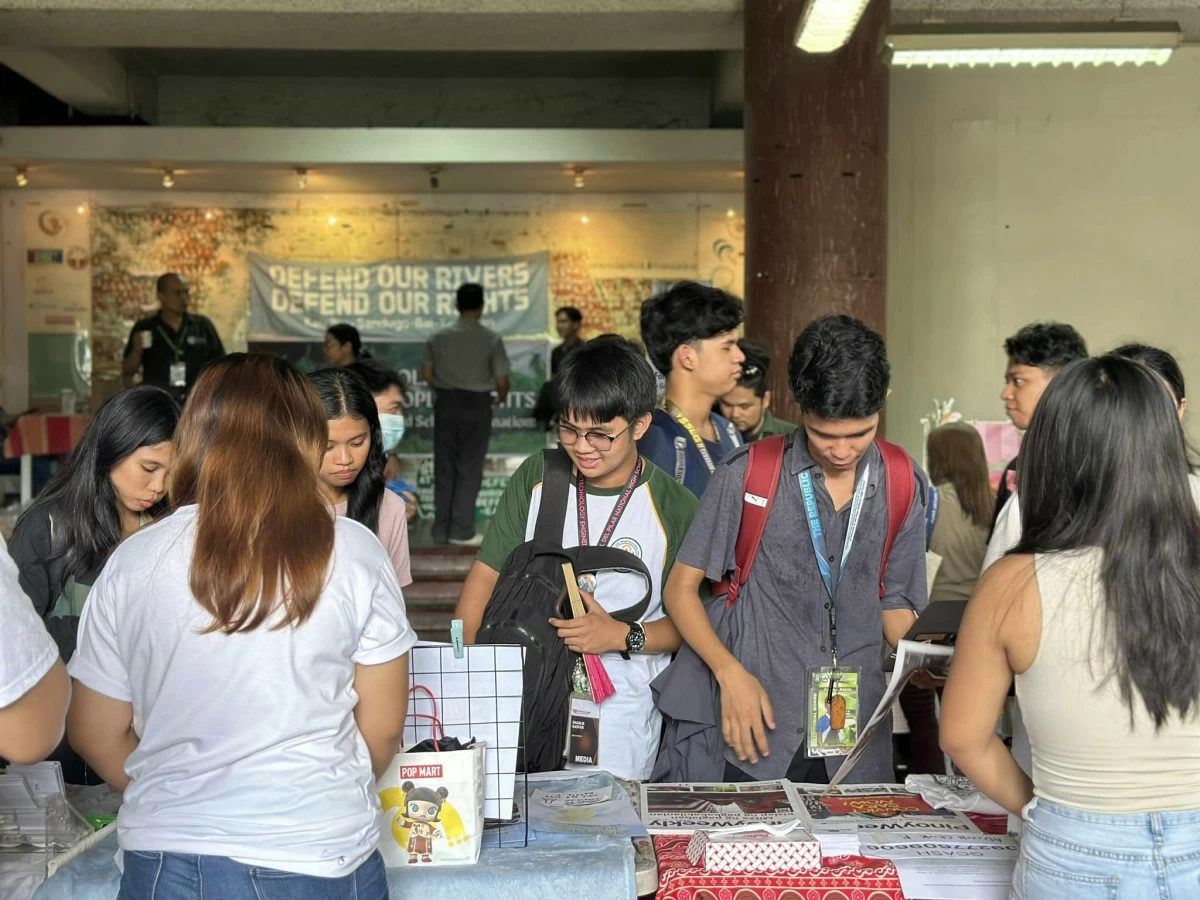
Booths outside the forum carry products that promote their advocacies.
Two mayors reminded us of this potential during the 2025 UP College of Engineering Recognition Rites. Mayor Benjamin Magalong said, “Hindi kayo powerless. Hindi kayo voiceless. (You are not powerless. You are not voiceless.) You are exactly what this country needs.” And Mayor Vico Sotto echoed: “You will have the opportunity to be a catalyst for change—more drastic and faster than at any time in history.”
Our civic spaces must not only survive—they must thrive. Because a just, sustainable future depends on the ability of every Filipino to speak, act, and lead without fear.
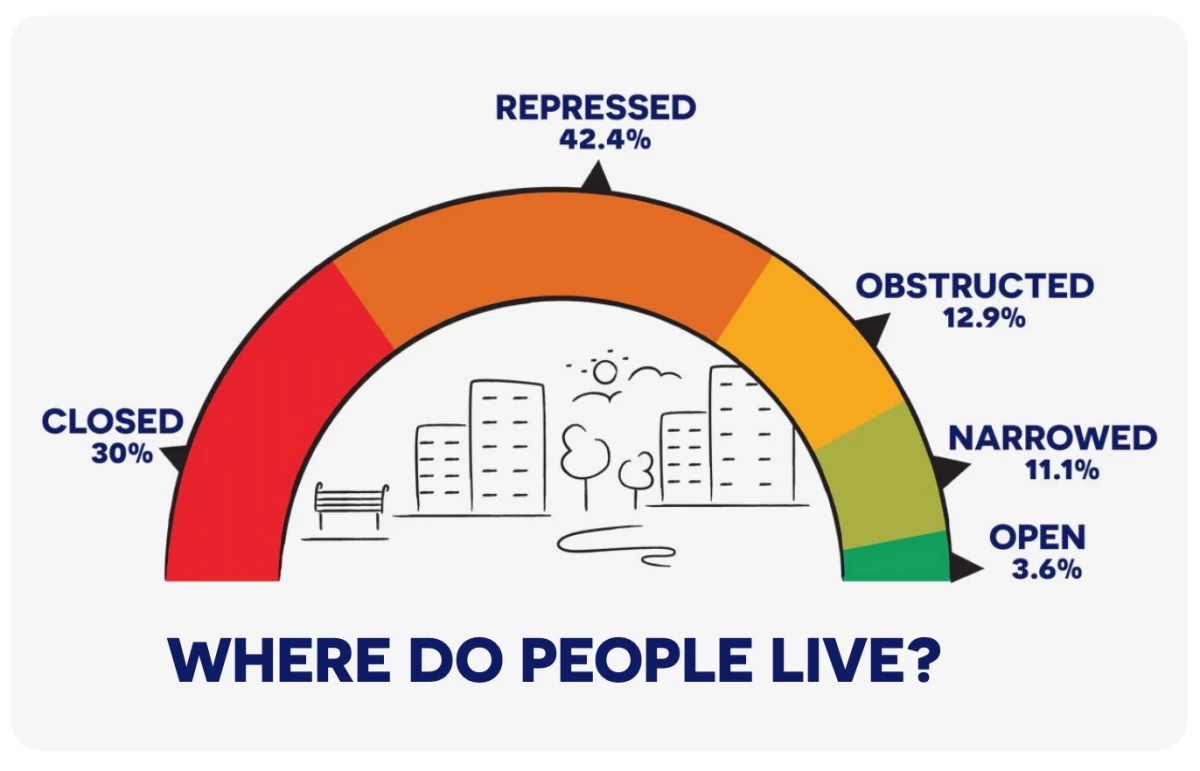
According to CIVICUs, more than 70 percent of the world live in repressed or closed societies. (Image courtesy of CIVICUS Monitor)

Related Tags

Billie Dumaliang State of the Philippine Environment Forum Civic spaces CIVICUS Benjamin Magalong Vico Sotto
ADVERTISEMENT
.most-popular .layout-ratio{ padding-bottom: 79.13%; } @media (min-width: 768px) and (max-width: 1024px) { .widget-title { font-size: 15px !important; } }

{{ articles_filter_1561_widget.title }}

.most-popular .layout-ratio{ padding-bottom: 79.13%; } @media (min-width: 768px) and (max-width: 1024px) { .widget-title { font-size: 15px !important; } }

{{ articles_filter_1562_widget.title }}

.most-popular .layout-ratio{ padding-bottom: 79.13%; } @media (min-width: 768px) and (max-width: 1024px) { .widget-title { font-size: 15px !important; } }

{{ articles_filter_1563_widget.title }}

{{ articles_filter_1564_widget.title }}

.mb-article-details { position: relative; } .mb-article-details .article-body-preview, .mb-article-details .article-body-summary{ font-size: 17px; line-height: 30px; font-family: "Libre Caslon Text", serif; color: #000; } .mb-article-details .article-body-preview iframe , .mb-article-details .article-body-summary iframe{ width: 100%; margin: auto; } .read-more-background { background: linear-gradient(180deg, color(display-p3 1.000 1.000 1.000 / 0) 13.75%, color(display-p3 1.000 1.000 1.000 / 0.8) 30.79%, color(display-p3 1.000 1.000 1.000) 72.5%); position: absolute; height: 200px; width: 100%; bottom: 0; display: flex; justify-content: center; align-items: center; padding: 0; } .read-more-background a{ color: #000; } .read-more-btn { padding: 17px 45px; font-family: Inter; font-weight: 700; font-size: 18px; line-height: 16px; text-align: center; vertical-align: middle; border: 1px solid black; background-color: white; } .hidden { display: none; }
function initializeAllSwipers() { // Get all hidden inputs with cms_article_id document.querySelectorAll('[id^="cms_article_id_"]').forEach(function (input) { const cmsArticleId = input.value; const articleSelector = '#article-' + cmsArticleId + ' .body_images'; const swiperElement = document.querySelector(articleSelector); if (swiperElement && !swiperElement.classList.contains('swiper-initialized')) { new Swiper(articleSelector, { loop: true, pagination: false, navigation: { nextEl: '#article-' + cmsArticleId + ' .swiper-button-next', prevEl: '#article-' + cmsArticleId + ' .swiper-button-prev', }, }); } }); } setTimeout(initializeAllSwipers, 3000); const intersectionObserver = new IntersectionObserver( (entries) => { entries.forEach((entry) => { if (entry.isIntersecting) { const newUrl = entry.target.getAttribute("data-url"); if (newUrl) { history.pushState(null, null, newUrl); let article = entry.target; // Extract metadata const author = article.querySelector('.author-section').textContent.replace('By', '').trim(); const section = article.querySelector('.section-info ').textContent.replace(' ', ' '); const title = article.querySelector('.article-title h1').textContent; // Parse URL for Chartbeat path format const parsedUrl = new URL(newUrl, window.location.origin); const cleanUrl = parsedUrl.host + parsedUrl.pathname; // Update Chartbeat configuration if (typeof window._sf_async_config !== 'undefined') { window._sf_async_config.path = cleanUrl; window._sf_async_config.sections = section; window._sf_async_config.authors = author; } // Track virtual page view with Chartbeat if (typeof pSUPERFLY !== 'undefined' && typeof pSUPERFLY.virtualPage === 'function') { try { pSUPERFLY.virtualPage({ path: cleanUrl, title: title, sections: section, authors: author }); } catch (error) { console.error('ping error', error); } } // Optional: Update document title if (title && title !== document.title) { document.title = title; } } } }); }, { threshold: 0.1 } ); function showArticleBody(button) { const article = button.closest("article"); const summary = article.querySelector(".article-body-summary"); const body = article.querySelector(".article-body-preview"); const readMoreSection = article.querySelector(".read-more-background"); // Hide summary and read-more section summary.style.display = "none"; readMoreSection.style.display = "none"; // Show the full article body body.classList.remove("hidden"); } document.addEventListener("DOMContentLoaded", () => { let loadCount = 0; // Track how many times articles are loaded const offset = [1, 2, 3, 4, 5, 6, 7, 8, 9, 10]; // Offset values const currentUrl = window.location.pathname.substring(1); let isLoading = false; // Prevent multiple calls if (!currentUrl) { console.log("Current URL is invalid."); return; } const sentinel = document.getElementById("load-more-sentinel"); if (!sentinel) { console.log("Sentinel element not found."); return; } function isSentinelVisible() { const rect = sentinel.getBoundingClientRect(); return ( rect.top < window.innerHeight && rect.bottom >= 0 ); } function onScroll() { if (isLoading) return; if (isSentinelVisible()) { if (loadCount >= offset.length) { console.log("Maximum load attempts reached."); window.removeEventListener("scroll", onScroll); return; } isLoading = true; const currentOffset = offset[loadCount]; window.loadMoreItems().then(() => { let article = document.querySelector('#widget_1690 > div:nth-last-of-type(2) article'); intersectionObserver.observe(article) loadCount++; }).catch(error => { console.error("Error loading more items:", error); }).finally(() => { isLoading = false; }); } } window.addEventListener("scroll", onScroll); });

Sign up by email to receive news.