ADVERTISEMENT

How to use color corrector the right way

Learn how to choose the right color correctors and application techniques for a smooth, radiant complexion

Published Jul 24, 2025 12:38 pm
Image from ChuChu Beauty
They say makeup is both an art and science—and nowhere is that more evident than with color correctors. Despite the dazzling array of cosmetic products on the market, color correcting remains one of the most misunderstood tools, especially for beginners. But once mastered, it can completely transform your makeup game.
Ever wondered how some people seem to have effortlessly even, radiant skin? Their secret often lies in color correction. Unlike traditional concealers, color correctors work based on the principles of the color wheel to neutralize unwanted tones—creating a smoother, more balanced base for your foundation.

Your cheat sheet
The magic of color correcting starts with the color wheel. Remember in art class how opposite colors cancel each other out? That same principle applies to your skin. Redness, dullness, and dark spots all have specific tones—and with the right corrector, you can neutralize them for a flawless finish.
Green: Counteracts redness
Use for: This is your go-to product for calming sunburn, neutralizing rosacea-related redness, concealing angry red blemishes, minimizing broken capillaries, and reducing red spots in general.
Blue: Neutralizes orange tones
Use for: Enjoyed the sun a bit too much? Or is your foundation looking a little too warm? If you’re dealing with orange-tinted hyperpigmentation, an overly tanned appearance, or a foundation that pulls too orange on your skin, a blue corrector can balance things out.
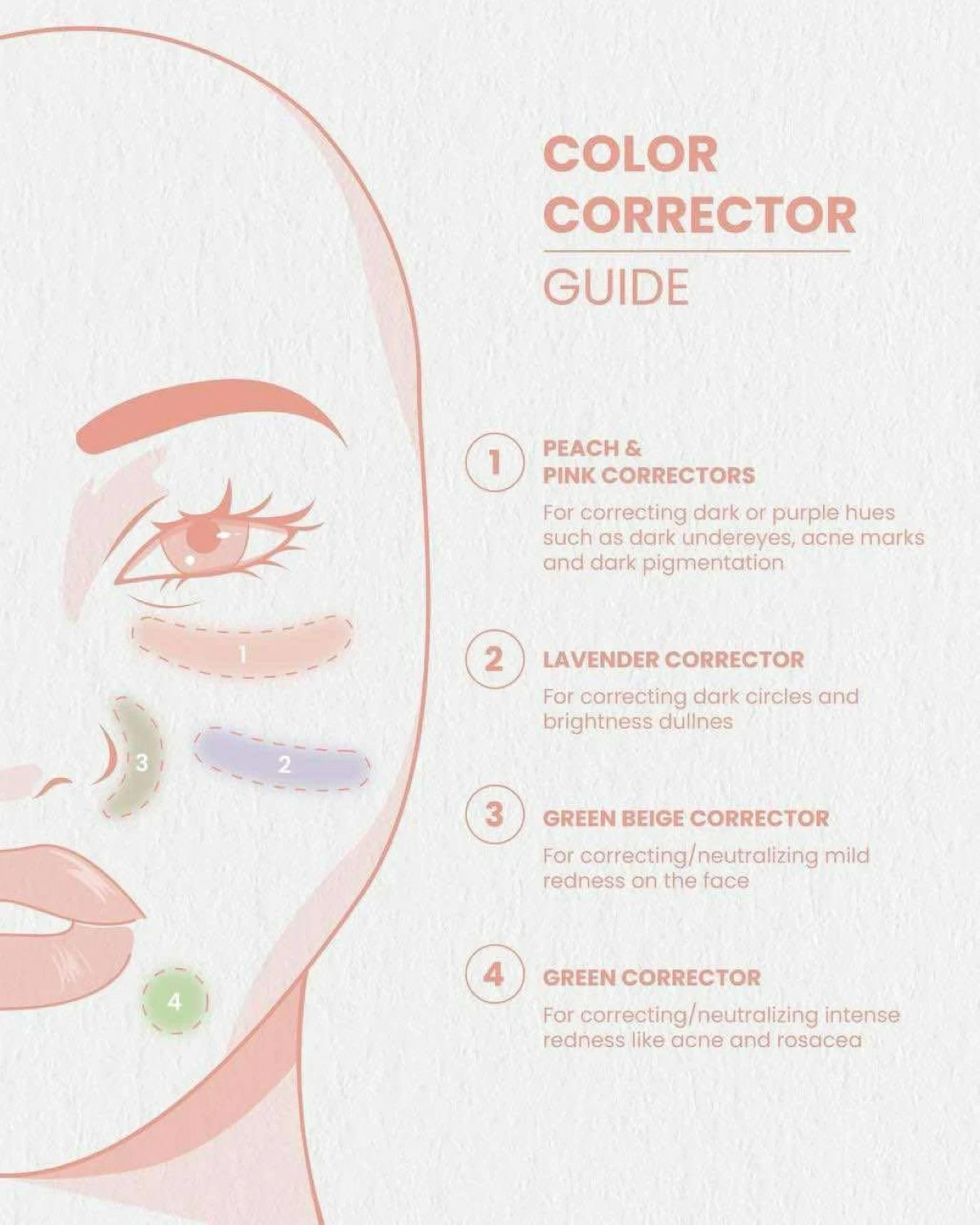
Image from GRWM Cosmetics
Lavender or purple: Brightens dull or yellow skin
Use for: Bid farewell to dull, yellow, or sallow skin! Lavender or purple correctors are ideal for adding radiance, giving your complexion a refreshed and youthful appearance.
Yellow: Cancel out blue or purple tones
Use for: For those annoying dark under-eye circles that have a bluish or purplish tint, this corrector is a lifesaver. Additionally, especially if you have lighter skin tones, it works wonders at hiding visible veins and bruises.
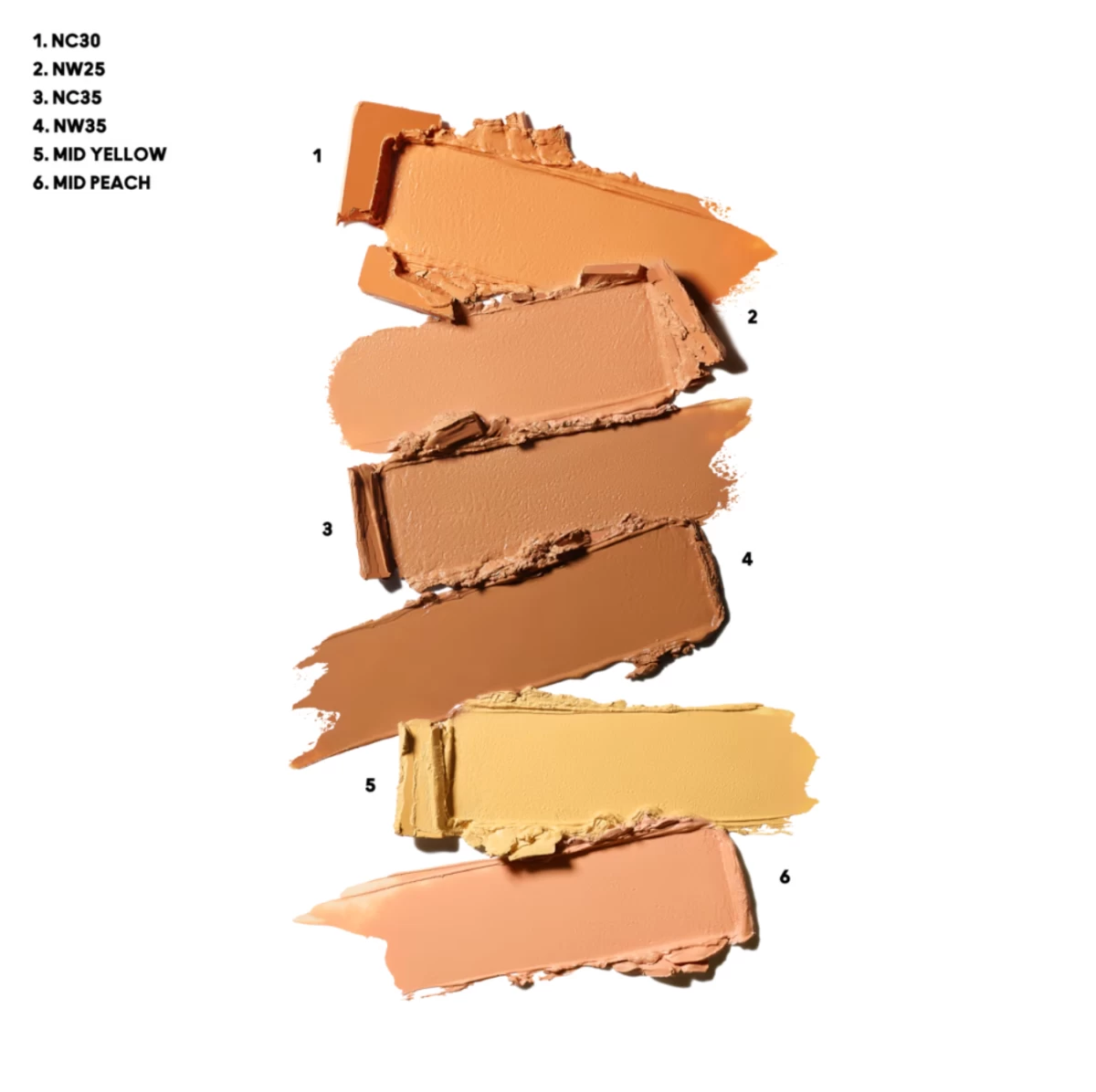
Orange: Eliminates blue or grayish tones
Use for: Orange correctors are essential for medium to deep skin tones, effectively neutralizing stubborn blue or grayish undereye circles. They’re also a secret weapon for minimizing beard shadow and evening out discoloration in areas with darker pigmentation.
Red/Brick: Offsets deep blue, green, or gray tones
Use for: Red or brick correctors provide powerful neutralization of deep blue, green, or gray undertones. They’re especially effective for people with deeper skin tones who have noticeable dark spots or very dark undereye circles.
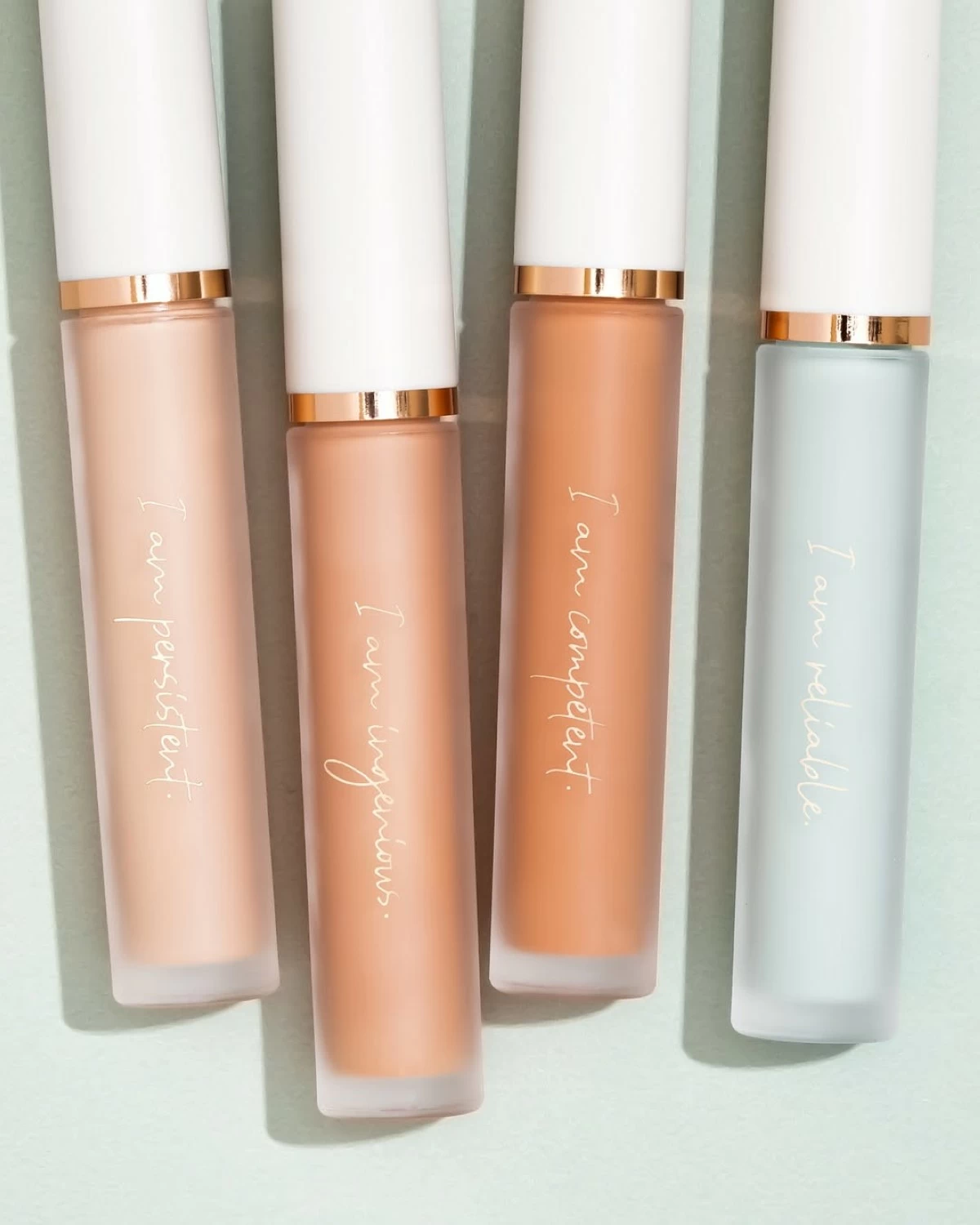
Peach/Salmon: Cancels out blue and purple tones
Use for: For fair to medium skin tones, peach or salmon correctors, which fall comfortably between yellow and orange, are used for addressing mild dark circles and minor pigmentation issues.
Pink: Counteracts greenish or dull tones
Use for: A pink corrector is ideal for lighter skin tones because it brightens the undereye area and revitalizes dull or greenish skin.

Pro tips
Manila Bulletin Lifestyle spoke with professional makeup artists Byron Velasquez and Muriel Vega Perez to guide us on how to properly use color correctors.
Byron shares, “For Filipino skin tones, we usually use green, yellow, peach, and orange. When applying, less is more. Start with a small amount of product and build up if necessary. You don't want to create a new color—you just want to neutralize the undesirable tone. Pro tip: Blend the edges well and set the corrector with a little powder before applying concealer or liquid foundation.”

Apart from choosing the right color, Muriel also shared some tips on selecting the right product. “We also need to consider your skin type for the product formulations,” he said. “For oily skin, opt for a matte and oil-free formulation. For dry skin, choose hydrating and creamy correctors like Beauty Hive Correctors. And for sensitive skin, make sure the product is fragrance-free. Lastly, always try before buying. Make sure it blends well with your skin, can be layered to achieve your desired look, and, of course, adapts well to your skin."

Related Tags

Color correctors beauty makeup
ADVERTISEMENT
.most-popular .layout-ratio{ padding-bottom: 79.13%; } @media (min-width: 768px) and (max-width: 1024px) { .widget-title { font-size: 15px !important; } }

{{ articles_filter_1561_widget.title }}

.most-popular .layout-ratio{ padding-bottom: 79.13%; } @media (min-width: 768px) and (max-width: 1024px) { .widget-title { font-size: 15px !important; } }

{{ articles_filter_1562_widget.title }}

.most-popular .layout-ratio{ padding-bottom: 79.13%; } @media (min-width: 768px) and (max-width: 1024px) { .widget-title { font-size: 15px !important; } }

{{ articles_filter_1563_widget.title }}

{{ articles_filter_1564_widget.title }}

.mb-article-details { position: relative; } .mb-article-details .article-body-preview, .mb-article-details .article-body-summary{ font-size: 17px; line-height: 30px; font-family: "Libre Caslon Text", serif; color: #000; } .mb-article-details .article-body-preview iframe , .mb-article-details .article-body-summary iframe{ width: 100%; margin: auto; } .read-more-background { background: linear-gradient(180deg, color(display-p3 1.000 1.000 1.000 / 0) 13.75%, color(display-p3 1.000 1.000 1.000 / 0.8) 30.79%, color(display-p3 1.000 1.000 1.000) 72.5%); position: absolute; height: 200px; width: 100%; bottom: 0; display: flex; justify-content: center; align-items: center; padding: 0; } .read-more-background a{ color: #000; } .read-more-btn { padding: 17px 45px; font-family: Inter; font-weight: 700; font-size: 18px; line-height: 16px; text-align: center; vertical-align: middle; border: 1px solid black; background-color: white; } .hidden { display: none; }
function initializeAllSwipers() { // Get all hidden inputs with cms_article_id document.querySelectorAll('[id^="cms_article_id_"]').forEach(function (input) { const cmsArticleId = input.value; const articleSelector = '#article-' + cmsArticleId + ' .body_images'; const swiperElement = document.querySelector(articleSelector); if (swiperElement && !swiperElement.classList.contains('swiper-initialized')) { new Swiper(articleSelector, { loop: true, pagination: false, navigation: { nextEl: '#article-' + cmsArticleId + ' .swiper-button-next', prevEl: '#article-' + cmsArticleId + ' .swiper-button-prev', }, }); } }); } setTimeout(initializeAllSwipers, 3000); const intersectionObserver = new IntersectionObserver( (entries) => { entries.forEach((entry) => { if (entry.isIntersecting) { const newUrl = entry.target.getAttribute("data-url"); if (newUrl) { history.pushState(null, null, newUrl); let article = entry.target; // Extract metadata const author = article.querySelector('.author-section').textContent.replace('By', '').trim(); const section = article.querySelector('.section-info ').textContent.replace(' ', ' '); const title = article.querySelector('.article-title h1').textContent; // Parse URL for Chartbeat path format const parsedUrl = new URL(newUrl, window.location.origin); const cleanUrl = parsedUrl.host + parsedUrl.pathname; // Update Chartbeat configuration if (typeof window._sf_async_config !== 'undefined') { window._sf_async_config.path = cleanUrl; window._sf_async_config.sections = section; window._sf_async_config.authors = author; } // Track virtual page view with Chartbeat if (typeof pSUPERFLY !== 'undefined' && typeof pSUPERFLY.virtualPage === 'function') { try { pSUPERFLY.virtualPage({ path: cleanUrl, title: title, sections: section, authors: author }); } catch (error) { console.error('ping error', error); } } // Optional: Update document title if (title && title !== document.title) { document.title = title; } } } }); }, { threshold: 0.1 } ); function showArticleBody(button) { const article = button.closest("article"); const summary = article.querySelector(".article-body-summary"); const body = article.querySelector(".article-body-preview"); const readMoreSection = article.querySelector(".read-more-background"); // Hide summary and read-more section summary.style.display = "none"; readMoreSection.style.display = "none"; // Show the full article body body.classList.remove("hidden"); } document.addEventListener("DOMContentLoaded", () => { let loadCount = 0; // Track how many times articles are loaded const offset = [1, 2, 3, 4, 5, 6, 7, 8, 9, 10]; // Offset values const currentUrl = window.location.pathname.substring(1); let isLoading = false; // Prevent multiple calls if (!currentUrl) { console.log("Current URL is invalid."); return; } const sentinel = document.getElementById("load-more-sentinel"); if (!sentinel) { console.log("Sentinel element not found."); return; } function isSentinelVisible() { const rect = sentinel.getBoundingClientRect(); return ( rect.top < window.innerHeight && rect.bottom >= 0 ); } function onScroll() { if (isLoading) return; if (isSentinelVisible()) { if (loadCount >= offset.length) { console.log("Maximum load attempts reached."); window.removeEventListener("scroll", onScroll); return; } isLoading = true; const currentOffset = offset[loadCount]; window.loadMoreItems().then(() => { let article = document.querySelector('#widget_1690 > div:nth-last-of-type(2) article'); intersectionObserver.observe(article) loadCount++; }).catch(error => { console.error("Error loading more items:", error); }).finally(() => { isLoading = false; }); } } window.addEventListener("scroll", onScroll); });

Sign up by email to receive news.