






Manila Bulletin
 Lifestyle
Fashion and Beauty
5 skincare myths that can ruin your skin this rainy season
Lifestyle
Fashion and Beauty
5 skincare myths that can ruin your skin this rainy season
Lifestyle
Fashion and Beauty
5 skincare myths that can ruin your skin this rainy season
5 skincare myths that can ruin your skin this rainy season
Board-certified dermatologist Dr. Karen Grace Gavino-Dionisio breaks down the truth behind common monsoon skincare mistakes—from skipping SPF to misunderstanding oily skin
Published Jul 24, 2025 01:48 pm


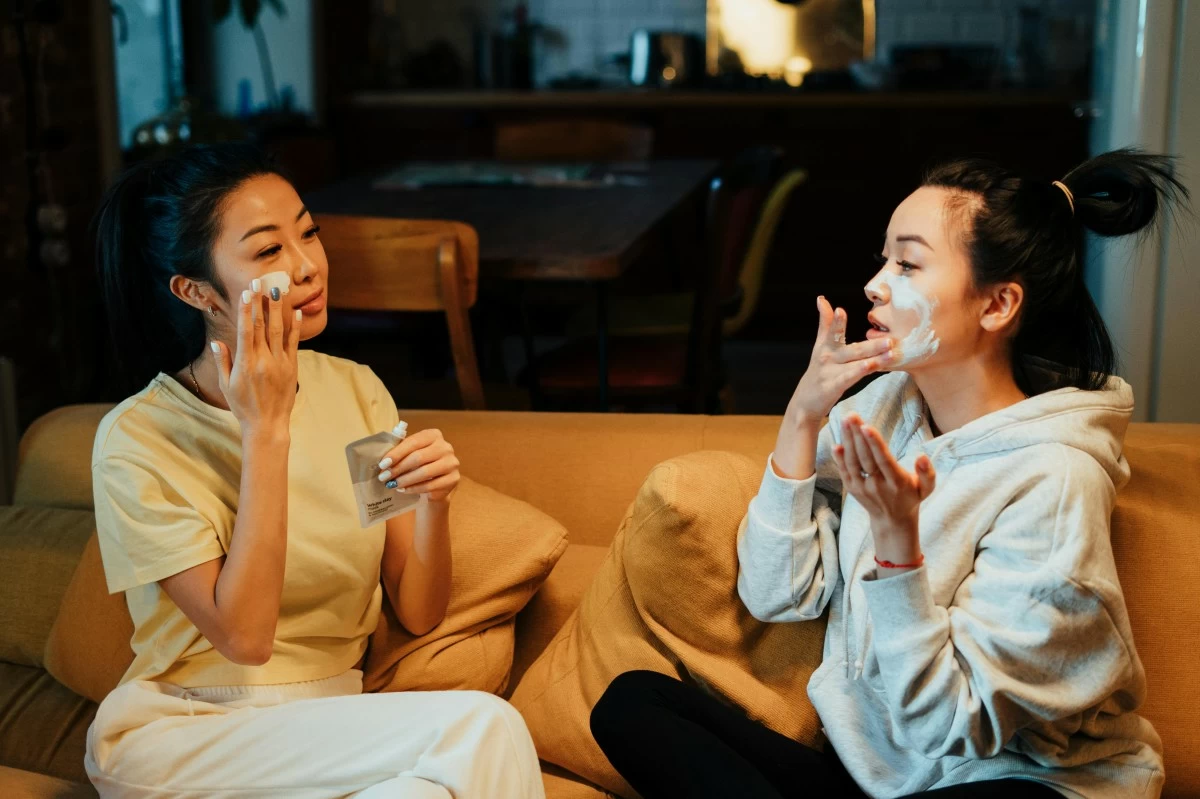
Not everyone realizes that the rainy season brings its own set of challenges to our skin, especially in a hot and humid climate like the Philippines. Board-certified dermatologist Dr. Karen Grace Gavino-Dionisio of the Philippine Dermatological Society explains how these changing weather conditions affect skin health.

Dr. Karen Grace Gavino-Dionisio
“The high humidity and fluctuating temperatures during the rainy season often lead to skin imbalance,” says Dr. Karen. “You might notice your T-zone getting greasy, while other areas like the cheeks or neck still feel dry or tight. This imbalance can worsen oiliness, clog pores, and increase the risk of fungal and bacterial infections, particularly in sweaty, occluded areas.”
Manila Bulletin Lifestyle sat down with her to address common skin myths related to the rainy season—myths you may not realize could be damaging your skin.
Myth #1: Oily skin doesn’t need moisturizer in humid weather.
Contrary to popular belief, skipping moisturizer is a big mistake, even if you have oily skin. “Oily skin can still be dehydrated, meaning it lacks sufficient moisture,” explains the dermatologist. “Moisturizing helps balance oil production, protect your skin barrier, and prevent irritation.”
Her recommendations? For oily or combination skin, opt for gel-based or water-based moisturizers that absorb quickly without leaving a greasy residue. Look for non-comedogenic labels to avoid breakouts. Ingredients like hyaluronic acid and niacinamide are excellent for hydration and oil control. For dry skin, lightweight emollients with ceramides, glycerin, squalane, or Pentavitin provide breathable hydration without feeling heavy and sticky.
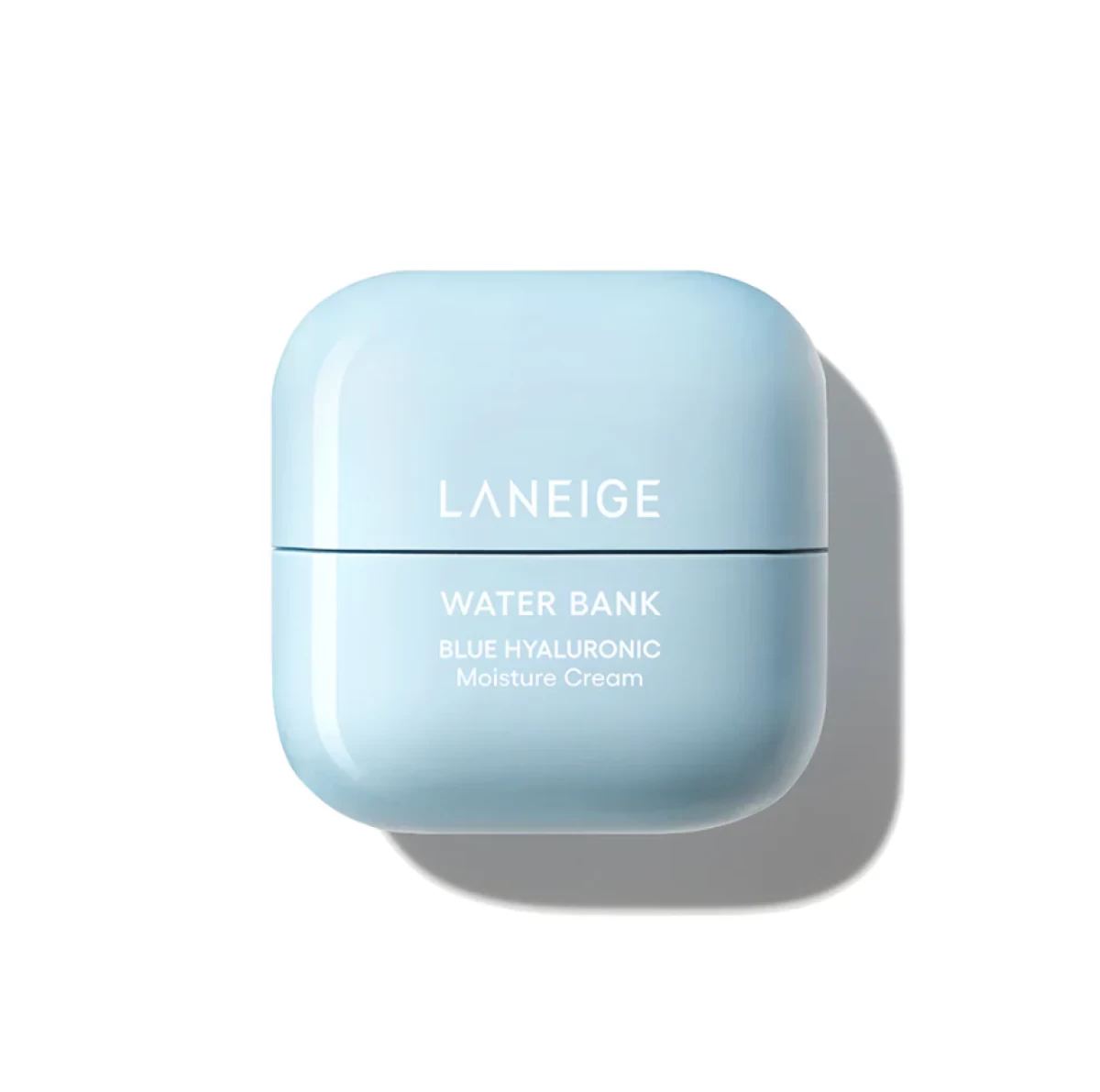
Laneige Water Bank Moisture Cream
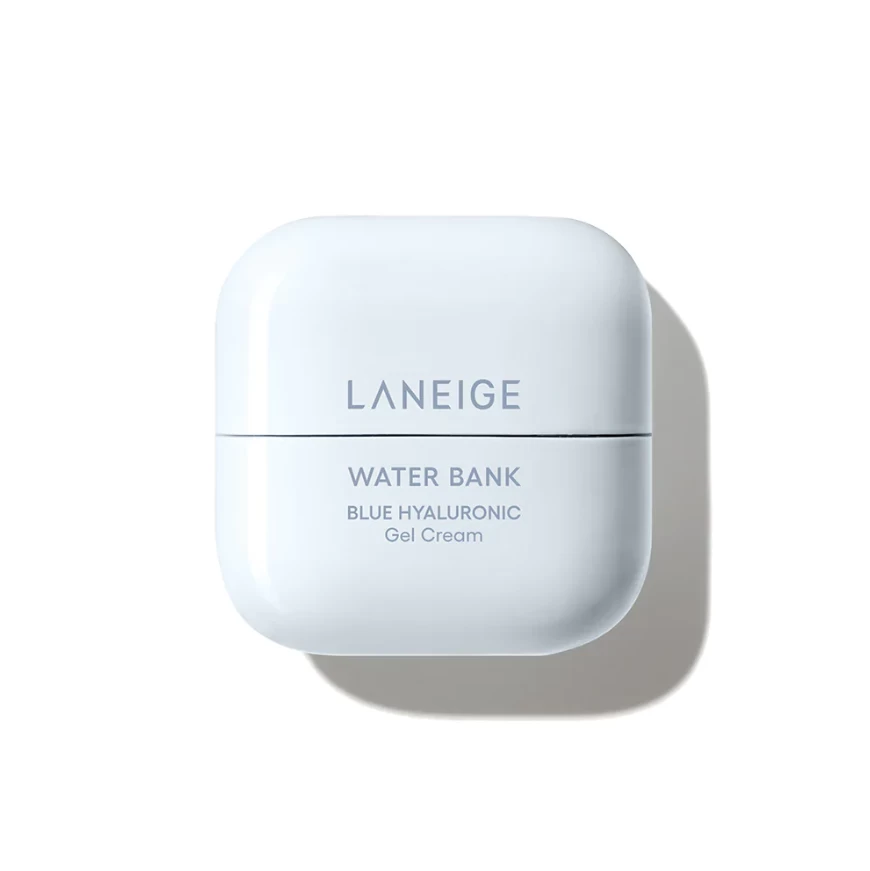
Laneige Water Bank Gel Cream
Try: Laneige Water Bank Moisture Cream delivers rich, breathable hydration with squalane and ceramides that suits dry skin needing deep moisture without heaviness, while Laneige Water Bank Gel Cream provides lightweight, fast-absorbing hydration with hyaluronic acid and squalane, which is ideal for oily or combination skin seeking moisture without a greasy residue.
Myth #2: Humid weather keeps skin hydrated.
External humidity doesn’t guarantee your skin is properly hydrated. “Dehydration can still happen due to excessive sweating, air conditioning, or over-cleansing,” says Dr. Karen. Signs include tightness, sensitivity, rough or flaky patches despite oily skin, dullness, and patchy makeup application.
To combat this, she advises using hydrating toners or essences containing humectants like hyaluronic acid or glycerin, and avoiding harsh, alcohol-based products. Gentle and soap-free cleansers are the best options.
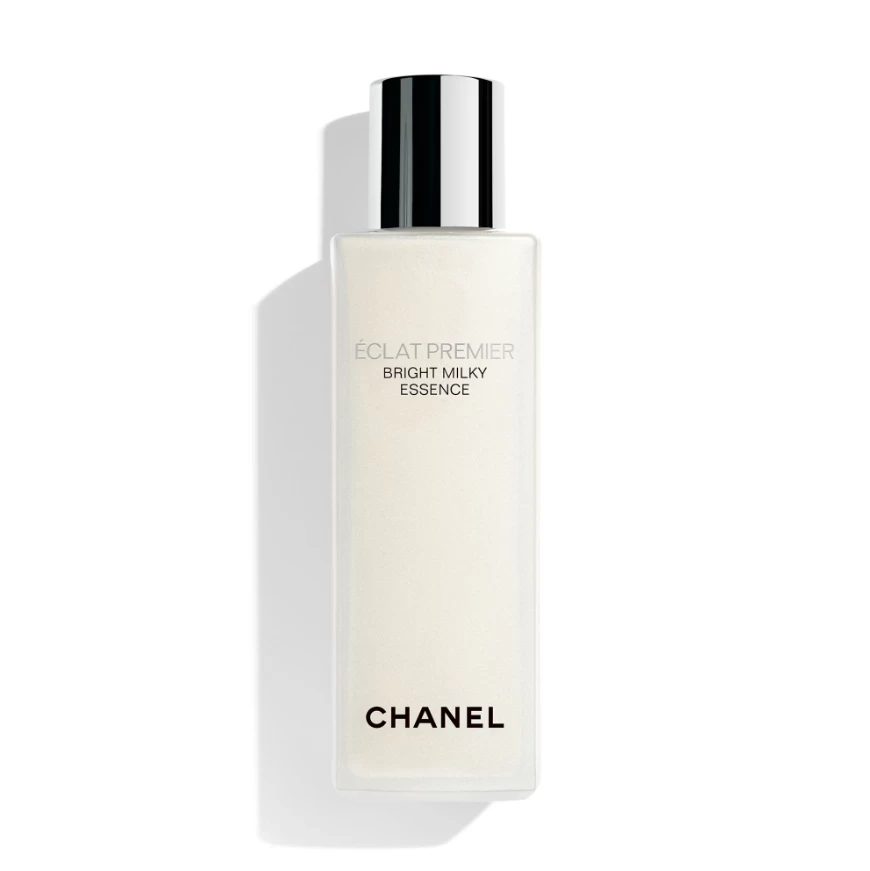
Chanel’s Bright Milky Essence
Try: Chanel’s Bright Milky Essence, with hydrating niacinamide and premier flower extract, helps replenish moisture and brighten dehydrated skin.
Myth #3: Rainwater and humidity do not affect your skin.
While rain may feel refreshing, it can carry environmental pollutants that irritate the skin. Combine that with high humidity, which increases sweat and oil production, and you’ve got the perfect conditions for clogged pores and breakouts.
Dr. Karen recommends using a pH-balanced cleanser twice daily to maintain skin health. For acne-prone skin, look for formulas with salicylic acid or benzoyl peroxide. Avoid over-cleansing or using harsh scrubs, as these can strip the skin barrier. And if you get caught in the rain, be sure to shower right away to rinse off any potential irritants.
Try: Cetaphil Gentle Exfoliating Cleanser with Salicylic Acid is a mild yet effective solution that clears pores without over-drying. It's suitable for oily or breakout-prone skin, especially during the rainy season.
Myth #4: Sunscreen isn’t necessary on cloudy or rainy days.
UV rays penetrate clouds and cause premature aging all year round. “Always apply a broad-spectrum sunscreen with SPF 30 or higher,” she stresses. Choose matte, gel-based, or water-based formulas that are suited for humid climates, and reapply every two hours when outdoors or after swimming, sweating, or wiping.
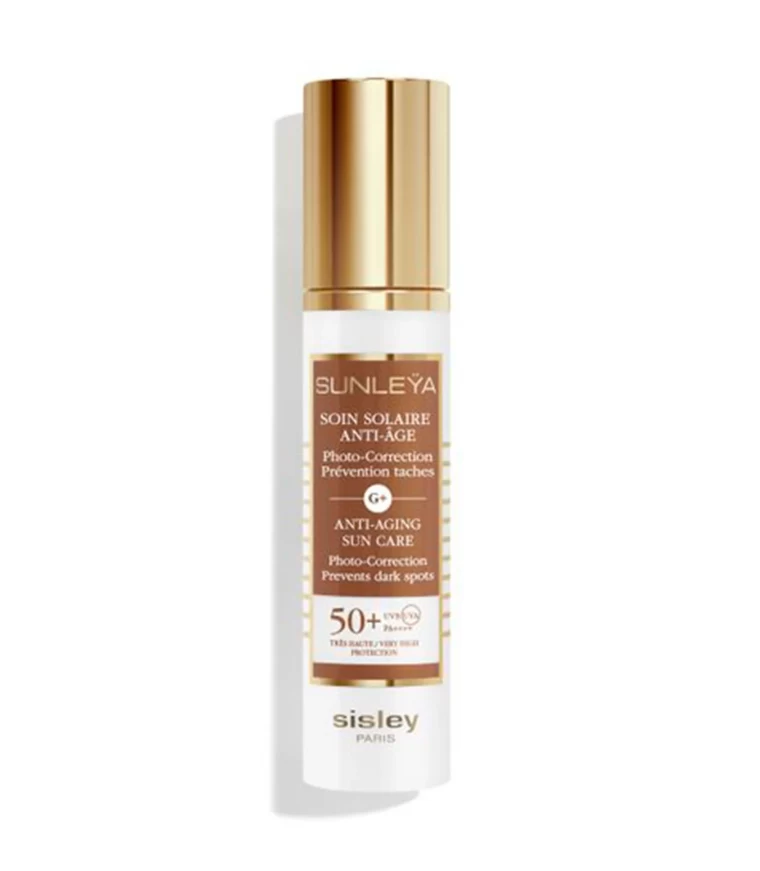
Sisley Paris Sunleÿa SPF 50+
Try: Sisley Paris Sunleÿa SPF 50+ offers powerful, lightweight sun protection that shields skin from harmful UV rays while its G+ complex helps keep your complexion radiant and youthful.
Myth #5: Fungal acne isn’t a concern this rainy season.
“Known as malassezia or pityrosporum folliculitis, fungal acne is caused by yeast overgrowth that usually occurs in hot and humid monsoon months,” Dr. Karen says. Unlike typical acne with blackheads or whiteheads, fungal acne shows as small, uniform, itchy bumps often on the forehead, chest, and back. It often doesn’t respond well to common anti-acne treatments.
For proper diagnosis and treatment, consult a dermatologist. Keep skin dry, especially on sweat-prone areas. Avoid heavy creams, and consider antifungal agents like ketoconazole shampoo to cleanse the body.
A few more reminders
Dr. Karen shares this one simple adjustment for the rainy season—switch to lighter textures. Whether moisturizer or sunscreen, gel or serum formulations reduce pore congestion, provide comfort, and maintain hydration without the heaviness.
Key ingredients to try this rainy season include niacinamide to control oil and support the skin barrier, azelaic acid to brighten and calm inflammation, salicylic acid to clear clogged pores and prevent breakouts, and hyaluronic acid to hydrate the skin without feeling greasy.
“Don’t strip your skin trying to fight oil,” she continues. “Support your skin barrier with light hydration, smart and gentle cleansing, and breathable products. And when in doubt, consult a dermatologist, especially if rashes, breakouts, or itchiness persist.”