







Review: BAIC B30e Dune HEV 4x4
A bold first step with surprising depth
Published Jul 23, 2025 04:31 pm


At A Glance
- The BAIC B30e Dune enters the Philippine market with the promise of rugged styling, electrified performance, and a compelling value proposition. It offers an ambitious blend of series-parallel hybrid efficiency and off-road utility in a segment still dominated by conventional diesel and gasoline SUVs.
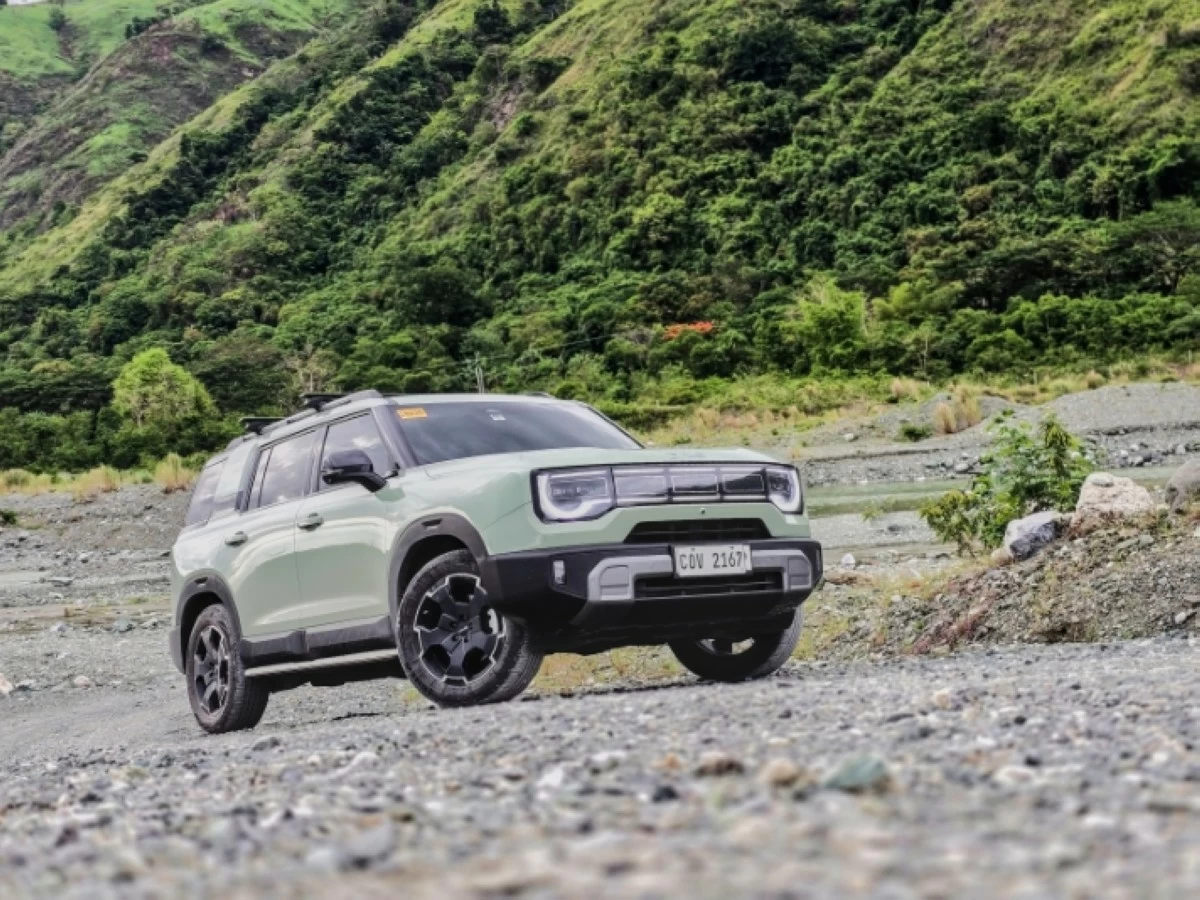
The BAIC B30e Dune enters the Philippine market with the promise of rugged styling, electrified performance, and a compelling value proposition. Priced at ₱1,788,000 for the top-spec 4x4 HEV variant, it offers an ambitious blend of series-parallel hybrid efficiency and off-road utility in a segment still dominated by conventional diesel and gasoline SUVs. It has a distinctive design with a very compelling spec sheet, and definitely makes a strong first impression.
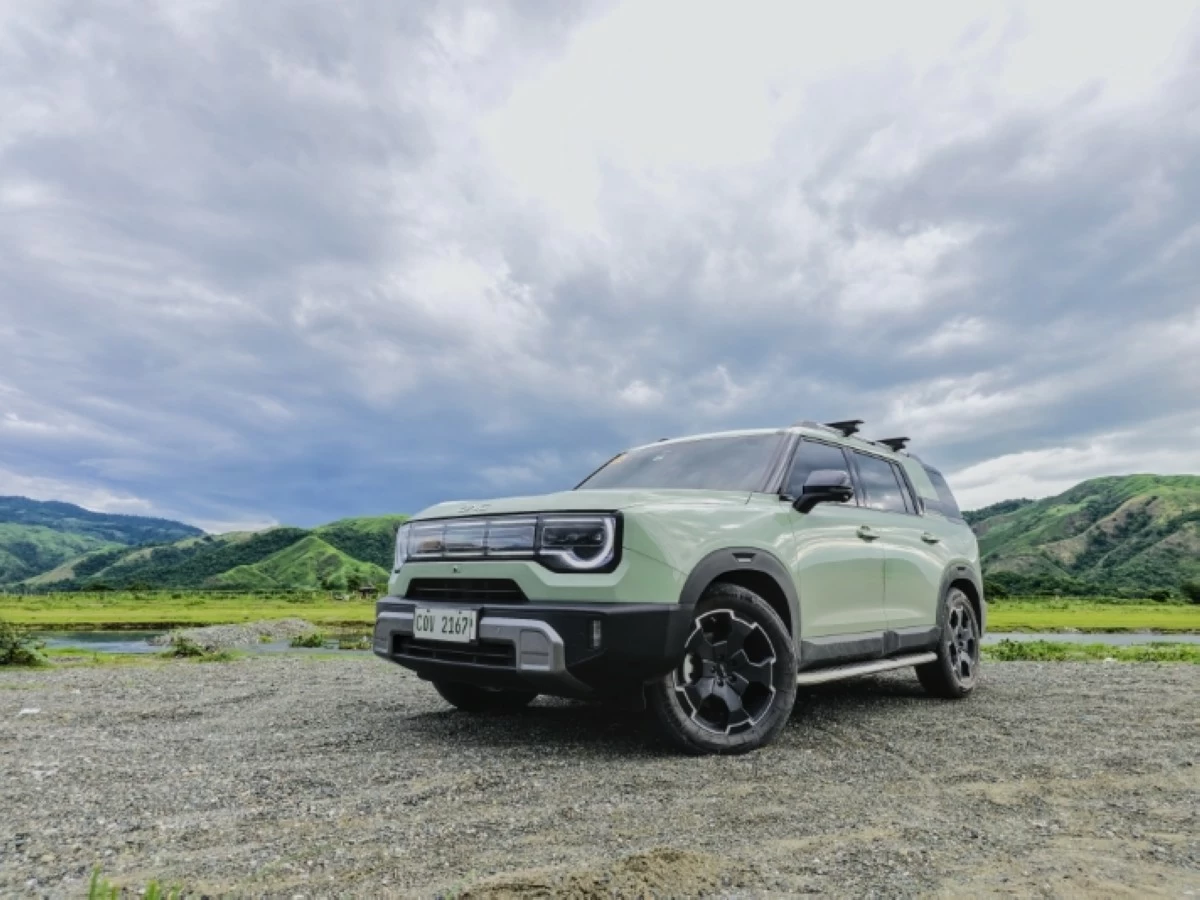
The gracious folks at BAIC Philippines lent me the top-of-the-line 4x4 B30e Dune for an extended drive, covering over 600 kilometers of mixed terrain: highways, long stretches of provincial B-roads, and a fair amount of gravel on the way to and from Aurora province. This journey provided a comprehensive look at how BAIC’s electrified SUV handles a variety of Philippine road conditions.
Design and aesthetics
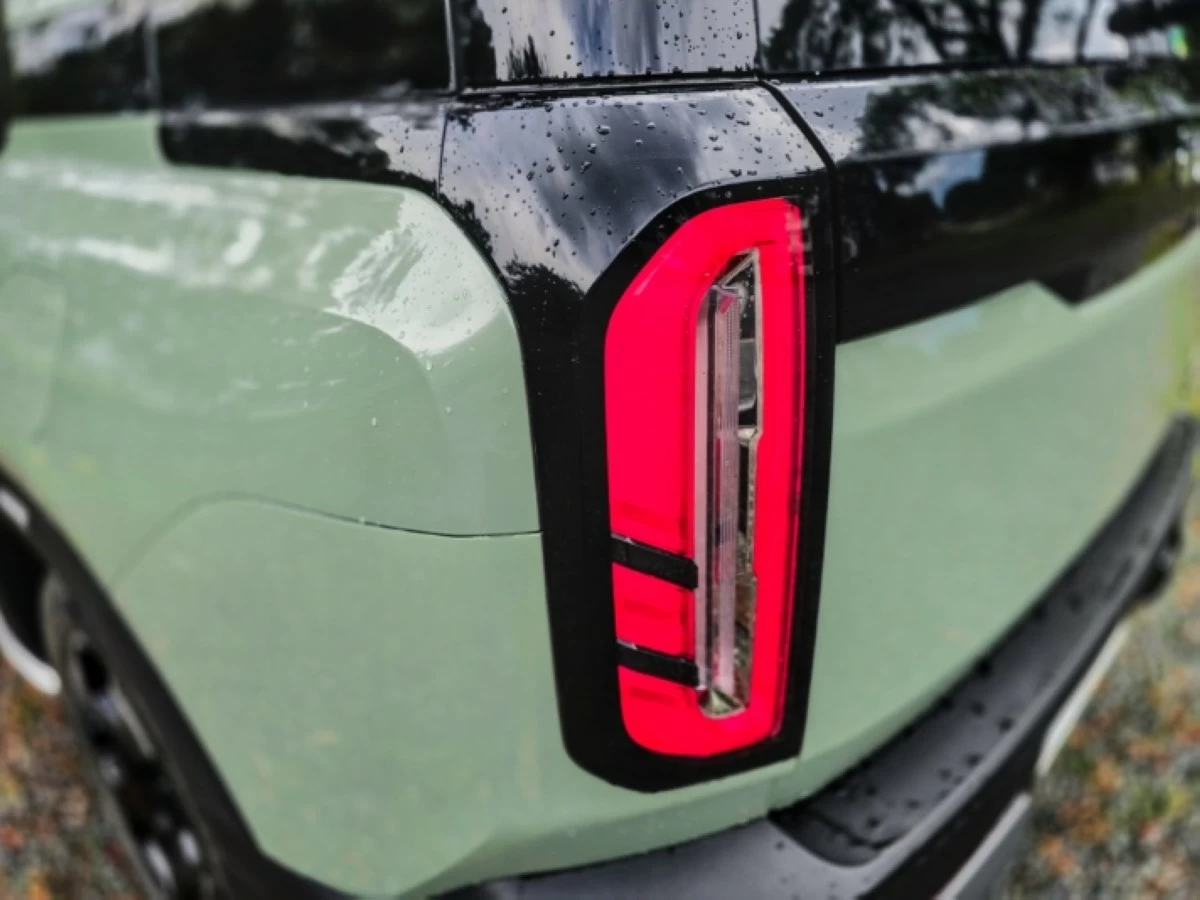
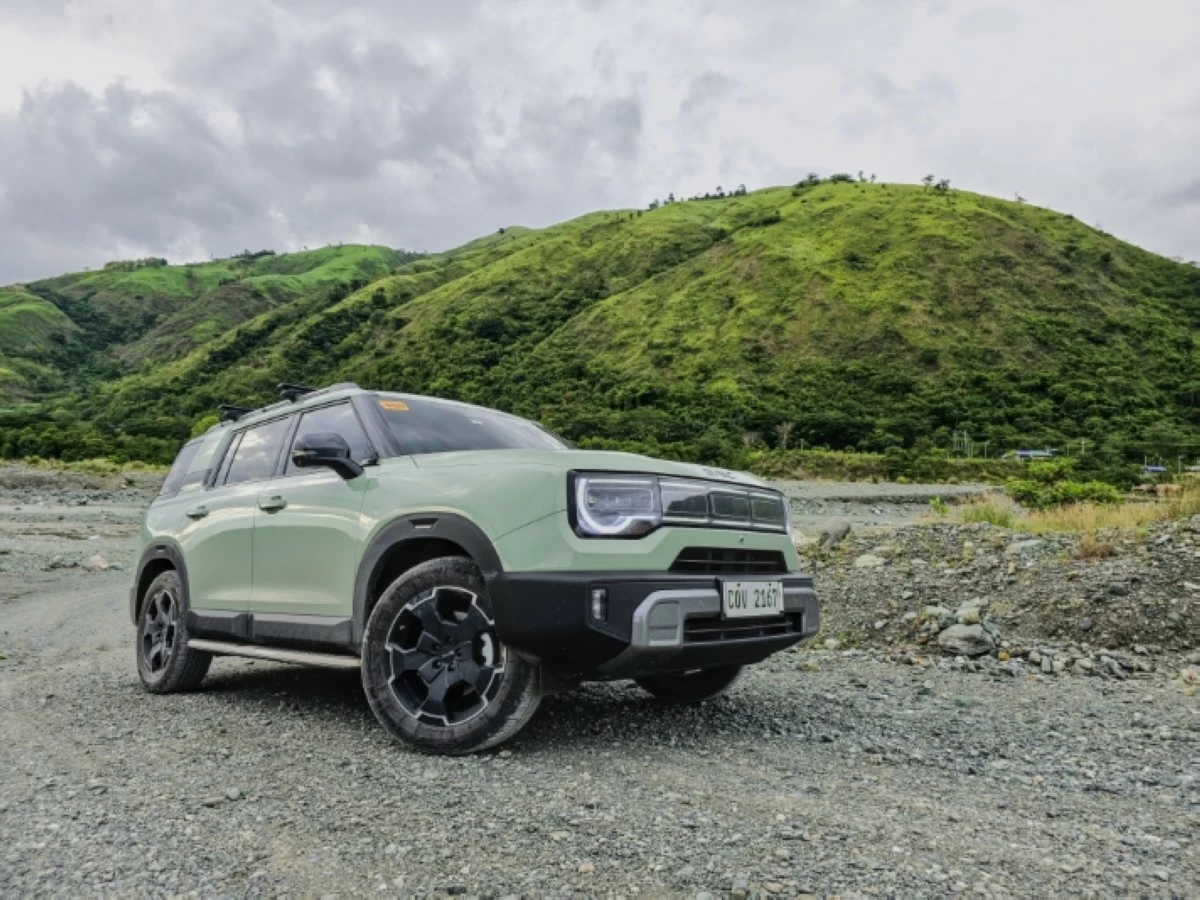
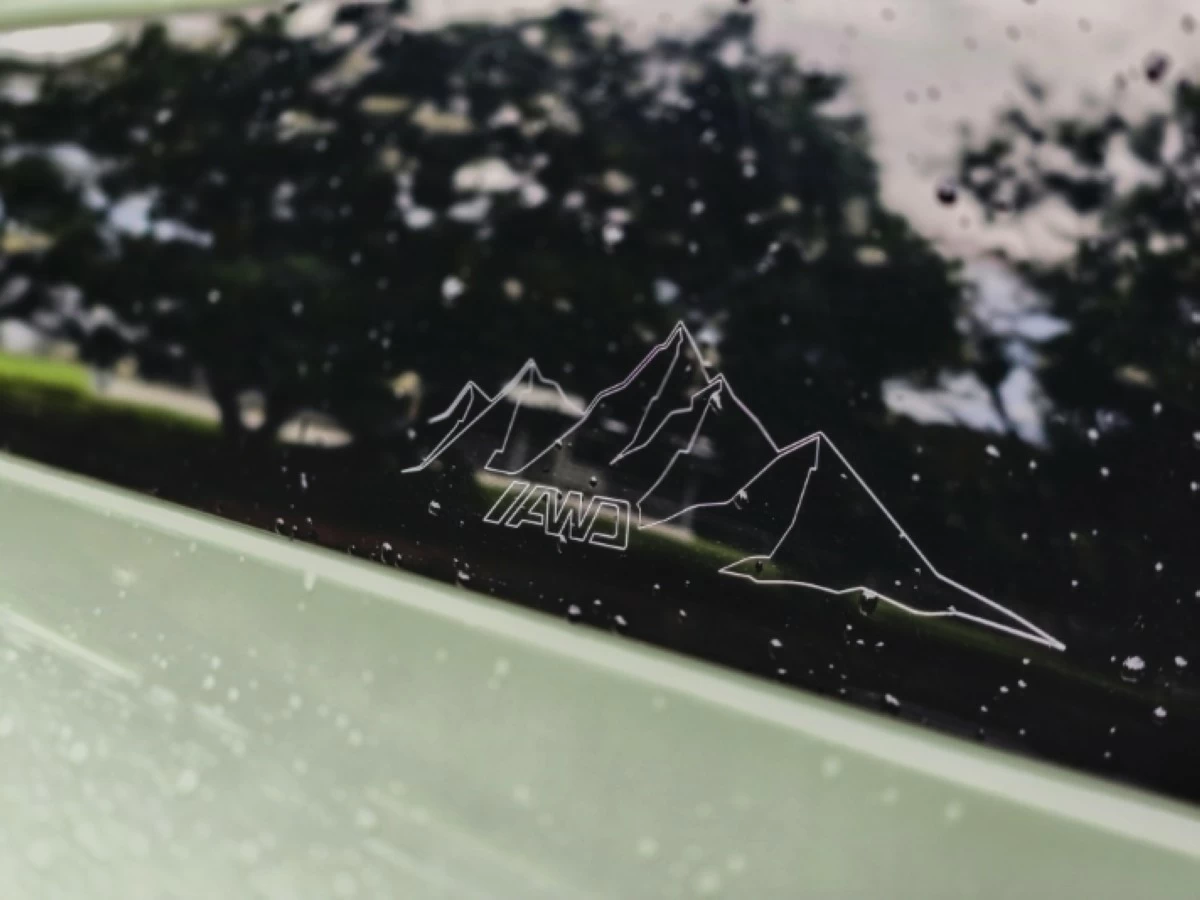

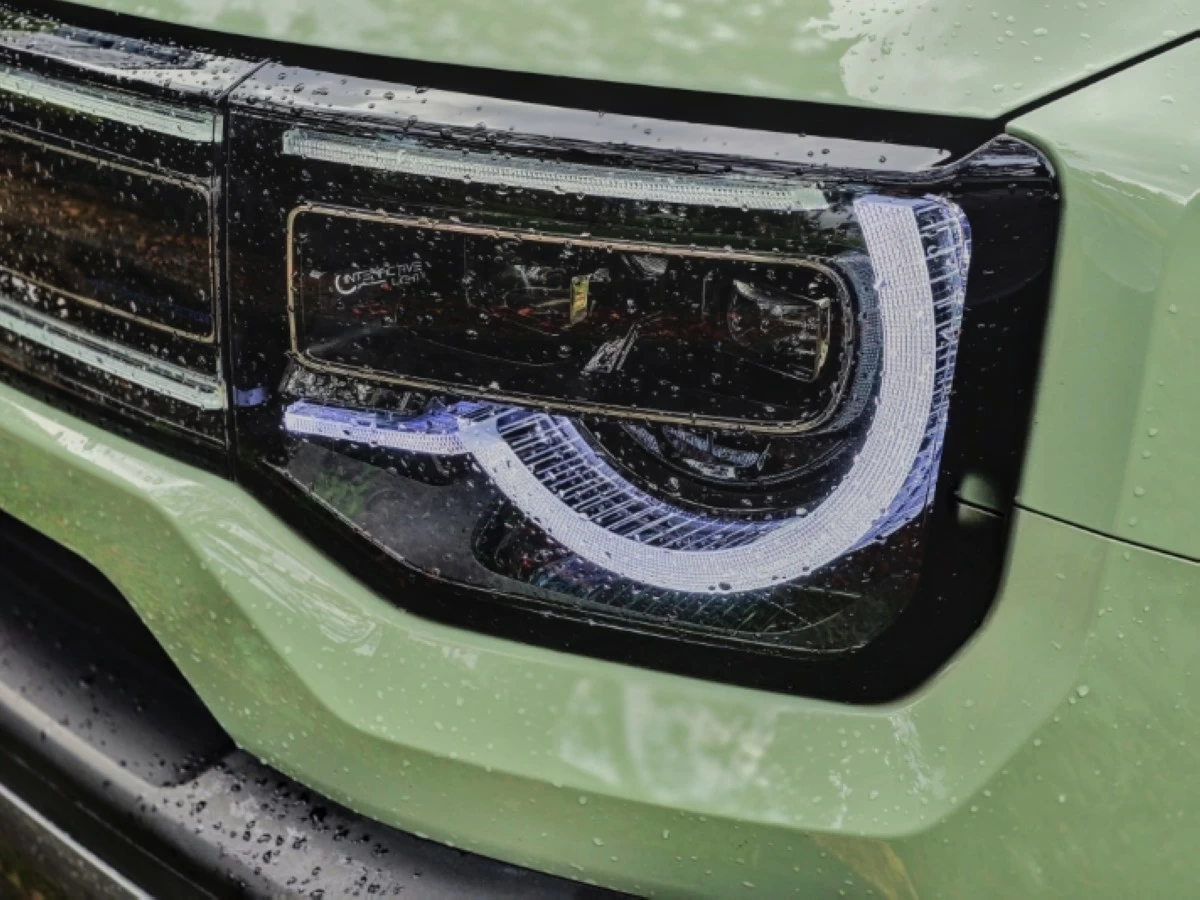
There's no denying that the B30e Dune makes a strong visual statement. I genuinely like the way it looks; rugged, upright, and modern without being overstyled. The squared fenders, LED lighting, black grille, and 19-inch wheels give it a commanding presence, while practical elements like roof rails, skid protection, and 215 mm of ground clearance enhance its adventurous persona. It’s not a body-on-frame SUV, but it certainly looks the part.
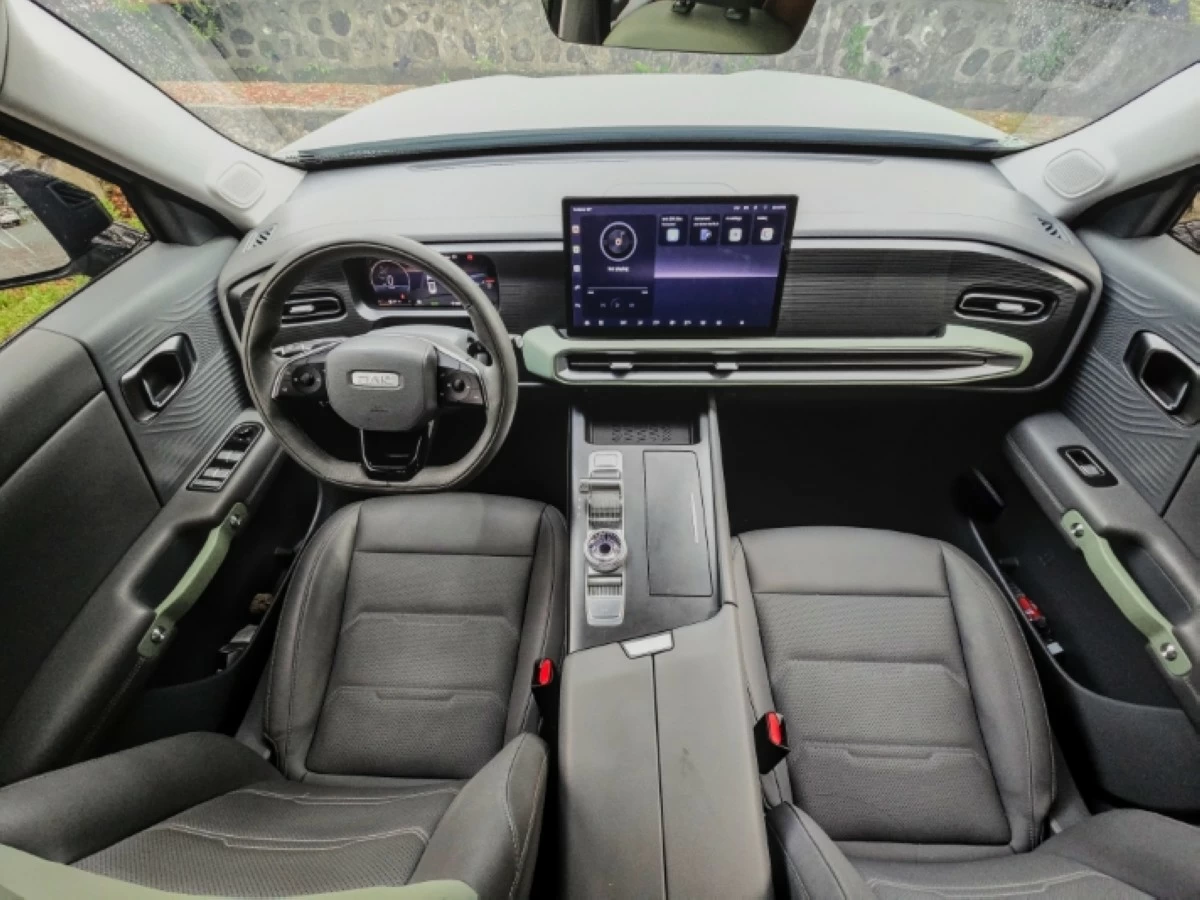

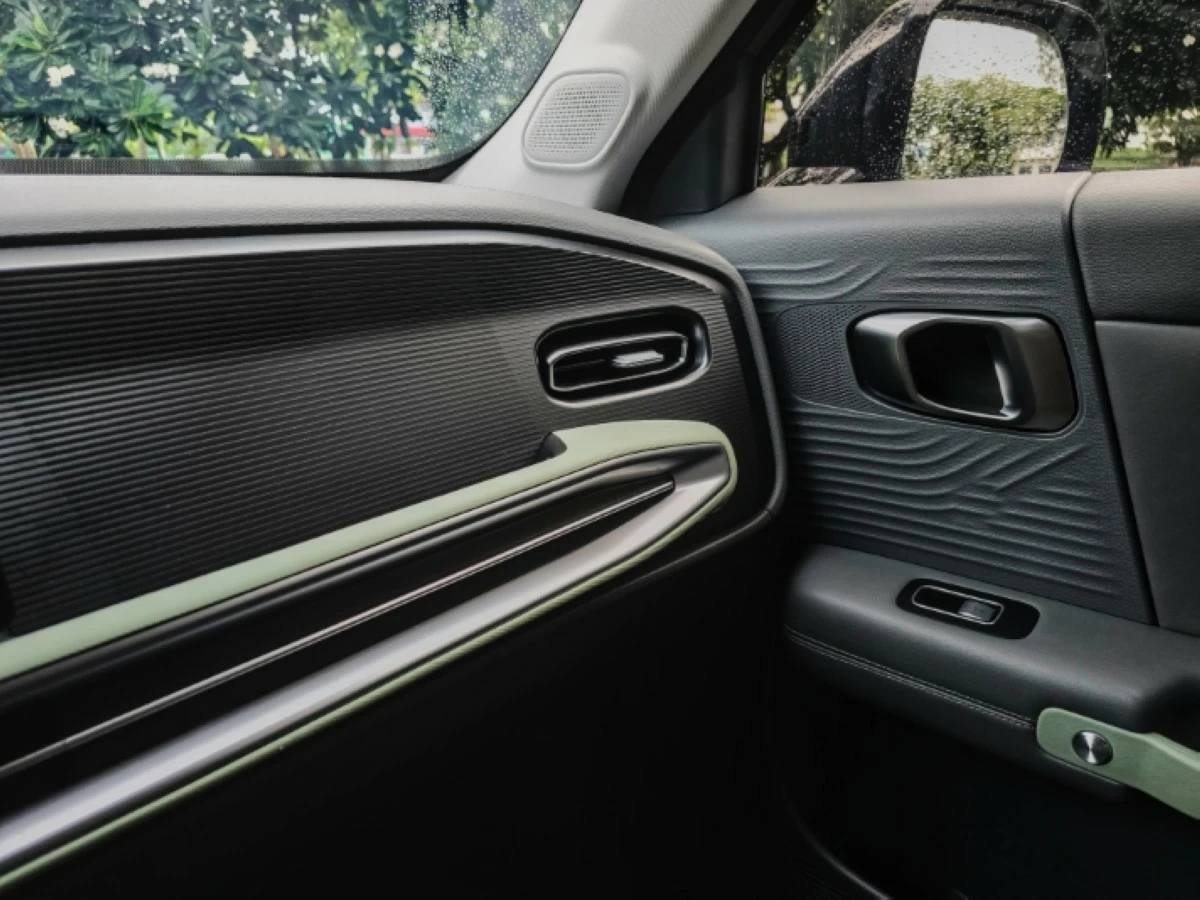
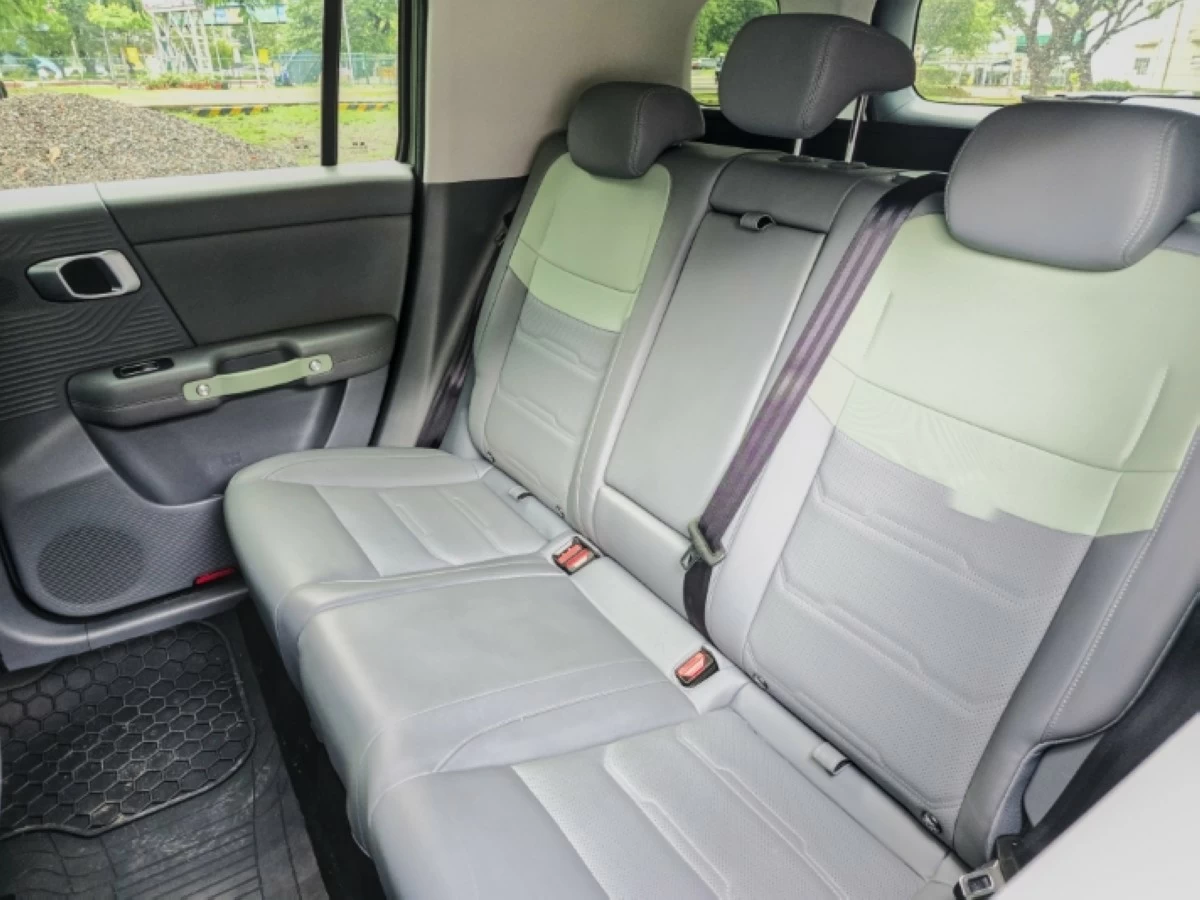
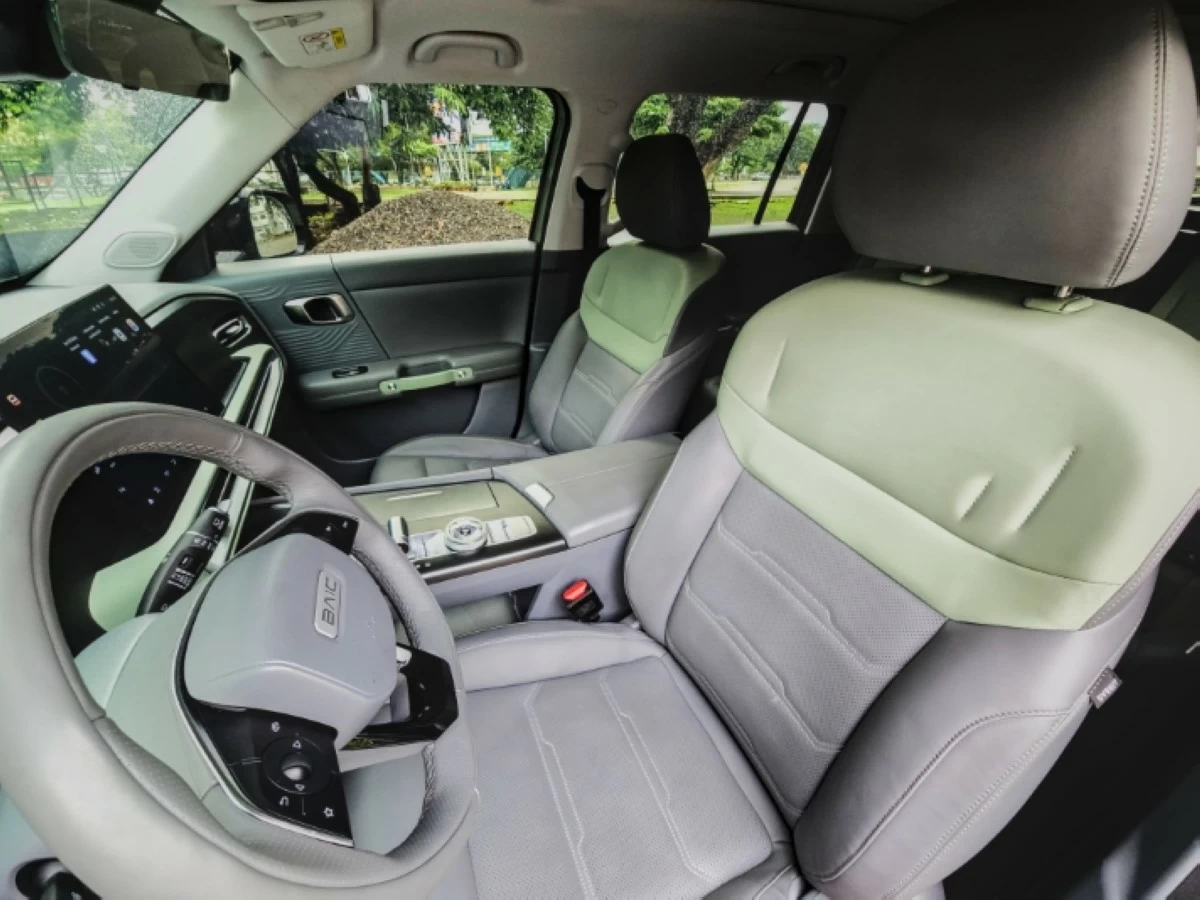
Inside, I was equally impressed. The mix of materials, textures, and colors works well to create a cabin that feels upscale yet approachable. Everything the driver needs, from the digital gauges to the drivetrain controls, is modern and intuitive. Both variants are dimensionally identical, but only the 4WD version gets front and rear fog lamps.
Performance and handling
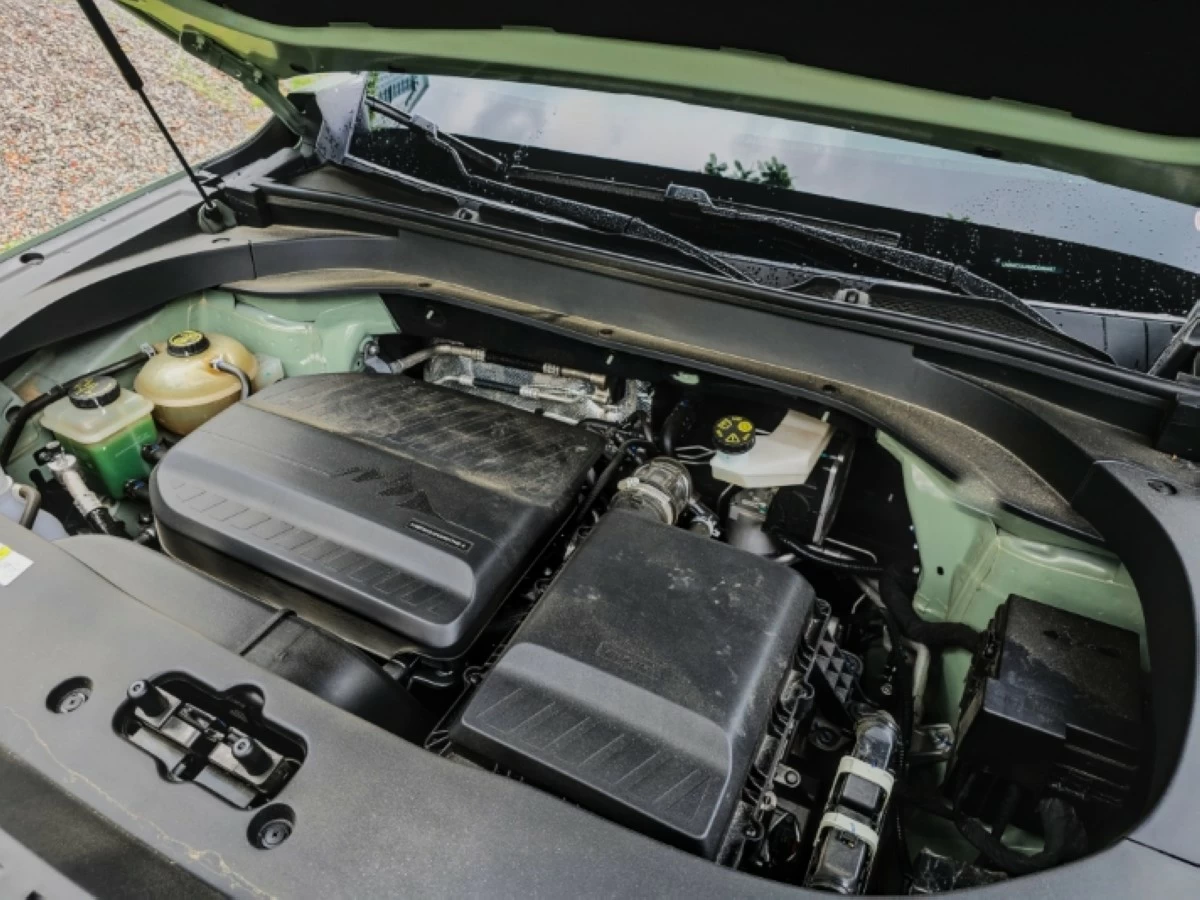
The B30e Dune features a hybrid system centered around a 1.5-liter turbocharged gasoline engine that primarily functions as a generator. In the 4x4, dual electric motors drive both axles, delivering a claimed 403 PS and 685 Nm. On paper, that’s a lot of power. However, in practice, it feels less potent than the numbers suggest, more akin to a vehicle with mid-200-PS. The hybrid transmission can connect the engine directly to the wheels under load or at higher speeds, and the power delivery is smooth and quiet. It’s possible that the vehicle's weight or drivetrain calibration is limiting its full potential.
The 4WD system includes seven drive modes, such as Mud, Wading, and Off-road, which I had the opportunity to test on the backroads of Aurora. Traction and torque distribution felt well-managed, even when grip was compromised.
That said, my biggest complaint, echoed by another reviewer from a different outlet, is that the doors creak audibly when driven over rough terrain. On corrugated gravel and barangay roads, the sound was constant and distracting, like styrofoam coolers rubbing together. It’s a shame, because the rest of the cabin is solidly built and well-insulated. If BAIC can address this creaking issue, the Dune could become a serious contender.
Technology and features
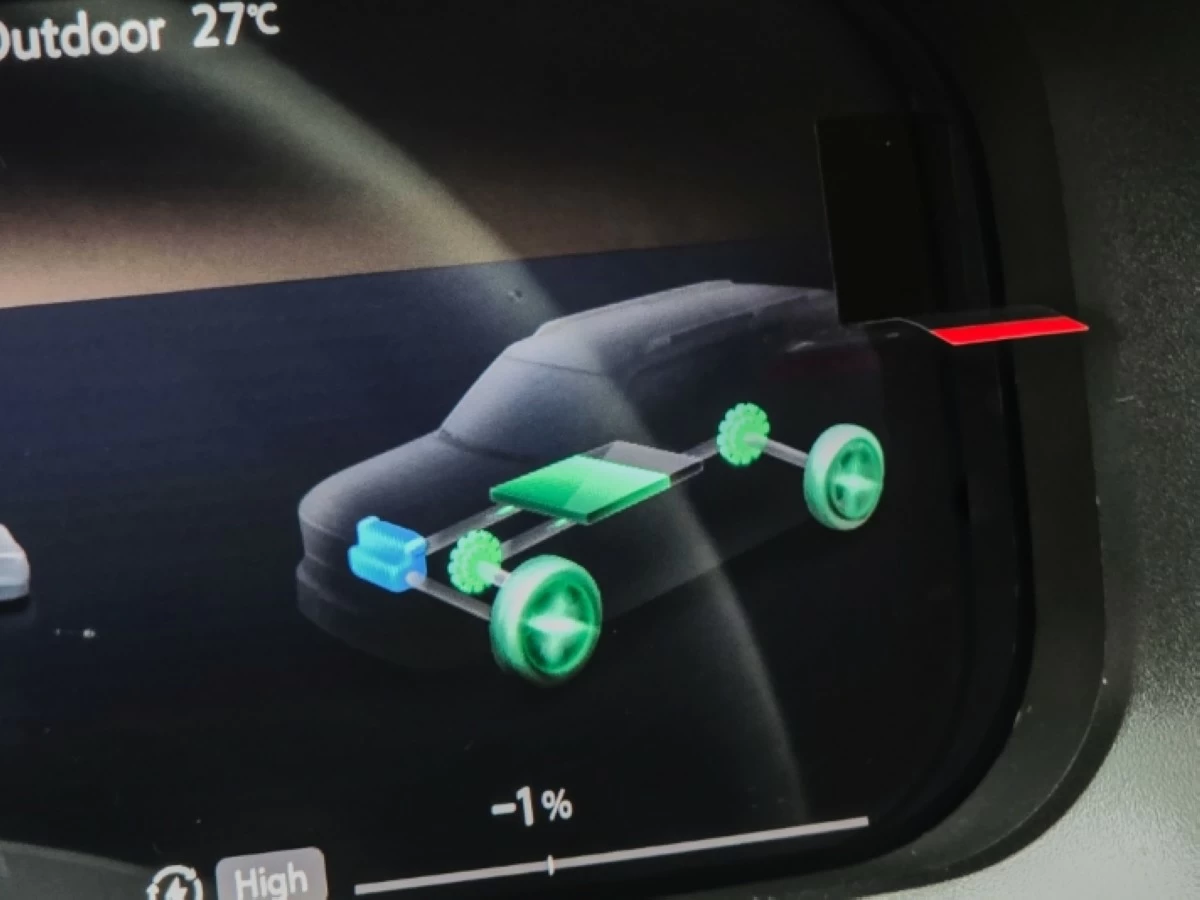
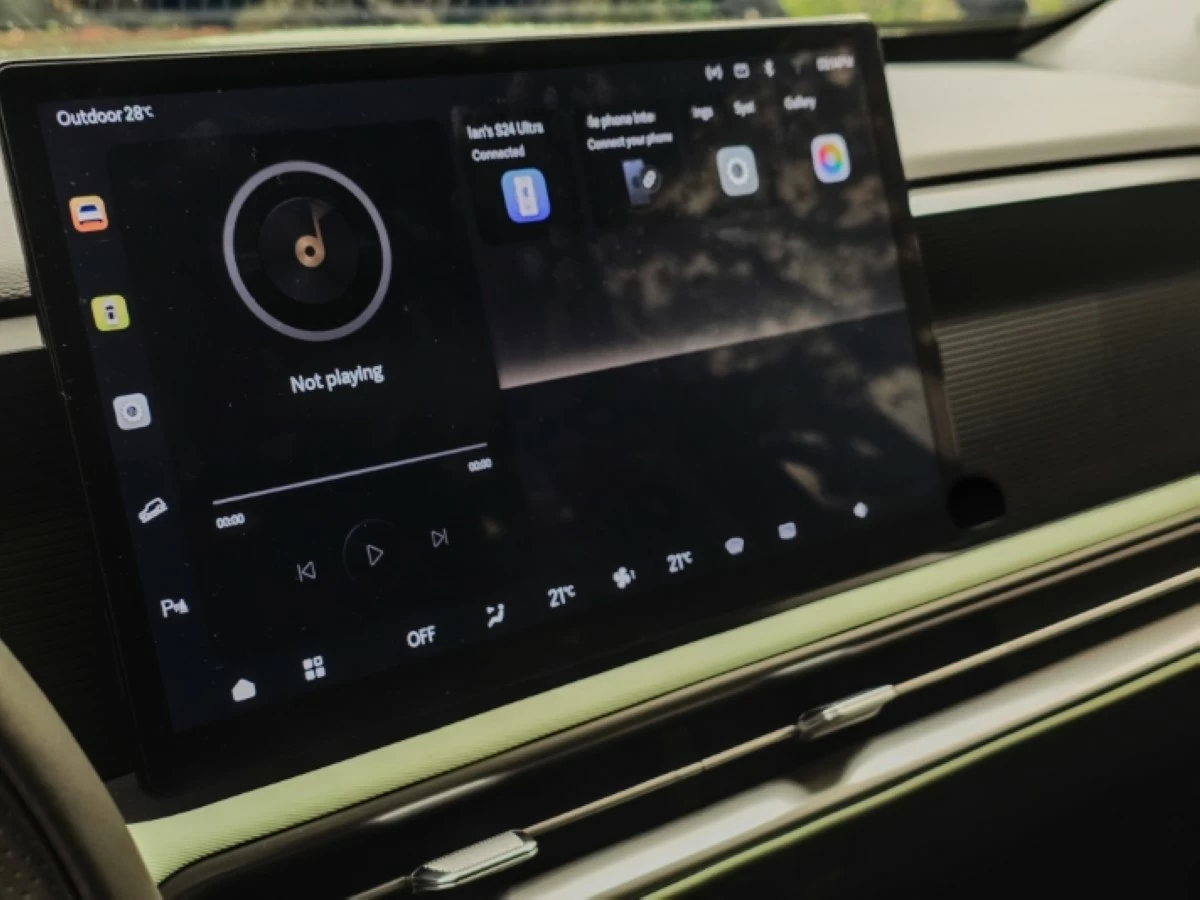
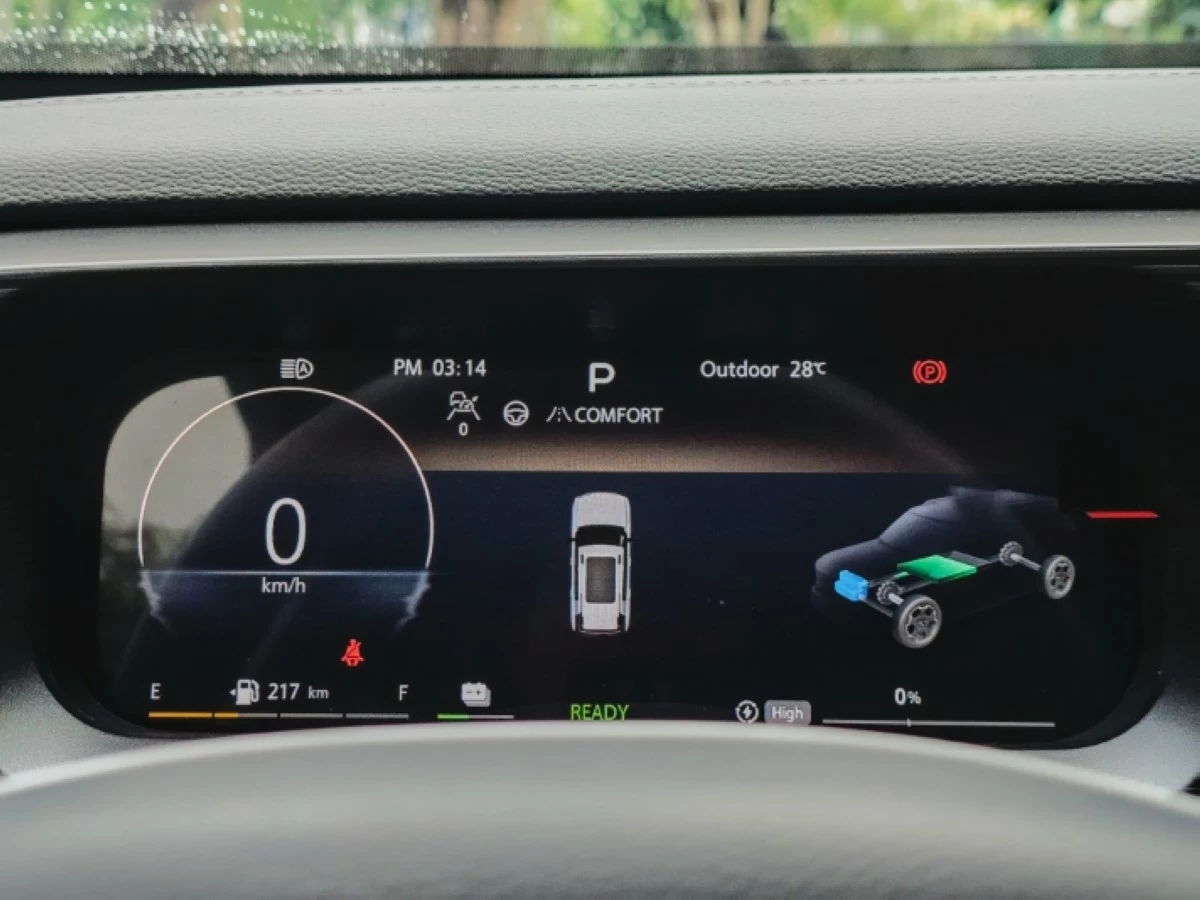
The 14.6-inch infotainment screen is large and vibrant, while the 12.3-inch instrument panel (10.25-inch on 2WD) displays hybrid and trip information clearly. Climate controls and most settings are housed in the touchscreen, which requires some adjustment. There’s no native Apple CarPlay or Android Auto, but the unit I tested came with a BAIC-branded wireless dongle for Android Auto. It functions, but tends to freeze about once an hour. Reinserting the dongle resolves the issue, but it’s a recurring annoyance.


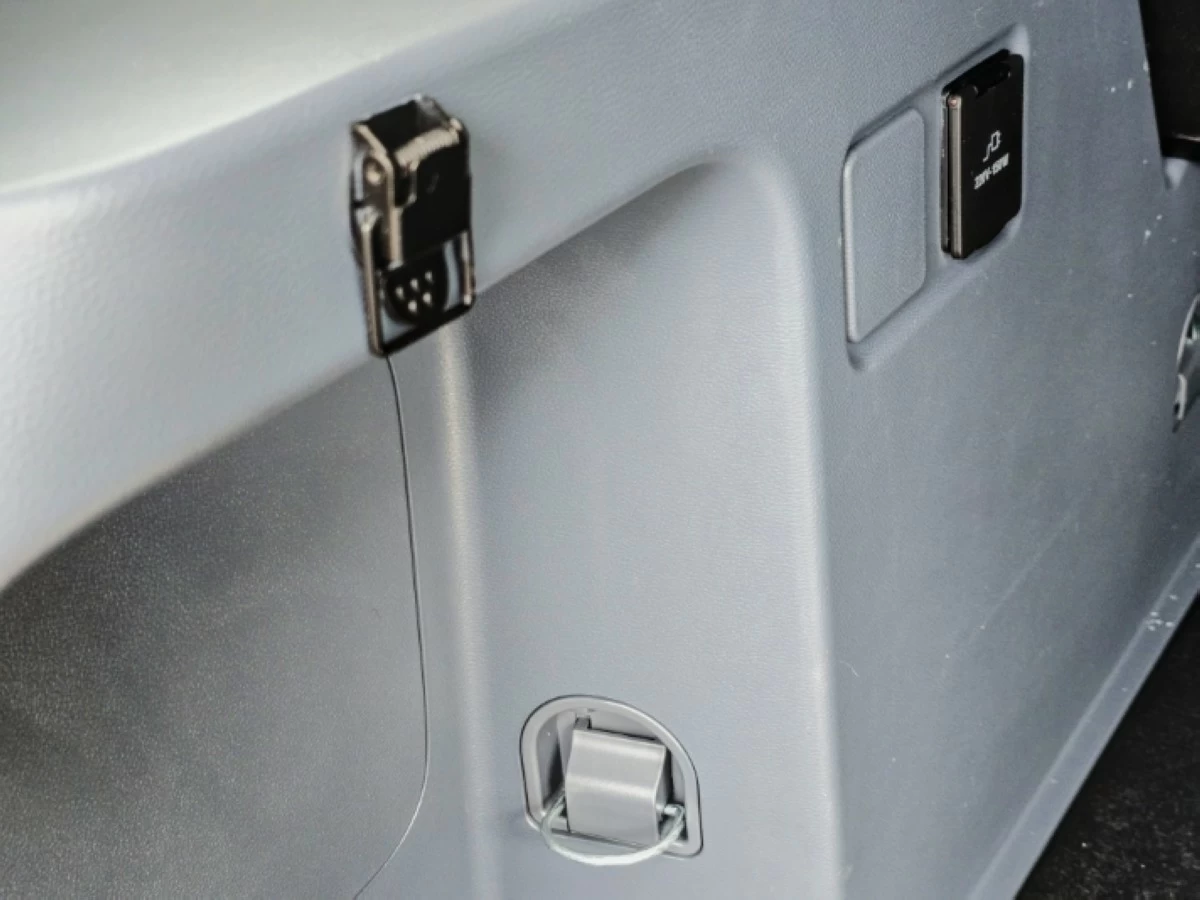
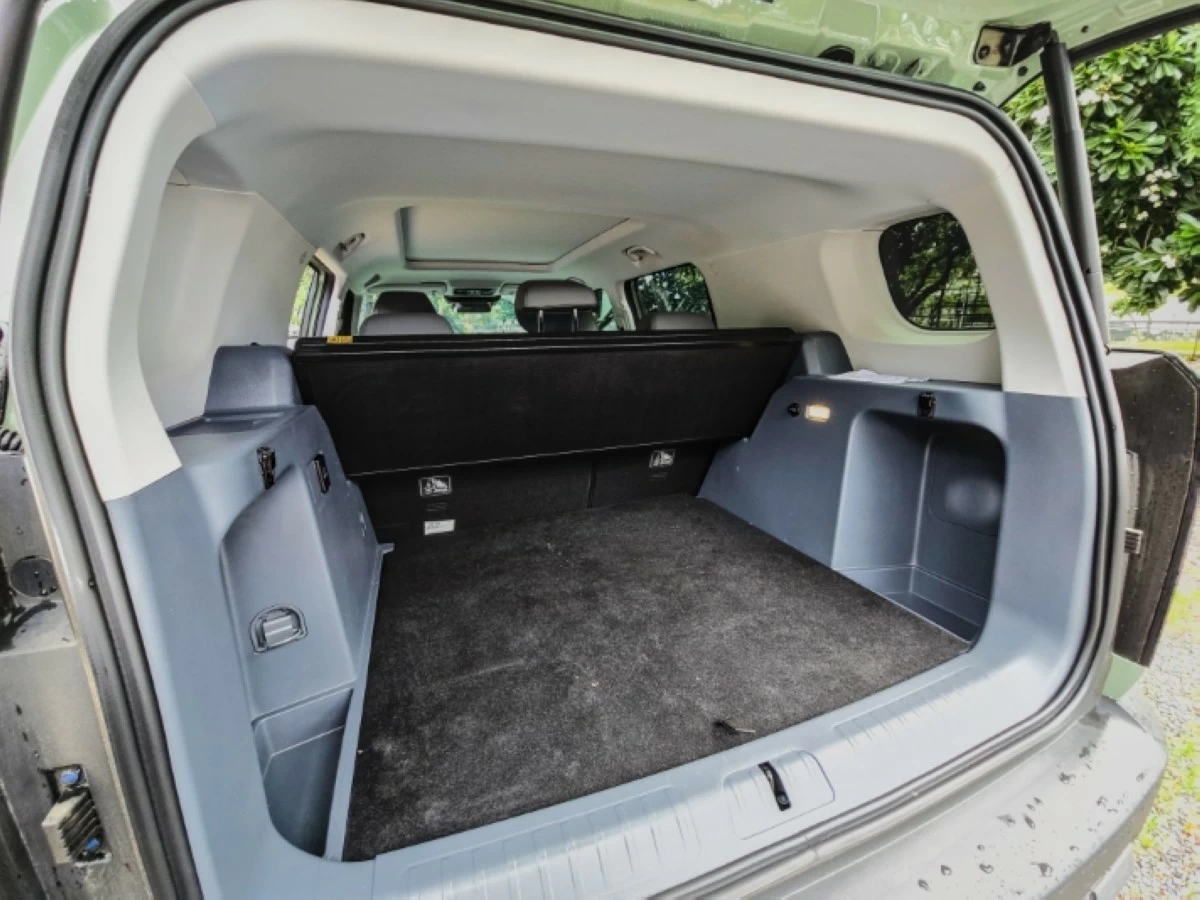
The 4WD variant also includes ventilated seats, a panoramic sunroof, and wireless charging, features that the 2WD variant misses out on. Another detail I appreciated was the inclusion of a 220V outlet in the cargo area, adding genuine flexibility for charging small appliances or powering gear during camping trips or long drives.
Comfort and practicality


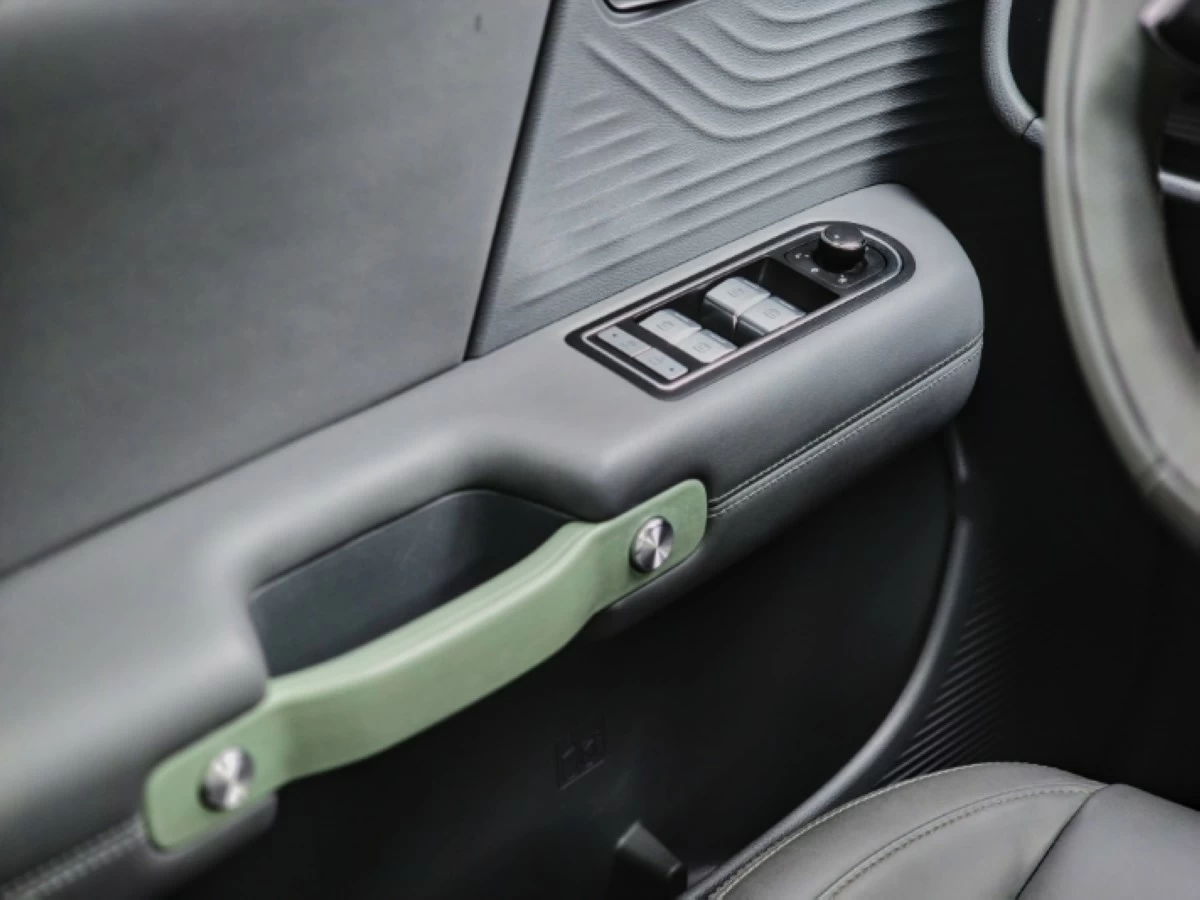
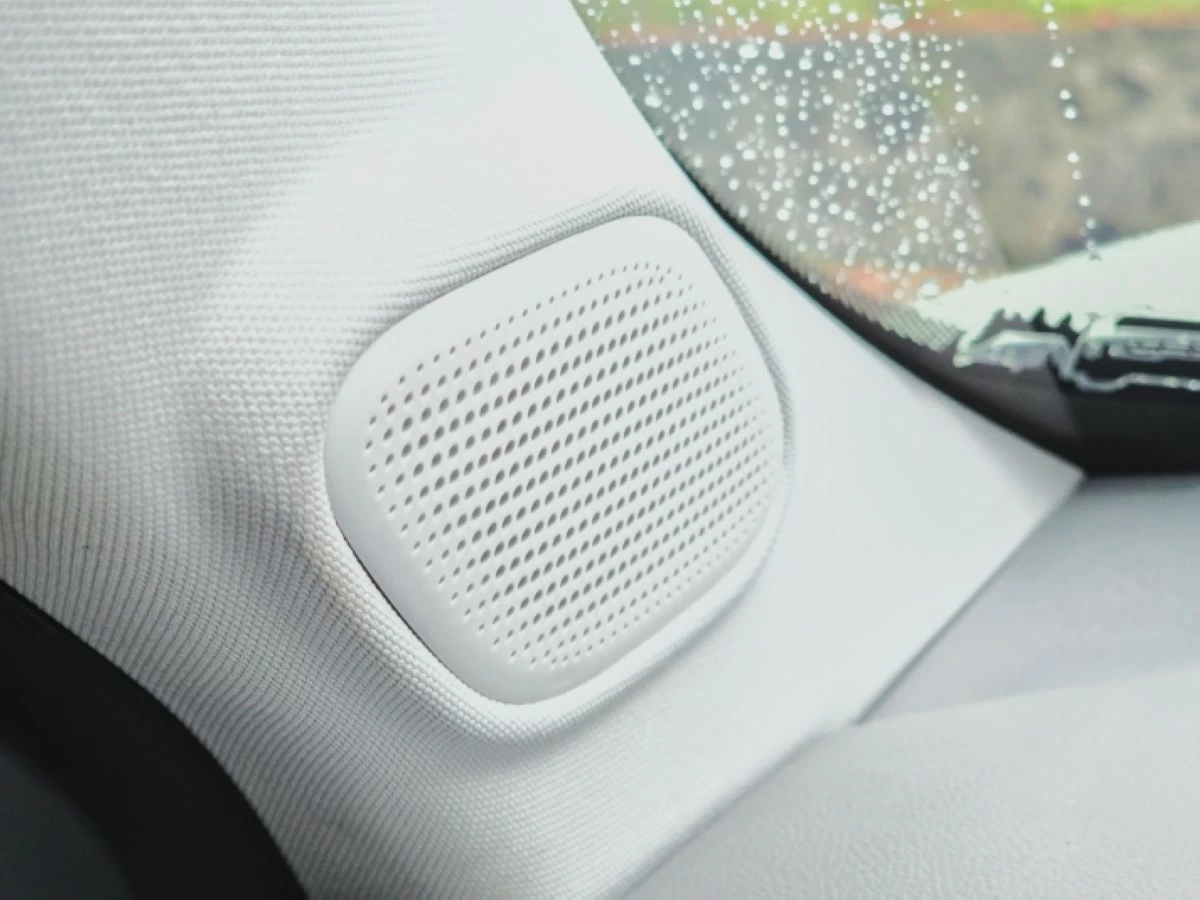


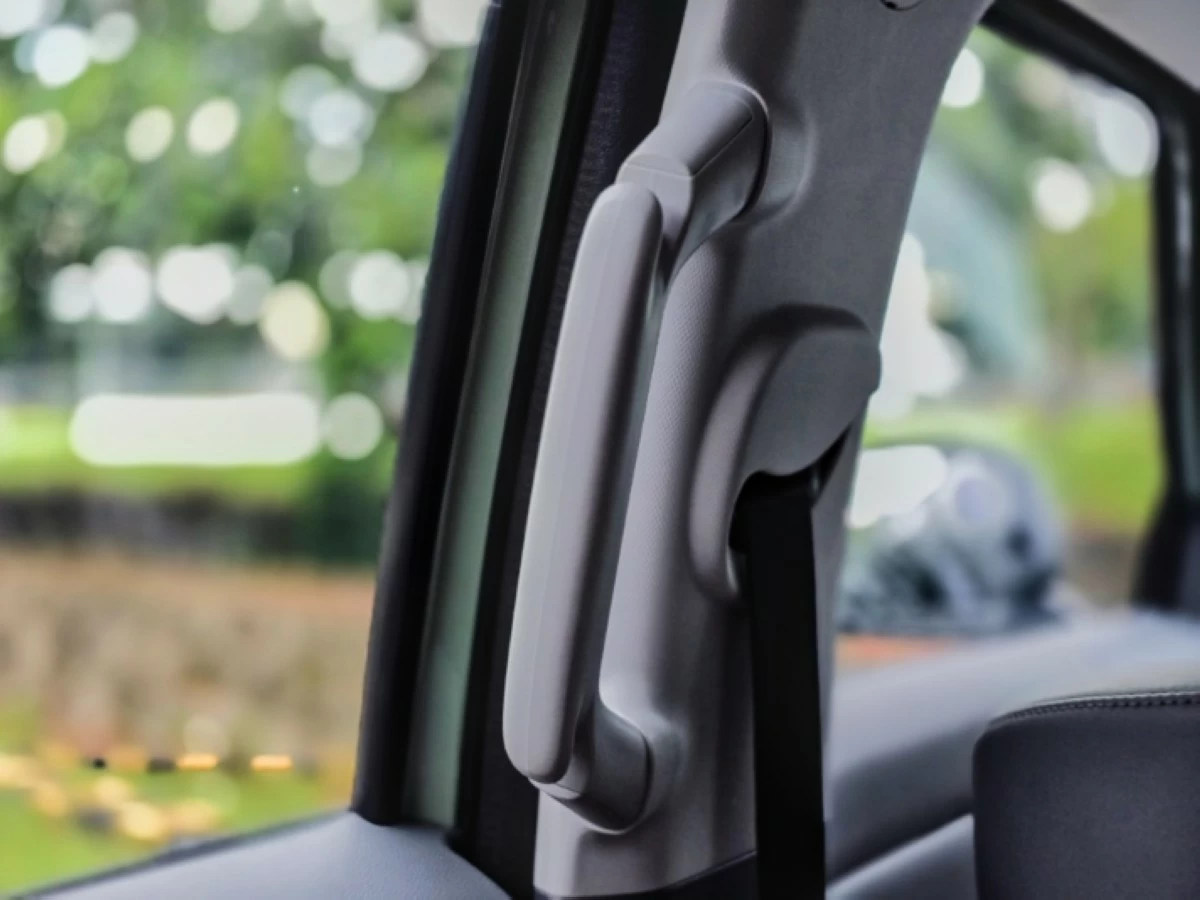
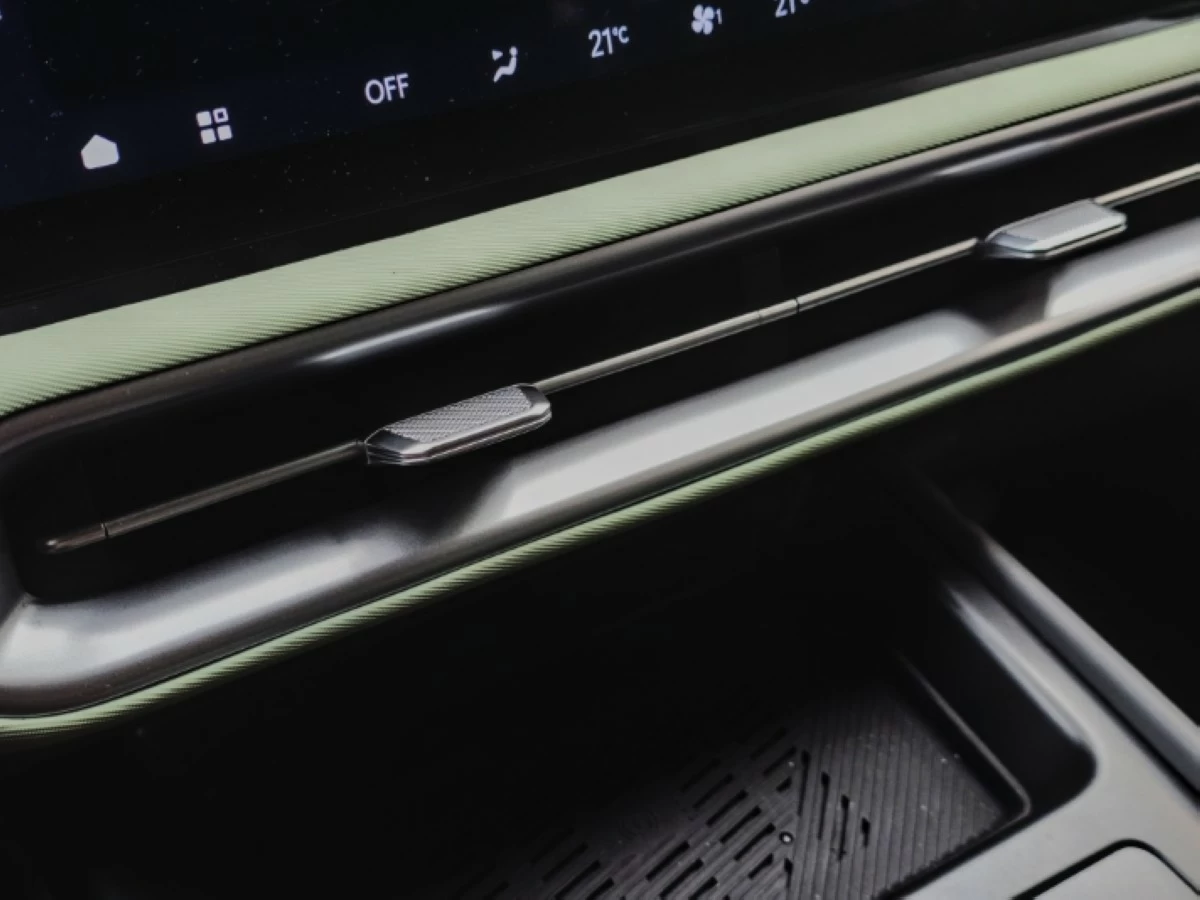
Cabin space is generous both front and rear, and NVH is well-controlled on smoother roads. The seating position feels natural, and all controls are easily accessible. Second-row passengers benefit from vents, USB ports, and their own lighting. The rear seats fold flat, and cargo space is well-proportioned for a vehicle in this class, measuring 574 liters with the rear seats up. One thoughtful feature worth highlighting is the tonneau cover, which cleverly transforms into a small table, complete with screw-in legs tucked away under the trunk floor. It’s a practical touch that adds real utility on road trips or during outdoor stops.
Fuel efficiency and environmental impact
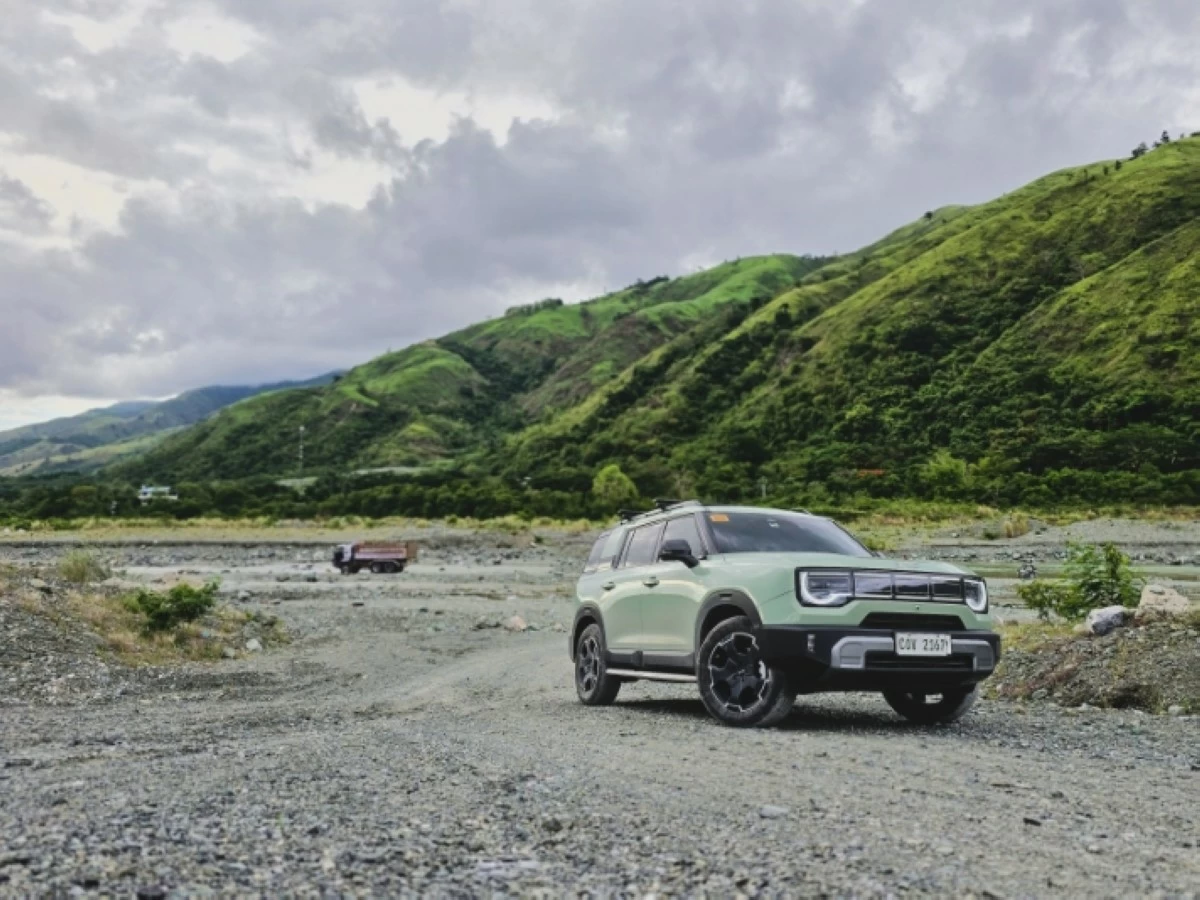
Over 600+ kilometers of varied driving, I averaged around 14 km/L. On long, steady highway runs, I saw closer to 16-km/L. The hybrid system allows for limited EV-only operation under light loads, but there’s no plug-in charging and no published electric-only range. Battery size isn’t disclosed, but regenerative braking helps maintain charge levels even in remote areas.
The engine can drive the wheels directly in certain conditions, making the system more versatile than a typical series hybrid. It smoothly blends series and parallel operation, helping to balance economy with performance. The fuel tank capacity is 51-liters for the 4WD and 60-liters for the 2WD.
Verdict
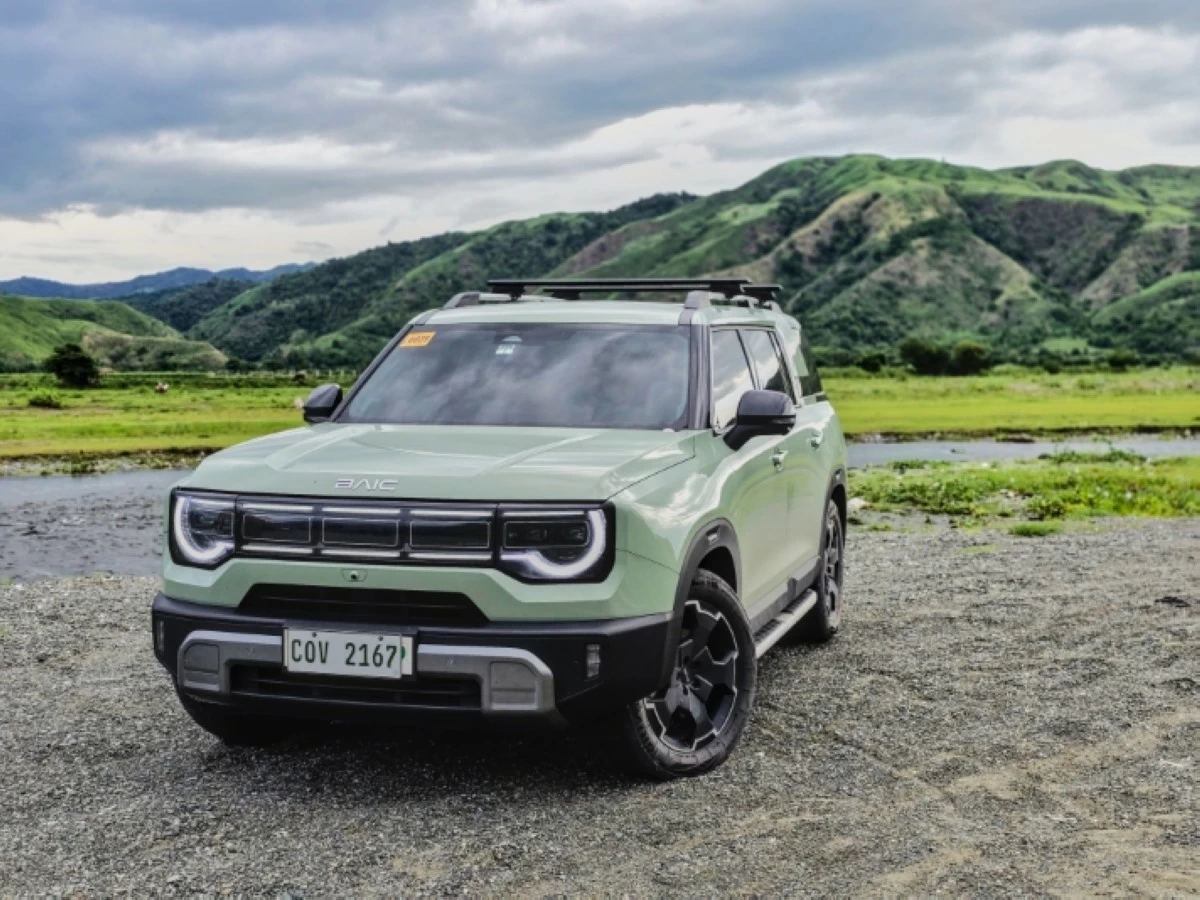
There’s a lot to like about the BAIC B30e Dune 4x4. I appreciate its looks, interior feel, practicality, and flexibility. I like the torque and how it performs on mixed surfaces. However, that persistent door creaking over rough surfaces makes it difficult to fully embrace. For a vehicle marketed with light off-road capabilities, that kind of noise disrupts immersion and raises questions about long-term durability.
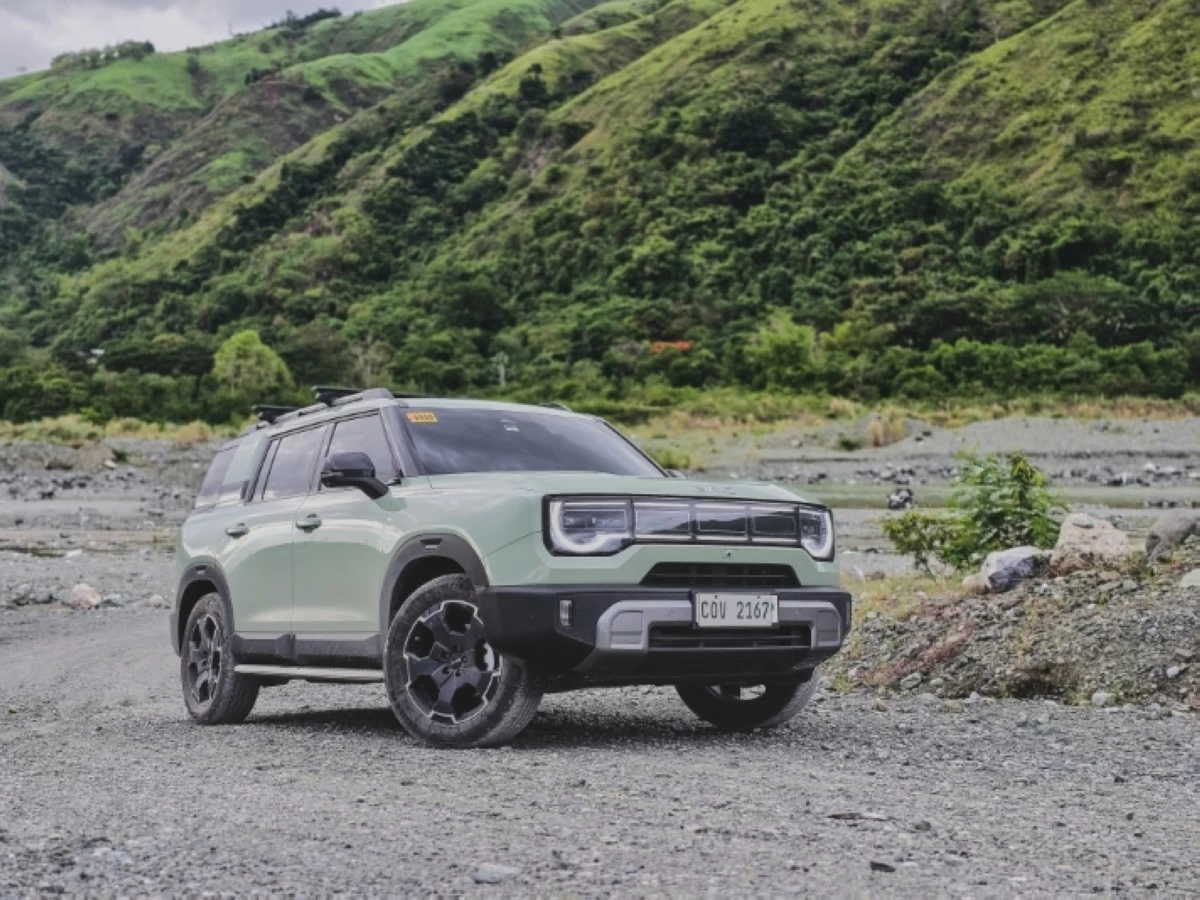

If BAIC can address this issue in future models, the Dune would be a compelling option for buyers seeking a tech-loaded, hybrid-powered, adventure-capable SUV. As it stands, it’s a strong first effort that shows real promise and, hopefully, significant improvement over time.