







All-new Mitsubishi Destinator revealed, coming to PH soon
Published Jul 22, 2025 09:32 pm


At A Glance
- Mitsubishi's next new model, a three-row, seven-seat crossover aimed at families in emerging markets, has just been revealed. Called the all-new Destinator, it was unveiled in Indonesia, and is slated to arrive in the Philippines soon.
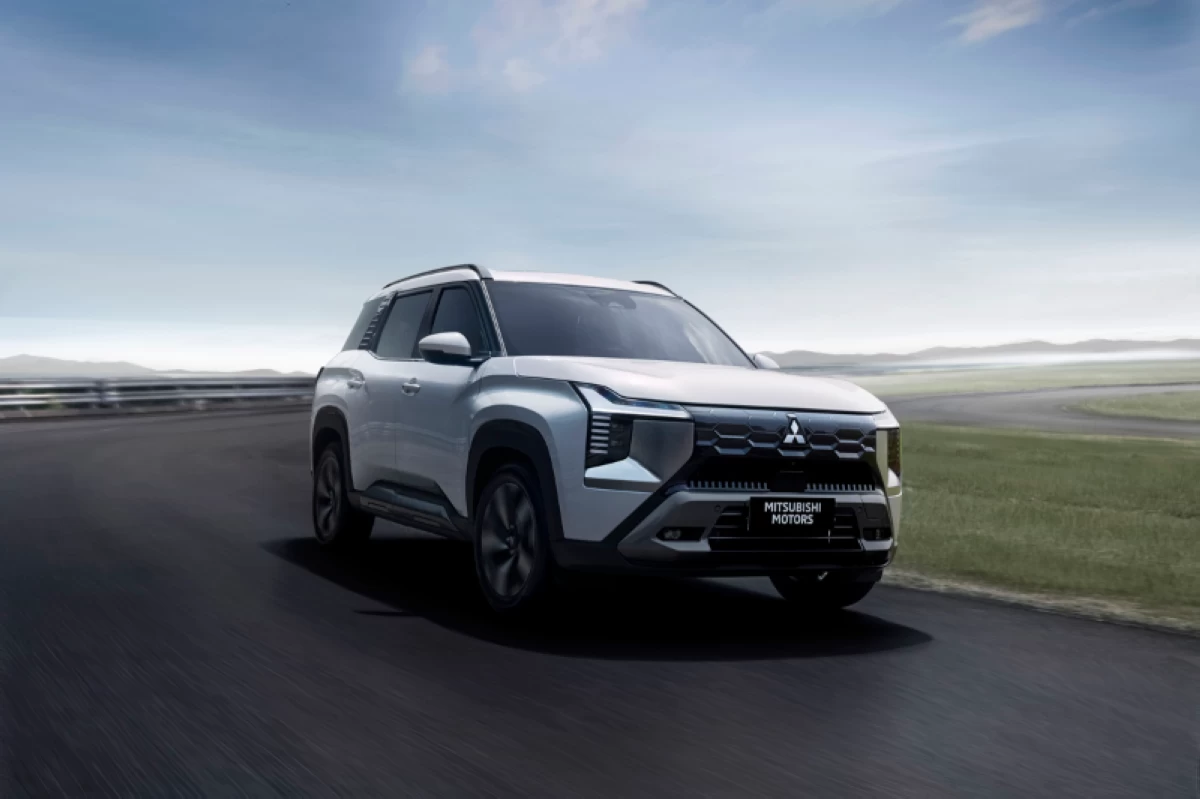
Mitsubishi's next new model, a three-row, seven-seat crossover aimed at families in emerging markets, has just been revealed. Called the all-new Destinator, it was unveiled in Indonesia, and developed with the ASEAN region in mind.
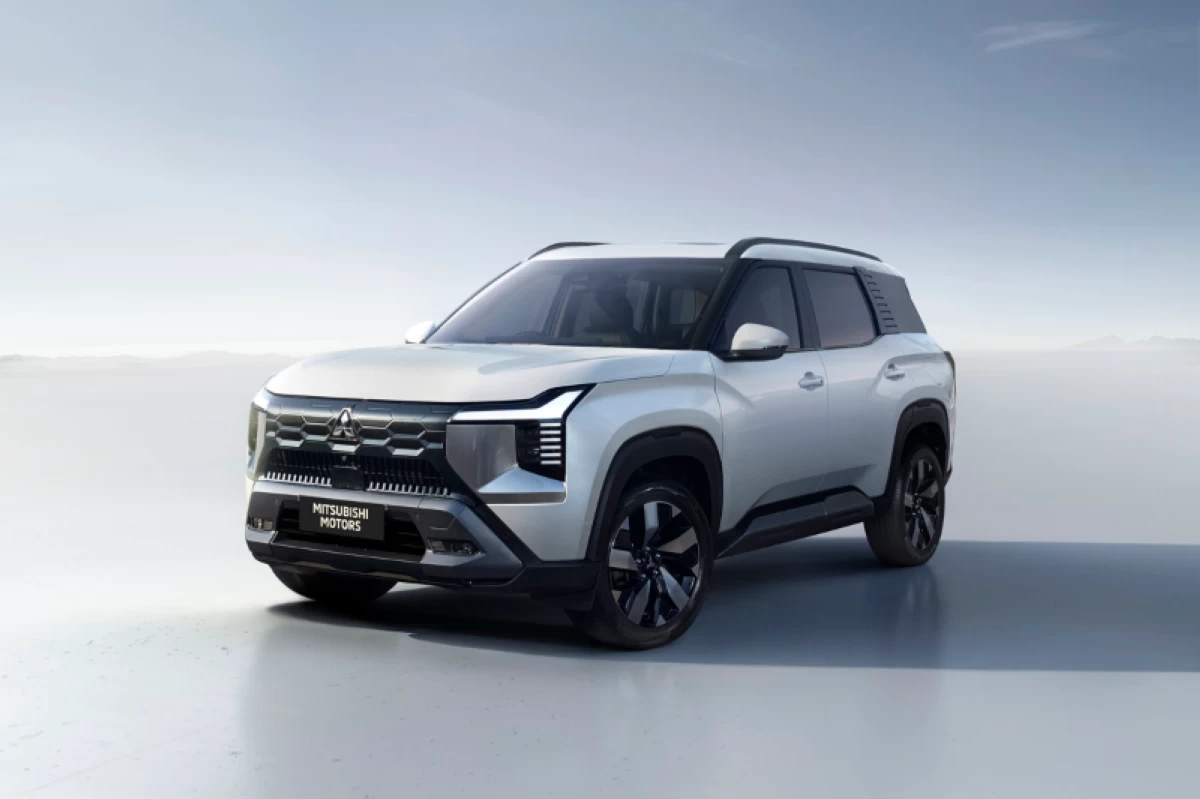
The vehicle will unveiled as a sneak peek before its first public appearance at the Gaikindo Indonesia International Auto Show (GIIAS) starting July 23. The Philippines is among the markets expected to receive the model, although local launch details and pricing have yet to be announced.
The Destinator traces its origins to the “DST Concept,” first revealed during the 9th Philippine International Motor Show in October 2024. That concept previewed Mitsubishi’s plans to offer a car-based midsize SUV that would slot between the Xpander Cross and the Montero Sport (not replace the Montero Sport). Its design and layout were tailored to suit the evolving needs of both urban and rural households.
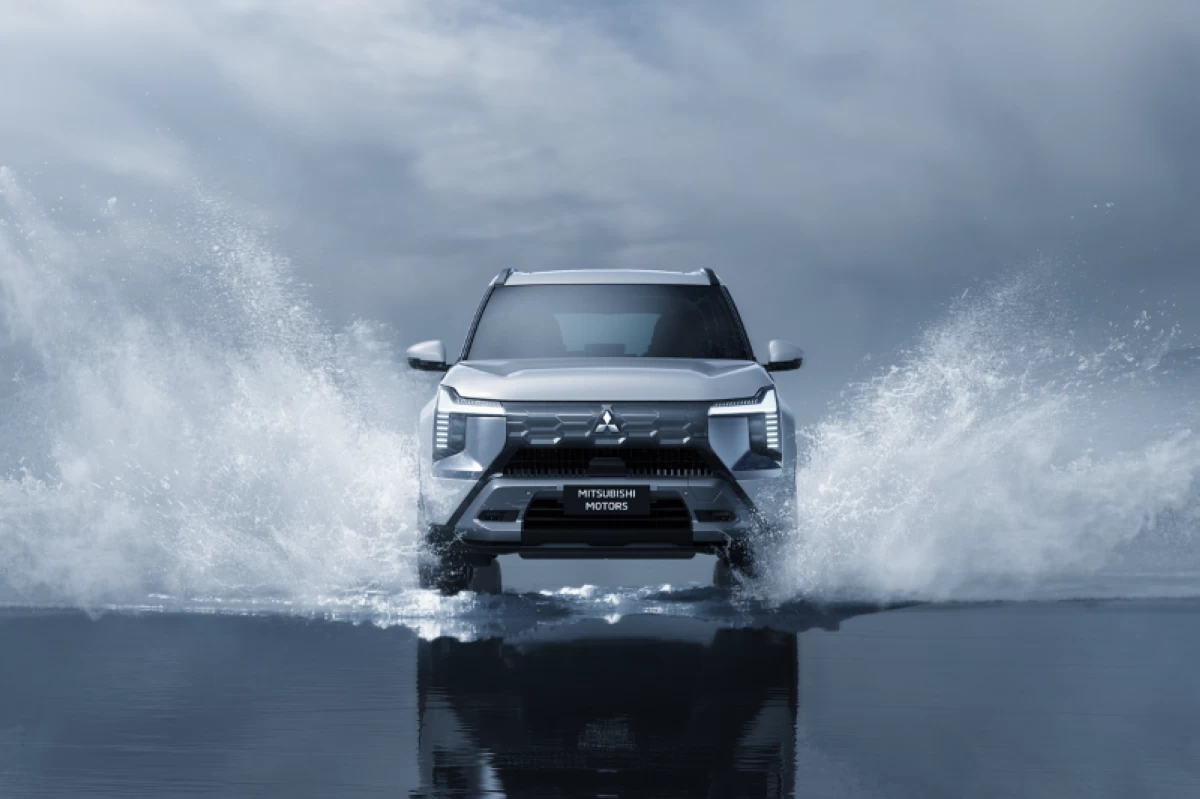
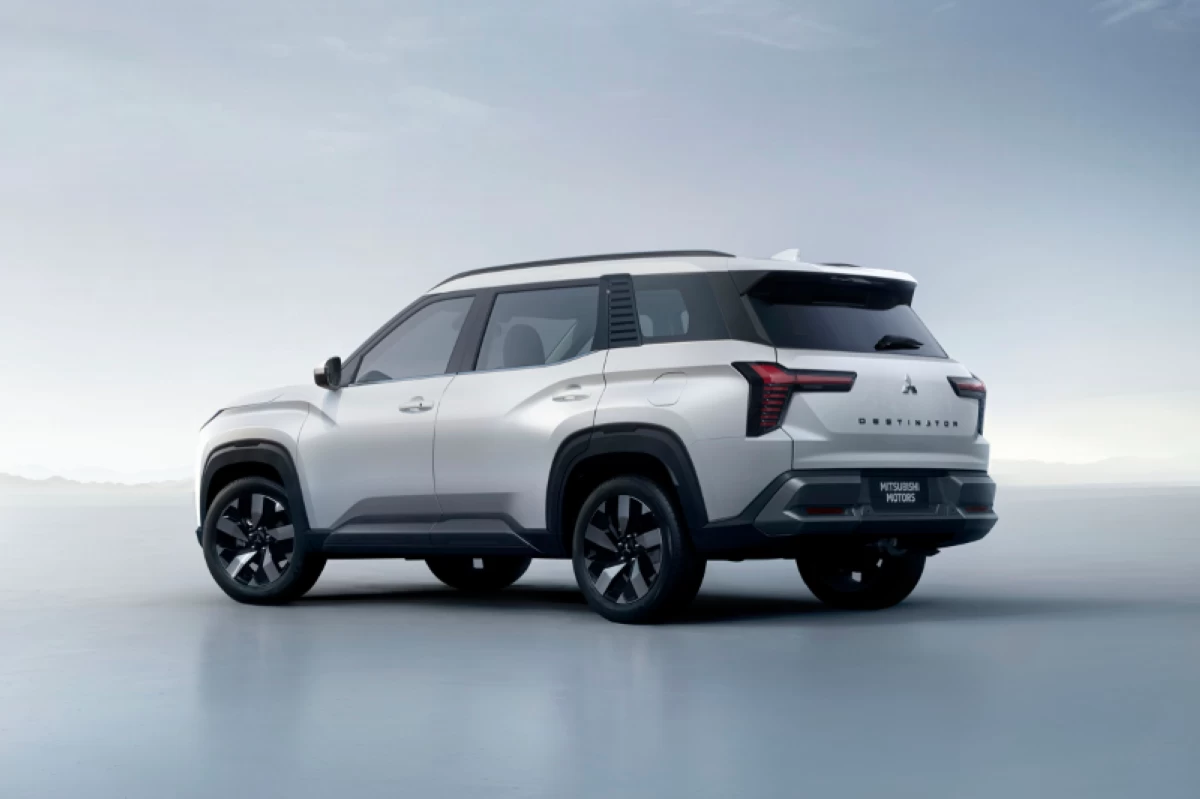
The production version stays true to the concept’s “Gravitas and Dynamism” design philosophy. It combines high ground clearance and upright SUV posture with the smooth ride and compact packaging of a unibody crossover. Measuring 4,680 mm long with a 2,815 mm wheelbase, the Destinator is comparable in length to the Honda CR-V but offers a longer wheelbase, which improves third-row legroom and interior flexibility.
Styling cues are closely aligned with the smaller X-Force, with shared elements such as the Dynamic Shield front grille, T-shaped LED lighting, and a similarly sculpted C-pillar and tailgate. At the rear, a new “Hexaguard Horizon” design motif, reminiscent of the Pajero’s spare tire enclosure, adds character while reinforcing Mitsubishi’s SUV lineage.
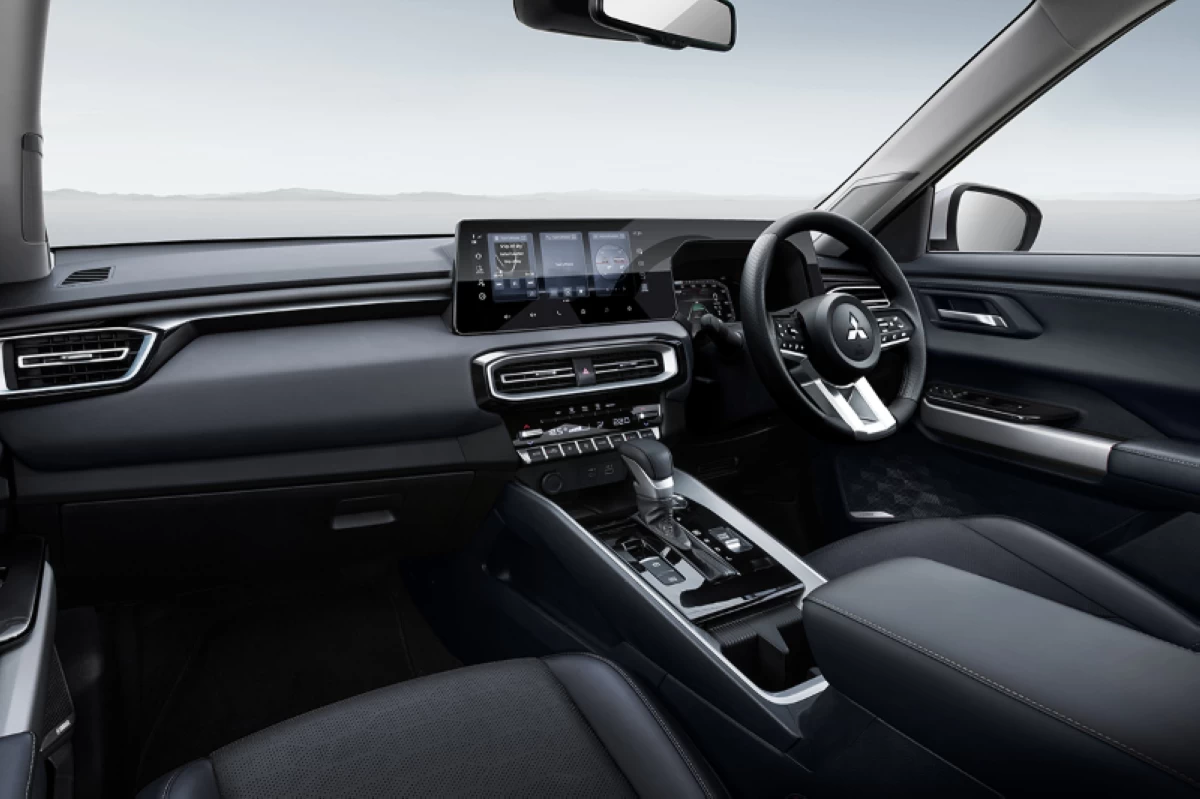
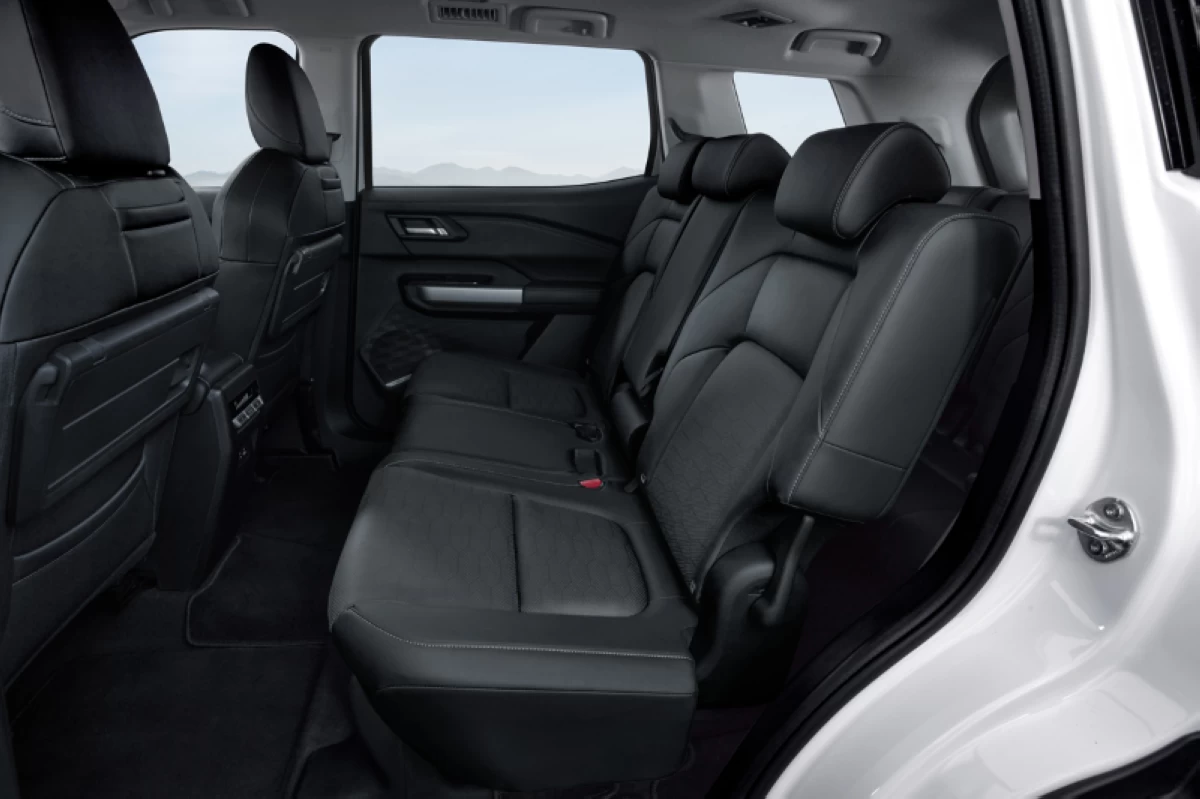
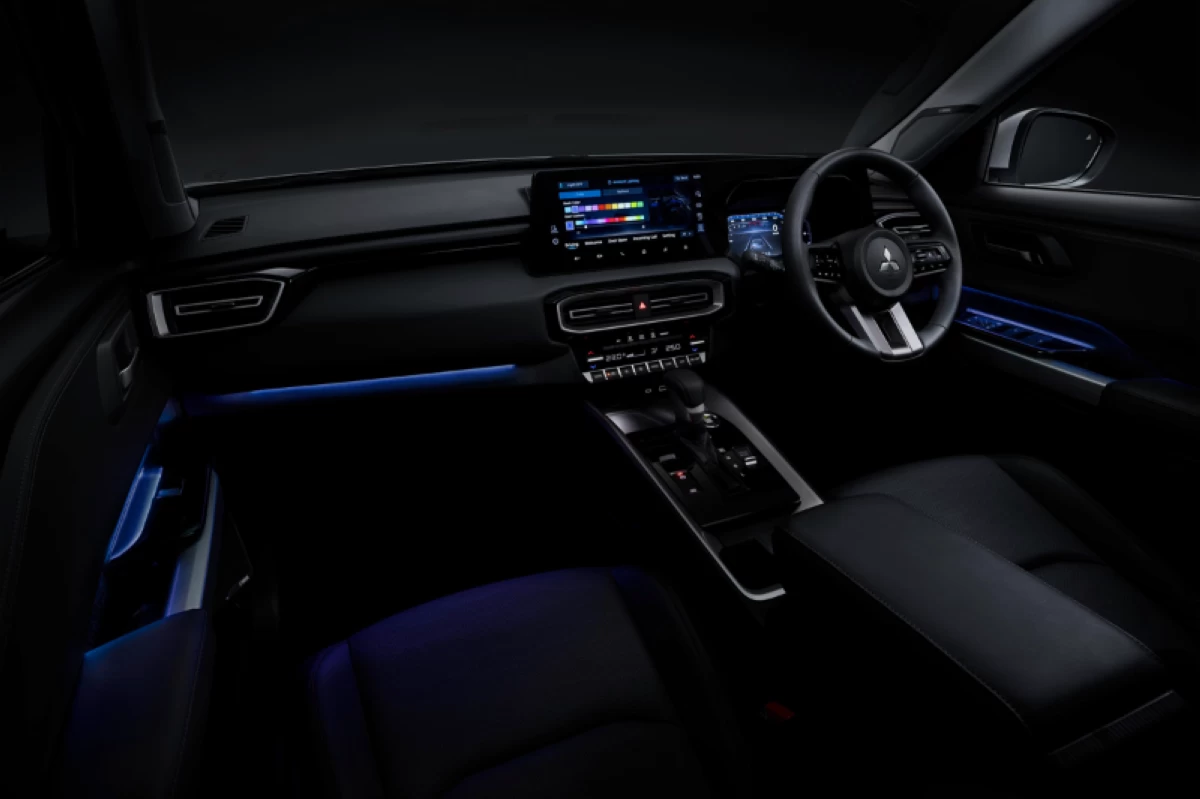
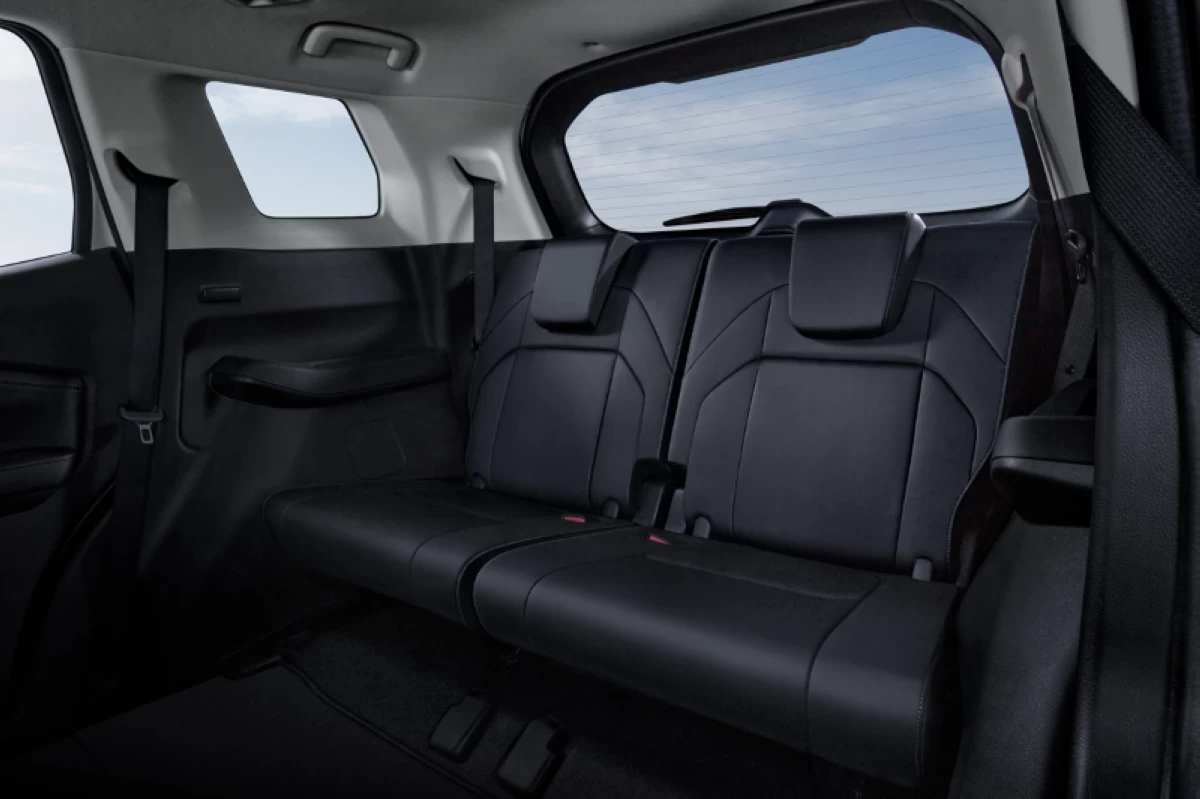
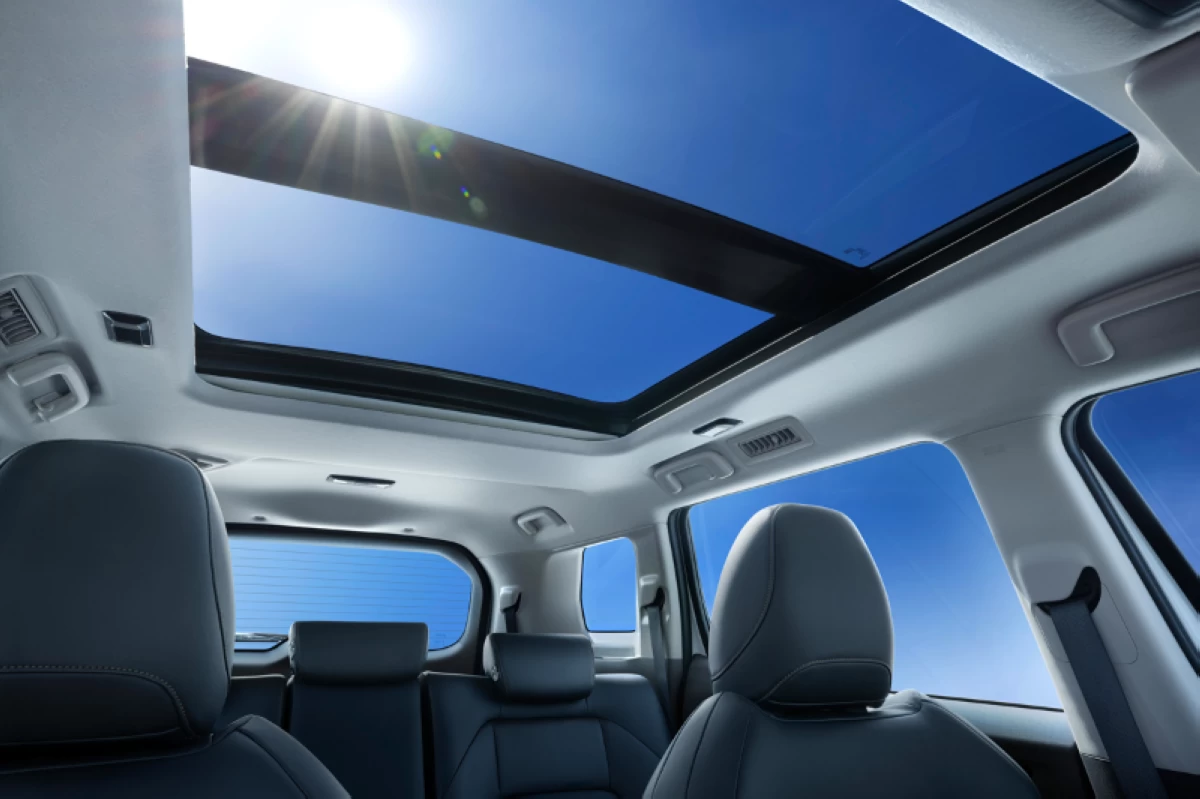
The cabin combines upscale materials with family-oriented practicality. Higher trims are equipped with a 12.3-inch touchscreen infotainment system compatible with Android Auto and Apple CarPlay, ambient lighting with 64 color options, and a panoramic sunroof. The center console retains tactile switches similar to those in the Xpander Cross. Seating is flexible, with a 60:40 second-row bench that includes a fold-down armrest with tray table, and a 50:50 split third row that folds flat. Air-conditioning vents are available across all three rows, complemented by USB-A and USB-C ports throughout the interior.
Powering the Destinator is a 1.5-liter 4B40 turbocharged gasoline engine producing 163 PS and 250 Nm of torque, paired with a continuously variable transmission (CVT). This engine is a significant upgrade over the naturally aspirated units found in the Xpander and X-Force. Although front-wheel drive, higher variants feature a Drive Mode Selector with five terrain settings: Normal, Wet, Gravel, Tarmac, and Mud. Mitsubishi’s Active Yaw Control (AYC) system, the highly touted handling feature on the Xpander Cross and X-Force, enhances handling by adjusting braking force between the left and right wheels and comes standard on all variants of the Destinator.
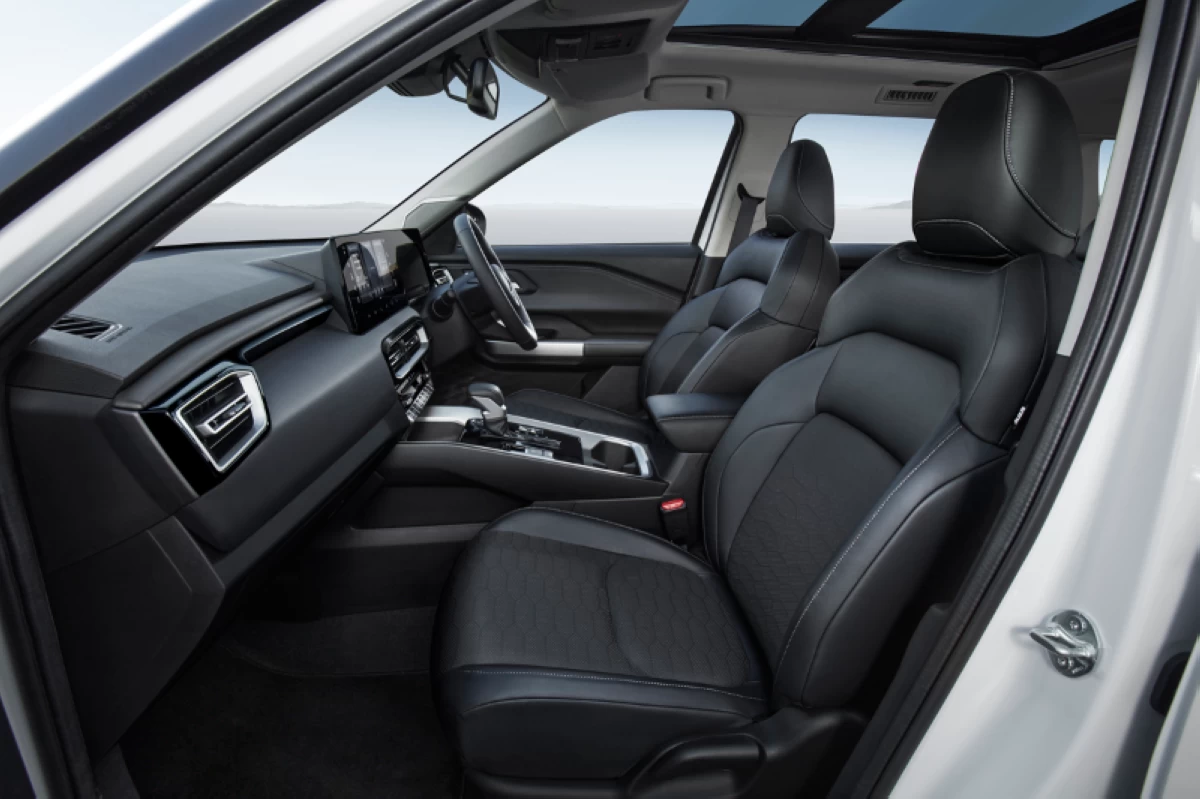
Safety equipment in the top-spec Ultimate trim includes Forward Collision Mitigation (FCM), Adaptive Cruise Control, Blind Spot Warning with Lane Change Assist, Rear Cross Traffic Alert, Automatic High Beam, and a Multi Around Monitor. Standard features across all variants include multiple airbags, stability control, and an electronic parking brake with auto hold. Exclusive to the Ultimate variant are an electric tailgate, power-adjustable driver seat, and a YAMAHA premium sound system.
With its three-row layout, high ground clearance, and turbocharged powertrain, the Mitsubishi Destinator will likely compete with midsize crossovers such as the Honda CR-V, the Toyota Innova Zenix, and the Geely Okavango. These rivals offer a blend of family seating, versatility, and contemporary powertrains.
Manufactured at Mitsubishi Motors Krama Yudha Indonesia’s facility in Bekasi, West Java, the Destinator is scheduled for rollout in ASEAN markets, as well as in South Asia, Latin America, the Middle East, and Africa. While its arrival in the Philippines is expected, official confirmation and pricing have not yet been disclosed.