







What are the signs of the midlife hormone shift?
Here's what every man needs to know about their aging bodies
Published Jul 21, 2025 03:20 pm


At A Glance
- That persistent tiredness, the difficulty building muscle despite working out, low mood, and reduced interest in sex. These aren't just 'normal aging.'
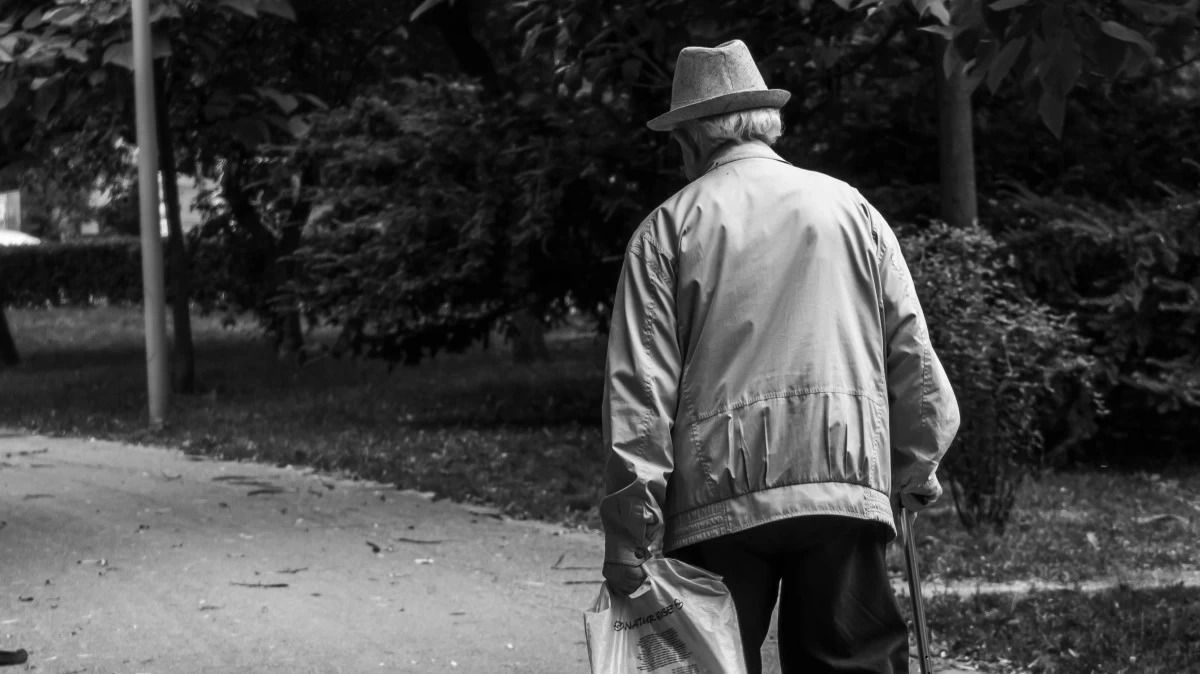
Do you know that feeling when the weights at the gym suddenly feel like they’ve doubled in weight? Or when you hit that afternoon wall and feel like you need a nap just to make it through dinner? Maybe you’ve noticed your mood isn’t quite what it used to be, or sleep has become more of a wrestling match than rest.
As a doctor who’s spent years studying how our bodies change over time, I’ve learned to think of hormones as our body’s internal messaging system. And somewhere around middle age, those messages start to change. It’s not your imagination, it’s biology. The truth is, the hormones that kept you running strong in your 20s and 30s don’t maintain that same energy forever. Testosterone, DHEA, growth hormone… They all begin a gradual decline. And this affects pretty much everything: how you feel, how you sleep, your energy levels, your strength, even your long-term health. Understanding what’s happening isn’t just medical trivia. It’s knowledge that can help you navigate these changes with confidence.
Testosterone: Your energy engine running low
Think of testosterone as your body’s main energy and vitality hormone. It’s what built your muscle mass, deepened your voice, and fueled your drive, not just sexually, but in general ambition and confidence.
Here’s what most men don’t realize: Starting around age 30, you lose about one percent of your testosterone each year. That doesn’t sound like much, right? But after 20 or 30 years, it really adds up. By your 50s and 60s, many men have testosterone levels that would have been considered low when they were younger.
And here’s the thing, you feel it. That persistent tiredness, the difficulty building muscle despite working out, low mood, and reduced interest in sex. These aren’t just “normal aging.” They’re often signs that your testosterone levels have dropped significantly. But it goes beyond feeling tired or less interested in romance. Low testosterone is linked to some serious health issues: weaker bones, increased body fat, higher risk of diabetes, heart problems, and even depression. It’s like a domino effect… As testosterone drops, you lose muscle and gain fat, which makes everything worse.
The good news? When men with genuinely low testosterone get proper treatment, they often see real improvements. Studies show better muscle strength, improved mood, and yes, better sexual function. One study followed men over 60 for six months of testosterone treatment—they got measurably stronger and felt significantly better.
I’m not saying everyone needs hormone therapy. That’s a serious medical decision. But knowing that testosterone plays such a huge role in how you feel can be empowering. It means those symptoms you’ve been brushing off as “just getting older” might actually have a cause you can address.
DHEA: The helper hormone you’ve never heard of
While testosterone gets all the attention, there’s another hormone quietly working behind the scenes: Dehydroepiandrosterone (DHEA). Think of it as testosterone’s supporting actor. DHEA is made in your adrenal glands and helps produce both testosterone and estrogen. In your 20s, you had tons of it. But it drops about 30 percent every decade. By age 70, you might have only a fraction of what you had in your youth. DHEA is fascinating because it seems to have its fingers in everything: brain function, stress response, immune system, and metabolism. It’s like your body’s Swiss army knife hormone.
As DHEA levels fall, some men notice problems with memory, mood, immune function, and bone strength. While we’re still learning about cause and effect, the timing is suspicious— these problems often show up just when DHEA is at its lowest. Some studies have found that DHEA supplements can help with bone density and mood in older men, though results vary. The key is working with a doctor who understands hormones. More isn’t always better, and you want to make sure it’s right for your situation.
Remember when you could pull an all-nighter, hit the gym the next day, and bounce back like nothing happened? That was growth hormone working overtime. Growth hormone does exactly what its name suggests: It helps your body grow and repair itself. Even as an adult, it’s crucial for maintaining muscle, strong bones, and healthy body composition. The problem is, growth hormone production drops about 15 percent each decade after your early 30s. By your 60s, you might be making less than half what you did in your 20s.
This shows up in ways you probably recognize: increasing belly fat, losing muscle despite exercise, slower recovery from workouts, and that general feeling that your body isn’t bouncing back like it used to. Unlike testosterone, growth hormone therapy isn’t commonly used for normal aging. It’s more complex and the benefits aren’t as clear-cut. But understanding that growth hormone decline is part of aging helps explain why good sleep, regular exercise, and stress management become so much more important as you get older. These are the natural ways to support your body’s own growth hormone production.
What can you do about it?
Here’s the bottom line: Hormonal changes are part of getting older, but they don’t have to derail your life. Start with the basics that actually work. Regular exercise, especially lifting weights, can naturally boost testosterone and growth hormone. Good sleep isn’t just about feeling rested. It’s when your body produces most of its growth hormone. Managing stress matters because chronic stress hormones can interfere with your other hormones. Most importantly, don’t suffer in silence. If you’re dealing with persistent fatigue, mood changes, sexual problems, or just feeling like a shadow of your former self, talk to your doctor. A simple blood test can tell you if your hormone levels are contributing to how you’re feeling. The goal isn’t to chase the hormone levels of a 20-year-old. That’s neither realistic nor necessarily healthy. It’s about finding out if there’s a real deficiency that’s affecting your quality of life and long-term health. For some men, that might mean hormone replacement therapy under careful medical supervision. For others, it might be lifestyle changes that naturally support hormone production. Either way, you deserve to feel like yourself again.
The path forwardAging is inevitable, but feeling terrible doesn’t have to be part of the package. Your body is communicating with you through these hormonal changes. The question is whether you’re listening.
The men I see who age most successfully are those who stay curious about their health, take symptoms seriously instead of just accepting them as “normal aging,” and work with their healthcare providers to address problems early.
This week, take a moment to honestly assess how you’re feeling. If you’re over 40 and things just don’t feel right, consider bringing up hormonal health at your next doctor’s visit. A blood test is simple, and the information it provides can be life-changing. Your body is talking to you in a new language now. By learning to understand and respond to what it’s saying, you can write the next chapters of your life with energy, strength, and vitality intact. The changes are real, but so is your ability to adapt and thrive. That’s not just medical advice, it’s a promise your body is ready to keep if you give it the support it needs.