







DepEd rolls out free daily meals for kinder nationwide
Published Jul 21, 2025 04:40 pm


At A Glance
- DepEd launches a universal feeding program for all public Kindergarten learners in 2025, targeting 3.4M children to fight early childhood malnutrition

DEPED MAKES HISTORY WITH UNIVERSAL SCHOOL FEEDING. All public Kindergarten learners nationwide now receive free daily meals, reaching 3.4 million children under the expanded School-Based Feeding Program. (DepEd photo)
In a landmark move to combat childhood malnutrition, the Department of Education (DepEd) has officially launched the expanded School-Based Feeding Program (SBFP), providing daily meals to all public Kindergarten learners across the Philippines for the first time in history.
The universal rollout of school feeding at the entry level of basic education marks a key milestone under President Marcos' human development agenda.
Universal school feeding begins for kinder learners
DepEd Secretary Sonny Angara announced the formal rollout on Monday, July 21, emphasizing the initiative as a strategic investment in learning, health, and long-term development.
“With the strong support of the President, we are investing not only in education, but in lifelong health, productivity, and equity,” Angara said.
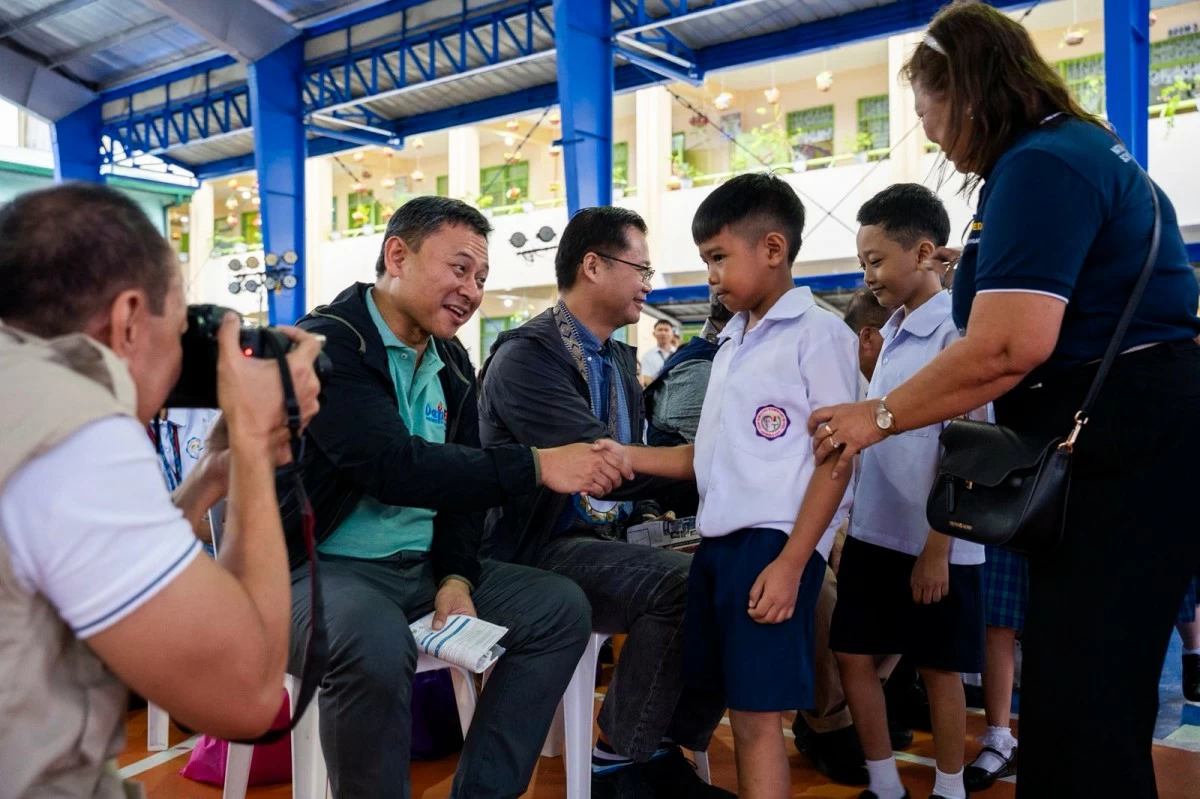
DepEd’s expanded feeding program marks a major step in the Marcos admin’s push for equitable education and child nutrition. (DepEd photo)
The SBFP expansion will benefit around 3.4 million children nationwide—including all Kindergarten pupils and malnourished students from Grades 1 to 6. Learners will receive hot meals and fortified food products for 120 school days per year.
The program is backed by a record P11.77 billion allocation for 2025, with a proposed P14 billion budget for 2026.
Early nutrition equals better education
Angara underscored that early nutrition significantly boosts student learning and performance, aligning with the administration’s core focus on human capital development.
“Kapag may sapat na nutrisyon ang mga bata, mas madali silang matuto (When children have adequate nutrition, they learn more easily),” Angara said. “Hindi natin kailangang hintayin pang magutom o magkasakit sila bago kumilos (We don’t need to wait for them to go hungry or fall ill before taking action).”

EARLY NUTRITION, BETTER EDUCATION. DepEd’s 2025 school feeding program rolls out nationwide, boosting learning and health for young pupils through hot meals and fortified food for 120 days. (DepEd photo)
DepEd reports strong early results:
- the number of severely wasted Kindergarten learners dropped from 113,451 to 47,281 in one school year;
- in Regions II and XI, severe undernutrition among Kinder students fell by around 80 percent; and
- teachers observed improved energy, participation, and health among pupils.
School gardens, central kitchens support nutrition push
To sustain the SBFP scale-up, DepEd has activated 74+ central kitchens, and over 44,000 schools through the “Gulayan sa Paaralan Program”—which incorporates school-grown vegetables into daily meals and teaches nutrition and food security.
The program is implemented in collaboration with Local government units (LGUs), Department of Health (DOH), Department of Social Welfare and Development (DSWD) and civil society organizations.
“Sama-samang gawain ito. Gobyerno ang nangunguna, pero kailangan ang suporta ng buong komunidad (This is a collective effort. The government takes the lead, but the support of the entire community is essential),” said Angara.
Expansion plans: Grades 1 to 3 may be included
Looking ahead, DepEd is studying the expansion of school feeding to Grades 1 to 3, given evidence that learning delays are often linked to poor nutrition.
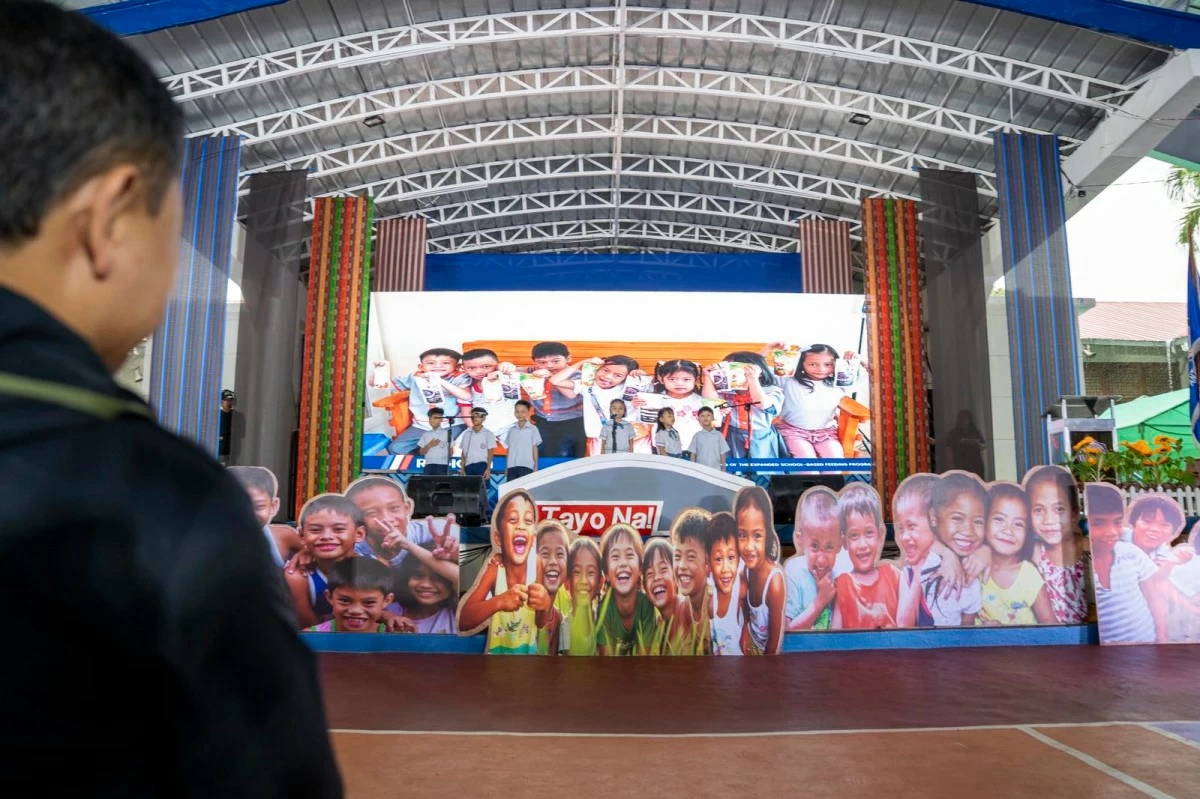
FEEDING MINDS, FUELING FUTURES. With a record P11.77B budget, DepEd's landmark feeding program covers all Kindergarten students, reducing malnutrition and laying the groundwork for Grades 1–3 expansion. (DepEd photo)
DepEd also plans to enhance meal diversity and nutrition content; implement stronger health monitoring systems; and partner with local farmers for home-grown feeding models.
“As the Marcos administration charts a path toward a more inclusive and resilient future, the investment in SBFP provides a strong direction—that the nation’s youngest learners deserve no less than a healthy beginning,” DepEd said.