







Charting the future of inclusive finance
Published Jul 21, 2025 12:05 am
|
Updated Jul 20, 2025 03:35 pm


FROM THE MARGINS
On July 30–31, the Microfinance Council of the Philippines, Inc. (MCPI) will convene its Annual Conference at Century Park Hotel, Manila, under the theme “Microfinance and Sustainable Finance for the Poor.” With over 500 expected participants — microfinance institution (MFI) leaders, regulators, government officials, and development partners — the event promises to shape the national conversation on how finance can be more inclusive, sustainable, and responsive to the realities of the poor.
The conference will feature key discussions on:
• Integrating Environmental, Social, and Governance (ESG) principles in regulation and institutional strategies
• The Philippines' economic outlook
• Sustainable finance for agriculture
• Incorporating gender sensitivity in microfinance
• Increasing staff satisfaction and well-being in MFIs
Senator Paolo Benigno “Bam” Aquino IV, a long-time advocate for social entrepreneurship and inclusive growth, will deliver the keynote address. The gathering aims to deepen cross-sector collaboration and chart forward-looking strategies that address poverty, vulnerability to climate change, and financial resilience of low-income communities.
This conference is more than a venue for policy dialogue — it is also a continuation of a movement that celebrates and empowers the lifeblood of inclusive finance: the operations staff working in the field.
Operations staff summit
Last June 10–11, MCPI also held the Microfinance Operations Staff Summit, bringing together almost 300 participants coming from 41 MFIs across the country. Led by MCPI Chairperson Gilbert “Gomby” Maramba, the summit shone a well-deserved spotlight on field staff as the mission-bearers of inclusive financial services.
Plenary sessions featured inspiring speakers, including Bangko Sentral Assistant Governor Pia Roman-Tayag, Securities and Exchange Commission Assistant Director Emma Valencia, and Ms. Hazel Esteban, an ASHI client who shared her personal story of transformation through microfinance.
Breakout sessions covered critical topics such as: Delinquency Management; New Ways of Instilling Credit Discipline; the Importance of Center Meetings; Loan Processes and Procedures; and Targeting the Poor in a Digital World.
Throughout the summit, one message rang clear: operations staff are mission-bearers and not just workers. They are at the heart of the microfinance mission – building clients’ trust, managing portfolios, and bringing institutional values into the homes and lives of borrowers. Their role is crucial given today’s context of digital disruption, sustainability imperatives, and shifting social dynamics.
Issues and insights
Among the most insightful discussions at the summit were those surrounding center meetings — once sidelined during the pandemic but now reaffirmed as essential. Summit participants stressed how center meetings are important venues to deliver both financial and non-financial services. They provide space for peer support and community bonding, financial literacy and values formation, which facilitate good repayment rates and improved income for members.
Challenges such as poor attendance, digital payment concerns, and disinterest from some clients were tackled head-on. Solutions shared include:
• Using updated tools like the Poverty Probability Index (PPI) and Basic Economic Profile (BEP) for better client targeting
• Reintroducing community orientation to reverse the “pay-and-go” culture
• Combining digital payment systems with human-centered services
• Structuring shorter, more engaging CMs
• Incentivizing participation with access to social development programs
There was an observation that paying rent for center meeting venues and giving honoraria to center leaders could run counter to the values of volunteerism, mutual support, and community building that MFIs have always espoused. Concerns were also raised about using separate collection departments for non-performing loans, as it could undermine account officers’ roles in ensuring loan quality and borrower accountability.
The message was clear: revive our core values and support frontliners in empowering members to help each other and improve center operations. Centers are vital for both efficient service delivery and building empowered communities.
What comes next
The Operations Staff Summit served three important purposes: peer learning across MFIs’ varied experiences; operational alignment in delinquency management, digitalization, and client engagement; and engaging with regulators in policy directions. Truly, we all need to collaborate towards shaping a more inclusive regulatory environment.
With these foundations, the sector is well-prepared for the broader strategic discussions awaiting at the MCPI Annual Conference. The connection between the two events is clear: both elevate the importance of human capital — field staff, leaders, and clients — as the true drivers of financial inclusion.
Celebrating frontliners
To all operations staff: You are not just workers — you are changemakers. Your daily tasks carry our mission into the heart of every community.
I foresee MCPI members and all MFIs intensifying efforts to:
• Professionalize operations and invest in staff growth
• Embrace innovation without losing sight of personal relationships
• Serve with compassion and excellence
• Build a culture that not only serves clients but uplifts our people
We look forward to the MCPI Annual Conference, keeping in mind that inclusive finance is not just about products and service — it is about people. We hope to continue uplifting and empowering people and communities even as we champion responsible, inclusive, and transformative finance.
* * *
“The greatness of a community is most accurately measured by the compassionate actions of its members.” - Coretta Scott King
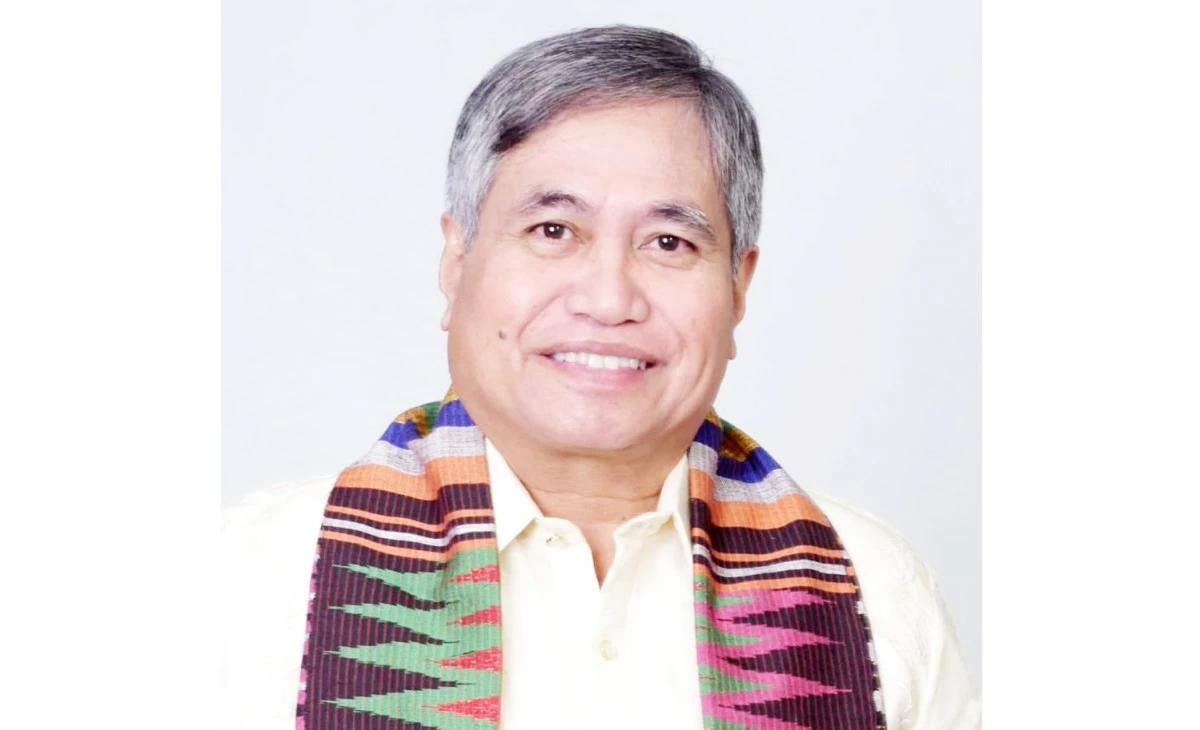
(Dr. Jaime Aristotle B. Alip is a poverty eradication advocate. He is the founder of the Center for Agriculture and Rural Development Mutually-Reinforcing Institutions (CARD MRI), a group of 23 organizations that provide social development services to eight million economically-disadvantaged Filipinos and insure more than 27 million nationwide.)