







Longevity
Published Jul 19, 2025 12:05 am
|
Updated Jul 18, 2025 06:27 pm


PAGBABAGO
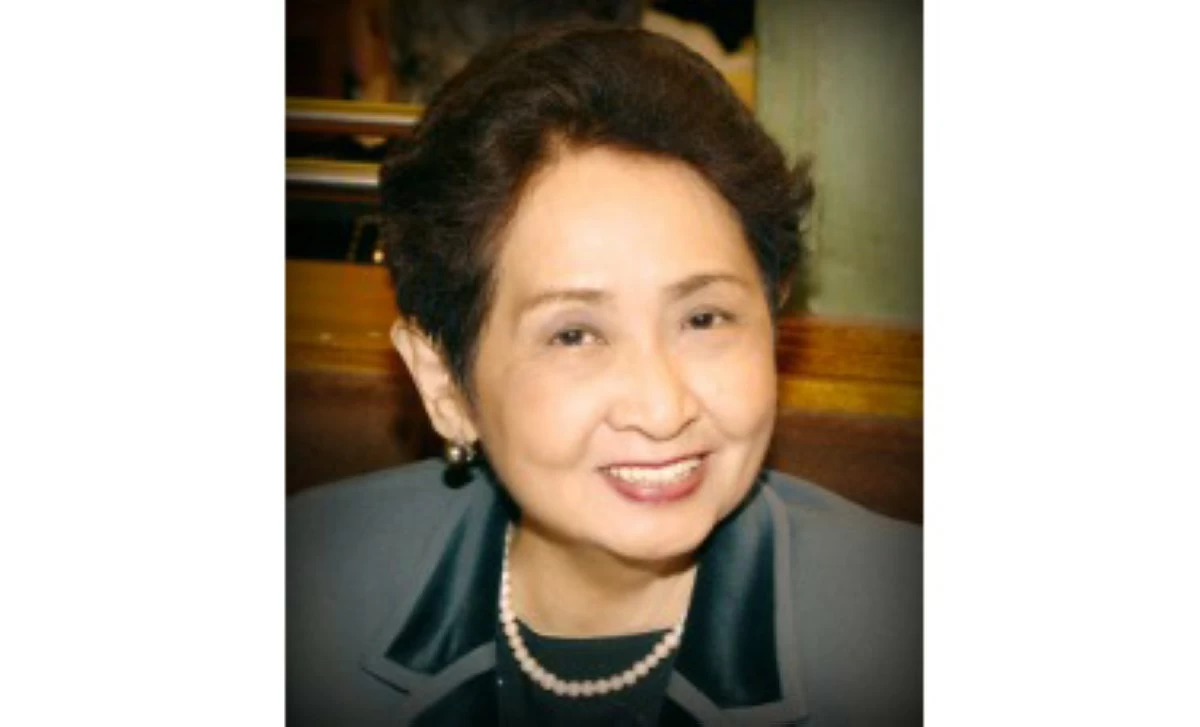
While I was growing up, I never thought I would become a nonagenarian (I am 93) but here I am, together with a younger sister who at 91 is continually faced with the challenge of aging and having to respond to queries from curious friends about our secret for longevity.
For over a decade, my husband who passed on at 99 (40 days short of the magic 100), went through a similar experience. Andy with his wit and humor, decided to coin a limerick that goes: “Cigarettes and whisky, and wild wild venison.”
Having to face a similar question during a recent gathering, my sister and I decided to do the seme by coming up with this response: “Lipstick, champagne, Chanel No. 5.”
Levity aside, we may have inherited the genes of two grandmothers who lived with us during our childhood years. One, the mother of our mother, passed on at 84, and the other, the grandmother of my father, at 98.
Recently, a colleague shared a piece of good news, (depending on your stance on this matter) which she says, came from a reliable source: That it won’t be long before the average age of passage is 125. This, because of advances in health and medical science, and changes in lifestyle. If this were true, it should provide countries with rising longevity cause for alarm. But the good news is that it is a fact that people tend to have fewer children when the rate of longevity increases. This means that the threat of overpopulation and the lack of resources and carrying capacity of existing infrastructure would not be so burdensome.
I searched online and further consulted Meta’s AI and came up with some survey results and demographic data. Among them are the following: More women than men live to 100; and the top three places with the most centenarians are all in the Caribbean, namely, Guadeloupe which has more centenarians per capita than anywhere else in the world; Japan tied up with Uruguay for fourth, followed by the United States, Puerto Rico, Hong Kong, Channel Islands, France, and Latvia.
Factors for longevity include limits on smoking and alcohol, adequate sleep, hydration, having a positive outlook and social connections, community involvement and strong social ties, health factors like having regular health check-ups, managing chronic conditions and maintaining healthy weight; as well as environmental including access to clean air, safe neighborhood, and healthy food options; and genetic, or family history.
Among the benefits of longevity are having more time for personal concerns, fulfillment with increased wisdom, and opportunity to contribute to society for a longer period.
But the challenges are many. These include overpopulation, strain on resources, increased health costs, economic implications such as shrinkage in workforce, strain on pension and retirement systems, increased dependency, social inequality, intergenerational problems as the older generations work and continue to exercise leadership thus limiting opportunities for the young to lead, and more energy consumption with its environmental impact.
A review of government initiatives include policies such as the formulation of a National Longevity Development Plan such as that of the United Kingdom’s plan to promote healthy aging, investment in biomedical research, and development of age-friendly infrastructure. Some examples of the latter are Japan’s plan for an “ageless society,” Singapore’s smart homes, and the UK’s genomic medicine service.
But there are countries facing the challenge of inadequate resources such as Japan with its fastest aging population but struggling to provide adequate health care and social services. Italy has the highest percentage of centenarians in Europe but its healthcare system is under strain. Greece’s economic crisis has affected its healthcare system. China’s rural areas are experiencing a rapid increase among the older members who lack access to social services. Small island countries like Samoa, which are vulnerable due to climate change, continue to struggle for access to health facilities.
Finally, the trend in the Philippines is a shift in its demographic landscape with increasing longevity and declining birth rates. Its life expectancy has improved while the fertility rate has decreased. The trend is expected to continue with implications for the country’s population growth, age structure, and economic development. The country’s population as of 2025 is 116,786,962. The average life expectancy for both sexes is 70.1 with females living longer (73.1 years) than males (67.1 years) according to worldometers.info.
But even with the above, policy makers are asked to prepare for a rise in longevity with such developments as a more improved healthcare and advances in medical technology and a further increase in life expectancy and a decline in mortality rate.
Governments are urged to prepare a more responsive system that would support the needs of elderly people as well as continue to upgrade healthcare facilities for the aging; and finally, the design of communities that support the wellbeing and mobility of the elderly. ([email protected])