ADVERTISEMENT

Ice Seguerra returns to songwriting spotlight with twin release 'Wag na Lang Pala' and 'Nandyan Ka'

Published Jul 19, 2025 11:06 am
Ice Seguerra
Ice Seguerra
On July 18 at midnight, OPM icon Ice Seguerra opened a new creative chapter with the release of two original tracks—“Wag Na Lang Pala” and “Nandiyan Ka”—marking the first twin single drop from his upcoming all-original album, "Being Ice."
While Seguerra has long been a beloved figure in Philippine music, Being Ice represents a personal milestone: it’s his first full-length album of entirely original material, his first solo album in ten years, and the first project that fully embraces his storytelling voice — not as an interpreter, but as a writer.
The emotional centerpiece of the release is “Nandiyan Ka,” a song already being hailed by fans and insiders as this generation’s “Pagdating ng Panahon.” But this time, it’s not about love that might arrive in the future—it’s about love that was always there. Quiet. Steady. Unnoticed—until it was too late.
The song was co-written with none other than Jonathan Manalo, the most-streamed Filipino songwriter and producer, with over 7.9 billion streams across platforms and a ranking as the 141st top global music producer.
“This is one of those songs that wrote itself,” says Manalo. “It came from a very real place—something both Ice and I understood deeply: what it feels like to realize love only after it’s gone.”
“We’ve known each other for years, and there’s so much trust there,” Seguerra adds. “Jonathan and I don’t have to explain too much; we just get it. This song came from that place of knowing and respect.”
Soft, melancholic, and deeply introspective, “Nandiyan Ka” paints a quiet portrait of unrecognized love. “Oh, nandiyan ka lang pala / ‘Di ko man lang nakita,” Ice sings in the opening lines—a phrase that resonates with anyone who’s ever taken for granted someone who loved them consistently and without condition.
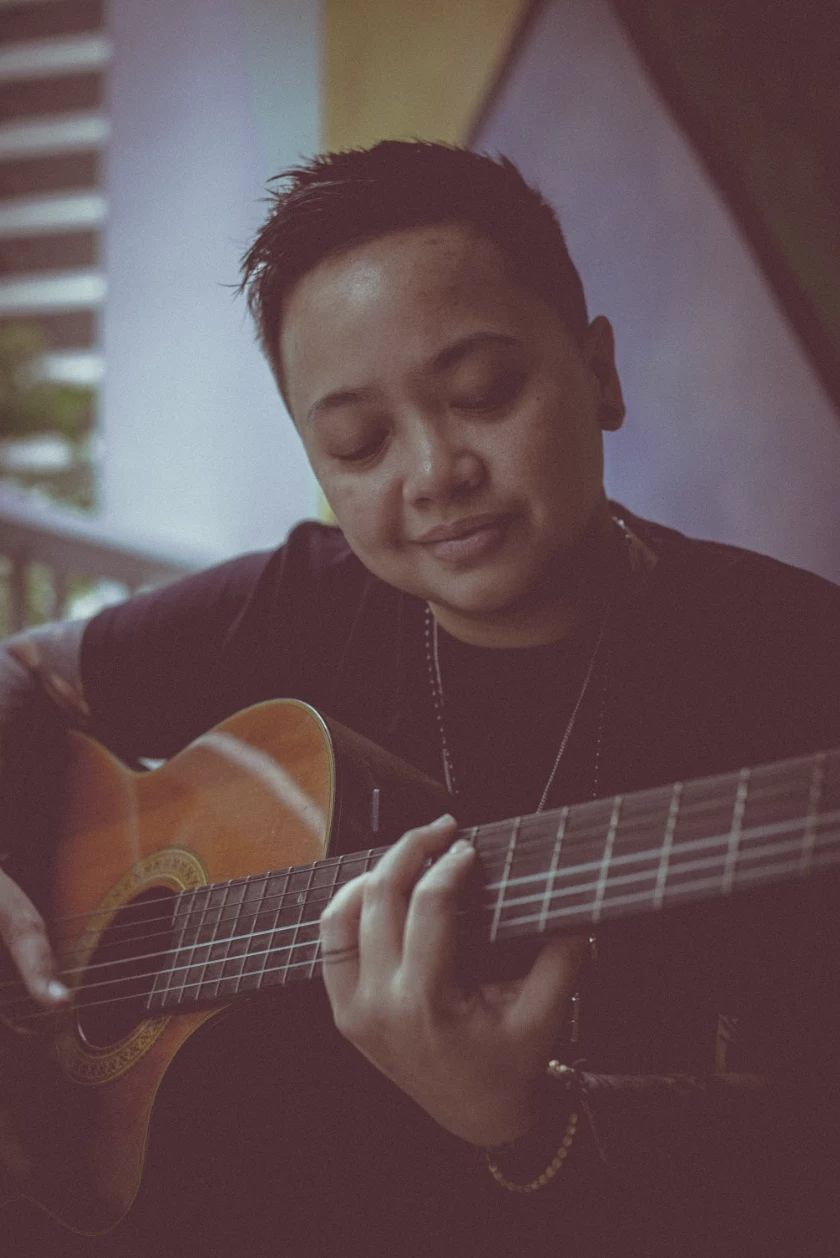
It’s a song of regret—not from a love that ended, but from a love we failed to notice in time.
Paired with “Wag Na Lang Pala,” the second single in the twin drop, Ice takes listeners even deeper into emotional terrain. This time, the song centers on a love that remains hidden—a romantic confession kept quiet to preserve a cherished friendship.
The track is co-written with Ice’s wife, Liza Diño-Seguerra, a creative force in her own right. Their collaboration adds another layer of intimacy and vulnerability to the album. In “Wag Na Lang Pala,” the choice is between speaking your heart or keeping someone in your life. Ice chooses silence—and sings the heartbreak of that decision.
“Writing with Liza was raw,” Ice shares. “It was scary, actually, because when you’re writing with someone who knows you that well, there’s nowhere to hide. But that’s what this album is about—no filters.”
The two singles together form a powerful emotional duet: Where “Nandiyan Ka” is about what we didn’t recognize, “Wag Na Lang Pala” is about what we couldn’t risk. One sees too late. The other never dares. They offer a dual lens into what Being Ice promises to be—a deeply human album full of quiet bravery, emotional clarity, and unflinching honesty.
Set for release under Fire and Ice Music, and distributed by ABS-CBN Star Music, Being Ice is almost like an artistic rebirth.
“I’ve spent most of my career giving life to other people’s words,” Ice says. “This time, I get to give life to mine.”
The album is expected to be released on Aug. 8. It features a full slate of original compositions that explore identity, vulnerability, and the many ways we love—quietly, fearfully, and sometimes too late.

Related Tags

Ice Seguerra
ADVERTISEMENT
.most-popular .layout-ratio{ padding-bottom: 79.13%; } @media (min-width: 768px) and (max-width: 1024px) { .widget-title { font-size: 15px !important; } }

{{ articles_filter_1561_widget.title }}

.most-popular .layout-ratio{ padding-bottom: 79.13%; } @media (min-width: 768px) and (max-width: 1024px) { .widget-title { font-size: 15px !important; } }

{{ articles_filter_1562_widget.title }}

.most-popular .layout-ratio{ padding-bottom: 79.13%; } @media (min-width: 768px) and (max-width: 1024px) { .widget-title { font-size: 15px !important; } }

{{ articles_filter_1563_widget.title }}

{{ articles_filter_1564_widget.title }}

.mb-article-details { position: relative; } .mb-article-details .article-body-preview, .mb-article-details .article-body-summary{ font-size: 17px; line-height: 30px; font-family: "Libre Caslon Text", serif; color: #000; } .mb-article-details .article-body-preview iframe , .mb-article-details .article-body-summary iframe{ width: 100%; margin: auto; } .read-more-background { background: linear-gradient(180deg, color(display-p3 1.000 1.000 1.000 / 0) 13.75%, color(display-p3 1.000 1.000 1.000 / 0.8) 30.79%, color(display-p3 1.000 1.000 1.000) 72.5%); position: absolute; height: 200px; width: 100%; bottom: 0; display: flex; justify-content: center; align-items: center; padding: 0; } .read-more-background a{ color: #000; } .read-more-btn { padding: 17px 45px; font-family: Inter; font-weight: 700; font-size: 18px; line-height: 16px; text-align: center; vertical-align: middle; border: 1px solid black; background-color: white; } .hidden { display: none; }
function initializeAllSwipers() { // Get all hidden inputs with cms_article_id document.querySelectorAll('[id^="cms_article_id_"]').forEach(function (input) { const cmsArticleId = input.value; const articleSelector = '#article-' + cmsArticleId + ' .body_images'; const swiperElement = document.querySelector(articleSelector); if (swiperElement && !swiperElement.classList.contains('swiper-initialized')) { new Swiper(articleSelector, { loop: true, pagination: false, navigation: { nextEl: '#article-' + cmsArticleId + ' .swiper-button-next', prevEl: '#article-' + cmsArticleId + ' .swiper-button-prev', }, }); } }); } setTimeout(initializeAllSwipers, 3000); const intersectionObserver = new IntersectionObserver( (entries) => { entries.forEach((entry) => { if (entry.isIntersecting) { const newUrl = entry.target.getAttribute("data-url"); if (newUrl) { history.pushState(null, null, newUrl); let article = entry.target; // Extract metadata const author = article.querySelector('.author-section').textContent.replace('By', '').trim(); const section = article.querySelector('.section-info ').textContent.replace(' ', ' '); const title = article.querySelector('.article-title h1').textContent; // Parse URL for Chartbeat path format const parsedUrl = new URL(newUrl, window.location.origin); const cleanUrl = parsedUrl.host + parsedUrl.pathname; // Update Chartbeat configuration if (typeof window._sf_async_config !== 'undefined') { window._sf_async_config.path = cleanUrl; window._sf_async_config.sections = section; window._sf_async_config.authors = author; } // Track virtual page view with Chartbeat if (typeof pSUPERFLY !== 'undefined' && typeof pSUPERFLY.virtualPage === 'function') { try { pSUPERFLY.virtualPage({ path: cleanUrl, title: title, sections: section, authors: author }); } catch (error) { console.error('ping error', error); } } // Optional: Update document title if (title && title !== document.title) { document.title = title; } } } }); }, { threshold: 0.1 } ); function showArticleBody(button) { const article = button.closest("article"); const summary = article.querySelector(".article-body-summary"); const body = article.querySelector(".article-body-preview"); const readMoreSection = article.querySelector(".read-more-background"); // Hide summary and read-more section summary.style.display = "none"; readMoreSection.style.display = "none"; // Show the full article body body.classList.remove("hidden"); } document.addEventListener("DOMContentLoaded", () => { let loadCount = 0; // Track how many times articles are loaded const offset = [1, 2, 3, 4, 5, 6, 7, 8, 9, 10]; // Offset values const currentUrl = window.location.pathname.substring(1); let isLoading = false; // Prevent multiple calls if (!currentUrl) { console.log("Current URL is invalid."); return; } const sentinel = document.getElementById("load-more-sentinel"); if (!sentinel) { console.log("Sentinel element not found."); return; } function isSentinelVisible() { const rect = sentinel.getBoundingClientRect(); return ( rect.top < window.innerHeight && rect.bottom >= 0 ); } function onScroll() { if (isLoading) return; if (isSentinelVisible()) { if (loadCount >= offset.length) { console.log("Maximum load attempts reached."); window.removeEventListener("scroll", onScroll); return; } isLoading = true; const currentOffset = offset[loadCount]; window.loadMoreItems().then(() => { let article = document.querySelector('#widget_1690 > div:nth-last-of-type(2) article'); intersectionObserver.observe(article) loadCount++; }).catch(error => { console.error("Error loading more items:", error); }).finally(() => { isLoading = false; }); } } window.addEventListener("scroll", onScroll); });

Sign up by email to receive news.