






Manila Bulletin
 Lifestyle
Travel
Why Leyte's Kalanggaman Island is Philippines' hook for European voyagers
Lifestyle
Travel
Why Leyte's Kalanggaman Island is Philippines' hook for European voyagers
Lifestyle
Travel
Why Leyte's Kalanggaman Island is Philippines' hook for European voyagers
Why Leyte's Kalanggaman Island is Philippines' hook for European voyagers
Exploring this affordable and peaceful destination
By Derco Rosal
Published Jul 18, 2025 02:16 am


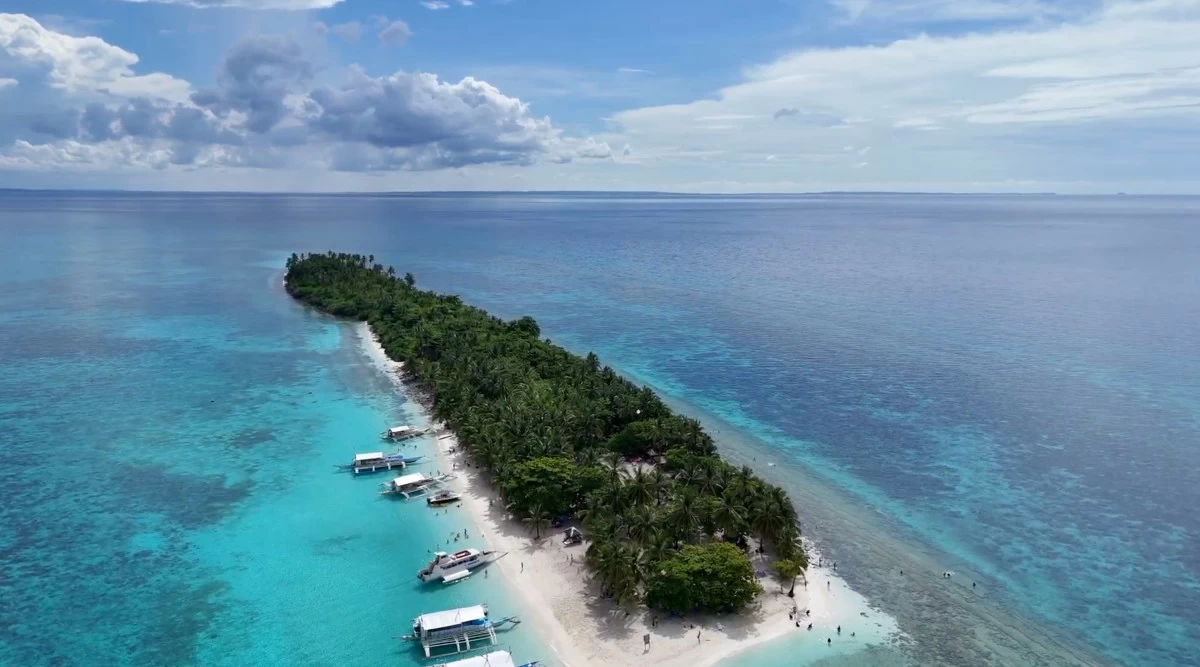
TROPICAL BLISS Kalanggaman Island offers a refuge from the urban landscape with its natural beauty
European voyagers have long moved beyond the era when “god, gold, and glory” drove their conquests to the tropical islands of the Philippines. The country has since been liberated from all its colonizers — and now, the tides have turned.
There is a nearly seven-hectare white-sand island in Palompon, Eastern Visayas that has been enchanting visitors from foreign lands since 2013. It always finds a way to lure travelers to sail its waters and step onto its fine sand.
From a bird’s-eye view, this secluded island resembles the graceful flapping of wings—hence the name Kalanggaman Island. In Cebuano, “langgam” means bird, groups of which were observed swooping around the island as it abounds in different fish they prey on.
Once a sanctuary for birds, Kalanggaman Island now attracts people from around the world who come only to bathe in the tropical island. Locals say that MS Europa 2, a German-based luxury cruise ship, is a frequent visitor—bringing in enough tourists at once that the island is sometimes closed temporarily to prevent overcrowding.
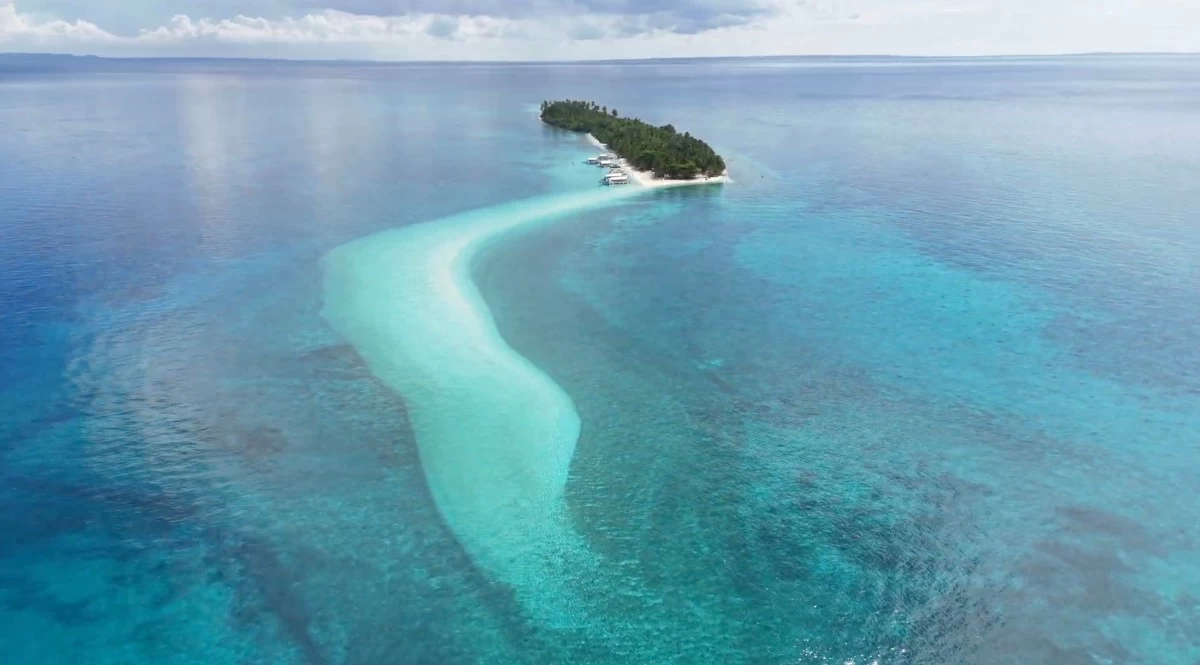
BIRD'S VIEW Langamman Island's name comes from langgam, meaning 'bird' in the local language
They have crossed multiple horizons just to find Kalanggaman Island. And the people of Palompon have nothing to say except: “You’re welcome!” The visitors were just on the island last February—swimming, snorkeling, kayaking—everything!
But they did not bathe with soap, shampoo, or other chemicals. They rinsed off using saltwater. They also made sure not to bring in or leave behind any foreign objects. According to Palompon Vice Mayor Javes Keith Dela Calzada, this rule has been in place since the island was opened to the public in 2010.
Prior to fully making Kalanggaman Island available for tourists, Dela Calzada said the local government unit (LGU) of Palompon crafted and approved “various policies, sustainable practices, and protocols that would protect, maintain, and preserve the island’s natural beauty” even with the expected influx of tourists.
This could have been a place vulnerable to the harmful impacts of mass tourism had Palompon focused only on revenue. But the LGU has been clear from the start that this island has been treated as a precious treasure being protected from anything that would ruin its form.
“Each visit of a cruise ship is carefully coordinated by the LGU Palompon together with the Philippine Ports Authority (PPA), Philippine Coast Guard (PCG), Palompon Municipal Police Station, the Municipal Eco-Tourism Office and other agencies concerned, to ensure security, environmental compliance, and smooth operations,” Dela Calzada noted.
“Usually, a coordination meeting is held several days before the arrival of the cruise ship to make sure that all facilities and protocols are properly prepared,” he added.
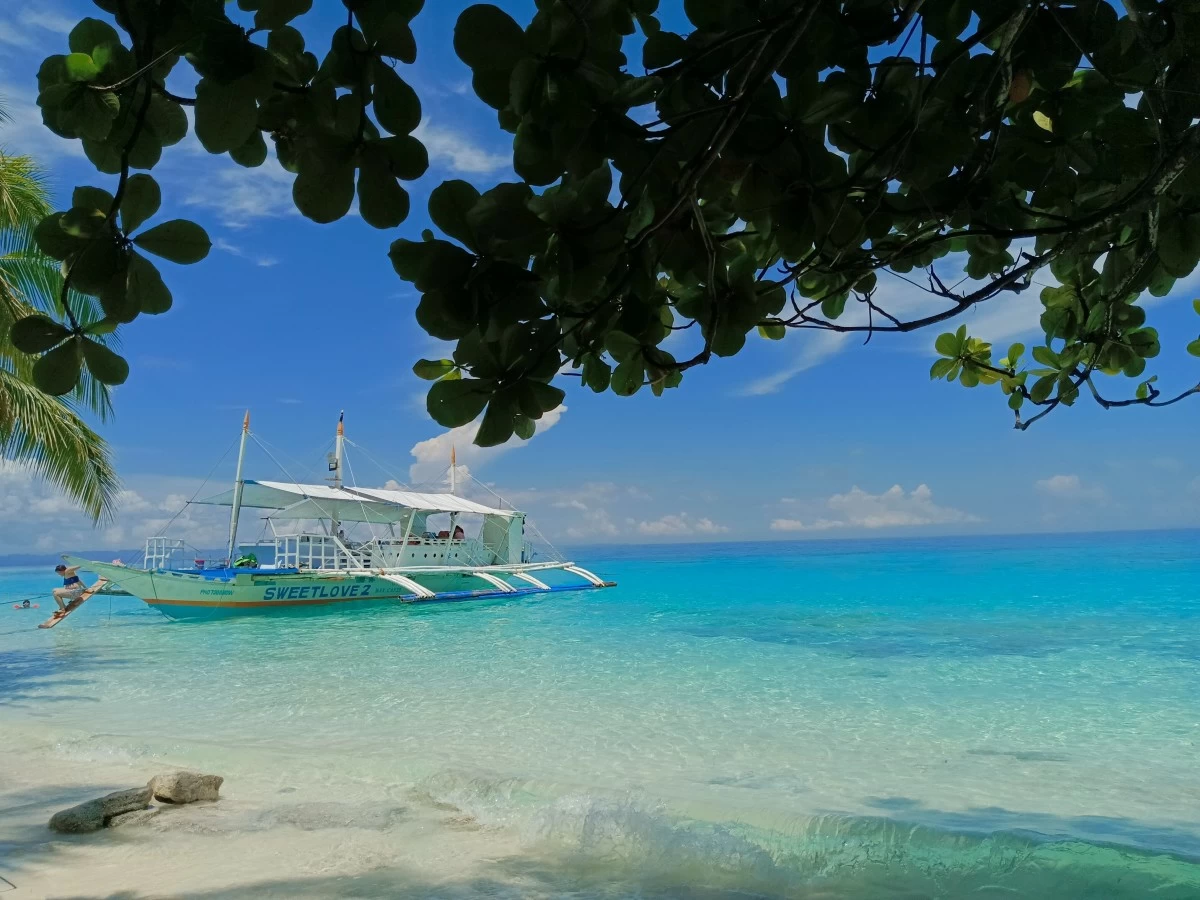
PICTURE PERFECT Australian travel guide 'Lonely Planet' lists the island as one of the country's most picturesque locations
Quiet presence
No one can deny the unspoken connection you would feel the moment your feet touch the island’s fine, white sand. Leaving the mainland aboard one of the town’s 12 operating boats feels like a symbolic disconnect from the world—even from the digitally connected one.
There is a faint and fleeting network signal in Kalanggaman Island. Just enough for you to communicate to your people from the other side. Oftentimes, that lone blinking bar on the upper corner of your screen just completely disappears. You truly begin to co-exist with the island once your phone ceases lighting up with notifications.
Walk barefoot on the sand. Sink your toes into it. Listen to the waves as they slap the shore. Sleep under the shade of a tree. Shoot hoops. Dig that volleyball. Listen to your curated music playlist play in the background. Worry not of loudspeakers and videokes downing out your music as Palompon bans it.
Even pancit canton and a three-in-one coffee mix taste way better on this island. Pure magic.
Speaking of something to munch and gulp, this island barely has them so good food from the mainland are allowed to be shipped to the place. There is a lone halo-halo vendor on the island, selling the creamiest, most delicious way a halo-halo can be. It is priced at below P200.
Although Kalanggaman Island has drawn luxury cruise ships, it remains accessible to everyday folks from Palompon and nearby towns. You could randomly see a group of students spreading out a picnic mat and unpacking their home-cooked meals.
Still students from the nearby town of Merida, Gwen, Grace, Melvin, and Jaybie managed to save enough to join a travel group bound for the island. While they were clearing up after eating lunch, Gwen—a first-timer on the island—shared that getting to the island was not all that expensive.
Josiah, 19, who grew up in the bustling city of Mandaluyong, came to the island simply to witness the sun rise and set from its shores. After playing basketball with his newfound friend Atot, Josiah shared that they came to the island as a family—noting that the place remains gentle to pockets.
For tourists coming from Metro Manila, the island can be reached via AirAsia flights to Tacloban City at a more affordable cost.
Other than witnessing a sunset, Josiah said the nearby sandbar is a sight to behold. it, however, is not visible when the tides are high. This is the way the sandbar exists, but what if it never emerges out of the water upon sinking?
While the LGU Palompon has not received reports from the National Mapping and Resource Information Authority (NAMRIA) that island is at risk of completely sinking in the future, Dela Calzada noted that climate studies of Philippine Atmospheric, Geophysical and Astronomical Services Administration (PAGASA) and Climate Change Commission (CCC) revealed the continuous sea level rise in the region.
“It is confirmed that the sea level in the Visayas region is rising per year, which is even higher than the global average,” Dela Calzada said. He added that this phenomenon could eventually affect the island’s shoreline, “especially the sandbar, which naturally shifts due to waves, wind, and rising sea levels.”
Signs are telling this site could, in the future, join the islands that vanished from the Philippine map.
“That’s why it’s better to bask in Kalanggaman’s natural beauty now, while also taking steps to protect it from the potential impacts of climate change for future generations,” Dela Calzada said.