






Manila Bulletin
 Business
Trade & Industry
New ERC chief pledges to fix red tape, reevaluate power deals
Business
Trade & Industry
New ERC chief pledges to fix red tape, reevaluate power deals
Business
Trade & Industry
New ERC chief pledges to fix red tape, reevaluate power deals
New ERC chief pledges to fix red tape, reevaluate power deals
Published Jul 18, 2025 12:44 pm
|
Updated Jul 18, 2025 01:25 pm


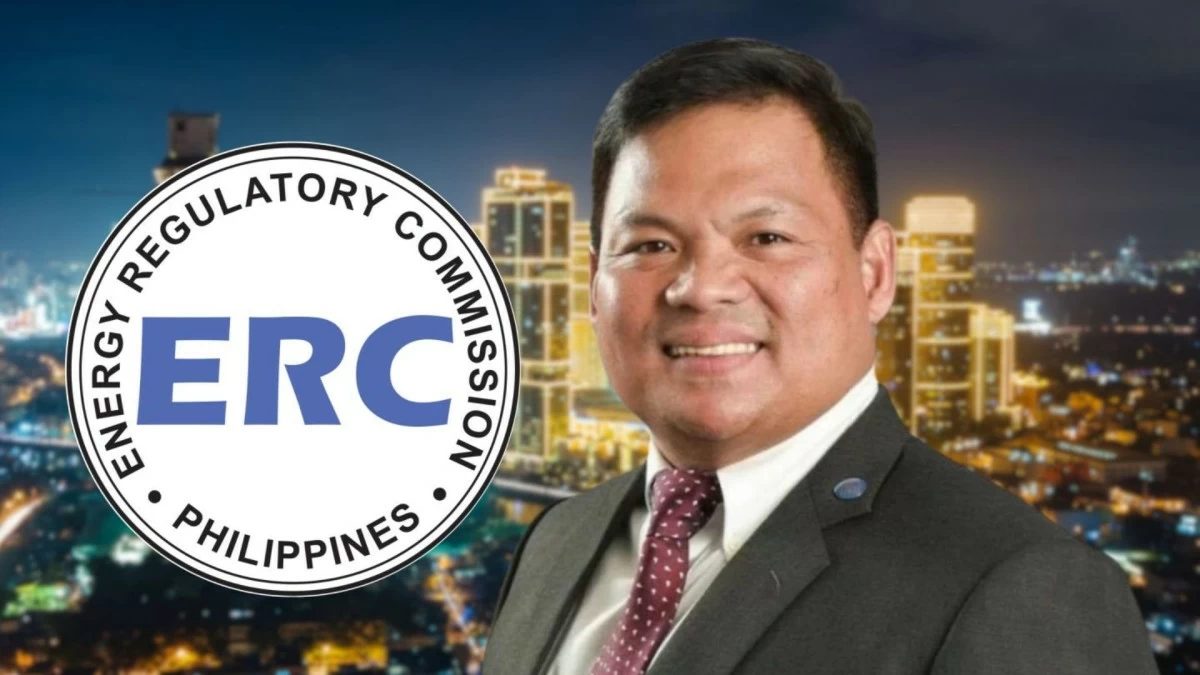
ERC Chairperson Francis Saturnino C. Juan
The Energy Regulatory Commission (ERC) has vowed to prioritize streamlining regulations and addressing agency backlogs to protect consumers from rising power costs.
Incoming ERC Chairperson Francis Saturnino C. Juan stated that a review of the performance-based rate-setting methodology for private distribution utilities and a reevaluation of the approval process for Power Supply Agreements will be his top priorities upon assuming office in August.
Additionally, Juan said he will evaluate the regulatory framework for electric cooperatives' rate applications, look into the capital expenditure projects of the National Grid Corporation of the Philippines (NGCP), and expedite the processing of Certificates of Compliance.
Juan explained that his initial proposals are designed "to address the backlog at the ERC, to streamline processes, to simplify requirements, and to come up with timely and sensible decisions and regulatory actions."
He added that these efforts are geared toward a singular goal: "to promote consumer interests by ensuring more investments in additional capacities, both in generation and transmission/distribution sectors at competitive or well-regulated and reasonable tariffs."
Juan's proposals will be subject to consultation with both the commission and various stakeholders to ensure a collaborative approach to regulatory reform.
By addressing the current backlog and simplifying requirements, Juan said he intends to create a more responsive and efficient regulatory environment that will encourage greater investment in the power sector.
This, in turn, could lead to increased capacity and more stable electricity rates for consumers, Juan explained.
The focus on a performance-based rate-setting methodology is also a key component of this strategy, as it aims to incentivize private utilities to improve their service quality.
Juan, meanwhile, assured that all changes would be implemented with the primary goal of serving the public interest.