






 Philippines
National
'Level the playing field in politics': Kiko Pangilinan renews push for anti-political dynasty bill
Philippines
National
'Level the playing field in politics': Kiko Pangilinan renews push for anti-political dynasty bill
'Level the playing field in politics': Kiko Pangilinan renews push for anti-political dynasty bill


At A Glance
- The bill is intended to "level the playing field" in politics, strengthen democratic processes, and ensure that political power does not remain concentrated among a privileged few, according to the senator.
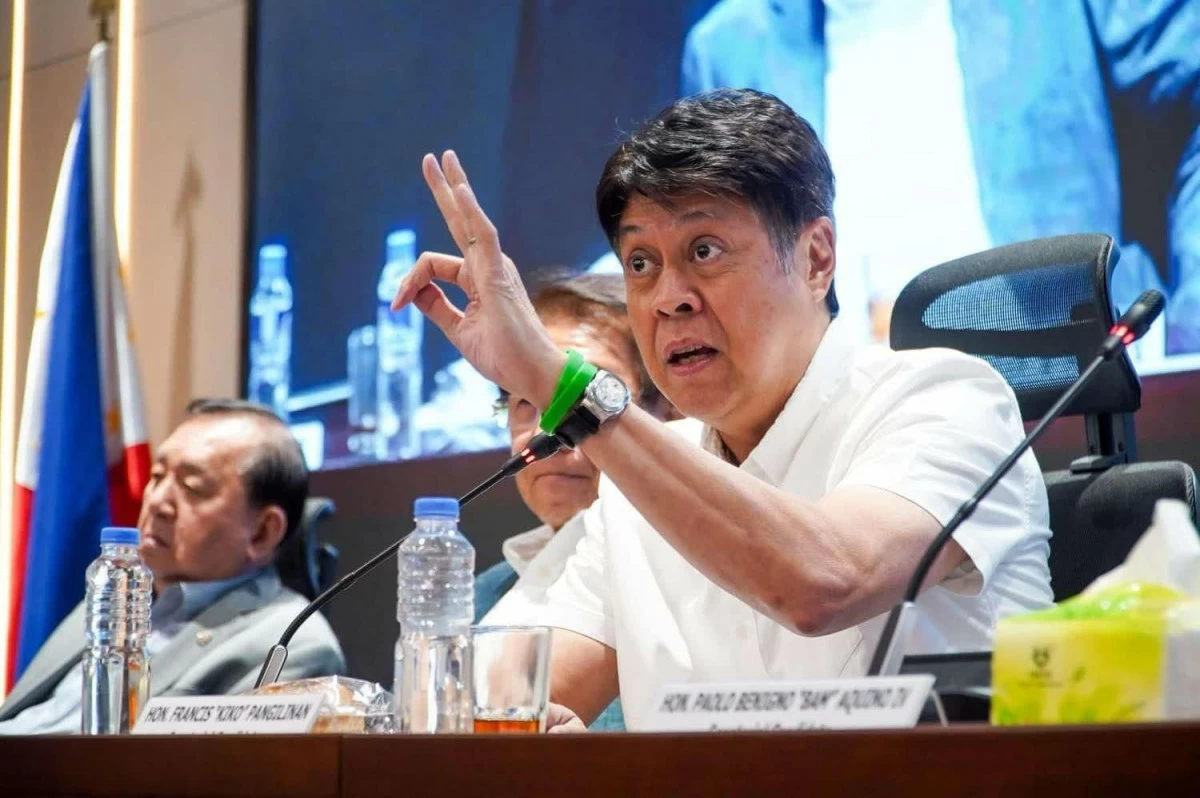
Senator Francis “Kiko” Pangilinan has renewed his push against entrenched family rule in politics as he filed a bill seeking to prohibit political dynasties in the country.
Pangilinan pointed out the issue on political dynasty has long been enshrined in the Constitution but never translated into law.
Before the opening of the 20th Congress, the senator filed the bill “An Act Defining and Prohibiting Political Dynasties, Providing Penalties Therefor, and for Other Purposes,” which aims to ban individuals related within the second degree of consanguinity or affinity from holding or running for public office simultaneously.
The bill is intended to “level the playing field” in politics, strengthen democratic processes, and ensure that political power does not remain concentrated among a privileged few, according to the senator.
“Political power and public service must never be treated as a birthright. But without an enabling law, our democracy has been hijacked by dynasties,” Pangilinan said in a statement.
“Leadership should be earned, not inherited,” he stressed.
Under Pangilinan’s version of the anti-political dynasty bill, spouses and relatives within the second degree of an incumbent elected official are barred from running for any position at both the national and local levels—barangay captain, mayor, governor, district representative, and party-list nominee included—while a relative is in office.
The bill also allows any citizen to file a verified petition with the Commission on Elections (Comelec) to cancel the Certificate of Candidacy (COC) of any candidate found violating the proposed law.
Citing data from the Philippine Center for Investigative Journalism (PCIJ), Pangilinan noted the extent of dynastic influence in Philippine politics, where:
• 87 percent of provincial governors are from political families
• 8 in 10 district representatives belong to dynastic clans
• 67 percent of House members and 53 percent of mayors are dynastic
• At least 18 “obese dynasties” (with five or more relatives in elective office) exist
• 800 out of 18,000 elective positions (4.5 percent) were uncontested in the last elections
In the explanatory note of his bill, Pangilinan noted how the prevalence of political dynasties is linked to underdevelopment and poverty in the country’s poorest provinces.
Pangilinan also warned that dynasties weaken checks and balances, diminish competition, and entrench personality-driven politics over public interest.
“Our Constitution is clear—political dynasties must be prohibited,” Pangilinan said.
“This bill is about restoring balance, opening doors for new leaders, and upholding the promise of democracy,” he stressed.