






Manila Bulletin
 Business
Trade & Industry
Mars Wrigley eyes $2-million expansion to boost Antipolo factory
Business
Trade & Industry
Mars Wrigley eyes $2-million expansion to boost Antipolo factory
Business
Trade & Industry
Mars Wrigley eyes $2-million expansion to boost Antipolo factory
Mars Wrigley eyes $2-million expansion to boost Antipolo factory
Published Jul 17, 2025 01:49 pm


Confectionery manufacturing giant Mars Wrigley will invest $2 million, or around ₱116 million, to strengthen and expand the output of its Antipolo factory to meet the growing demand for its products despite global headwinds.
Mars Wrigley Asia General Manager Kalpesh Parmar said the new investment is earmarked for the next three years, which follows the company’s earlier investment of $2 million to improve the facility since 2022.
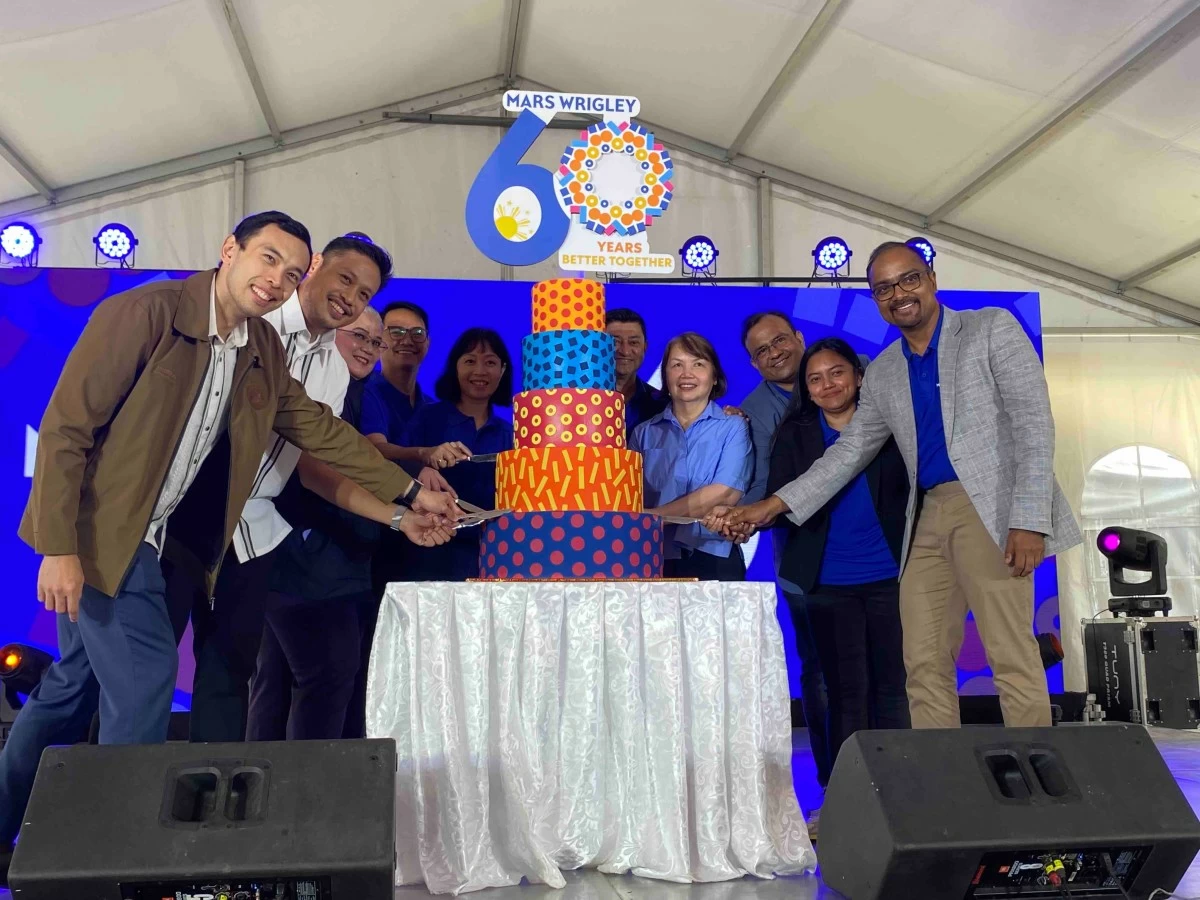

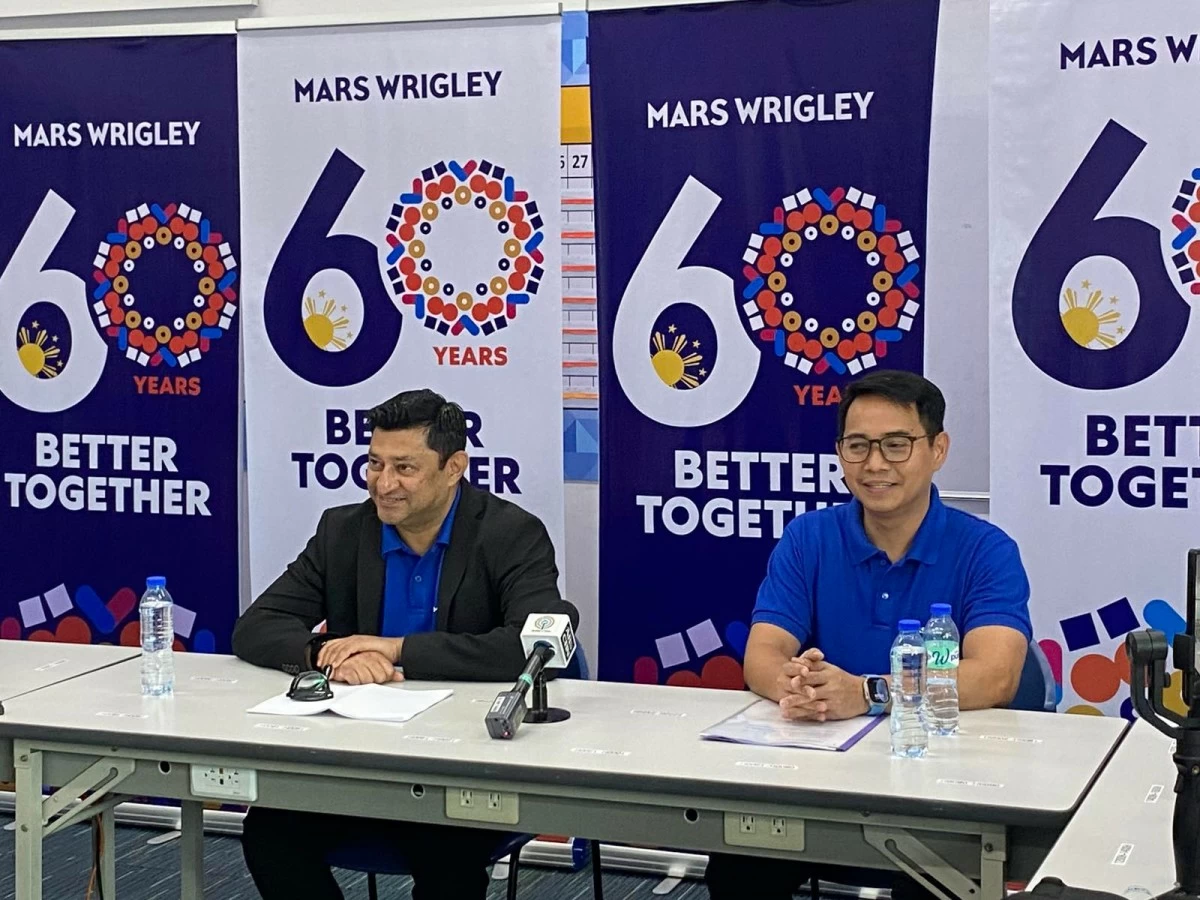
“These are the investments that we do to ensure that we improve our safety, quality, and even the productivity that we have here,” said Parmar on Thursday, July 17.
He said continuous upgrades of the Antipolo factory are essential to keep its output in tune with evolving customer needs.
The planned investment will scale up the factory’s infrastructure, packaging, and machinery, as well as enhance existing facilities that support the well-being of its employees, which the company calls associates.
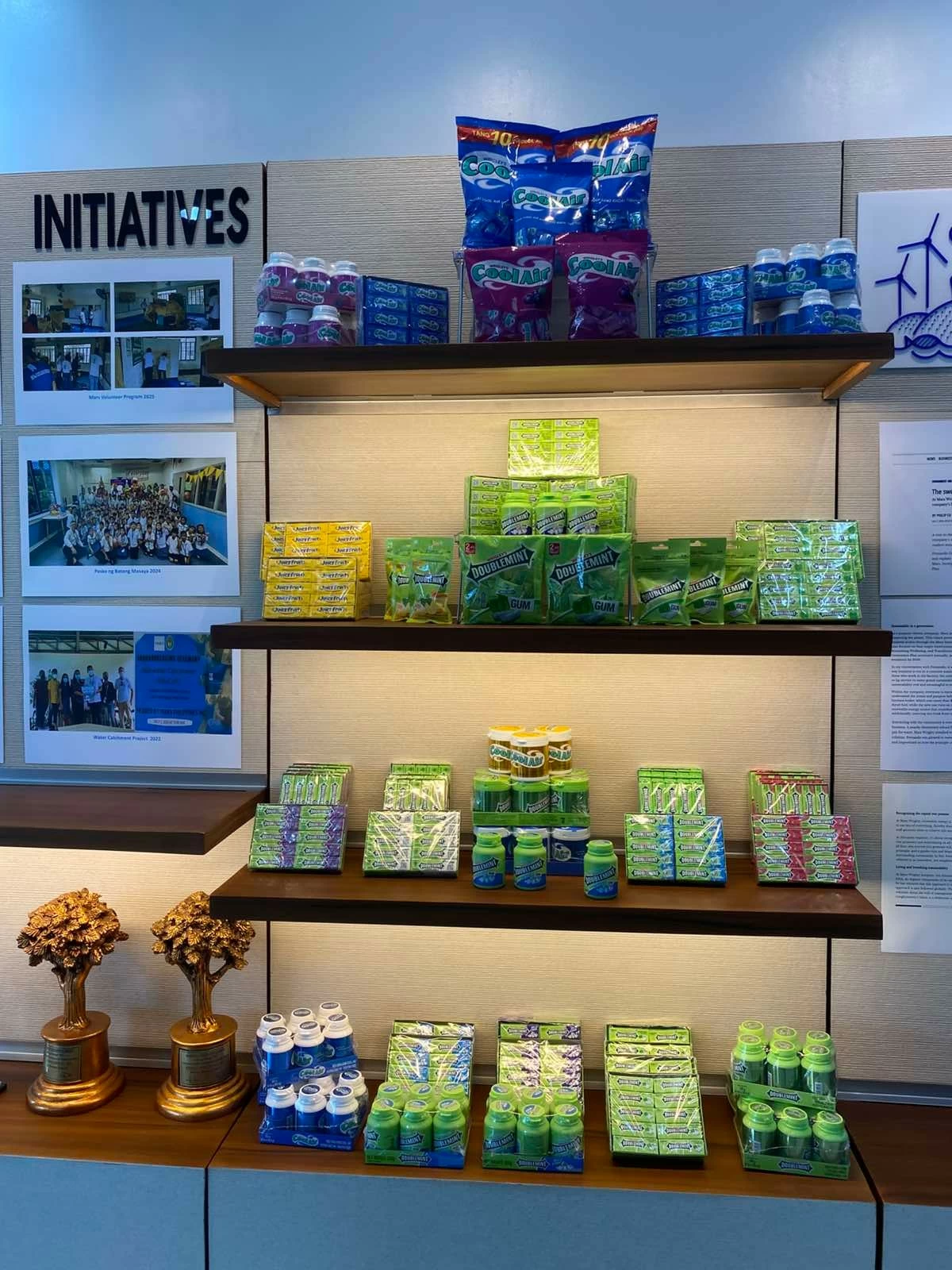
Mars Wrigley’s Antipolo factory produces well-known chewing gum brands such as Doublemint, Juicy Fruit, and Cool Air for both Filipino consumers and export markets.
The Antipolo factory is the sole confectionery manufacturing facility of Chicago-based candy company Mars Wrigley in Southeast Asia. Mars Wrigley is a subsidiary of Mars Inc., which also specializes in pet food, veterinary services, and other food products.
The facility manufactures up to 30 metric tons (MT) of chewing gum products daily, with 86 percent exported to South Asia and Southeast Asia. Specifically, the products reach Indonesia, Malaysia, Thailand, Vietnam, Laos, Brunei, and Bangladesh.
With the $2-million investment, Parmar said he is expecting the factory to double its daily volume to 60 MT in the next three years.
He said this increase in products will be supported by three key markets in Southeast Asia, namely Vietnam, Indonesia, and the Philippines.
“We are focused on putting in more resources in Vietnam, Indonesia, and the Philippines. So the reach will improve everywhere as economies expand, as the shopper profile improves and as our brands become bigger,” said Parmar.
Given recent uncertainties in the global market, the official said growth across the company’s products has eased in recent months.
However, he said Mars Wrigley is taking on several measures to position itself as a “happiness company” that can breeze through any turbulence.
Case in point, the company has ramped up its celebrity endorsements, such as those of K-pop artists, which attracted a strong interest from its Filipino consumers.
“With our plans that we have in place and with the talent we have in place, we are seeing a lot of positive growth in the next few quarters and years,” explained Parmar.
Celebrating 60 years of manufacturing in the Philippines, Mars Wrigley is keen on transforming its Antipolo factory to shift its energy source to 100-percent renewable thermal energy.
Last year, the company invested $1 million for the installation of a biomass boiler to cut the factory’s annual carbon emissions by approximately 679 tons.
The biomass boiler sources its fuel from rice husks or coconut shells, which are procured directly from farmers of nearby communities.