

ADVERTISEMENT

Makeup layering made easy: Pro tips for a flawless finish

Professional makeup artist Byron Velasquez shares expert techniques for seamless makeup application

Published Jul 17, 2025 09:30 am
For many, makeup is more than just cosmetics—it’s a form of empowerment. A single swipe of red lipstick can boost confidence, while for others, the world of beauty can feel intimidating.
Whether you're a starting out or a seasoned pro, mastering the art of makeup involves understanding product compatibility, essential tools, and timeless techniques.
To help you navigate through this colorful journey, professional makeup artist and SoFA Design Institute instructor Byron Velasquez shared with Manila Bulletin Lifestyle his insights, shaped by years of expertise.
Science of layering
With countless makeup products available today, understanding which combinations to avoid can be overwhelming. Byron provides a practical guide to common makeup layering mistakes and how to avoid them.
1. Silicone-based and water-based products often don’t mix well. Silicone forms a barrier on the skin, making it difficult for water-based formulas to adhere, leading to patchiness and product separation. The solution is to match your formulas. If you’re using a silicone-based primer, pair it with a silicone-based foundation. The same rule applies to water-based products.
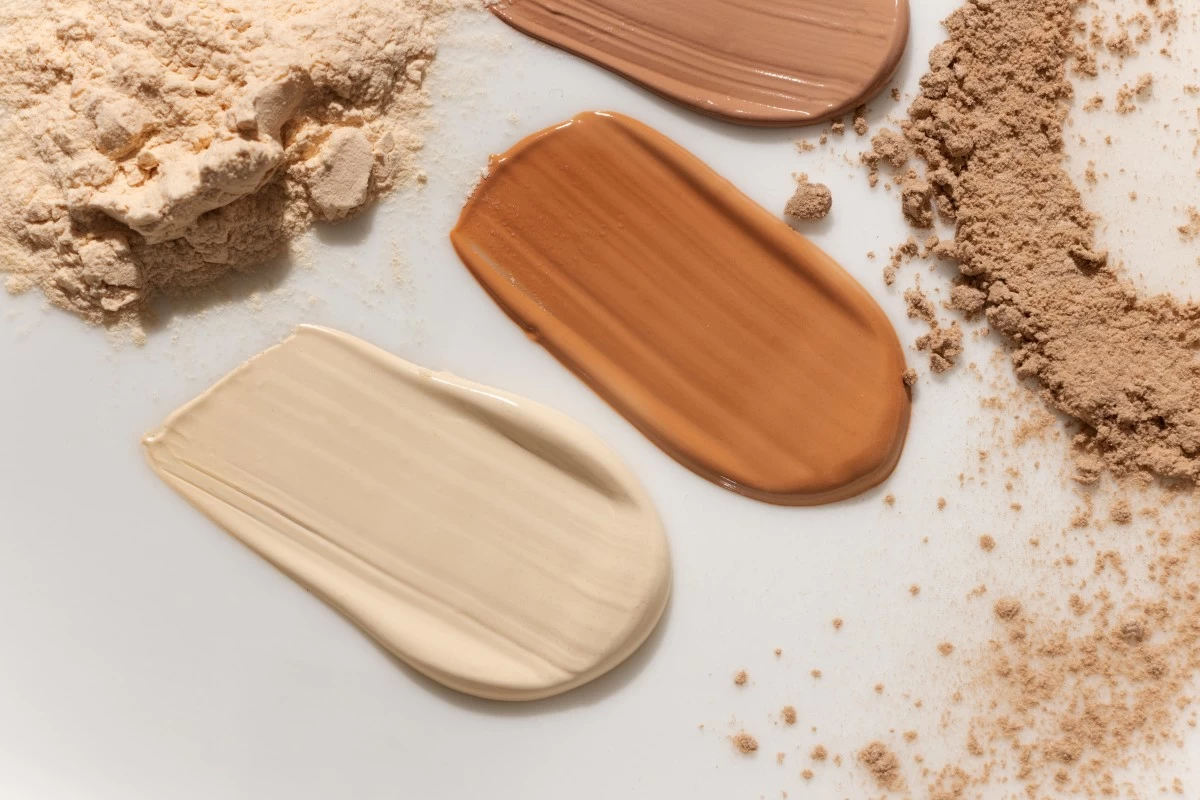
2. Pairing oil-based skincare with matte or water-based foundation can cause the foundation to slide off. The oil tends to break down the foundation, affecting both the finish and staying power of your makeup. To fix this, use lightweight, oil-free skincare products before applying matte or water-based foundations.
3. Thick moisturizers and powder products don't mix well. Emollient creams prevent powders from adhering evenly, resulting in patchy and uneven finish. To avoid this, let moisturizer fully absorb into your skin, or gently blot away any excess before applying powder products.
“There are general rules for layering,” Byron emphasized. “First is always to match the products with the common base. Then, let each layer set. Give it at least 60 seconds between layers. Third, avoid overloading your skin with too many heavy products, as it can cause caking or separation. Lastly, when in doubt, do a patch test on your hand. If it clumps up, it’s not compatible." These simple yet effective guidelines are essential for achieving a flawless and long-lasting makeup application.
4. Active skincare ingredients like vitamin C, AHA/BHA (Alpha Hydroxy Acid/Beta Hydroxy Acid), or niacinamide can react with silicones or alcohol found in some makeup products. This can lead to oxidation (where the foundation applied onto your skin turns orange), skin sensitivity, or poor blending. To prevent this, allow active skincare products to fully absorb before applying makeup, or consider using active ingredients primarily during your nighttime routine.
5. When layering SPF (Sun Protection Factor) products with alcohol-based or aerosol foundations, their ingredients can break down SPF or cause your makeup to separate. To avoid this, choose a foundation that already contains SPF or wait 10 to 15 minutes before putting on your foundation to ensure proper absorption and protection.

Timeless tips for a natural look
Byron also shared more tips for achieving a consistently flawless makeup application. “Start with a good canvas from skin prep to base,” he advised, emphasizing that a well-prepared skin is the foundation for any successful makeup look. He added, “Keep it classy. Trends will go, but classic looks are timeless,” suggesting that while experimenting with trends is fun, focusing on enhancing your natural features with classic techniques will always be in style.
Most importantly, he said that, “Less is more. Focus on enhancing features, not masking them,” reminding us that the goal of makeup is to highlight your natural best, not hide it.

Essential technique of blending
When asked about the one skill anyone who wears makeup should master, Byron’s answer was clear—blending.
“Blending applies to foundation, concealer, eyeshadow, contour, blush, and even brows,” he said. “Perfecting your blending technique transforms your entire makeup game—it’s the key skill that takes you from beginner to pro.”
He concluded with a powerful reminder for aspiring artists and beauty enthusiasts alike. “Like I always tell my students and clients—practice, practice, practice. No artist got it the first time.”
Just like any art form, mastering makeup requires dedication, patience, and continuous practice. So, pick up your brushes, experiment with confidence, and blend your way to beauty.

Related Tags

Byron Velasquez Makeup SoFa Design Institute Makeup Tips
ADVERTISEMENT
.most-popular .layout-ratio{ padding-bottom: 79.13%; } @media (min-width: 768px) and (max-width: 1024px) { .widget-title { font-size: 15px !important; } }

{{ articles_filter_1561_widget.title }}

.most-popular .layout-ratio{ padding-bottom: 79.13%; } @media (min-width: 768px) and (max-width: 1024px) { .widget-title { font-size: 15px !important; } }

{{ articles_filter_1562_widget.title }}

.most-popular .layout-ratio{ padding-bottom: 79.13%; } @media (min-width: 768px) and (max-width: 1024px) { .widget-title { font-size: 15px !important; } }

{{ articles_filter_1563_widget.title }}

{{ articles_filter_1564_widget.title }}

.mb-article-details { position: relative; } .mb-article-details .article-body-preview, .mb-article-details .article-body-summary{ font-size: 17px; line-height: 30px; font-family: "Libre Caslon Text", serif; color: #000; } .mb-article-details .article-body-preview iframe , .mb-article-details .article-body-summary iframe{ width: 100%; margin: auto; } .read-more-background { background: linear-gradient(180deg, color(display-p3 1.000 1.000 1.000 / 0) 13.75%, color(display-p3 1.000 1.000 1.000 / 0.8) 30.79%, color(display-p3 1.000 1.000 1.000) 72.5%); position: absolute; height: 200px; width: 100%; bottom: 0; display: flex; justify-content: center; align-items: center; padding: 0; } .read-more-background a{ color: #000; } .read-more-btn { padding: 17px 45px; font-family: Inter; font-weight: 700; font-size: 18px; line-height: 16px; text-align: center; vertical-align: middle; border: 1px solid black; background-color: white; } .hidden { display: none; }
function initializeAllSwipers() { // Get all hidden inputs with cms_article_id document.querySelectorAll('[id^="cms_article_id_"]').forEach(function (input) { const cmsArticleId = input.value; const articleSelector = '#article-' + cmsArticleId + ' .body_images'; const swiperElement = document.querySelector(articleSelector); if (swiperElement && !swiperElement.classList.contains('swiper-initialized')) { new Swiper(articleSelector, { loop: true, pagination: false, navigation: { nextEl: '#article-' + cmsArticleId + ' .swiper-button-next', prevEl: '#article-' + cmsArticleId + ' .swiper-button-prev', }, }); } }); } setTimeout(initializeAllSwipers, 3000); const intersectionObserver = new IntersectionObserver( (entries) => { entries.forEach((entry) => { if (entry.isIntersecting) { const newUrl = entry.target.getAttribute("data-url"); if (newUrl) { history.pushState(null, null, newUrl); let article = entry.target; // Extract metadata const author = article.querySelector('.author-section').textContent.replace('By', '').trim(); const section = article.querySelector('.section-info ').textContent.replace(' ', ' '); const title = article.querySelector('.article-title h1').textContent; // Parse URL for Chartbeat path format const parsedUrl = new URL(newUrl, window.location.origin); const cleanUrl = parsedUrl.host + parsedUrl.pathname; // Update Chartbeat configuration if (typeof window._sf_async_config !== 'undefined') { window._sf_async_config.path = cleanUrl; window._sf_async_config.sections = section; window._sf_async_config.authors = author; } // Track virtual page view with Chartbeat if (typeof pSUPERFLY !== 'undefined' && typeof pSUPERFLY.virtualPage === 'function') { try { pSUPERFLY.virtualPage({ path: cleanUrl, title: title, sections: section, authors: author }); } catch (error) { console.error('ping error', error); } } // Optional: Update document title if (title && title !== document.title) { document.title = title; } } } }); }, { threshold: 0.1 } ); function showArticleBody(button) { const article = button.closest("article"); const summary = article.querySelector(".article-body-summary"); const body = article.querySelector(".article-body-preview"); const readMoreSection = article.querySelector(".read-more-background"); // Hide summary and read-more section summary.style.display = "none"; readMoreSection.style.display = "none"; // Show the full article body body.classList.remove("hidden"); } document.addEventListener("DOMContentLoaded", () => { let loadCount = 0; // Track how many times articles are loaded const offset = [1, 2, 3, 4, 5, 6, 7, 8, 9, 10]; // Offset values const currentUrl = window.location.pathname.substring(1); let isLoading = false; // Prevent multiple calls if (!currentUrl) { console.log("Current URL is invalid."); return; } const sentinel = document.getElementById("load-more-sentinel"); if (!sentinel) { console.log("Sentinel element not found."); return; } function isSentinelVisible() { const rect = sentinel.getBoundingClientRect(); return ( rect.top < window.innerHeight && rect.bottom >= 0 ); } function onScroll() { if (isLoading) return; if (isSentinelVisible()) { if (loadCount >= offset.length) { console.log("Maximum load attempts reached."); window.removeEventListener("scroll", onScroll); return; } isLoading = true; const currentOffset = offset[loadCount]; window.loadMoreItems().then(() => { let article = document.querySelector('#widget_1690 > div:nth-last-of-type(2) article'); intersectionObserver.observe(article) loadCount++; }).catch(error => { console.error("Error loading more items:", error); }).finally(() => { isLoading = false; }); } } window.addEventListener("scroll", onScroll); });

Sign up by email to receive news.