







Frequent floods prompt DENR call for smarter urban planning
By Jel Santos
Published Jul 17, 2025 02:12 pm


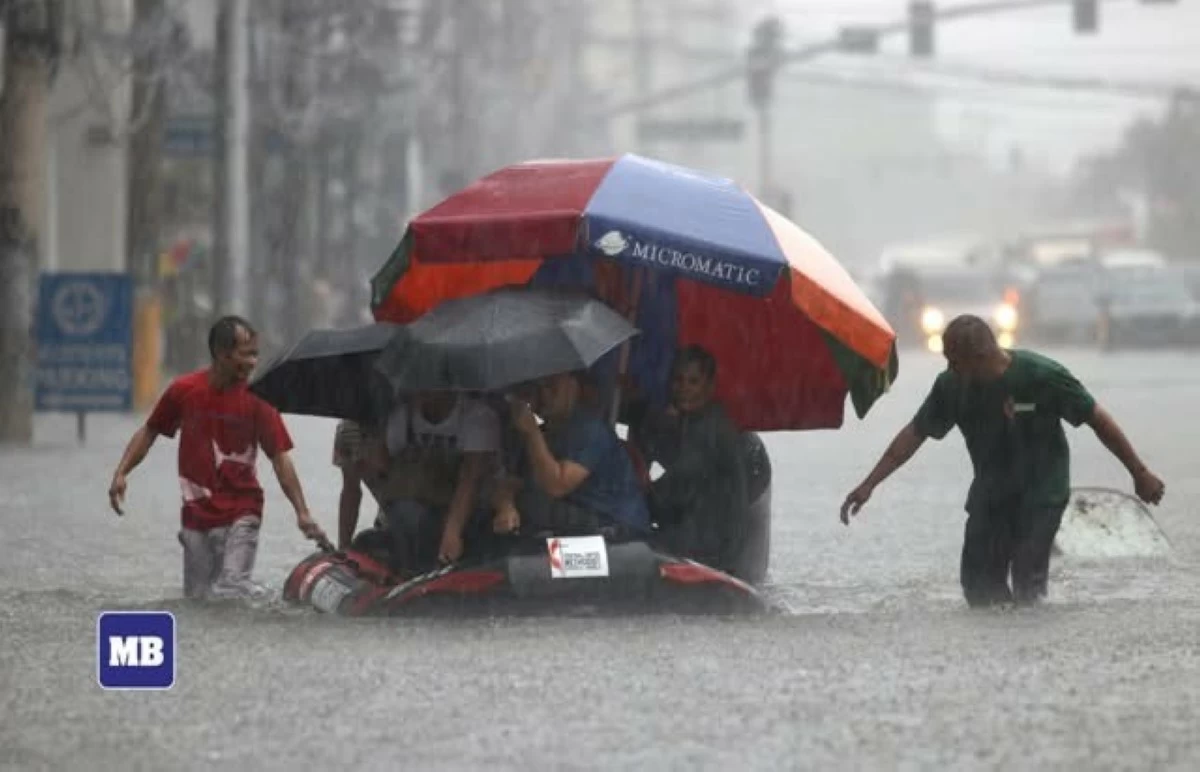
(MB FILE PHOTO)
The Department of Environment and Natural Resources (DENR) urged local government units (LGUs) to adopt science-based strategies in addressing flood risks amid the frequent flooding in Metro Manila.
The DENR said analyzing the causes of flooding must be based on scientific data, especially with the ongoing shift in weather patterns due to climate change.
It cited data from the Philippine Atmospheric, Geophysical and Astronomical Services Administration (PAGASA), which showed a significant increase in rainfall over the past decade. The agency said this has placed additional strain on drainage systems, contributing to more frequent and severe flooding in urban areas.
“It is crucial that LGUs integrate comprehensive flood risk reduction programs into their design and solid waste management plans,” the DENR said in an official statement.
The department also stressed the need for LGUs to upgrade drainage infrastructure, improve solid waste systems, involve communities in flood mitigation efforts, and restore ecosystems that help absorb rainwater.
“As we confront the challenges posed by climate change, it is essential to adapt our urban planning strategies to safeguard our communities,” it added.
The DENR reaffirmed its support for local governments and communities in implementing climate-resilient programs.
“The DENR remains committed to working hand-in-hand with local government units and the public to create a future that mitigates flooding risks and enhances overall community resilience,” it said.
Upgrading 31 pumping stations
Recently, the Department of Public Works and Highways (DPWH) announced that it is upgrading 31 pumping stations in Metro Manila, with the full rehabilitation expected to be completed by 2026 as part of efforts to strengthen the capital’s flood control system.
DPWH Secretary Manuel Bonoan said nearly half of the pumping stations have already been improved through a program supported by the World Bank.
The project, he said, aims to enhance the discharge capacity of aging infrastructure, some of which have been in operation for more than three decades.
The DPWH said the efficiency of these facilities is often affected by outdated drainage systems and blocked waterways that restrict the flow of floodwater.
Per Bonoan, many of the existing drainage lines across Metro Manila are more than 50 years old and need to be rehabilitated or replaced to meet the increasing demands of urbanization and extreme weather conditions.