







Cotabato crafts IRR for organic agriculture code
Published Jul 17, 2025 02:33 pm


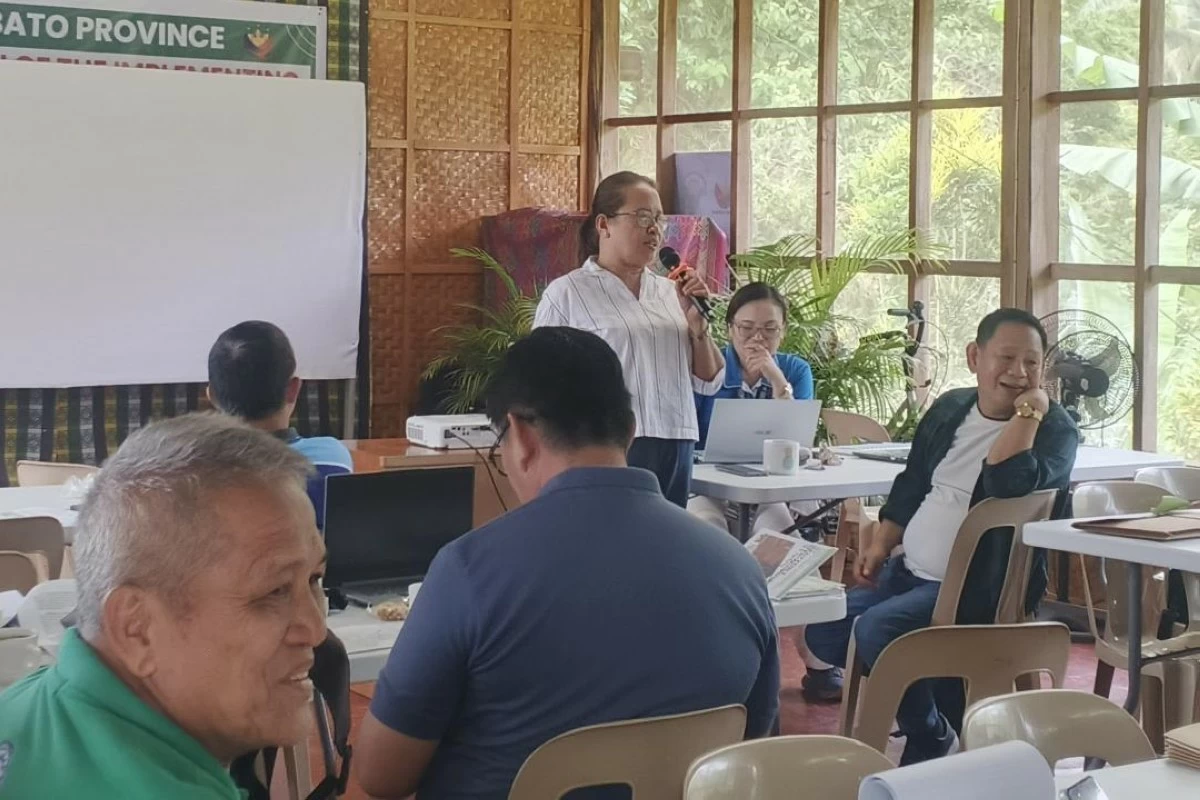
PROVINCIAL Board Member Rosalie Cabaya speaks before participants of the workshop. (Contributed photo)
DAVAO CITY – The provincial government of Cotabato is finalizing the implementing rules and regulations for the organic agriculture code.
Stakeholders gathered in Makilala town to finalize the IRR for the 2025 Organic Agriculture Ordinance from July 16 to 17.
This activity was conducted following the approval of Provincial Ordinance No. 725 or the Ordinance Institutionalizing the Development and Promotion of Organic Agriculture that aims to promote a healthy food consumption and safeguard the health of constituents against the harmful impact of chemicals that adversely affect the environment.
The ordinance was authored by then board member now Kabacan municipal Councilor Jonathan Tabar. It was enacted by the provincial board on April 29, 2025.
The workshop was attended by organic farmers, advocates, the Department of Agriculture-Regional Field Office 12, Agricultural Training Institute-12, and organic agriculture advocates Don Bosco Sustainable Development Inc., Southeast Asia Regional Initiatives for Community Empowerment (SeaRice), Filipino Farmers Seed Networks (FFSN), and Philippine Rural Reconstruction Movement (PRRM).
Board Member Rosalie Cabaya, chairwoman of the provincial board committee on agriculture, said the workshop aims to finalize a viable, feasible, and workable IRR for the implementation of the ordinance.
Cabaya said that the ordinance could help boost the province’s food sufficiency efforts.
She believes that organic agriculture could provide not just healthy farming practices but also more opportunities to farmers in the province.
Gov. Emmylou “Lala” Taliño-Mendoza and the provincial legislative body are working closely to craft a comprehensive ordinance that would benefit all sectors in the province, Cabaya added.
Among the provisions in the code are organic agriculture profile and plans, establishment of provincial organic seed centers and nursery, establishment of organic agriculture registry, and database and organic seed registry.
Under the code, the provincial government will also conduct regular monitoring, provide awards and incentives to farmers, as well as penal and miscellaneous provisions.
Several farmer groups backed by non-government organizations are employing organic farming methods in different parts of the province.