






Manila Bulletin
 Business
The Stock Market
Ayala Land plots aggressive expansion with up to 5 new malls yearly
Business
The Stock Market
Ayala Land plots aggressive expansion with up to 5 new malls yearly
Business
The Stock Market
Ayala Land plots aggressive expansion with up to 5 new malls yearly
Ayala Land plots aggressive expansion with up to 5 new malls yearly
Published Jul 17, 2025 03:51 pm


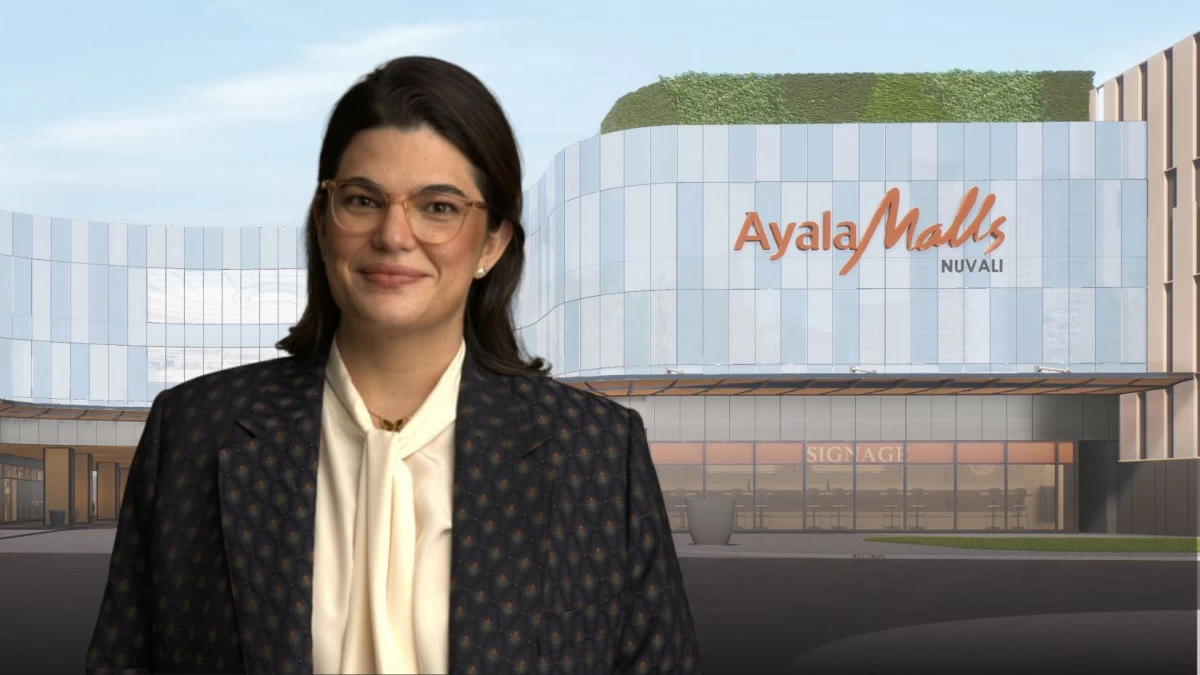
Mariana Zobel de Ayala
Real estate giant Ayala Land Inc. continues to aggressively expand its retail leasing portfolio, with plans to open three to five malls per year, in addition to acquiring new spaces through the expansion and renovation of existing malls.
In a briefing, Ayala Malls President and Head of Leasing and Hospitality Group Mariana Zobel de Ayala said the successive mall openings will help the company achieve its goal of adding 700,000 square meters of leasable space in five years.
These include malls in key growth areas such as Parklinks, the joint estate development with Eton Properties in Quezon City and Pasig.
Ayala Malls Chief Operating Officer Paul Birkett said the first to be opened this year is the mall in ALI’s Evo City Estate in Imus, Cavite, to be followed by Solenad 4 in Nuvali, and Park Triangle in Bonifacio City.
Meanwhile, betting big on the evolving future of Philippine retail, Ayala Malls is accelerating its landmark transformation program — now pegged at ₱17.5 billion — as it targets the completion of major upgrades to its flagship malls and expands redevelopment efforts across its portfolio.
Zobel said renovations at Glorietta, Greenbelt, Trinoma, and Ayala Center Cebu remain on track, with key milestones set for completion in the coming months.
The program, initially launched in 2024 with a ₱13-billion budget, has since been scaled up by another ₱4.5 billion to include more malls and elevate design and experience standards across the board.
“This extensive transformation is far more than just renovation; it’s about creating spaces where life happens, where memories are made, and one that aligns perfectly with Ayala Land’s long-term growth story of building places that people love,” said Zobel.
She noted that the initiative reflects Ayala Malls’ strategic intent to remain at the forefront of physical retail by adapting to changing consumer behaviors and urban lifestyles.
As the retail development and leasing arm of Ayala Land, the company is taking a more active role in shaping malls as integrated lifestyle centers, evolving from traditional retail spaces into multifunctional hubs that support commerce, community engagement, and cultural experiences.
“We’re reimagining every aspect of the Ayala Malls experience with fresh eyes and renewed ambition. “t’s not just about redesigning spaces; it’s about understanding how people want to live, move, and be inspired,” said Birkett.
The program introduces a comprehensive refresh of Ayala Malls’ flagship properties, with several key enhancements already in progress such as modernized architecture and improved navigation, allowing for more intuitive movement across multiple levels.
It will also feature new green and al fresco zones, integrating nature and wellness into the shopping experience; curated brand mixes, including new-to-market retail concepts and experiential stores; elevated amenities and shared spaces, such as wider walkways, better seating, upgraded restrooms, and cowork-friendly areas; and sustainable infrastructure, with energy-efficient systems and natural ventilation built into the design.
The redevelopment is part of Ayala Malls’ broader growth strategy, which includes adding over 700,000 square meters of gross leasable area (GLA) across new locations over the next five years.
In the first quarter of 2025, Ayala Malls posted ₱5.7 billion in revenues, a four percent increase year-on-year, driven by stable occupancy and increased GLA at One Ayala and Ayala Malls Vermosa.
Excluding areas under renovation, flagship and premium malls registered 14 percent quarter-on-quarter growth, contributing to an 11 percent gain across the broader portfolio.
The company said it remains confident in the strength of the Philippine retail market, citing resilient consumer demand, lower-than-expected inflation at 1.8 percent for first half of 2025, and strong macroeconomic indicators.
The country’s gross national income per capita reached $4,470 in 2024 — just $26 shy of the World Bank’s threshold for upper middle-income classification.