







Mapua launches BS Game Development Program
Published Jul 16, 2025 10:19 am


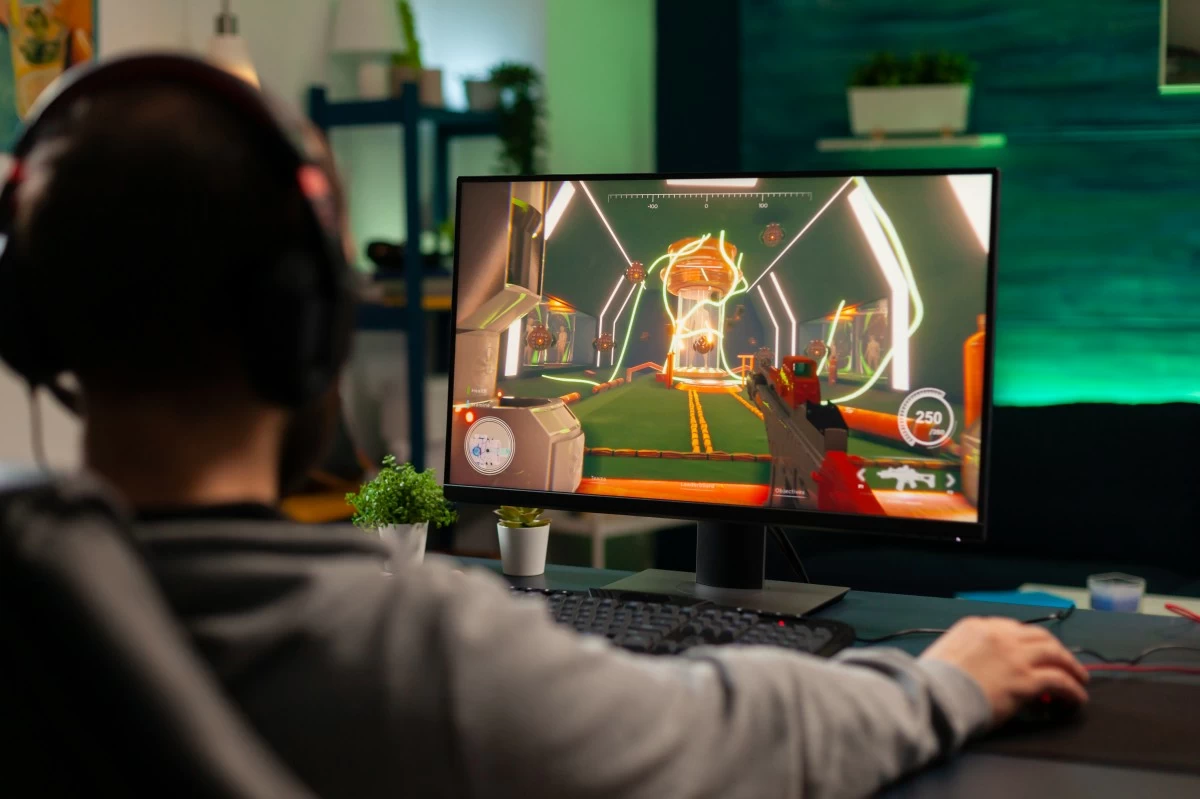
Mapua is launching a new Game Development program under their Bachelor of Science degree.
Game development is a multibillion dollar business. It is an industry that continues to grow as AAA studios and indie continue to build games across multiple platforms.
Unlike traditional BS Computer Science courses, which focus on computing, algorithms, data structures, and systems, Mapúa's Game Development degree specializes in creating interactive digital experiences. Students gain mastery over the entire game development pipeline, from conceptualization and design to programming and deployment. This approach involves immersing them in diverse fields, including computer science, art, psychology, storytelling, and entrepreneurship. Two academic units oversee these subjects: the School of Information Technology (IT) for technical topics and the School of Media Studies for creative aspects.
The multidisciplinary pedagogy trains aspiring game developers to hone their technical, creative, and professional skills, which are essential for excelling in the competitive world of game development. At the end of the four-year course, students will find themselves competent in game design, 2D and 3D art animation, audio design, game programming, as well as technopreneurship, should they decide to become independent producers.
These competencies can open the doors to various lucrative career paths, such as Game Programmer or Developer, Technical Artist, Level Designer, Quality Assurance (QA) Tester, 3D Modeler or Animator, And User Interface/ User Experience (UI/UX) Designer for games.
To reinforce the hands-on application of these acquired skills, students have access to specialized laboratories and learning resources. Programming courses are conducted at the highly advanced Game Development Computer Laboratory, which features ACER Predator units with dual screens. At the same time, animation classes are held at the Mac Laboratory powered by Apple Mac computers. Students also have access to an audio engineering laboratory, which is fully equipped with musical instruments to meet their sound design requirements, and a video post-production laboratory where they can edit and synchronize visual and audio elements.
Future game developers also receive internship opportunities through the School of IT's strong partnership with the Game Developer Association of the Philippines. Students are given 488 hours of hands-on training at the finest game design firms in the Philippines, allowing them to connect their theoretical knowledge with real-world applications. Aside from completing their practicum, Mapúa Game Development students are tasked with creating and publishing an original game that showcases a new idea or concept they gathered through research to graduate.
The university's skill-intensive strategy ensures that budding game developers have competencies aligned with industry needs. It encourages students to be agile, innovative, and excellent in their work so that fellow gamers will not only feel the rush of top-tier gameplay but also be inspired to step up from being gamers to game developers.