






Manila Bulletin
 Philippines
National
'May plaka na ba ang lahat?' Finally, LTO wipes out millions of backlog in motor vehicle plates
Philippines
National
'May plaka na ba ang lahat?' Finally, LTO wipes out millions of backlog in motor vehicle plates
Philippines
National
'May plaka na ba ang lahat?' Finally, LTO wipes out millions of backlog in motor vehicle plates
'May plaka na ba ang lahat?' Finally, LTO wipes out millions of backlog in motor vehicle plates
Published Jul 15, 2025 11:03 am
|
Updated Jul 15, 2025 01:14 pm


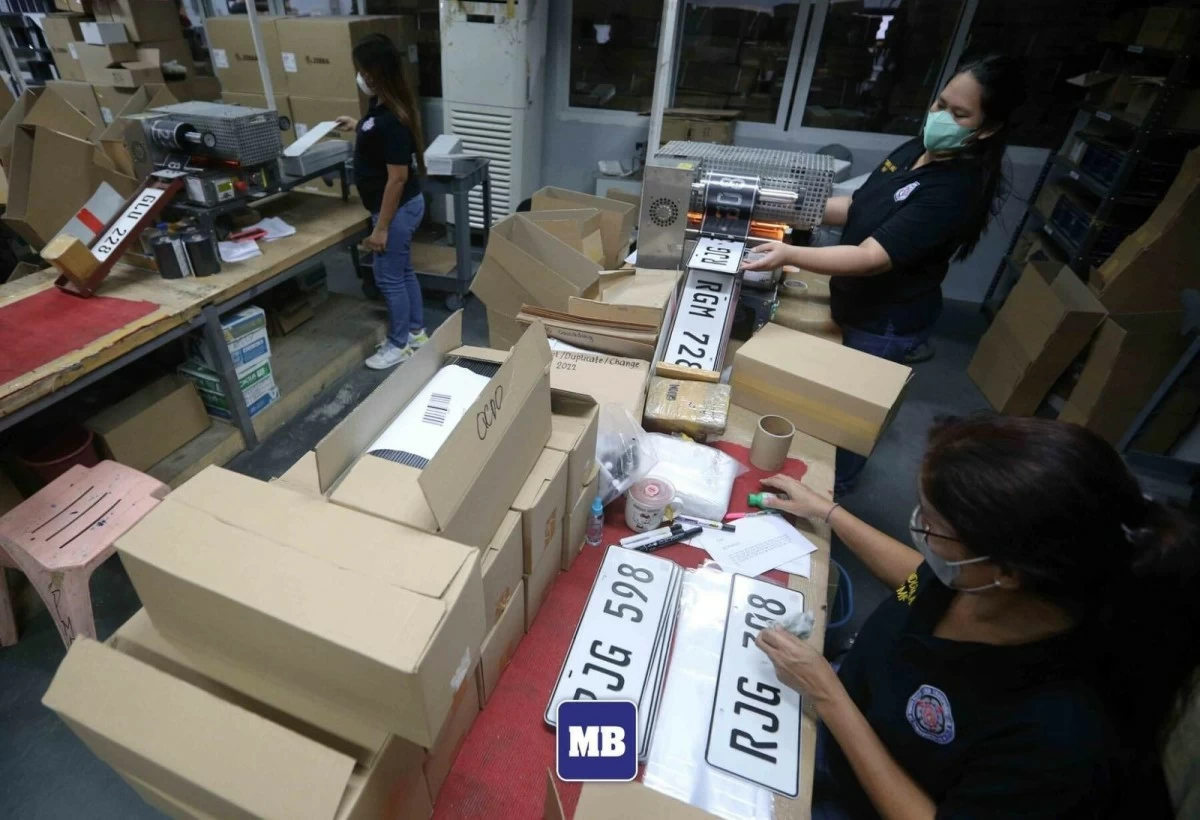
After more than a decade, the national government, through the Land Transportation Office (LTO), finally ended what seemed to be an impossible task of printing millions of backlog of license plates for all motor vehicles.
The problem started in 2014 due to various issues that include procurement issues, legal battles and logistical battles that hounded the printing and distribution of license plates.
The license plate backlog that reached the peak of over 15 million was finally resolved in the past two years, when the LTO started to ramp up plate production.
Based on the LTO data, it was able to produce a total of 18,578,612 plates in the past two years, including plates for newly-bought vehicles and replacement plates.
The figure covers 11,815,068 motorcycle plates and 6,763,544 (which equates to 3,381,772 pairs) motor vehicle plates.
“We are elated and excited to announce that your LTO was able to comply with the commitment to President Ferdinand ‘Bongbong’ R. Marcos, Jr. that there will be no backlog for both motorcycle and four-wheel vehicles plates by June 2025,” said acting Assistant Secretary and LTO chief Greg G. Pua in a press briefing on Tuesday, July 15.
“To borrow a quote from our LTO Chief, Asec Mendoza: ‘Sa Bagong Pilipinas, lahat may plaka na’,” he added.
The man behind
In July 2023, Marcos appointed lawyer Vigor D. Mendoza II as the LTO chief—with an instruction for the latter to address the main issues and problems that put the agency—up to the national government— in bad light in the eyes of motor vehicle owners.
It was Mendoza who initiated policy reforms and implemented measures to ensure that the LTO would be able to narrow the gap on specific timelines for the production and distribution of plates until all the backlog is wiped out.
The policy reforms and the drastic measures implemented resulted in the plate production of up to 800,000 license plates a month and as a result six months later, the license plate backlog for all four-wheel vehicles was addressed.
One of the measures implemented is to ensure that the plates for newly-bought vehicles are included in the production, printing and distribution so that they would not be included in the backlog.
With the plate backlog for four-wheel vehicles wiped out, Mendoza then shifted its focus to the motorcycles.
Last year, Mendoza and then Department of Transportation Secretary Jaime Bautista met with President Marcos, who in turn, vowed to download all the necessary support systems to ensure that the plate backlog is addressed.
It was during the meeting that Mendoza was quoted saying that if all the support system is guaranteed, the LTO would wipe out all the remaining plate backlog by June this year.
A promise not broken
“The President’s instruction was clear: Fast-track the plate production to address the problem and that we should not disappoint the Filipino people,” Mendoza was quoted saying after the meeting with the President.
And on the last day of June 2025, Pua said the LTO was able to comply with its commitment to the President by producing a total of 18,578,612.
“These include both backlogs and current plate requirements,” said Pua.
“This significant accomplishment, which surpassed the expectations of everybody, is a team effort, with the dedication and perseverance of our Plate Making Plant,” he added.
The distribution
“And with this task finally completed, we assure our millions of clients that we will also fast-track the process of delivery and will continue to find ways to do so,” said Pua.
Based on the July 9 data of the LTO, around 7.2 million plates were already distributed to their rightful owners—the top three regional offices in terms of the volume of plates distributed were Metro Manila, followed by Western Visayas and then Northern Mindanao.
In order to further expedite the distribution process, the LTO earlier launched the LTOTracker, the new technology will provide access to the agency clients to track the status of their driver’s licenses and motor vehicle plates in real time and even have them delivered straight to their doorsteps through an accredited courier service provider.
Since its live testing on April 26, thousands of driver’s licenses and license plates have been delivered right at the doorsteps of the owners.
In Metro Manila, the LTOTracker use is now in full blast.
While LTOTracker offers courier service, LTO clients will still have the option to go traditional, or by picking their driver’s license and license plates at LTO offices near them.
But for those who prefer home delivery, he said at least nine courier services are linked to the LTOTracker.