






Manila Bulletin
 Lifestyle
Health and Wellness
How just 20 minutes of resistance training can transform your health
Lifestyle
Health and Wellness
How just 20 minutes of resistance training can transform your health
Lifestyle
Health and Wellness
How just 20 minutes of resistance training can transform your health
How just 20 minutes of resistance training can transform your health
Published Jul 15, 2025 01:35 pm


The latest medical research from 2024 to 2025 reveals that resistance training has emerged as a powerful preventive medicine, with effects comparable to many pharmaceutical interventions for chronic diseases. For busy Filipino professionals struggling with sedentary lifestyles, this evidence-based approach offers a practical solution that addresses multiple health concerns simultaneously.
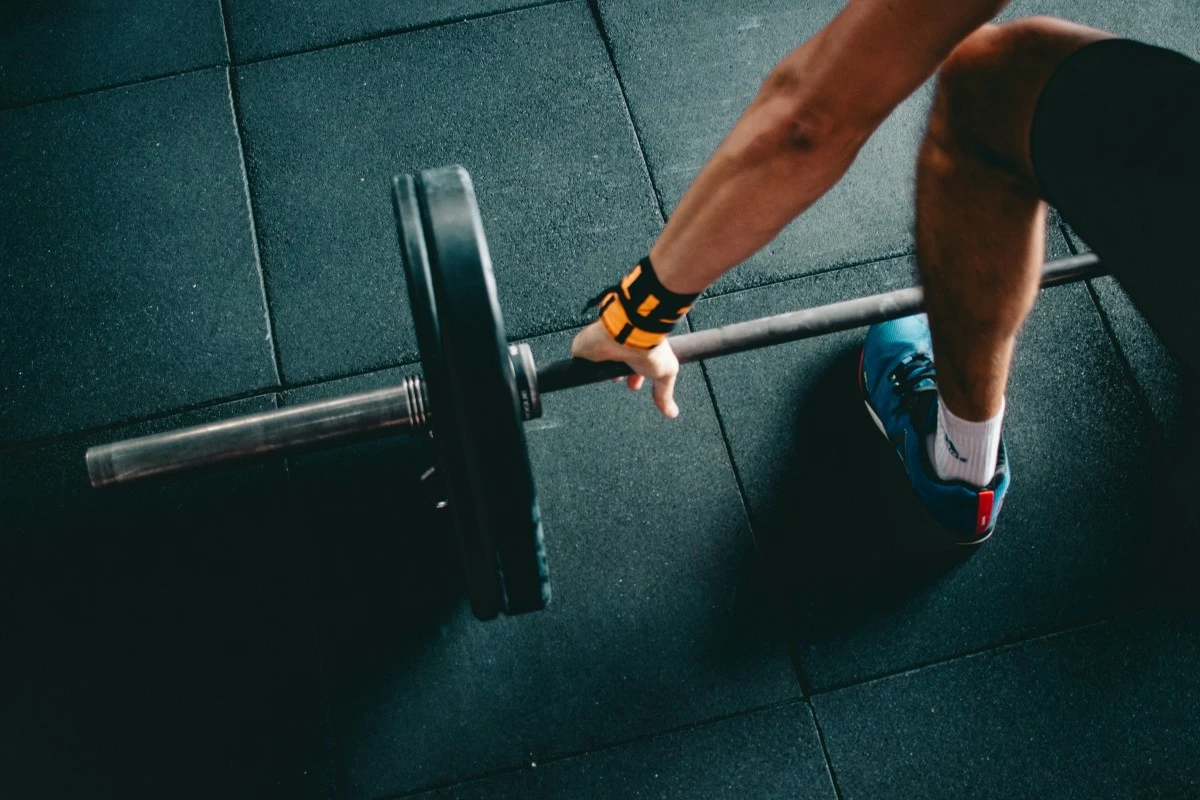
Recent systematic reviews and meta-analyses demonstrate that just 20 to 30 minutes of resistance training, two to three times per week, can significantly improve metabolic health, cardiovascular function, and mental wellbeing. This minimal time investment delivers maximum health returns, making it particularly relevant for time-constrained professionals in Manila’s fast-paced environment.
Medical breakthrough: Resistance training as preventive medicine
The 2025 systematic review analyzing older adults with type 2 diabetes found remarkable results: Resistance training reduced hemoglobin A1c levels by 0.51 points and improved fasting blood glucose by 1.43 mg/dl. These improvements rival those achieved by diabetes medications, but with additional benefits for muscle mass, bone density, and cardiovascular health.
Blood pressure management shows equally impressive results. A comprehensive meta-analysis of 14 studies revealed that resistance training reduced systolic blood pressure by 9.5 mmHg and diastolic pressure by 5.2 mmHg. The American Heart Association now gives resistance training a Class I recommendation for cardiovascular health, with Grade A evidence supporting its effectiveness.
For metabolic syndrome, resistance training addresses multiple components simultaneously. Studies show significant improvements in waist circumference, lipid profiles, and insulin sensitivity through enhanced muscle glucose uptake and reduced systemic inflammation. The mechanism involves increased GLUT4 translocation and improved mitochondrial function—essentially helping your muscles become more efficient at processing blood sugar.
Addressing Filipino health challenges
Filipino communities face unique health challenges that make resistance training particularly valuable. Filipino Americans have higher rates of diabetes, hypertension, and cardiovascular disease compared to other Asian groups, partly due to genetic predisposition and lower baseline muscle mass at equivalent body weights.
Cultural barriers significantly impact fitness adoption in Filipino populations. Research shows that 84 percent of Filipino adolescents fail to meet recommended physical activity levels, results from the Philippines’ 2022 report card on physical activity for children and adolescents - PMC, with women showing 50 percent insufficient activity compared to 30 percent for men. Traditional family obligations, cultural attitudes toward exercise, and lack of culturally appropriate programs contribute to this concerning trend.
However, successful interventions emphasize community-based, family-centered approaches that accommodate Filipino cultural values. Programs incorporating group activities, flexible scheduling around family obligations, and culturally familiar movements show the highest adoption rates.
Mental health and quality of life breakthrough
The University of Limerick’s landmark 2024 study, published in Trends in Molecular Medicine, identified resistance training as an “accessible alternative therapy” for anxiety and depression. The research demonstrates moderate antidepressant effects comparable to established treatments, with particular benefits for older adults and those with existing mental health conditions.
Quality of life improvements span multiple domains. Recent meta-analyses show significant enhancements in physical functioning, mental health, reduced bodily pain, and improved social functioning. The neurobiological mechanisms involve increased brain-derived neurotrophic factor (BDNF) and insulin-like growth factor 1 (IGF-1), which promote neuroplasticity and protect against age-related cognitive decline.
For cognitive function, resistance training improves executive function, processing speed, and memory performance. The minimum effective dose for structural brain changes requires two sessions per week for six months, with dose-response effects showing greatest benefits in those with mild cognitive impairment.
Practical implementation for busy professionals
The concept of “minimal effective dose” revolutionizes how we approach fitness for busy professionals. Research demonstrates that significant health benefits can be achieved with strategic programming rather than extensive time commitments.
Minimum requirements for health benefits include just one set per muscle group per week for detectable strength improvements, though four to 12 sets per muscle group per week optimize muscle growth. New research reveals the minimum amount of sets per week for muscle growth and for strength for most professionals, two to three sessions per week, 20-30 minutes each, focusing on compound movements provides comprehensive benefits.
Time-efficient protocols emphasize multi-joint exercises like squats, deadlifts, push-ups, and rows that target multiple muscle groups simultaneously. Advanced techniques include supersets (alternating upper and lower body exercises) and circuit training with minimal rest
Periods.
Home-based training proves equally effective as gym-based programs. Studies show bodyweight exercises can match weighted exercises for muscle growth when performed with proper progression. This eliminates travel time and equipment barriers while maintaining effectiveness.
Resistance training versus cardio: The evidence
The groundbreaking 2024 CardioRACE Trial with 406 adults provided definitive evidence on exercise modalities. Combined training (30 minutes aerobic + 30 minutes resistance) proved as effective as 60 minutes of aerobic exercise alone for cardiovascular health, while providing additional benefits for muscle mass and bone density.
Aerobic training excels at cardiovascular health improvements, blood pressure management, and weight control. Resistance training uniquely improves muscle mass, bone density, metabolic rate, and functional capacity. However, combined approaches deliver superior overall health outcomes by addressing multiple physiological systems simultaneously.
For Filipino populations with higher diabetes risk and lower baseline muscle mass, the combined approach appears optimal, aligning with cultural preferences for group activities and comprehensive wellness approaches.
Aging and sarcopenia prevention
Sarcopenia (age-related muscle loss) affects up to 30 percent of adults over 60, leading to frailty, falls, and loss of independence. Multiple 2024 meta-analyses confirm resistance training’s effectiveness in preventing and treating sarcopenia, with significant improvements in muscle mass, strength, and physical function.
Progressive resistance training shows superior outcomes compared to elastic band training for sarcopenia prevention. The International Clinical Practice Guidelines for Sarcopenia identify resistance training as the primary intervention, emphasizing progressive overload and functional exercises integrated with nutritional support.
Cultural adaptation strategies
Successful fitness adoption in Filipino communities requires culturally sensitive approaches that respect family dynamics and social preferences. Effective strategies include:
Community integration through partnerships with religious organizations and cultural associations creates trusted environments for program delivery. Family-centered approaches that accommodate multiple generations increase participation and long-term adherence.
Flexible scheduling around work and family obligations, combined with women-only classes addressing cultural modesty concerns, significantly improve participation rates. Culturally familiar activities incorporating traditional dance, martial arts, or community-based movements enhance engagement.
Practical weekly framework
1) Minimal Approach (two sessions, 20 minutes each):
• Day one: Squats, push-ups, rows (two sets each)
• Day two: Deadlifts, overhead press, planks (2 sets each)
2) Moderate Approach (three sessions, 30 minutes each):
• Full-body circuit: five to six compound exercises, two to three sets each
• Different movement patterns each session
3) “Exercise Snacking” Approach:
• three to five minute sessions throughout the day
• Focus on one to two exercises per session
• Accumulate 15-20 minutes total daily
Implementation recommendations
Healthcare providers should assess cultural background and preferences before prescribing exercise, provide culturally appropriate materials, and consider family support systems in treatment planning.
Workplace programs can integrate brief resistance exercises during breaks, posture-corrective exercises for desk workers, and lunch-hour structured sessions to combat sedentary behavior.
Community programs should conduct needs assessments, develop partnerships with cultural organizations, create peer support networks, and utilize social media for engagement.
The 2024-2025 evidence overwhelmingly supports resistance training as a cornerstone of preventive medicine, offering a practical, time-efficient solution for Filipino professionals facing health challenges from sedentary lifestyles. With just 20-30 minutes, 2-3 times per week, individuals can achieve significant improvements in metabolic health, cardiovascular function, mental wellbeing, and quality of life.
The key is consistency and progressive overload, not extensive time commitment or complex equipment. Combined with culturally appropriate implementation strategies, resistance training represents an accessible, evidence-based approach to addressing the unique health challenges facing Filipino communities. The research demonstrates that “something is better than nothing,” even minimal weekly sessions provide meaningful health benefits that can transform lives and prevent chronic disease.
For busy professionals in Manila’s demanding environment, resistance training offers a practical pathway to better health that respects cultural values while delivering scientifically proven results. The investment is minimal, but the returns—in health, energy, and quality of life—are substantial.