ADVERTISEMENT

Reconnecting the world through design

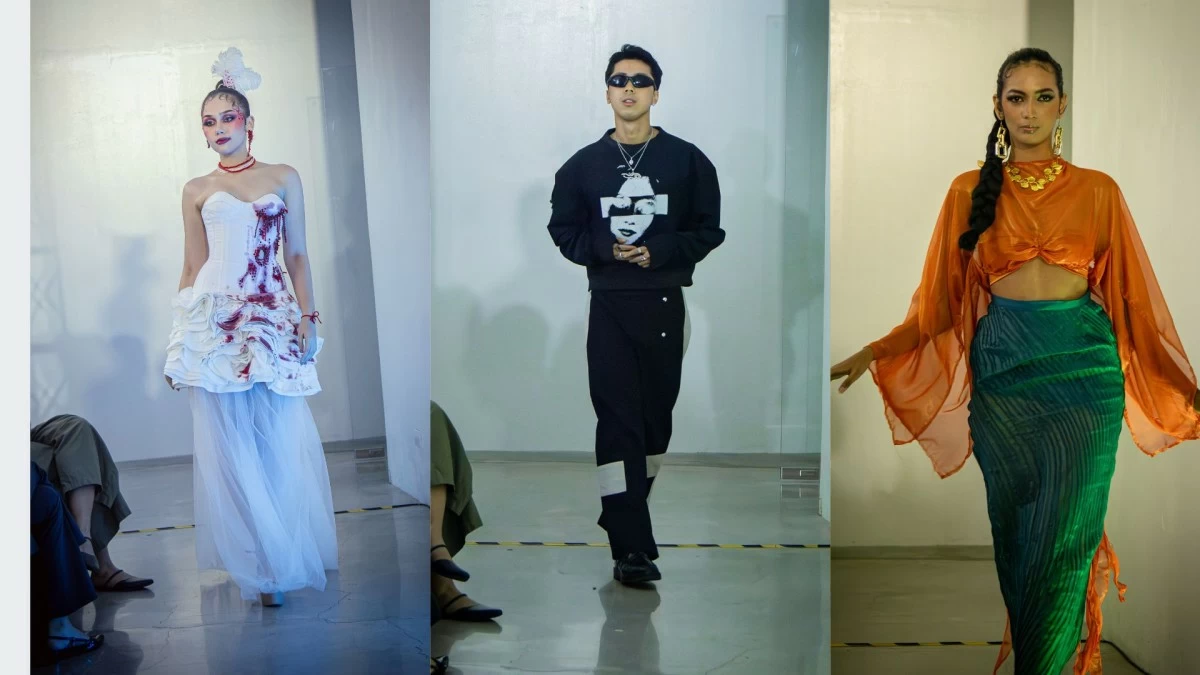
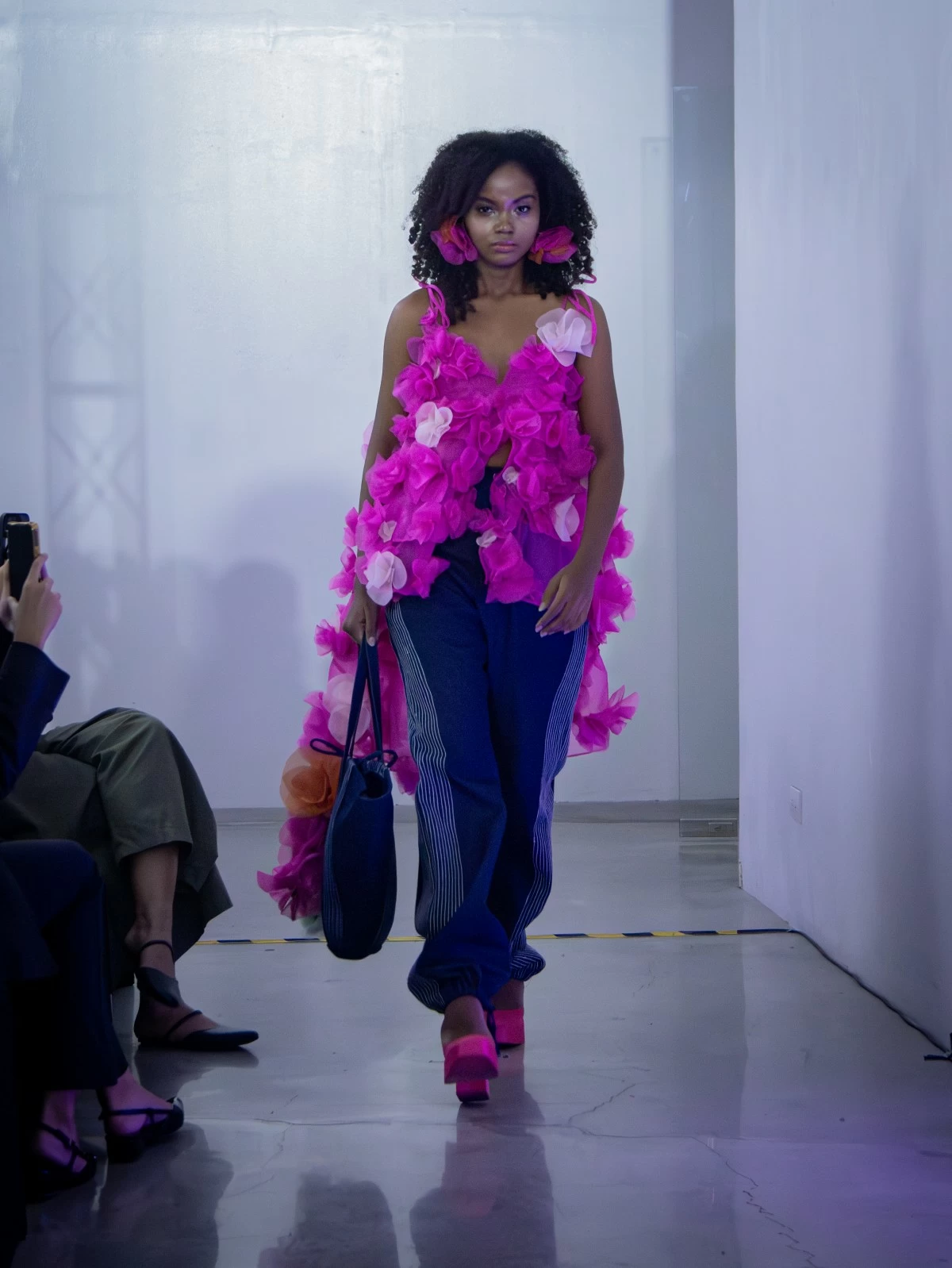
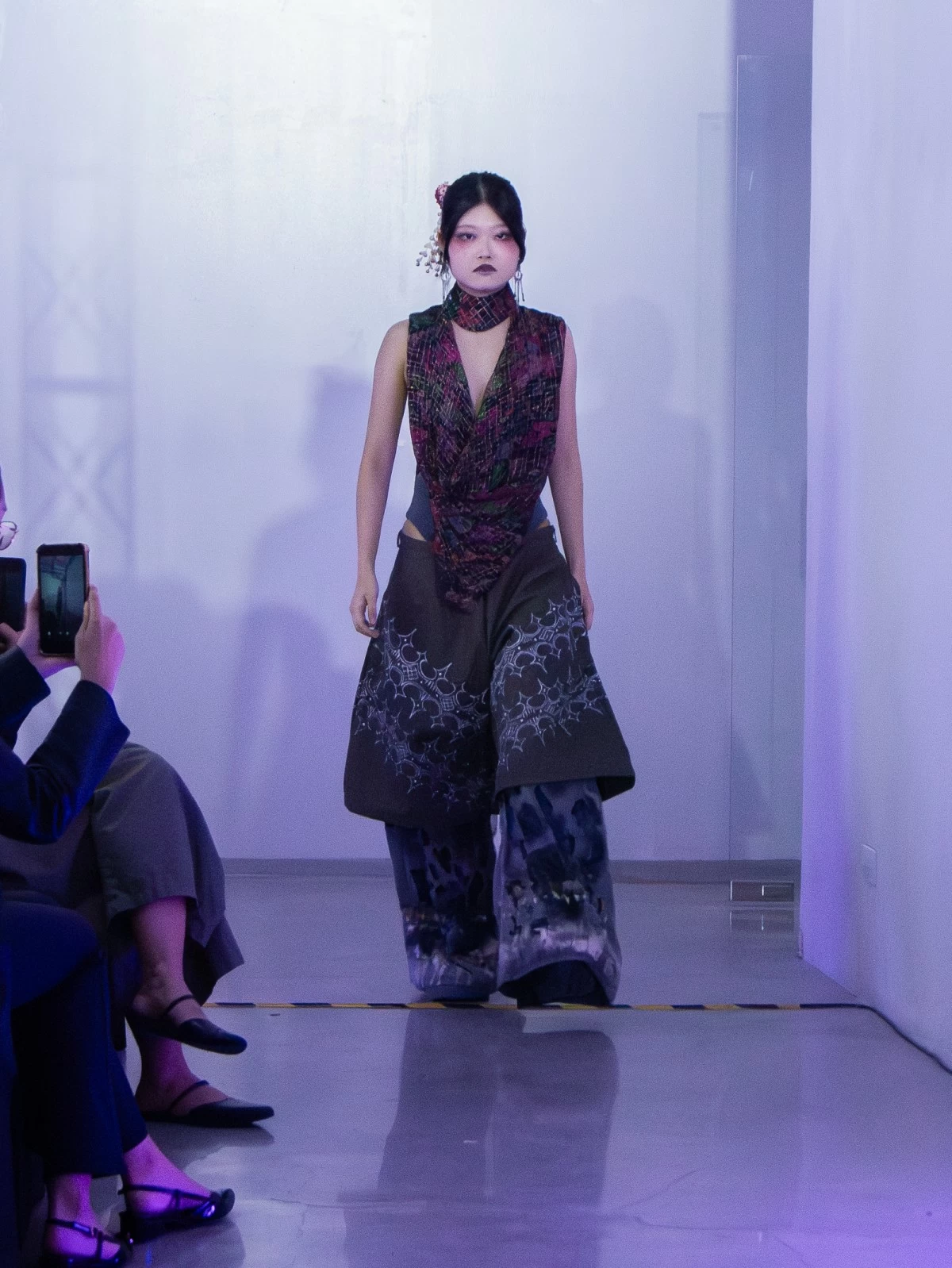
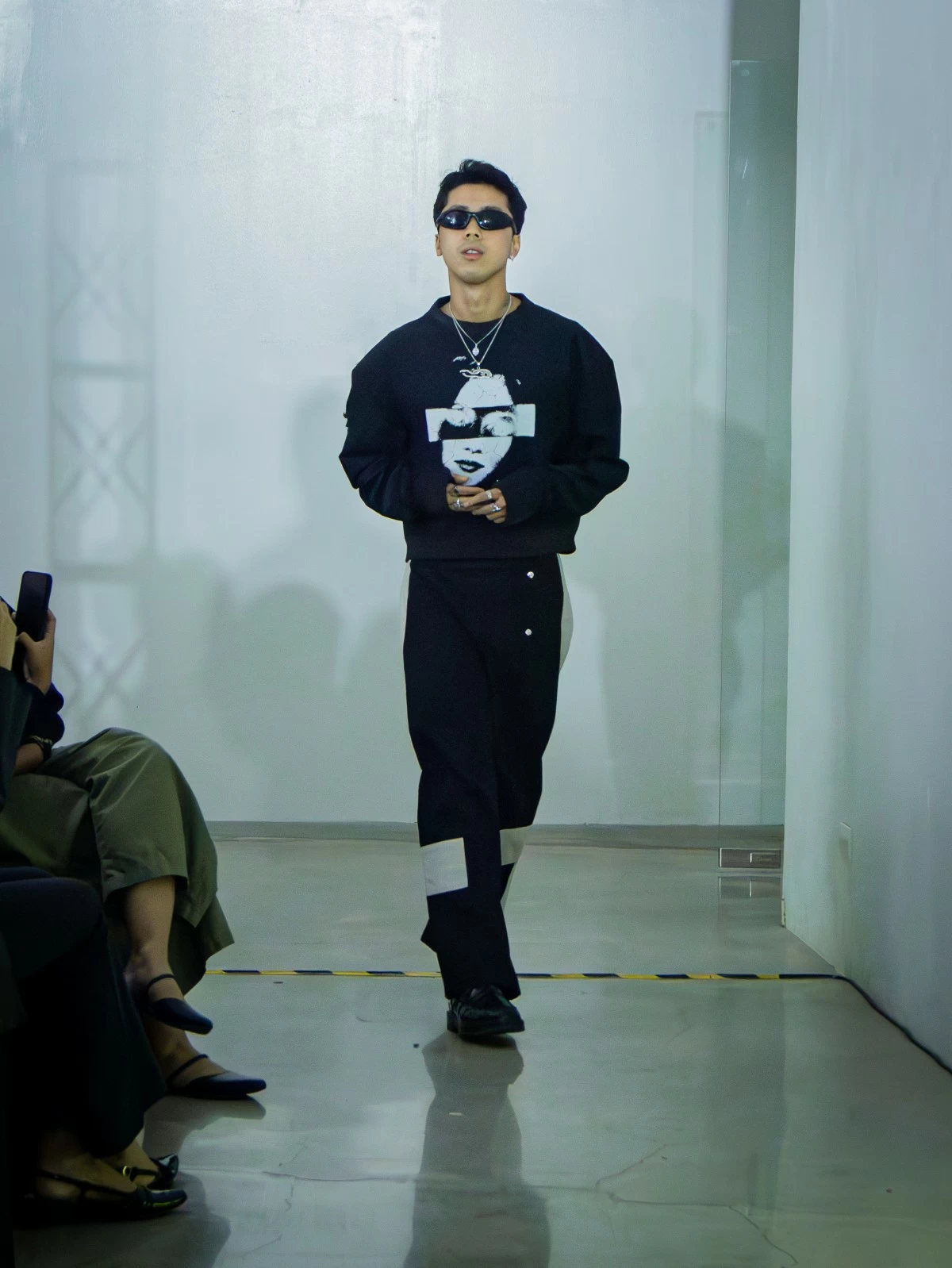
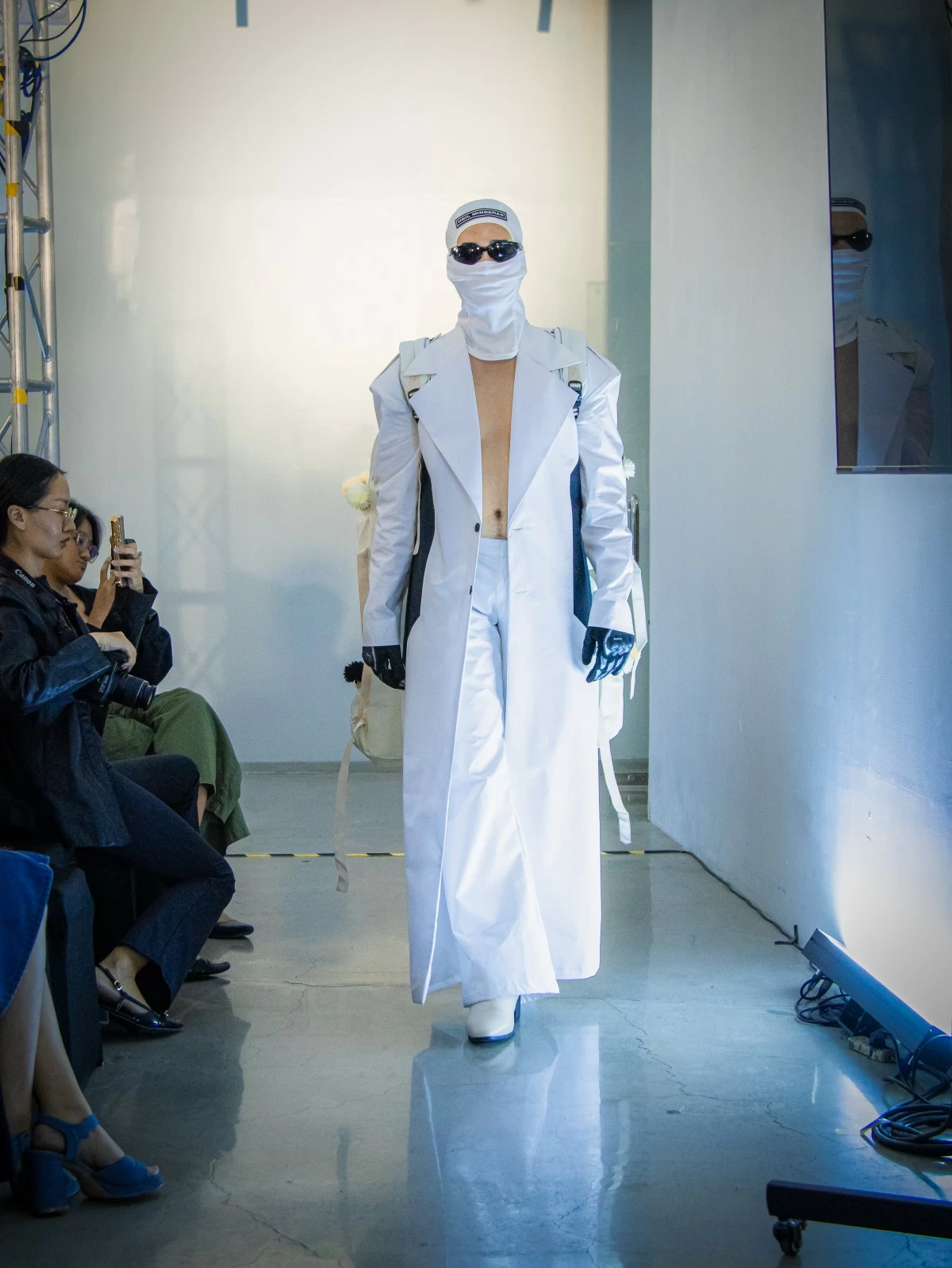
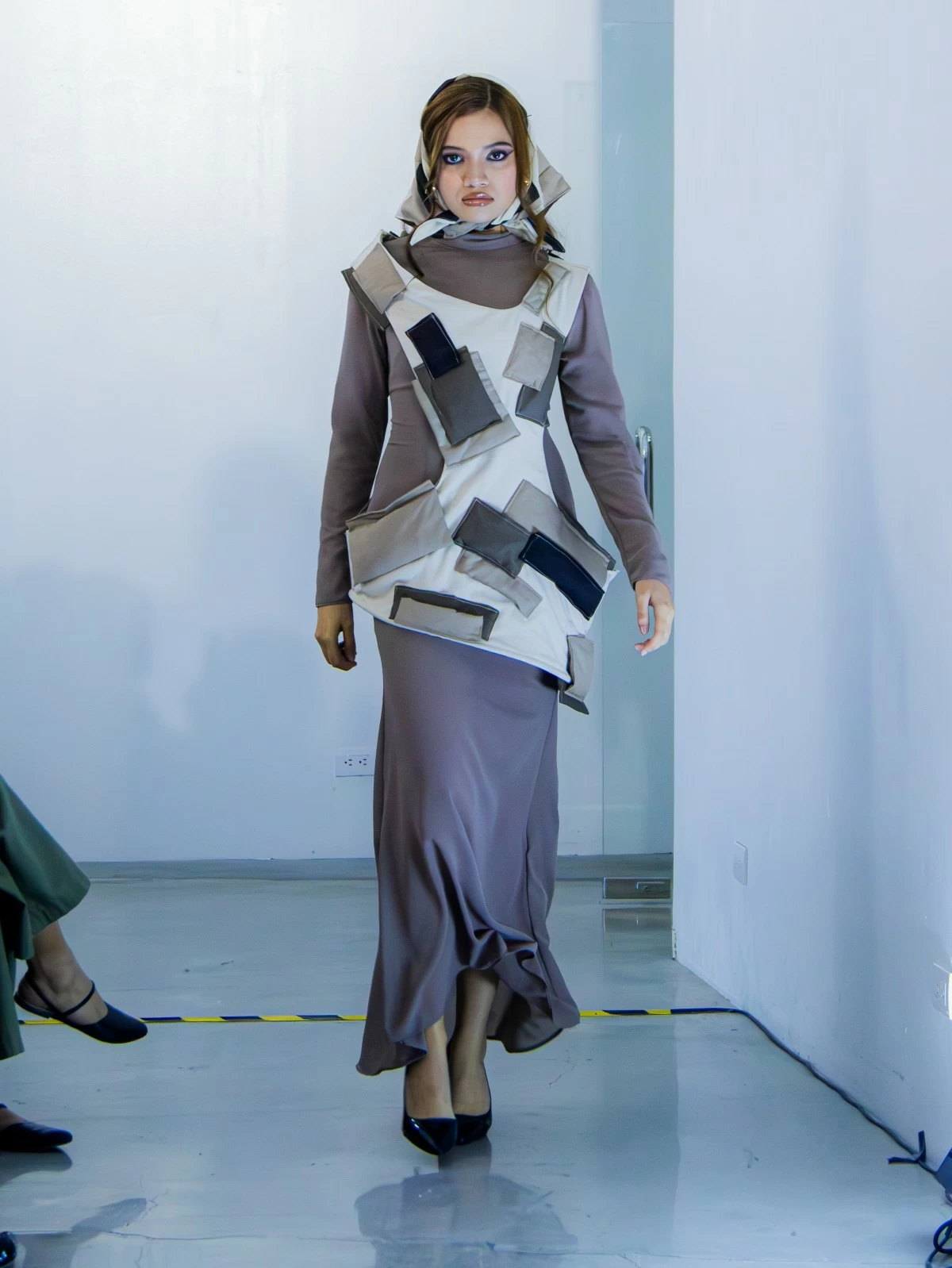
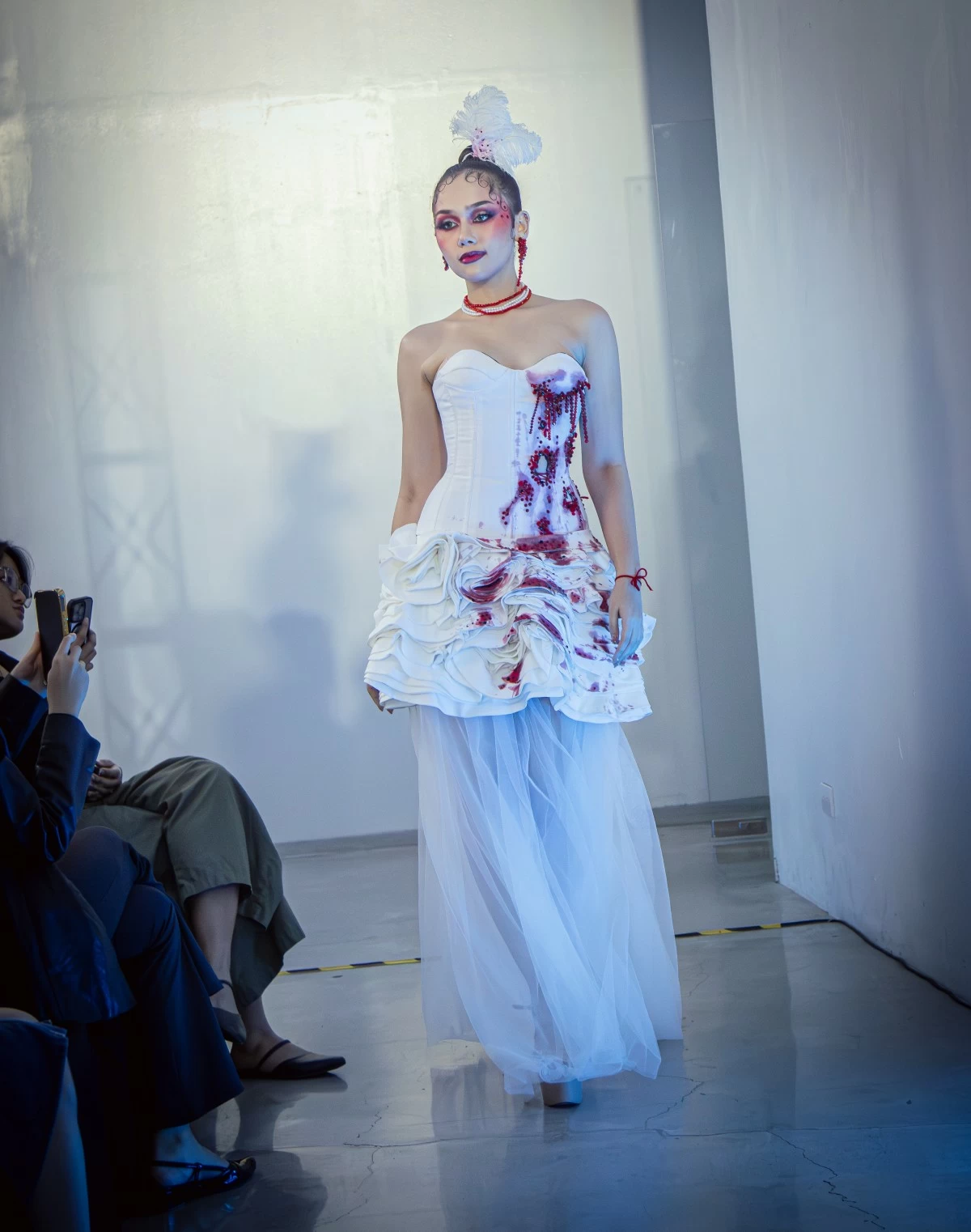
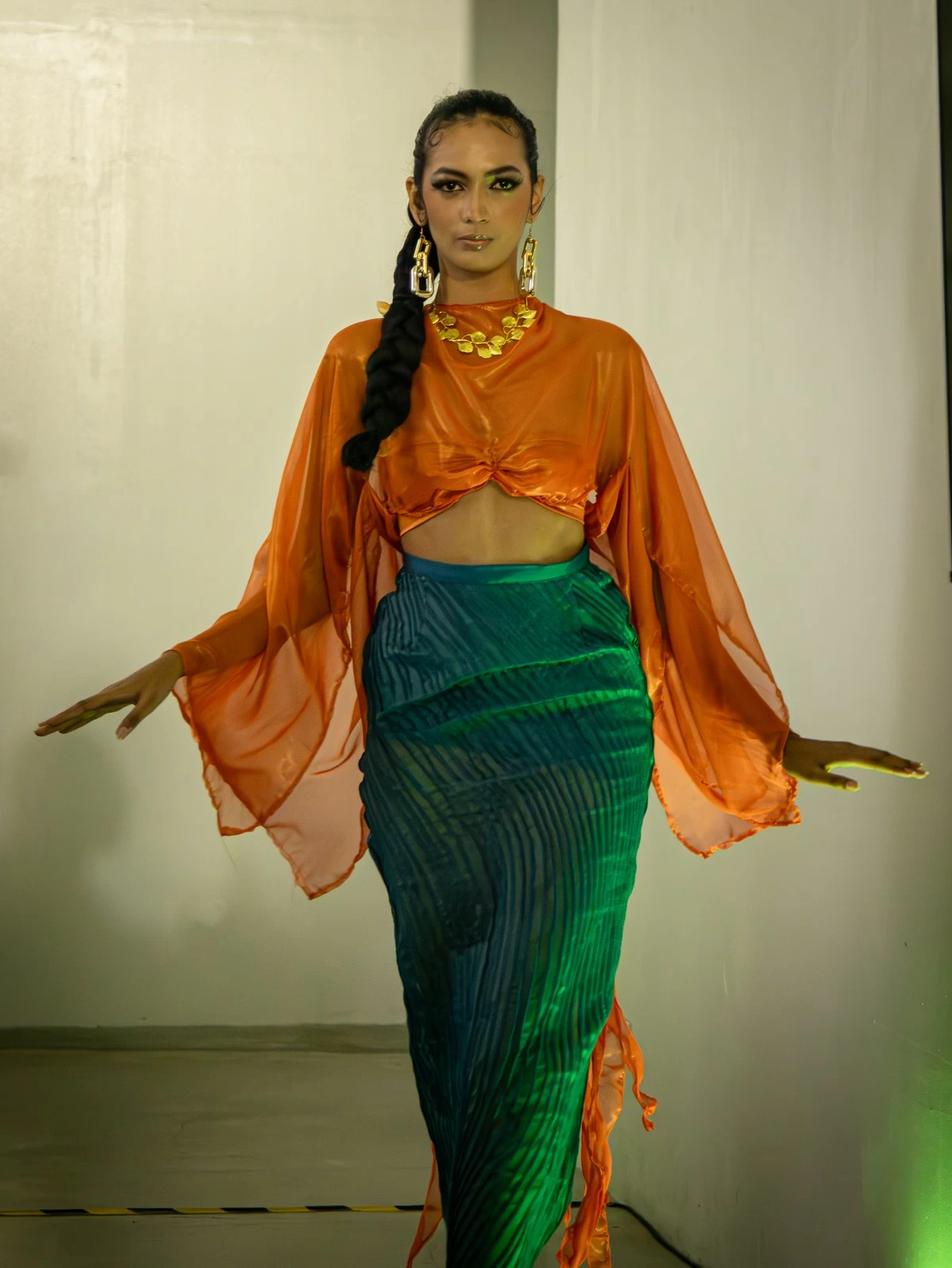
SoFA students showcased their point of view and creativity through a runway show

Published Jul 13, 2025 10:25 pm
We live in a world marked by division—by geography, ideology, culture, and politics. True unity can often feel like a distant dream, a luxury beyond reach.
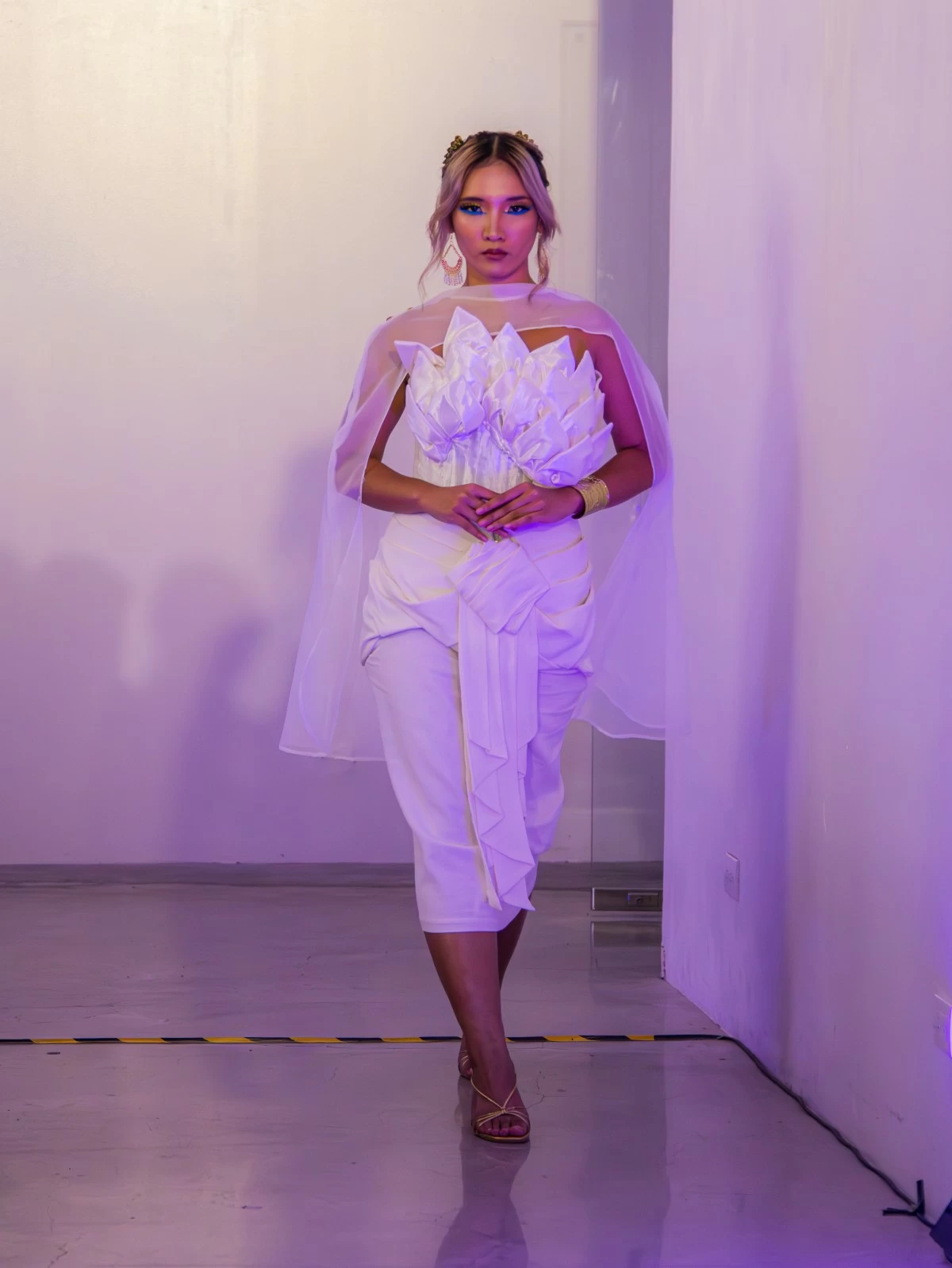
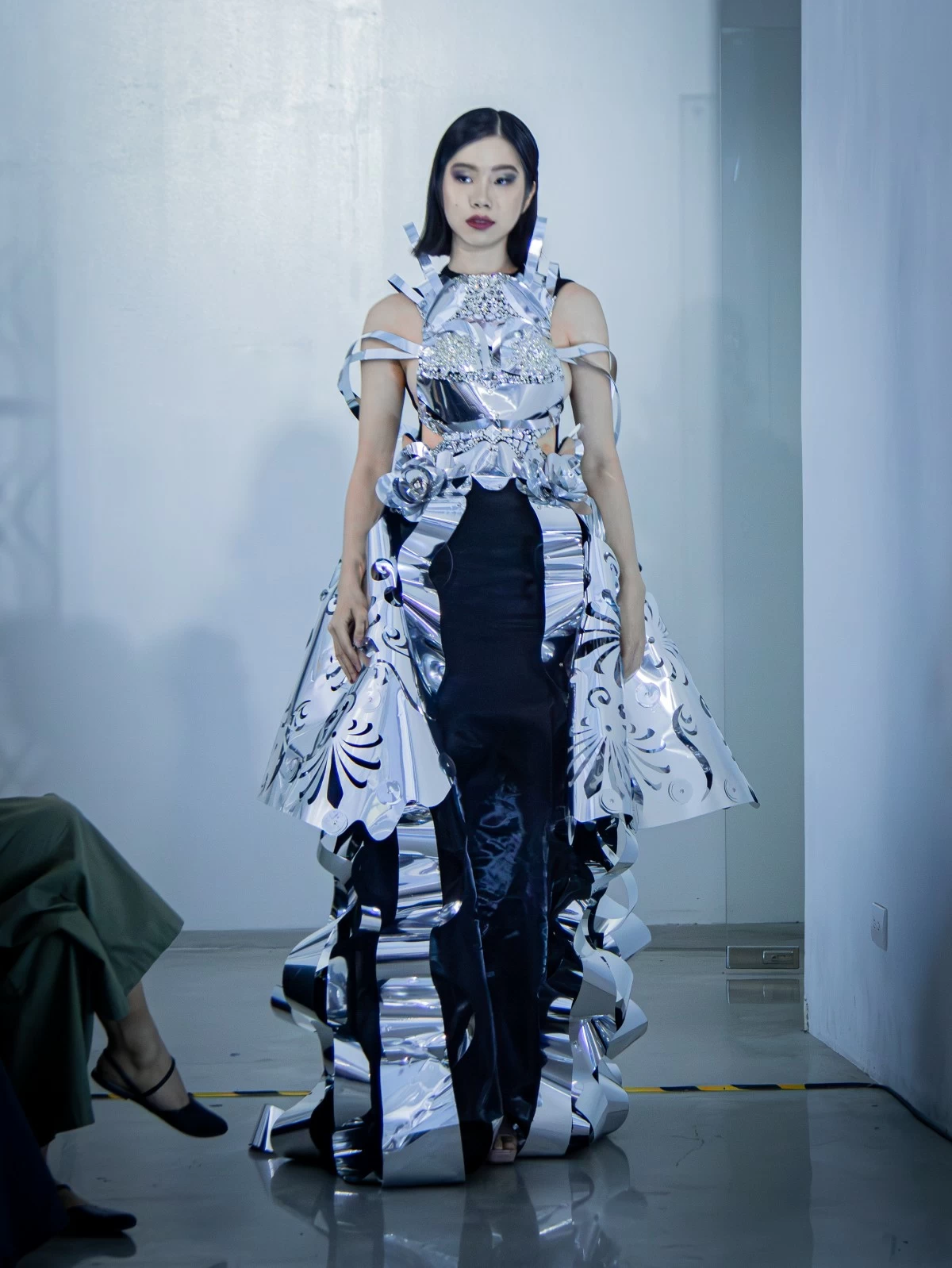
But for the fashion design students of SoFA Design Institute, fashion holds the potential to bridge these divides. In their recent show,” Pangea,” presented by SoFA’s Design Studio 6: World Fashion Class, 12 emerging designers—Neil Mindanao, Brent Omagap, Ana Niduaza, Kendra Pacaigue, Juliana Joie Canino, Gio C. Nogales, Kira, Kimberly Rios, Julia Rae Imperio, Lei’l Monette, Selina Tiu, and Kelvin Umlas—explored the concept of global unity through design.
Taking its name from the prehistoric supercontinent that once connected all the Earth’s landmasses, Pangea imagines a world where cultures never drifted apart—where craftsmanship, aesthetics, and traditions evolved together in harmony.
More than just a student showcase, the show served as a creative milestone and a reflection of SoFA’s unique approach to education: One grounded in mentorship and real-world immersion.

One standout was Brent Omagap’s “Ode: Sarakōte, A Wanderer’s Love Letter,” a collection inspired by his childhood fascination with faraway cultures. This work captures his journey from naïve admiration to a deep, respectful appreciation of Egypt’s story of resilience.
“I explored various communities, fashion profiles, and stories in several countries before I landed in Egypt. I was attracted to Egypt’s reinvention as a civilization, as I can relate my personal story to it, which is about grit and resilience,” Brent told Manila Bulletin Lifestyle. “The major learning I have is that fashion bridges gaps by genuinely and respectfully understanding the historical, social, and geographical context. Seeing others’ point of view creates understanding and relatability.”
In “Second Skin,” Julia Rae Imperio tells the story of a woman in search of transformation—a character who becomes the monster of her own myth, embracing her inner power through the stories that shaped her.
“Conflicts usually arise because of insatiable, misdirected egos. Fashion, on the other hand, is about being open, exposed, and ready to be ‘curated’ for the story you tell through clothing. For this to be a successful attempt, one must be ready to be vulnerable and humble,” she shared. “If the world, especially our leaders, were only more humble, set aside differences and egos, our society would have less division and be safer.”
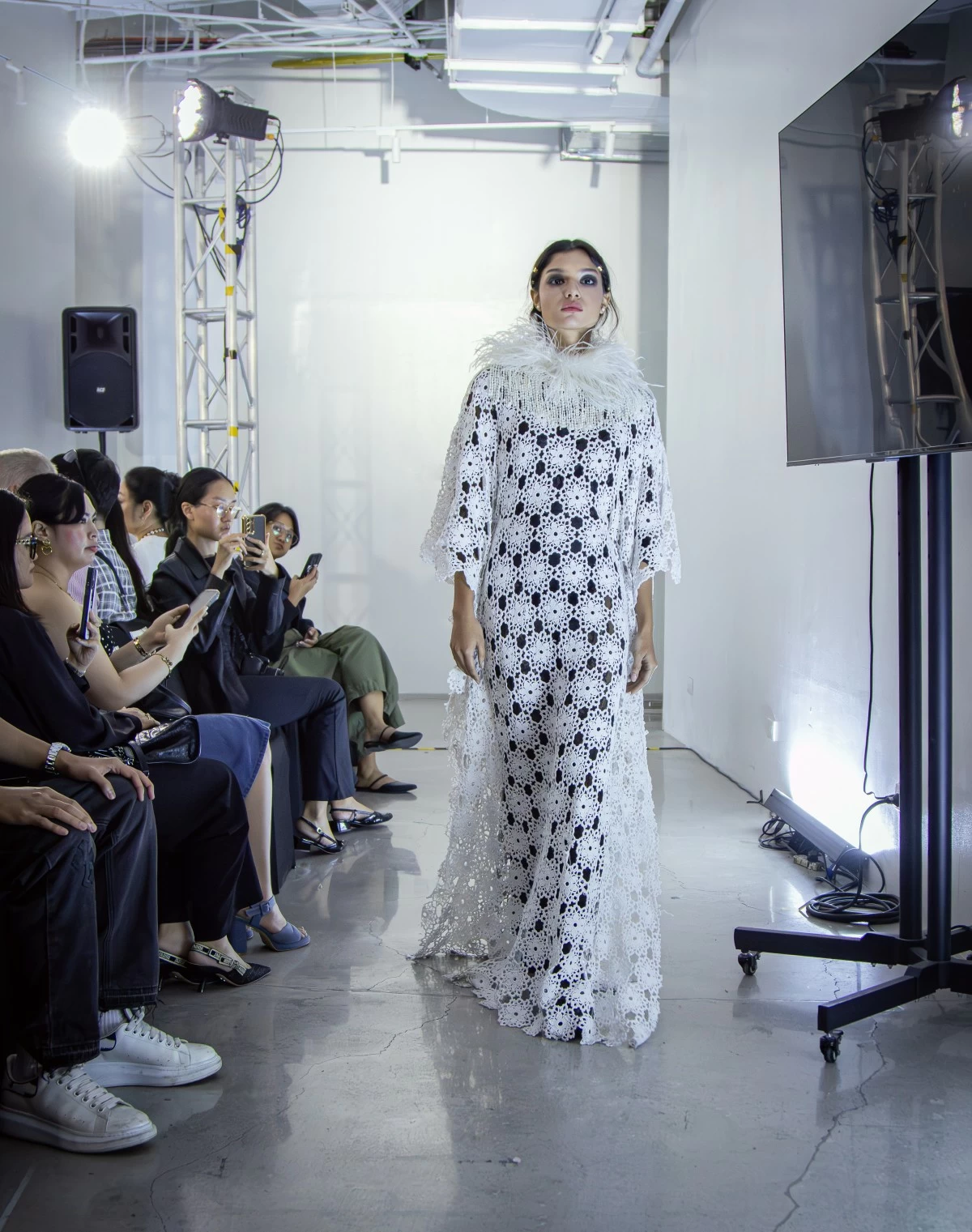
The class was mentored by SoFA alumnus and faculty member Fred Telarma, whose guidance provided not only technical expertise but also conceptual and creative direction. With his experience as a former student, he brought an empathetic lens to the mentorship, helping students navigate the balance between personal expression and global cultural sensitivity. The result was a runway rich with silhouettes, textures, and narratives that celebrated both individuality and shared heritage.
“I’m extremely proud of the growth they have shown in their work. Not just from a technical standpoint, but also from a design philosophy standpoint. It’s not easy to balance one’s personal point of view and design aesthetics with another, especially another country’s fashion profile at that, without one losing to the other or vice versa,” Fred said. “They have shown editorial restraint and genuine respect to ensure this balance, while still making their voices and personal stories be heard.”
Ultimately, “Pangea” became more than a fashion show. It was a metaphor brought to life—a proposal for reconnection through design. In a time defined by fragmentation, these young designers offered a vision of unity, where fashion becomes a shared language rooted in empathy, history, and purpose.
“I always emphasize to my students that in order to survive such a cutthroat industry, the ability to be agile and resilient is in knowing why you are here, why you are doing what you are doing, and more importantly, what for. More than being relevant, as fashion designers, it is important to be responsive. By instilling this in them, I hope they holistically develop as design leaders—artistically and technically adept and commercially astute, underpinned by a strong and clear sense of purpose,” he ended.

Related Tags

SoFa Young designers fashion show
ADVERTISEMENT
.most-popular .layout-ratio{ padding-bottom: 79.13%; } @media (min-width: 768px) and (max-width: 1024px) { .widget-title { font-size: 15px !important; } }

{{ articles_filter_1561_widget.title }}

.most-popular .layout-ratio{ padding-bottom: 79.13%; } @media (min-width: 768px) and (max-width: 1024px) { .widget-title { font-size: 15px !important; } }

{{ articles_filter_1562_widget.title }}

.most-popular .layout-ratio{ padding-bottom: 79.13%; } @media (min-width: 768px) and (max-width: 1024px) { .widget-title { font-size: 15px !important; } }

{{ articles_filter_1563_widget.title }}

{{ articles_filter_1564_widget.title }}

.mb-article-details { position: relative; } .mb-article-details .article-body-preview, .mb-article-details .article-body-summary{ font-size: 17px; line-height: 30px; font-family: "Libre Caslon Text", serif; color: #000; } .mb-article-details .article-body-preview iframe , .mb-article-details .article-body-summary iframe{ width: 100%; margin: auto; } .read-more-background { background: linear-gradient(180deg, color(display-p3 1.000 1.000 1.000 / 0) 13.75%, color(display-p3 1.000 1.000 1.000 / 0.8) 30.79%, color(display-p3 1.000 1.000 1.000) 72.5%); position: absolute; height: 200px; width: 100%; bottom: 0; display: flex; justify-content: center; align-items: center; padding: 0; } .read-more-background a{ color: #000; } .read-more-btn { padding: 17px 45px; font-family: Inter; font-weight: 700; font-size: 18px; line-height: 16px; text-align: center; vertical-align: middle; border: 1px solid black; background-color: white; } .hidden { display: none; }
function initializeAllSwipers() { // Get all hidden inputs with cms_article_id document.querySelectorAll('[id^="cms_article_id_"]').forEach(function (input) { const cmsArticleId = input.value; const articleSelector = '#article-' + cmsArticleId + ' .body_images'; const swiperElement = document.querySelector(articleSelector); if (swiperElement && !swiperElement.classList.contains('swiper-initialized')) { new Swiper(articleSelector, { loop: true, pagination: false, navigation: { nextEl: '#article-' + cmsArticleId + ' .swiper-button-next', prevEl: '#article-' + cmsArticleId + ' .swiper-button-prev', }, }); } }); } setTimeout(initializeAllSwipers, 3000); const intersectionObserver = new IntersectionObserver( (entries) => { entries.forEach((entry) => { if (entry.isIntersecting) { const newUrl = entry.target.getAttribute("data-url"); if (newUrl) { history.pushState(null, null, newUrl); let article = entry.target; // Extract metadata const author = article.querySelector('.author-section').textContent.replace('By', '').trim(); const section = article.querySelector('.section-info ').textContent.replace(' ', ' '); const title = article.querySelector('.article-title h1').textContent; // Parse URL for Chartbeat path format const parsedUrl = new URL(newUrl, window.location.origin); const cleanUrl = parsedUrl.host + parsedUrl.pathname; // Update Chartbeat configuration if (typeof window._sf_async_config !== 'undefined') { window._sf_async_config.path = cleanUrl; window._sf_async_config.sections = section; window._sf_async_config.authors = author; } // Track virtual page view with Chartbeat if (typeof pSUPERFLY !== 'undefined' && typeof pSUPERFLY.virtualPage === 'function') { try { pSUPERFLY.virtualPage({ path: cleanUrl, title: title, sections: section, authors: author }); } catch (error) { console.error('ping error', error); } } // Optional: Update document title if (title && title !== document.title) { document.title = title; } } } }); }, { threshold: 0.1 } ); function showArticleBody(button) { const article = button.closest("article"); const summary = article.querySelector(".article-body-summary"); const body = article.querySelector(".article-body-preview"); const readMoreSection = article.querySelector(".read-more-background"); // Hide summary and read-more section summary.style.display = "none"; readMoreSection.style.display = "none"; // Show the full article body body.classList.remove("hidden"); } document.addEventListener("DOMContentLoaded", () => { let loadCount = 0; // Track how many times articles are loaded const offset = [1, 2, 3, 4, 5, 6, 7, 8, 9, 10]; // Offset values const currentUrl = window.location.pathname.substring(1); let isLoading = false; // Prevent multiple calls if (!currentUrl) { console.log("Current URL is invalid."); return; } const sentinel = document.getElementById("load-more-sentinel"); if (!sentinel) { console.log("Sentinel element not found."); return; } function isSentinelVisible() { const rect = sentinel.getBoundingClientRect(); return ( rect.top < window.innerHeight && rect.bottom >= 0 ); } function onScroll() { if (isLoading) return; if (isSentinelVisible()) { if (loadCount >= offset.length) { console.log("Maximum load attempts reached."); window.removeEventListener("scroll", onScroll); return; } isLoading = true; const currentOffset = offset[loadCount]; window.loadMoreItems().then(() => { let article = document.querySelector('#widget_1690 > div:nth-last-of-type(2) article'); intersectionObserver.observe(article) loadCount++; }).catch(error => { console.error("Error loading more items:", error); }).finally(() => { isLoading = false; }); } } window.addEventListener("scroll", onScroll); });

Sign up by email to receive news.