

ADVERTISEMENT

A court called off a key 9/11 suspect's plea deal. Here's where the case stands

Published Jul 13, 2025 08:44 am
NEW YORK (AP) — The United States' long legal case against accused Sept. 11 mastermind Khalid Sheikh Mohammed remains in limbo after an appeals court this week scrapped a plea deal that the government had negotiated but had later withdrawn.
Essentially, the ruling leaves the case on track for trial before a military commission. It is unclear when that might happen.
Here's what to know about the case and how it got here:
Khalid Sheikh Mohammed is accused mastermind of 9/11
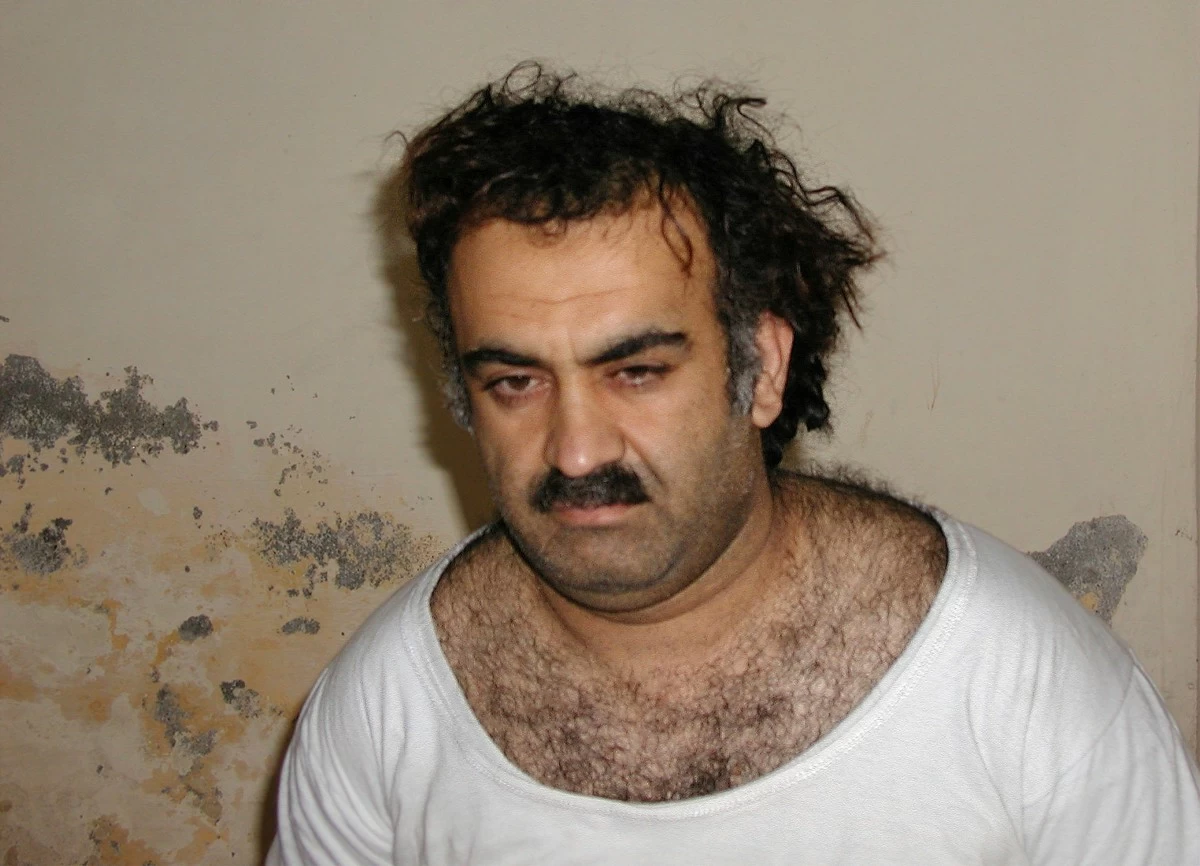
FILE- Khalid Sheikh Mohammed, the alleged Sept. 11 mastermind, is seen shortly after his capture during a raid in Pakistan Saturday March 1, 2003 in this photo obtained by the Associated Press. The man accused of being the main plotter in al-Qaeda's Sept. 11, 2001 attacks has agreed to plead guilty, The Defense Department said Wednesday. (AP Photo, FILE)
Mohammed is accused of developing and directing al-Qaida's plot to crash hijacked airliners into the World Trade Center and the Pentagon on Sept. 11, 2001. Another of the hijacked planes flew into a field in Pennsylvania. In all, nearly 3,000 people were killed in one of the deadliest attacks ever on the United States.
Mohammed was arrested in 2003 in Pakistan and eventually taken to the U.S. military base at Guantánamo Bay, Cuba. At the time, it was where the U.S. held hundreds of men captured in President George W. Bush's "war on terror."
Military prosecutors filed charges in 2008 against Mohammed and some co-defendants. After an Obama-era plan to try them in a civilian court in New York collapsed, the case remained with the military commission.
The case dragged on through years of legal and logistical challenges. A major point of contention has been how much the evidence and case have been tainted by the men's torture while in CIA custody during the first years after their capture. Mohammed was waterboarded 183 times.
The plea deal called for life in prison
Military prosecutors and defense lawyers began plea talks several years ago. Last year, Mohammed and two others agreed to plead guilty, under an agreement that would have led to life in prison instead of a potential death penalty. The deal also would have required the men to answer questions posed by Sept. 11 victims' relatives.
Military prosecutors called the arrangement "the best path to finality and justice." Some 9/11 families also saw the deal as the best hope for bringing the painful case to a conclusion and getting some answers from the defendants.
But other victims' relatives said a trial was the right way to get justice and information, and some saw the plea deal as capitulation. Republican lawmakers also criticized the agreement, negotiated during Democratic President Joe Biden's administration.
Defense secretary withdrew the plea deal
Then-Defense Secretary Lloyd Austin soon rescinded the deal, saying that victims' relatives, U.S. troops and the American public " deserve the opportunity " to see military commission trials play out.
Defense attorneys and the government wrangled in various courts over whether Austin was legally able to scrap the deal. It was on-again, off-again for months. A panel of appeals judges put it on hold in January and then, on Friday, issued 2-1 ruling saying that Austin had the authority to rescind the agreement. The order bars the military judge from taking any guilty pleas under the now-undone deal.
The case could be headed to pretrial stage
It is not clear whether defense lawyers plan to appeal. A message seeking comment was sent Saturday to Mohammed's attorneys.
Without a plea deal, the case would once again be back in the pretrial stage within the military commission system, with the legal and logistical complications that it has faced. Questions about whether the men's torture would prevent the use of evidence, including statements they made, are yet to be resolved.

Related Tags

World news
ADVERTISEMENT
.most-popular .layout-ratio{ padding-bottom: 79.13%; } @media (min-width: 768px) and (max-width: 1024px) { .widget-title { font-size: 15px !important; } }

{{ articles_filter_1561_widget.title }}

.most-popular .layout-ratio{ padding-bottom: 79.13%; } @media (min-width: 768px) and (max-width: 1024px) { .widget-title { font-size: 15px !important; } }

{{ articles_filter_1562_widget.title }}

.most-popular .layout-ratio{ padding-bottom: 79.13%; } @media (min-width: 768px) and (max-width: 1024px) { .widget-title { font-size: 15px !important; } }

{{ articles_filter_1563_widget.title }}

{{ articles_filter_1564_widget.title }}

.mb-article-details { position: relative; } .mb-article-details .article-body-preview, .mb-article-details .article-body-summary{ font-size: 17px; line-height: 30px; font-family: "Libre Caslon Text", serif; color: #000; } .mb-article-details .article-body-preview iframe , .mb-article-details .article-body-summary iframe{ width: 100%; margin: auto; } .read-more-background { background: linear-gradient(180deg, color(display-p3 1.000 1.000 1.000 / 0) 13.75%, color(display-p3 1.000 1.000 1.000 / 0.8) 30.79%, color(display-p3 1.000 1.000 1.000) 72.5%); position: absolute; height: 200px; width: 100%; bottom: 0; display: flex; justify-content: center; align-items: center; padding: 0; } .read-more-background a{ color: #000; } .read-more-btn { padding: 17px 45px; font-family: Inter; font-weight: 700; font-size: 18px; line-height: 16px; text-align: center; vertical-align: middle; border: 1px solid black; background-color: white; } .hidden { display: none; }
function initializeAllSwipers() { // Get all hidden inputs with cms_article_id document.querySelectorAll('[id^="cms_article_id_"]').forEach(function (input) { const cmsArticleId = input.value; const articleSelector = '#article-' + cmsArticleId + ' .body_images'; const swiperElement = document.querySelector(articleSelector); if (swiperElement && !swiperElement.classList.contains('swiper-initialized')) { new Swiper(articleSelector, { loop: true, pagination: false, navigation: { nextEl: '#article-' + cmsArticleId + ' .swiper-button-next', prevEl: '#article-' + cmsArticleId + ' .swiper-button-prev', }, }); } }); } setTimeout(initializeAllSwipers, 3000); const intersectionObserver = new IntersectionObserver( (entries) => { entries.forEach((entry) => { if (entry.isIntersecting) { const newUrl = entry.target.getAttribute("data-url"); if (newUrl) { history.pushState(null, null, newUrl); let article = entry.target; // Extract metadata const author = article.querySelector('.author-section').textContent.replace('By', '').trim(); const section = article.querySelector('.section-info ').textContent.replace(' ', ' '); const title = article.querySelector('.article-title h1').textContent; // Parse URL for Chartbeat path format const parsedUrl = new URL(newUrl, window.location.origin); const cleanUrl = parsedUrl.host + parsedUrl.pathname; // Update Chartbeat configuration if (typeof window._sf_async_config !== 'undefined') { window._sf_async_config.path = cleanUrl; window._sf_async_config.sections = section; window._sf_async_config.authors = author; } // Track virtual page view with Chartbeat if (typeof pSUPERFLY !== 'undefined' && typeof pSUPERFLY.virtualPage === 'function') { try { pSUPERFLY.virtualPage({ path: cleanUrl, title: title, sections: section, authors: author }); } catch (error) { console.error('ping error', error); } } // Optional: Update document title if (title && title !== document.title) { document.title = title; } } } }); }, { threshold: 0.1 } ); function showArticleBody(button) { const article = button.closest("article"); const summary = article.querySelector(".article-body-summary"); const body = article.querySelector(".article-body-preview"); const readMoreSection = article.querySelector(".read-more-background"); // Hide summary and read-more section summary.style.display = "none"; readMoreSection.style.display = "none"; // Show the full article body body.classList.remove("hidden"); } document.addEventListener("DOMContentLoaded", () => { let loadCount = 0; // Track how many times articles are loaded const offset = [1, 2, 3, 4, 5, 6, 7, 8, 9, 10]; // Offset values const currentUrl = window.location.pathname.substring(1); let isLoading = false; // Prevent multiple calls if (!currentUrl) { console.log("Current URL is invalid."); return; } const sentinel = document.getElementById("load-more-sentinel"); if (!sentinel) { console.log("Sentinel element not found."); return; } function isSentinelVisible() { const rect = sentinel.getBoundingClientRect(); return ( rect.top < window.innerHeight && rect.bottom >= 0 ); } function onScroll() { if (isLoading) return; if (isSentinelVisible()) { if (loadCount >= offset.length) { console.log("Maximum load attempts reached."); window.removeEventListener("scroll", onScroll); return; } isLoading = true; const currentOffset = offset[loadCount]; window.loadMoreItems().then(() => { let article = document.querySelector('#widget_1690 > div:nth-last-of-type(2) article'); intersectionObserver.observe(article) loadCount++; }).catch(error => { console.error("Error loading more items:", error); }).finally(() => { isLoading = false; }); } } window.addEventListener("scroll", onScroll); });

Sign up by email to receive news.