

ADVERTISEMENT

How to create peaceful spaces for your child's sleep and study

Melvin Sua shares practical feng shui tips to boost focus and promote restful sleep

Published Jul 12, 2025 07:27 am
Hybrid learning has been both a blessing and a challenge. While students may enjoy a break from the traditional school routine, learning from home often comes with more distractions. And let’s face it—not every household has the luxury of a dedicated study room.
If a separate study room isn’t an option, the bedroom can double as a space for learning and rest—if set up thoughtfully. This is where some simple and practical feng shui tips come in handy. Feng shui, the ancient Chinese art of balancing energy in a space, offers small changes that can make a big difference in how a room feels.
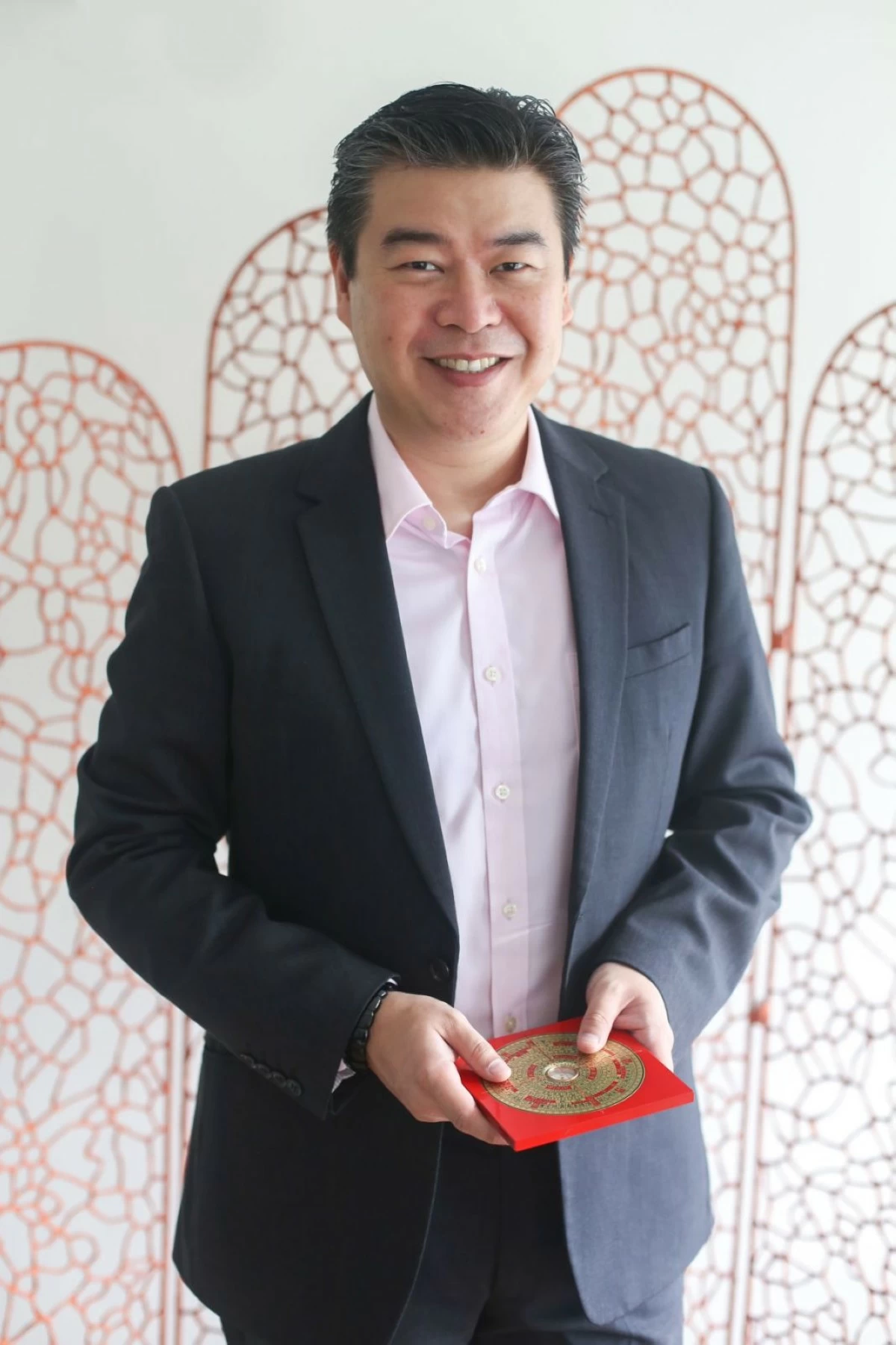
“For beds, we prioritize areas that support health. For desks, we look for areas that promote focus, academic success, and positive mental energy,” geomancer Melvin Sua tells Manila Bulletin Lifestyle, in an exclusive interview.
Of course, not every parent can consult a feng shui expert. That’s why Melvin breaks things down into simple and easy-to-follow tips you can try at home.
Stable sleep
In feng shui, where you place the bed can really affect how safe and secure a child feels. “The bed’s headboard should ideally rest against a solid wall. This gives the child energetic and psychological support—like someone saying, ‘I’ve got your back,’” explains Melvin. A solid wall gives a sense of stability, like the room is quietly looking out for them, which can be especially reassuring for children during rest.
Another thing to avoid is placing the bed against a wall that has a water closet or stove on the other side, as this may disrupt their energy and even affect their sleep or mood in the long run. Try not to place the bed under a beam, as it can make the space feel heavy or unsettled.
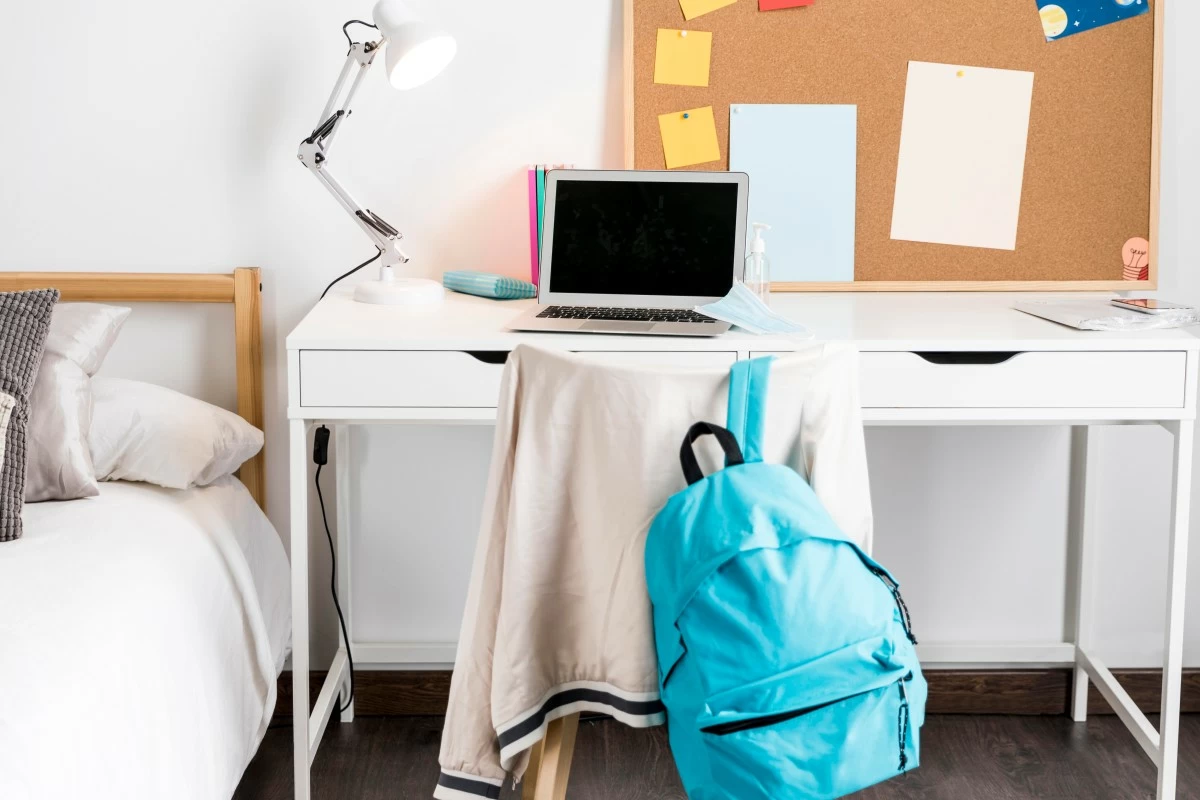
Declutter with intention
Some feng shui practitioners say drawers under beds are not encouraged, but Melvin has a more relaxed view. “It’s fine to use them—just be mindful of what you store in there.”
Stuff we no longer use tends to drag the energy of a room down. “If you store old stuff there in one big mess, that’s the kind of energy you’re sleeping over for six to eight hours a day, which is a quarter to a third of your life,” he explains. “As many home experts say—declutter and get rid of anything that no longer serves you. Let go of old energies to make way for new energies into your homes.”
Stress-free study area
Where your child studies matters just as much as where they sleep. According to Melvin, the desk should never be positioned directly under a solid ceiling beam. “It feels like something is literally hanging over your child’s head, which can create a sense of pressure and mental stress,” he says. “They might find it difficult to focus and concentrate.” This kind of pressure can wear on them, making it harder to stay focused.
Loft beds are a popular way to save space—but are they okay in feng shui? According to Melvin, they can absolutely work with a few things to consider. One key thing to watch out for is the space between the loft bed and the ceiling. It shouldn’t let the child feel cramped. “Our auric fields or auras expand beyond our physical bodies. Our auras can feel that crampness and signal to us when the space doesn’t quite feel comfortable.”
If a desk is placed underneath a loft bed, make sure that space is well-lit and doesn’t feel boxed in. Make sure there’s room for your child to move around and not feel boxed in. Comfort always comes first.
It’s not always easy to create the perfect space, but every small effort counts when it comes to helping our kids thrive—and that includes the environment they grow up and learn in. By applying a few simple feng shui principles, keeping their spaces clean and tidy, and ensuring good lighting and comfort, even the smallest bedroom can provide focus, rest, and growth.

Related Tags

Parenting
ADVERTISEMENT
.most-popular .layout-ratio{ padding-bottom: 79.13%; } @media (min-width: 768px) and (max-width: 1024px) { .widget-title { font-size: 15px !important; } }

{{ articles_filter_1561_widget.title }}

.most-popular .layout-ratio{ padding-bottom: 79.13%; } @media (min-width: 768px) and (max-width: 1024px) { .widget-title { font-size: 15px !important; } }

{{ articles_filter_1562_widget.title }}

.most-popular .layout-ratio{ padding-bottom: 79.13%; } @media (min-width: 768px) and (max-width: 1024px) { .widget-title { font-size: 15px !important; } }

{{ articles_filter_1563_widget.title }}

{{ articles_filter_1564_widget.title }}

.mb-article-details { position: relative; } .mb-article-details .article-body-preview, .mb-article-details .article-body-summary{ font-size: 17px; line-height: 30px; font-family: "Libre Caslon Text", serif; color: #000; } .mb-article-details .article-body-preview iframe , .mb-article-details .article-body-summary iframe{ width: 100%; margin: auto; } .read-more-background { background: linear-gradient(180deg, color(display-p3 1.000 1.000 1.000 / 0) 13.75%, color(display-p3 1.000 1.000 1.000 / 0.8) 30.79%, color(display-p3 1.000 1.000 1.000) 72.5%); position: absolute; height: 200px; width: 100%; bottom: 0; display: flex; justify-content: center; align-items: center; padding: 0; } .read-more-background a{ color: #000; } .read-more-btn { padding: 17px 45px; font-family: Inter; font-weight: 700; font-size: 18px; line-height: 16px; text-align: center; vertical-align: middle; border: 1px solid black; background-color: white; } .hidden { display: none; }
function initializeAllSwipers() { // Get all hidden inputs with cms_article_id document.querySelectorAll('[id^="cms_article_id_"]').forEach(function (input) { const cmsArticleId = input.value; const articleSelector = '#article-' + cmsArticleId + ' .body_images'; const swiperElement = document.querySelector(articleSelector); if (swiperElement && !swiperElement.classList.contains('swiper-initialized')) { new Swiper(articleSelector, { loop: true, pagination: false, navigation: { nextEl: '#article-' + cmsArticleId + ' .swiper-button-next', prevEl: '#article-' + cmsArticleId + ' .swiper-button-prev', }, }); } }); } setTimeout(initializeAllSwipers, 3000); const intersectionObserver = new IntersectionObserver( (entries) => { entries.forEach((entry) => { if (entry.isIntersecting) { const newUrl = entry.target.getAttribute("data-url"); if (newUrl) { history.pushState(null, null, newUrl); let article = entry.target; // Extract metadata const author = article.querySelector('.author-section').textContent.replace('By', '').trim(); const section = article.querySelector('.section-info ').textContent.replace(' ', ' '); const title = article.querySelector('.article-title h1').textContent; // Parse URL for Chartbeat path format const parsedUrl = new URL(newUrl, window.location.origin); const cleanUrl = parsedUrl.host + parsedUrl.pathname; // Update Chartbeat configuration if (typeof window._sf_async_config !== 'undefined') { window._sf_async_config.path = cleanUrl; window._sf_async_config.sections = section; window._sf_async_config.authors = author; } // Track virtual page view with Chartbeat if (typeof pSUPERFLY !== 'undefined' && typeof pSUPERFLY.virtualPage === 'function') { try { pSUPERFLY.virtualPage({ path: cleanUrl, title: title, sections: section, authors: author }); } catch (error) { console.error('ping error', error); } } // Optional: Update document title if (title && title !== document.title) { document.title = title; } } } }); }, { threshold: 0.1 } ); function showArticleBody(button) { const article = button.closest("article"); const summary = article.querySelector(".article-body-summary"); const body = article.querySelector(".article-body-preview"); const readMoreSection = article.querySelector(".read-more-background"); // Hide summary and read-more section summary.style.display = "none"; readMoreSection.style.display = "none"; // Show the full article body body.classList.remove("hidden"); } document.addEventListener("DOMContentLoaded", () => { let loadCount = 0; // Track how many times articles are loaded const offset = [1, 2, 3, 4, 5, 6, 7, 8, 9, 10]; // Offset values const currentUrl = window.location.pathname.substring(1); let isLoading = false; // Prevent multiple calls if (!currentUrl) { console.log("Current URL is invalid."); return; } const sentinel = document.getElementById("load-more-sentinel"); if (!sentinel) { console.log("Sentinel element not found."); return; } function isSentinelVisible() { const rect = sentinel.getBoundingClientRect(); return ( rect.top < window.innerHeight && rect.bottom >= 0 ); } function onScroll() { if (isLoading) return; if (isSentinelVisible()) { if (loadCount >= offset.length) { console.log("Maximum load attempts reached."); window.removeEventListener("scroll", onScroll); return; } isLoading = true; const currentOffset = offset[loadCount]; window.loadMoreItems().then(() => { let article = document.querySelector('#widget_1690 > div:nth-last-of-type(2) article'); intersectionObserver.observe(article) loadCount++; }).catch(error => { console.error("Error loading more items:", error); }).finally(() => { isLoading = false; }); } } window.addEventListener("scroll", onScroll); });

Sign up by email to receive news.