







Does your child need a tutor?
How to recognize the signs and know when it's time for extra support
Published Jul 12, 2025 07:21 am


For many parents, knowing when to seek extra academic help for their children can be a challenge. Should we give them one more chance? How do we know if they’re simply facing a temporary struggle or need consistent support? What are the signs that we should take action before it’s too late?

Meg Entrata
We asked Margaret “Meg” Entrata, a private tutor with 20 years of experience, to share some helpful insights on recognizing when children should get extra academic support.
When extra help is needed
According to Meg, one of the clearest signs a child may need a tutor is when homework is often late or missing, or if grades in certain subjects are consistently low. “Some parents don’t wait for the grades to drop,” she says. “They reach out as soon as they notice their child having trouble keeping up with the lessons.” Catching these issues early can make a big difference.
In her time as a private tutor, she’s learned how to quickly gauge what each student needs. “I can usually tell if a child is behind or if they’re ahead of their level and might need more of a challenge,” she says. From there, she adjusts her sessions depending on the student’s pace and learning style.
Personalized sessions
Tutoring isn’t only for students who are struggling. “Even kids doing well in school can benefit,” Meg notes. “If I see a child is gifted in a subject, we offer advanced lessons to keep them engaged and prevent boredom.”
She often works with students who are doing fine overall, but have trouble with subjects like Math and Filipino, subjects many find more difficult. To keep sessions engaging, she sets breaks and chats about their day or hobbies. “It helps kids feel relaxed and reminds them that tutoring isn’t just about studying.”
Group tutoring has its advantages, especially for students who thrive through peer interaction. But Meg prefers one-on-one tutoring sessions. “Different kids need different help,” she explains. “With one-on-one sessions, you don’t lose time waiting for others to catch up, and I can really tailor each session.”
Unlike group setups that often require daily attendance, her students typically meet with her just two or three times a week—and see the same, if not better, results. “It’s more efficient,” she says. “You can really focus on what the child needs most.”
To help families save time, especially with the heavy traffic these days, Meg offers online tutoring, preferably for bigger kids starting in Grade 2. “Online classes have really helped a lot of my students,” she says. “There’s no need to travel, so they’re more relaxed and we use the time more efficiently since our sessions are one-on-one.” For many busy families, this setup is an appealing option that makes consistency easier to maintain.
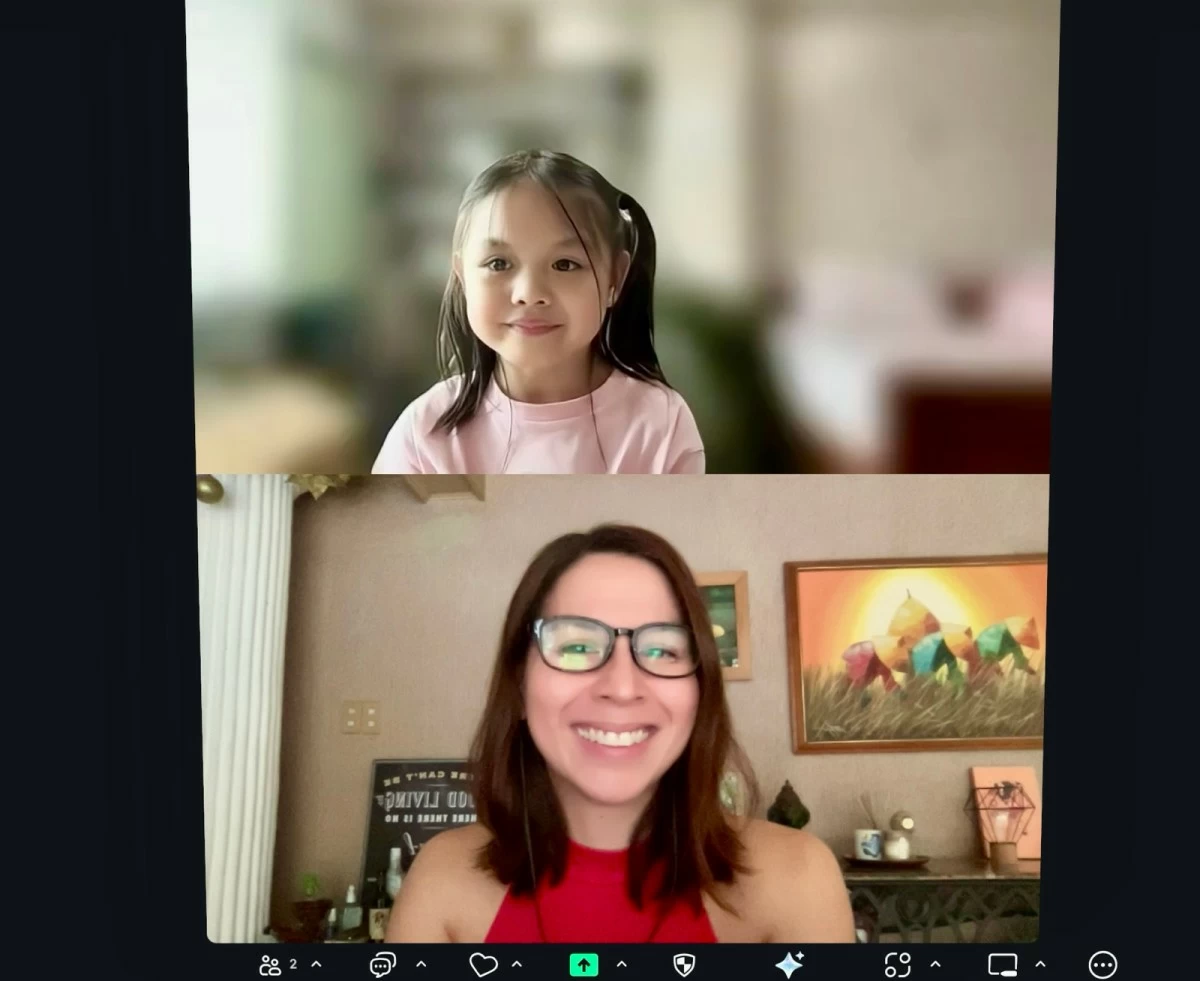
Meg Entrata recommends one-on-one sessions, such as this with her student Luna.
Confidence boost
Beyond academics, tutoring should help children build confidence. “Going to school knowing that they understand the lesson very well will help boost their confidence. A lot of kids feel insecure about asking questions in class, but a tutor can answer all their questions without feeling embarrassed,” expounds Meg.
Shared goals
Meg advises parents to look for tutors who genuinely care about the child’s wellbeing. “Someone who can help with school work but also with things that are happening in their lives,” she explains.
She also encourages parents to be proactive about staying in touch. “A parent should ask for feedback every once in a while,” she continues. “Of course, it is also our job to update the parents with either their progress or if they are regressing.”
Effective results
Parents should start noticing their children coming home from school or tutoring sessions in a better mood. “They should see better grades and hopefully a more relaxed child since they have additional help,” Meg adds.
She also stressed that tutoring isn’t meant to last forever. “It’s most helpful until a child builds their own study habits and becomes responsible for managing on their own,” she says. And when that point comes, she knows it’s time to step back.
Knowing when to step in and when to step back is part of helping children grow. Whether they’re catching up or moving ahead, the right support at the right time can make all the difference.