







DOE sees CBK privatization as gateway for more RE
Published Jul 12, 2025 12:00 am
|
Updated Jul 11, 2025 03:52 pm


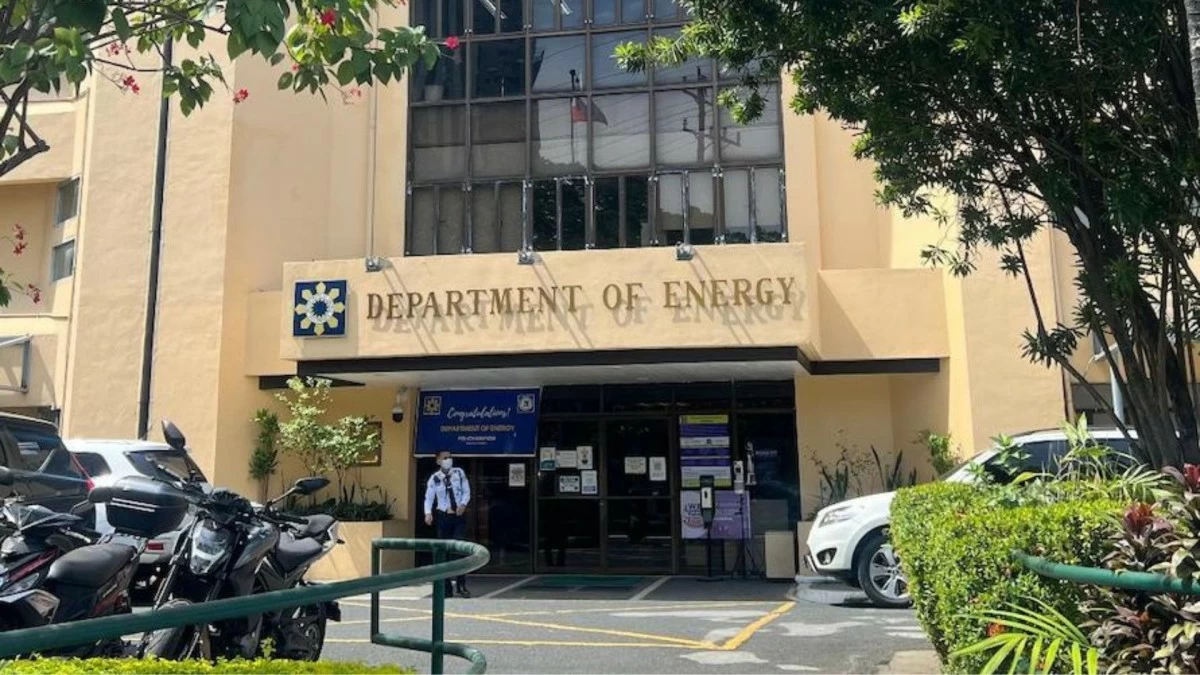
The Department of Energy (DOE) the privatization of the Caliraya-Botocan-Kalayaan (CBK) hydroelectric power plant to become a catalyst for greater integration of renewable energy (RE).
In a discussion with journalists, Energy Secretary Sharon S. Garin and Assistant Secretary Mario Marasigan emphasized that the recently auctioned CBK hydro plant will play a critical role in supporting grid stability and responding to any potential power disruptions.
”The beauty of our pumped storage facilities, which is the only one at the moment, it’s not only addressing the reserve requirement of our Luzon system, [but] it has already more than 700 megawatts (MW) [worth] of capacity. This facility also provides the necessary ancillary services,” Marasigan told reporters.
”This is what we need in case all of our power plants fail… What’s our first source of power? CBK has that capability, and at the same time, the reactive power. Because our renewables are increasing,” he added.
Additionally, with CBK being privatized, it will be allowed to participate in the market to provide ancillary and reserve services, as well as enter into power supply deals.
Marasigan also noted that CBK’s capability would also open more renewable opportunities, as he stated that, “even if we have more than sufficient solar energy generation, [for] example during daytime, part of [that] generation can actually provide for the pumping requirement of Kalayaan.”
”We can maintain the operation of all facilities at the same level, because Kalayaan can serve as the load if there’s excess energy. At the same time, if there’s a deficiency in supply, Kalayaan can provide the necessary capacity requirement.”
Furthermore, he added that while projects under the third Green Energy Auction (GEA-3) have yet to come online, CBK can act as the early test case for both the policy framework and performance of pumped storage.
For Garin, CBK's privatization is considered a significant milestone towards a greener and resilient energy future.
”The CBK plant will play a crucial role in enhancing grid flexibility, especially in supporting variable renewable energy (RE) resources such as solar and wind by enabling large-scale storage and reliable power dispatch,” she said.
Last week, the Thunder Consortium, composed of Aboitiz Renewables Inc., Sumitomo Corp., and Electric Power Development Co. successfully won the bidding for CBK hydroelectric power plant conducted by the Power Sector Assets and Liabilities Management Corp. (PSALM). The consortium secured the asset with a ₱36.2-billion bid.