ADVERTISEMENT

Five reasons why Gen Zs are hooked on 'Si Sol at Si Luna'

Published Jul 11, 2025 12:14 pm
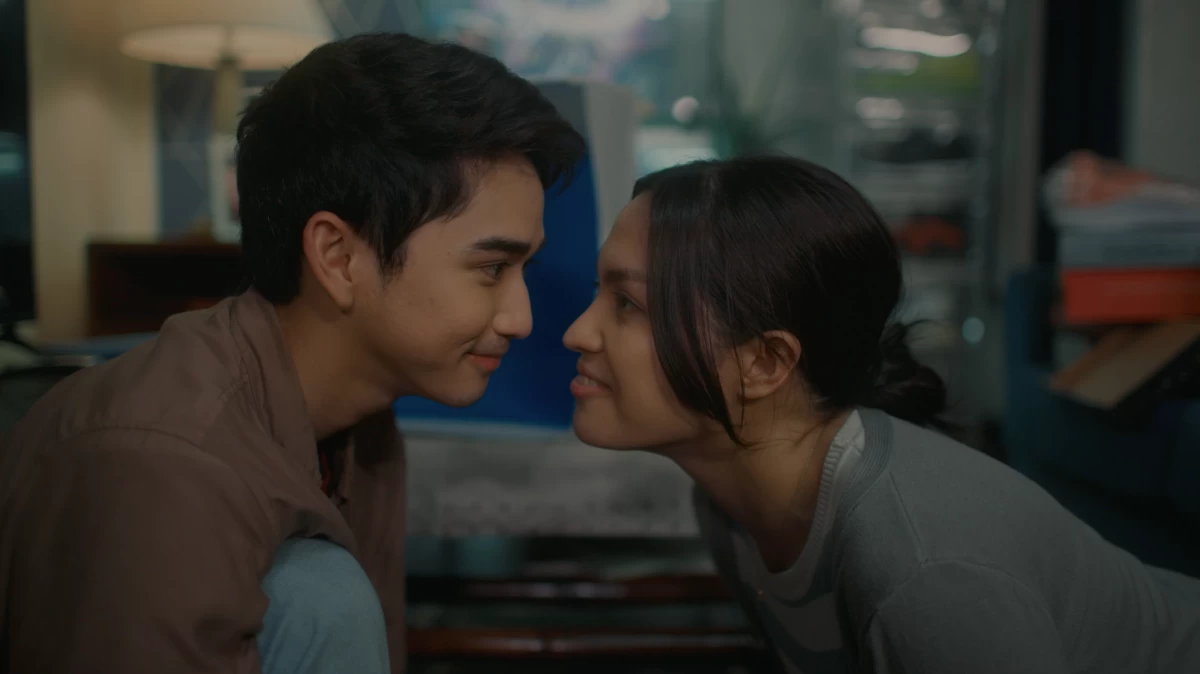
Zaijian Jaranilla and Jane Oineza
Emotions ran high in "Meet the Family," the cliffhanger episode 6 of Puregold Channel's hit digital series, *Si Sol at si Luna*. In this episode, Sol (Zaijian Jaranilla) and Luna (Jane Oineza) struggled to reunite. Sol spent time with Ara and her family as a kind gesture, while Luna reminisced about happier moments with Andy—how he could make her smile even on her darkest days.
Netizens prepared for disappointment, unsure if Sol would arrive at their eagerly anticipated meetup. The episode’s surprising twist? Sol shows up to find Luna waiting as it concludes.
Scenarios like these captivate fans as they watch each episode on Puregold’s YouTube Channel. Gen Z viewers, in particular, experience thrill and excitement with every twist in the story, as they relate to Sol and Luna’s journey and recognize their own romantic experiences.

Here, check out five reasons why young followers of Si Sol at si Luna are hooked on the series:

Flawed but genuine characters. 

Sol is not perfect—he makes silly mistakes, like choosing Luna over an important responsibility and hurting someone in the process. But Sol owns up to his errors, and fans are quick to forget.

This authenticity touches young viewers who are grappling with messy friendships and relationships themselves.

Grief is treated with honesty and nuance. 

Luna’s grief in the series is not simply a backstory; it is raw and real, like how we experience it in real life. She tries to function, to laugh, and to feel alive again, but her grief comes and goes, often unexpected and overwhelming.

Luna’s story depicts how people process loss—in quiet moments, one day at a time.

It’s a love story, but not the usual kind. 

Aside from its intriguing and provocative theme—an age-gap relationship—Si Sol at si Luna is not for the wide-eyed romancevjunkie. It’s slow-burn, with crippling doubts, wrought by past wounds, new responsibilities, and personal battles that won’t magically go away.

'Si Sol at Si Luna' is a love story with a reality check, resonating with how we truly experience love.


It understands how Gen Zs think and feel. 
From quiet anxiety to emotional burnout, the show captures the internal struggles that young people feel—the pressure to move on, connect, and feel something again.

Si Sol at Si Luna is a cathartic passage for people who see their journey in the show’s leads.

The show appeals to different generations.

While Si Sol at si Luna has racked up a huge fan base among Gen Zs, Puregold’s Senior Marketing Manager Ivy Hayagan-Piedad believes that the show cuts across demographics with the life lessons it offers. “We’d like to think that viewers of different ages see themselves depicted in the narratives of Si Sol at si Luna. Whether people are dealing with their first heartbreak, reliving a past love, or learning to let go, we are sharing this story so they will know they are not alone.”

In Episode 7 of Si Sol at si Luna ‘The Interview’, we finally see more of Sol and Luna together as Sol begins his heart-to-heart interview with Luna for his film project.

But will this newfound intimacy spark thoughts of romance? Catch the next episode on Puregold Channel's YouTube on Saturday, July 12.

Related Tags

Si Sol at Si Luna Puregold Channel
ADVERTISEMENT
.most-popular .layout-ratio{ padding-bottom: 79.13%; } @media (min-width: 768px) and (max-width: 1024px) { .widget-title { font-size: 15px !important; } }

{{ articles_filter_1561_widget.title }}

.most-popular .layout-ratio{ padding-bottom: 79.13%; } @media (min-width: 768px) and (max-width: 1024px) { .widget-title { font-size: 15px !important; } }

{{ articles_filter_1562_widget.title }}

.most-popular .layout-ratio{ padding-bottom: 79.13%; } @media (min-width: 768px) and (max-width: 1024px) { .widget-title { font-size: 15px !important; } }

{{ articles_filter_1563_widget.title }}

{{ articles_filter_1564_widget.title }}

.mb-article-details { position: relative; } .mb-article-details .article-body-preview, .mb-article-details .article-body-summary{ font-size: 17px; line-height: 30px; font-family: "Libre Caslon Text", serif; color: #000; } .mb-article-details .article-body-preview iframe , .mb-article-details .article-body-summary iframe{ width: 100%; margin: auto; } .read-more-background { background: linear-gradient(180deg, color(display-p3 1.000 1.000 1.000 / 0) 13.75%, color(display-p3 1.000 1.000 1.000 / 0.8) 30.79%, color(display-p3 1.000 1.000 1.000) 72.5%); position: absolute; height: 200px; width: 100%; bottom: 0; display: flex; justify-content: center; align-items: center; padding: 0; } .read-more-background a{ color: #000; } .read-more-btn { padding: 17px 45px; font-family: Inter; font-weight: 700; font-size: 18px; line-height: 16px; text-align: center; vertical-align: middle; border: 1px solid black; background-color: white; } .hidden { display: none; }
function initializeAllSwipers() { // Get all hidden inputs with cms_article_id document.querySelectorAll('[id^="cms_article_id_"]').forEach(function (input) { const cmsArticleId = input.value; const articleSelector = '#article-' + cmsArticleId + ' .body_images'; const swiperElement = document.querySelector(articleSelector); if (swiperElement && !swiperElement.classList.contains('swiper-initialized')) { new Swiper(articleSelector, { loop: true, pagination: false, navigation: { nextEl: '#article-' + cmsArticleId + ' .swiper-button-next', prevEl: '#article-' + cmsArticleId + ' .swiper-button-prev', }, }); } }); } setTimeout(initializeAllSwipers, 3000); const intersectionObserver = new IntersectionObserver( (entries) => { entries.forEach((entry) => { if (entry.isIntersecting) { const newUrl = entry.target.getAttribute("data-url"); if (newUrl) { history.pushState(null, null, newUrl); let article = entry.target; // Extract metadata const author = article.querySelector('.author-section').textContent.replace('By', '').trim(); const section = article.querySelector('.section-info ').textContent.replace(' ', ' '); const title = article.querySelector('.article-title h1').textContent; // Parse URL for Chartbeat path format const parsedUrl = new URL(newUrl, window.location.origin); const cleanUrl = parsedUrl.host + parsedUrl.pathname; // Update Chartbeat configuration if (typeof window._sf_async_config !== 'undefined') { window._sf_async_config.path = cleanUrl; window._sf_async_config.sections = section; window._sf_async_config.authors = author; } // Track virtual page view with Chartbeat if (typeof pSUPERFLY !== 'undefined' && typeof pSUPERFLY.virtualPage === 'function') { try { pSUPERFLY.virtualPage({ path: cleanUrl, title: title, sections: section, authors: author }); } catch (error) { console.error('ping error', error); } } // Optional: Update document title if (title && title !== document.title) { document.title = title; } } } }); }, { threshold: 0.1 } ); function showArticleBody(button) { const article = button.closest("article"); const summary = article.querySelector(".article-body-summary"); const body = article.querySelector(".article-body-preview"); const readMoreSection = article.querySelector(".read-more-background"); // Hide summary and read-more section summary.style.display = "none"; readMoreSection.style.display = "none"; // Show the full article body body.classList.remove("hidden"); } document.addEventListener("DOMContentLoaded", () => { let loadCount = 0; // Track how many times articles are loaded const offset = [1, 2, 3, 4, 5, 6, 7, 8, 9, 10]; // Offset values const currentUrl = window.location.pathname.substring(1); let isLoading = false; // Prevent multiple calls if (!currentUrl) { console.log("Current URL is invalid."); return; } const sentinel = document.getElementById("load-more-sentinel"); if (!sentinel) { console.log("Sentinel element not found."); return; } function isSentinelVisible() { const rect = sentinel.getBoundingClientRect(); return ( rect.top < window.innerHeight && rect.bottom >= 0 ); } function onScroll() { if (isLoading) return; if (isSentinelVisible()) { if (loadCount >= offset.length) { console.log("Maximum load attempts reached."); window.removeEventListener("scroll", onScroll); return; } isLoading = true; const currentOffset = offset[loadCount]; window.loadMoreItems().then(() => { let article = document.querySelector('#widget_1690 > div:nth-last-of-type(2) article'); intersectionObserver.observe(article) loadCount++; }).catch(error => { console.error("Error loading more items:", error); }).finally(() => { isLoading = false; }); } } window.addEventListener("scroll", onScroll); });

Sign up by email to receive news.