







Mayor Joy signs blended learning ordinance
Published Jul 10, 2025 05:11 pm


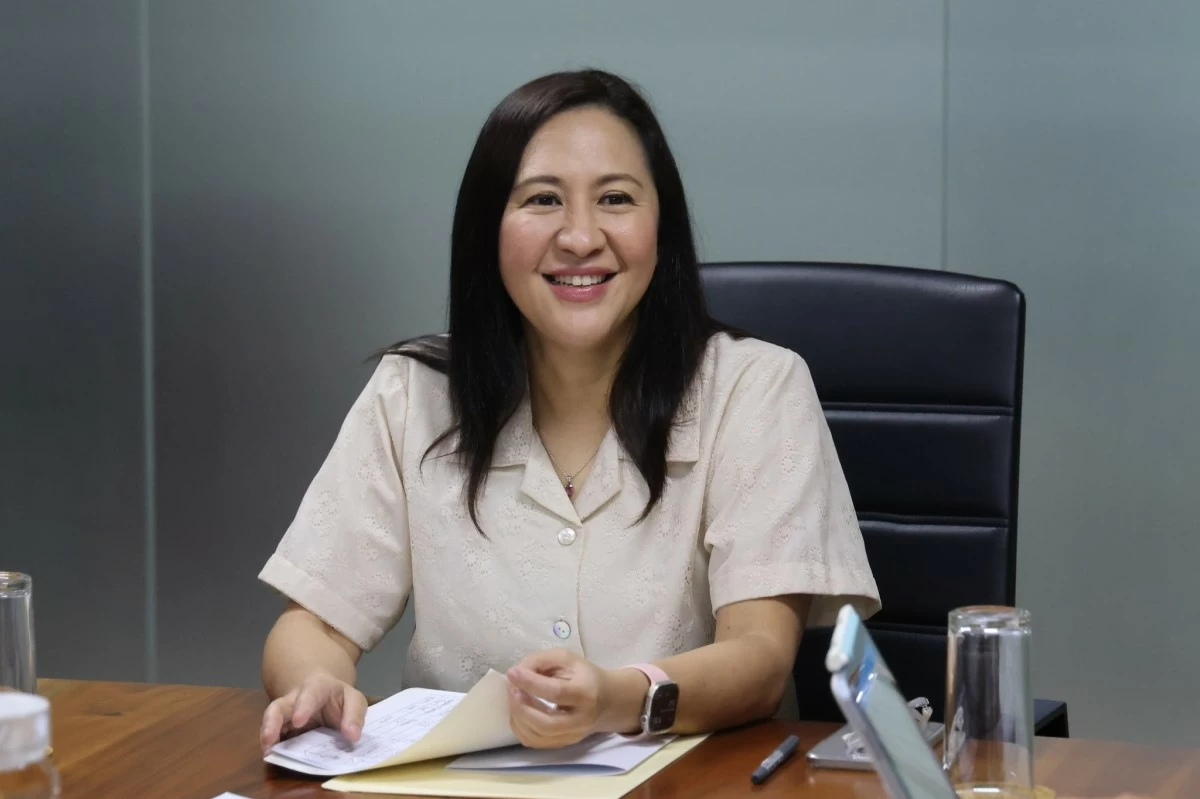
Quezon City Mayor Joy Belmonte signed an ordinance establishing a Blended Learning Program in all public elementary and high schools.
Ordinance No. SP-3405, S-2025 institutionalizes the Department of Education’s (DepEd) flexible learning policy at the local level, in response to classroom shortages, overcrowding, and frequent class suspensions caused by typhoons, extreme heat, and other emergencies linked to climate change.
Belmonte said the program aims to ensure learning continuity regardless of disruptions.
“By institutionalizing DepEd’s flexible learning policy through this ordinance, Quezon City is turning national guidance into real action,” she said.
“We are investing in our schools so that learning doesn’t stop—whether it’s due to natural disasters, heat waves, or simply not having enough classrooms,” she added.
Under the ordinance, schools may shift to blended learning when identified by the Schools Division Office–Quezon City (SDO-QC) as highly congested, or when face-to-face learning is deemed unsafe due to environmental or health risks.
The program includes asynchronous learning options and will follow a process coordinated by the SDO-QC and the Education Affairs Unit (EAU), in consultation with school administrators and parents.
Belmonte clarified that this is not a move away from classroom-based education.
“Face-to-face learning is still the foundation of our public school system…But when students cannot be physically present, we now have a safe, structured alternative”, she said.
The ordinance was authored by Councilors Aly Medalla and Bernard Herrera and supported by the 22nd City Council.
Councilor Medalla said the ordinance builds on lessons from the pandemic and recent climate-related events.
“We’ve learned from the pandemic and climate-related disruptions that education must be flexible,” she said.
“This law ensures we have a local system in place to keep learners on track—especially those most at risk of falling behind”, she added.
Schools Division Superintendent Carleen Sedilla welcomed the initiative, calling it a timely move to strengthen DepEd’s flexible learning strategy at the local level.
To support implementation, the city government and SDO-QC are investing in digital infrastructure, teacher training, and public awareness campaigns. Funding will come from the Special Education Fund (SEF) and General Fund, with additional resources sourced through partnerships and donations.
The city is also planning to convert underused public facilities into community learning hubs with Wi-Fi, desks, and learning tools to provide students with better access to learning spaces near their homes.
The program complements the city’s ongoing efforts to expand school infrastructure.