






Manila Bulletin
 Philippines
National
Alan Cayetano files reso seeking house arrest for ex-president Duterte
Philippines
National
Alan Cayetano files reso seeking house arrest for ex-president Duterte
Philippines
National
Alan Cayetano files reso seeking house arrest for ex-president Duterte
Alan Cayetano files reso seeking house arrest for ex-president Duterte
Published Jul 10, 2025 08:09 pm


At A Glance
- The resolution expresses the sense of the Philippine Senate that Duterte, now 80 years old, should be afforded interim release under humanitarian grounds.
Senator Alan Peter Cayetano on Thursday, July 10 filed a resolution urging the Philippine government to appeal before the International Criminal Court (ICC) the interim release of former president Rodrigo Duterte, and proposing that he be placed under a form of house arrest while awaiting trial.
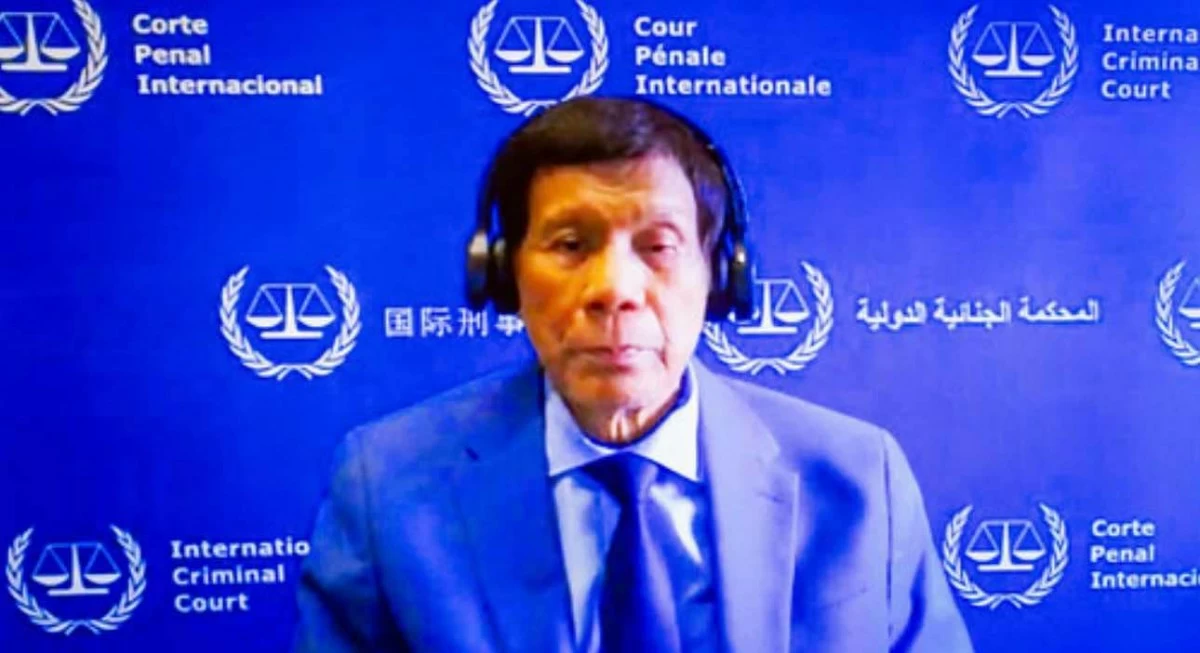
Former president Rodrigo Duterte (ICC Photo)
Cayetano noted Duterte has been in ICC custody for four months now, following his arrest by the Interpol on March 11, 2025.
The former leader was apprehended under an ICC arrest warrant for crimes against humanity and was promptly extradited to The Hague, Netherlands, where he is currently detained.
The resolution expresses the “Sense of the Senate to Urge the Philippines to Advocate before the International Criminal Court for the Interim Release of Former President Rodrigo Roa Duterte,” including Inter Alia Entering Into an Arrangement with the ICC to Receive Custody of FPRRD in a Form of House Arrest or Any Other Appropriate Arrangement In the Premises of the Philippine Embassy in The Hague, Netherlands.”
It also expresses the sense of the Philippine Senate that Duterte, now 80 years old, should be afforded interim release under humanitarian grounds.
According to Cayetano, the resolution emphasizes the former president “should be afforded the right to be presumed innocent until proven guilty” under both domestic and international law.
“To grant this for the former President would be beneficial to his health, all while presenting no risk to the integrity of the ongoing trial,” Cayetano’s resolution states.
The resolution cited Duterte’s deteriorating health, old age and prolonged social isolation as a reason to grant him a house arrest.
The senator, in his resolution, warned that continued detention may severely impact his emotional and physical well-being.
“Bahagi ng ating pagka-Pilipino ang pagmamalasakit sa kapwa, lalo na sa mga matatanda (Part of our Filipino culture is to care for others, especially the elderly),” he said.