






Manila Bulletin
 Philippines
National
Tiangco backs stricter NFA rules to protect farmers, maintain P20 per kilo rice program
Philippines
National
Tiangco backs stricter NFA rules to protect farmers, maintain P20 per kilo rice program
Philippines
National
Tiangco backs stricter NFA rules to protect farmers, maintain P20 per kilo rice program
Tiangco backs stricter NFA rules to protect farmers, maintain P20 per kilo rice program
Published Jul 9, 2025 01:53 pm


At A Glance
- Navotas lone district Rep. Toby Tiangco is supporting the imposition of stricter rules by the National Food Authority (NFA) on buying palay (unhusked rice) in a bid to protect farmers from opportunistic rice traders.
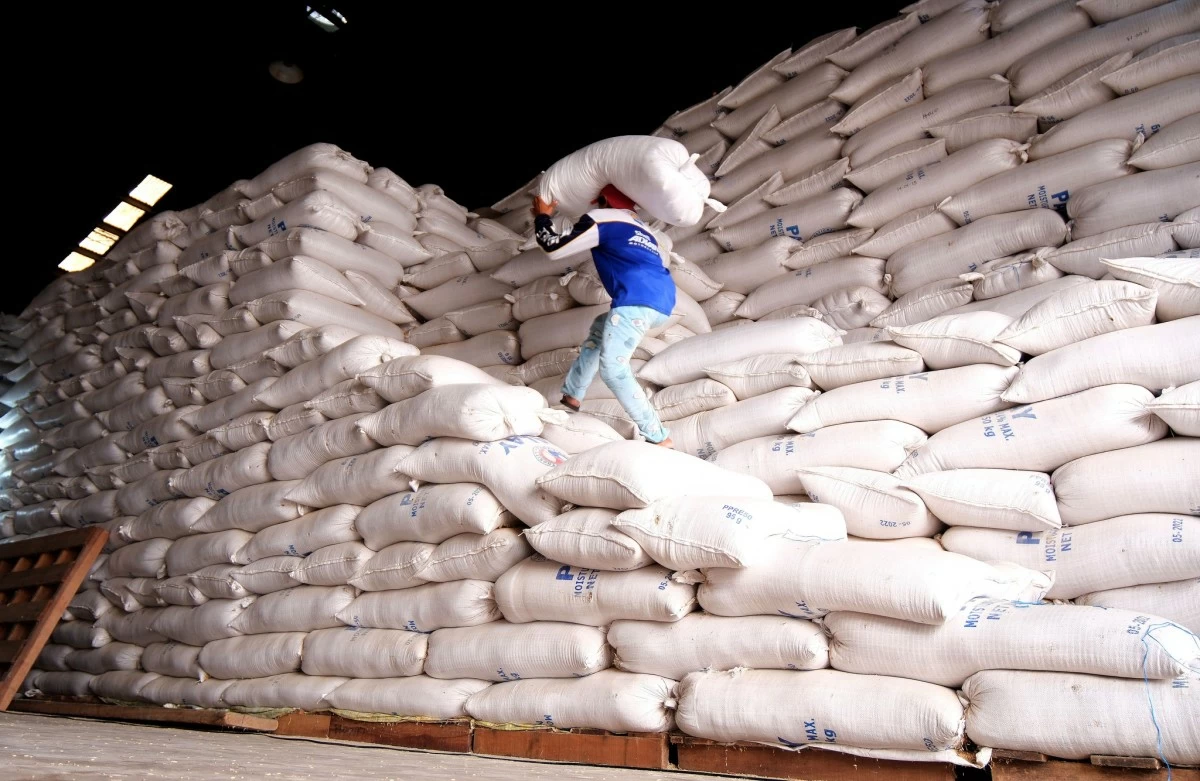
Department of Agriculture (DA) photo
Navotas lone district Rep. Toby Tiangco is supporting the imposition of stricter rules by the National Food Authority (NFA) on buying palay (unhusked rice) in a bid to protect farmers from opportunistic rice traders.
Such move will also allow the administration's P20-per-kilo rice program to be sustained, Tiangco added.
"The stricter rules open the NFA's palay procurement process to public scrutiny and ensure that only legitimate farmers—not traders—can sell to the agency," he said.
Tiangco expressed his support for the new NFA guidelines, which said that only verified farmers—or those who are either listed on the Registry System for Basic Sectors in Agriculture (RSBSA) or have certification from their local government unit (LGU)—can sell palay to the NFA.
The new guidelines also say that NFA branches must submit a monthly list of palay sellers and their respective volumes, which will be posted publicly on bulletin boards for transparency.
Tiangco welcomed these reforms as timely and necessary, as he noted that the P20 rice initiative is already benefiting consumers.
"The P20 rice program is clearly working and its benefits have already been felt by our kababayans. What we need now is to build on this momentum and make sure more Filipinos—and more farmers—benefit from it," he added.
Tiangco says he is also ready to support proposed legislation that would grant the NFA additional regulatory powers to stabilize rice prices.
"We need to carefully study whether there is a need to restore certain functions of the NFA so it can respond more effectively during times of price volatility or supply disruptions," he said.
He added that strengthening NFA’s capacity to support farmers’ cooperatives and beneficiaries of the Rice Processing Systems under the Rice Competitiveness Enhancement Fund (RCEF) was also being considered.